Loading...
Loading...


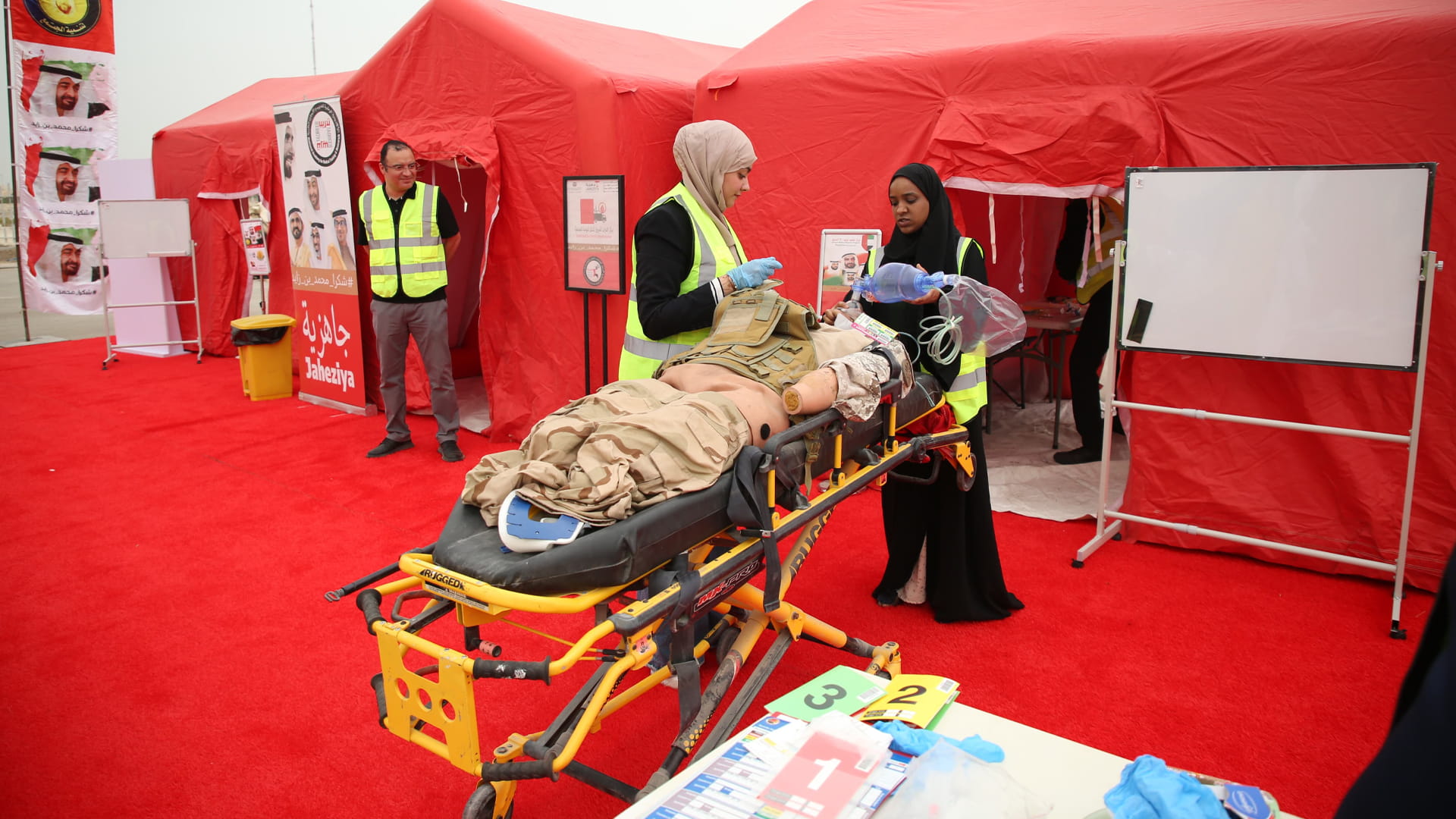
The programme will equip participants with the skills needed to provide safe and organised initial responses during the critical first minutes of emergencies, crises and disasters until the arrival of specialised authorities and frontline response teams.
Integrated national framework for emergency preparedness
The “Community Readiness” programme is built on an integrated national framework covering institutional readiness, community readiness and international readiness. It brings together government, private, civil, military, healthcare, security, ambulance and community organisations, as well as public benefit institutions.
The programme is supported by international scientific, training and accreditation partnerships with leading universities, training centres and professional institutions in the United States, Canada, Europe, the United Kingdom, Australia and New Zealand. These partnerships support knowledge exchange, localisation of specialised programmes, qualification of national trainers and the adoption of unified training standards.
Four progressive training levels
The programme consists of four structured training levels:
Building a culture of preparedness and rapid response
Dr Adel Abdullah Al Shammari Al Ajmi, Chief Executive Officer of the Zayed Giving Initiative and Chairman of the UAE National “Jaheziya” Programmes, said that “Community Readiness” strengthens a national culture based on prevention, preparedness, rapid response, business continuity and recovery, while transforming knowledge and training into capabilities that can be activated when needed.
An Emirati model for regional and global readiness
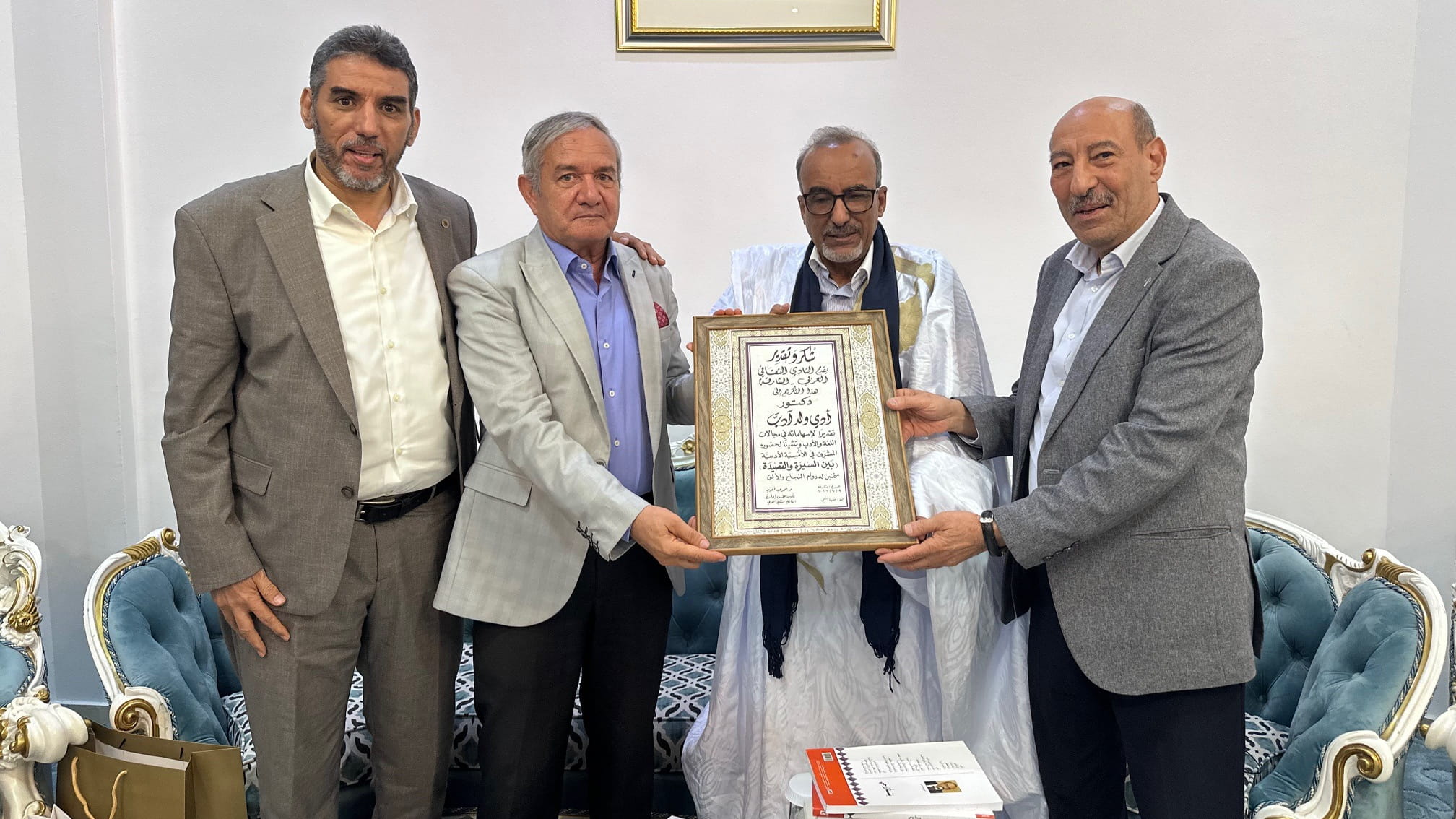
Professor Roberto Mugavero, President of the European Centre for Disaster Medicine, described the programme as an innovative Emirati model that can benefit communities regionally and internationally through its progressive training system, digital platform, national responder database, quality assurance framework and readiness assessment tools. He emphasised that the programme ensures participants operate within their competencies and complement, rather than replace, the role of licensed professionals.

 For an optimal experience, please
rotate your device to portrait mode.