Loading...
Loading...


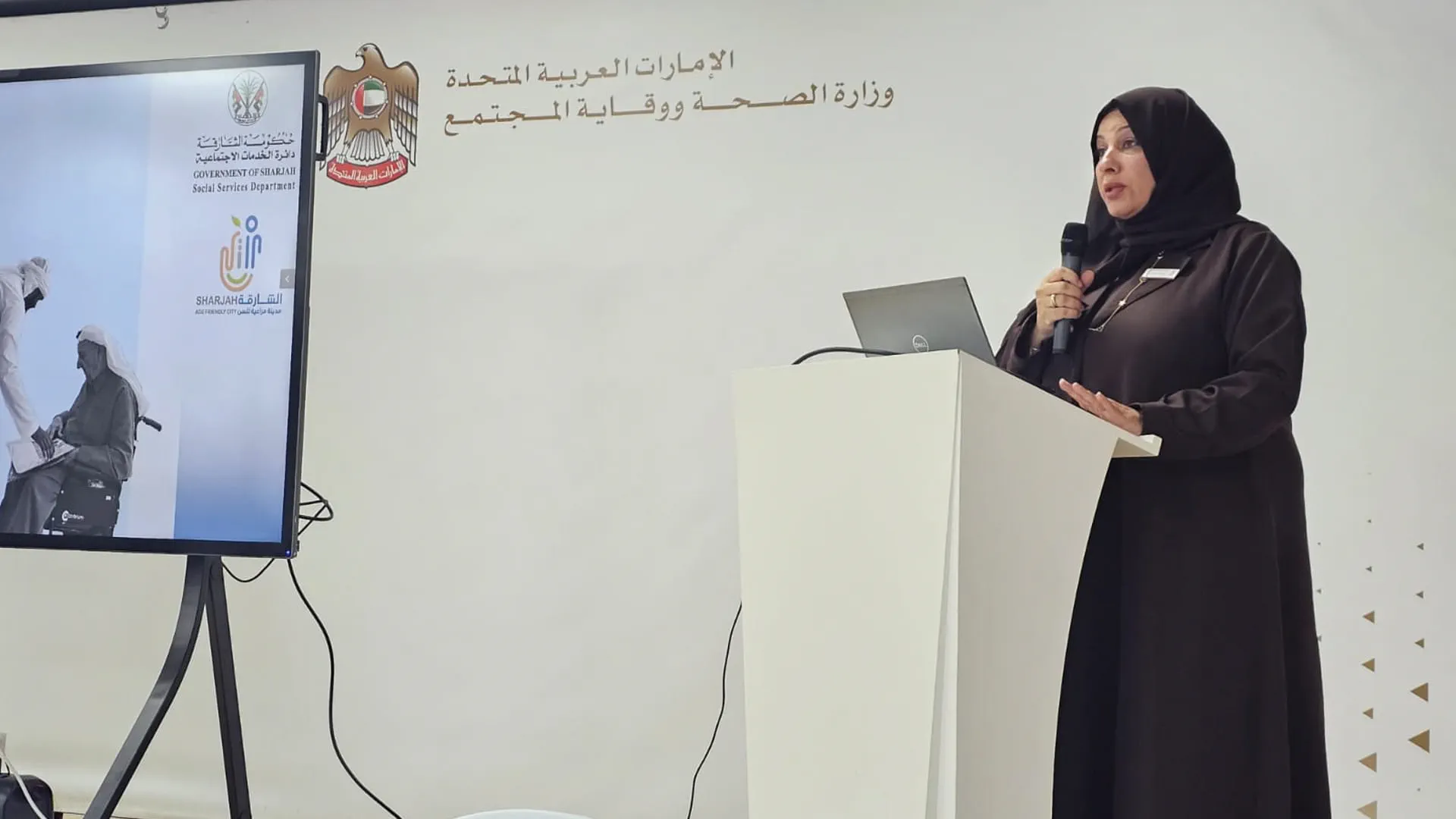
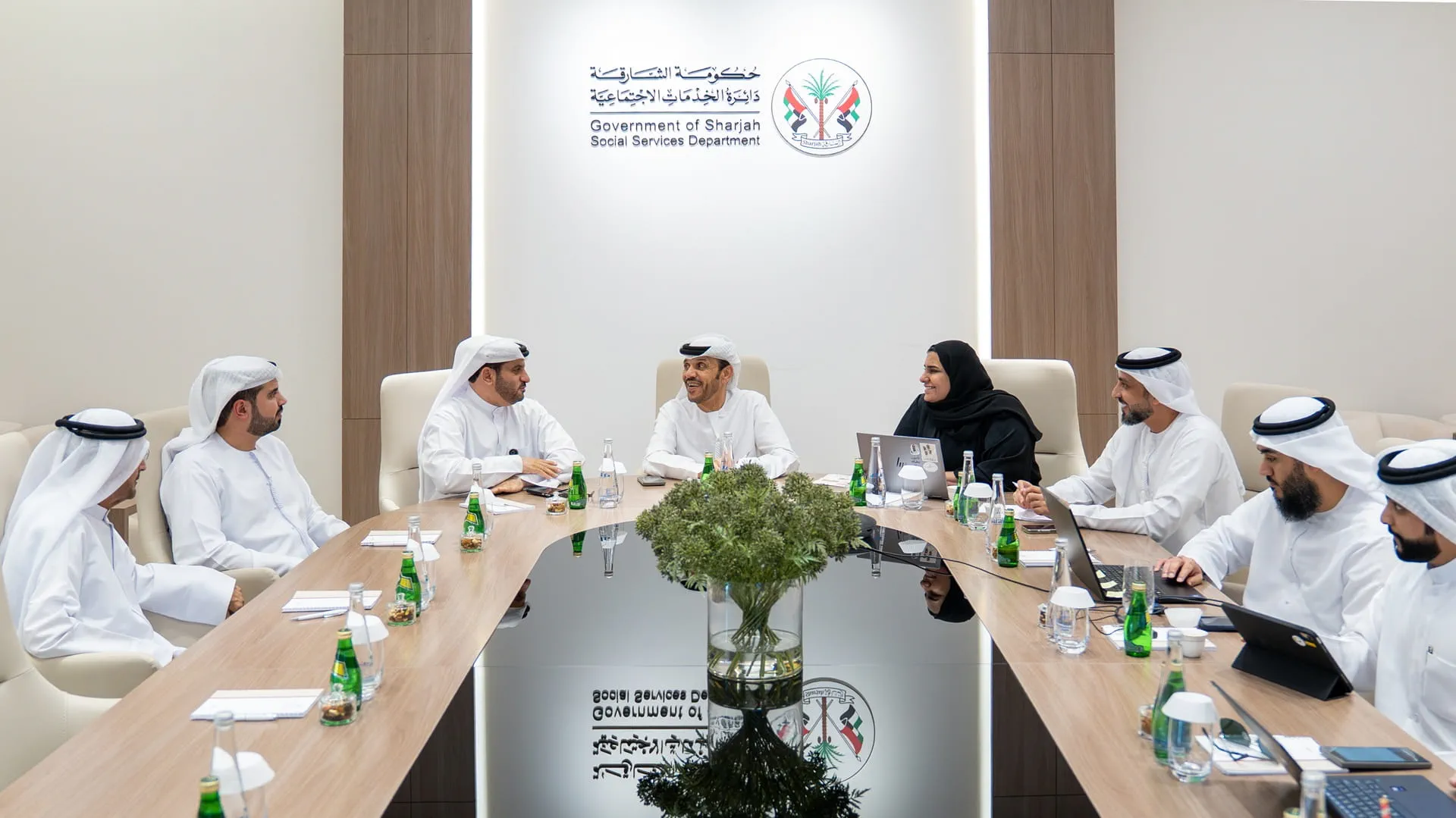
The workshop aimed to share the Emirate of Sharjah's experience in caring for and excelling in the service of senior citizens — an achievement that made it the first Arab city to join the World Health Organisation's Global Network for Age-Friendly Cities and Communities (GNAFCC). Sharjah has operated its "Sharjah Friendly for the Elderly" office under the Social Services Department since 2016, working to implement the organisation's standards to ensure an exceptional quality of life for all age groups.
Ms Asma Al Khatri, Director of Quality and Age-Friendly Health Services, briefed workshop participants on how to obtain membership by meeting the network's eight approved criteria.
Al Khatri explained the purpose of the workshop, noting that the Ministry of Health and Prevention aims to join this global network, whose goals include connecting cities worldwide to support healthy ageing by creating physical and social environments that meet the needs of senior citizens. She added that the initiative also aims to encourage government and local institutions and sectors across the board to follow Sharjah's example.
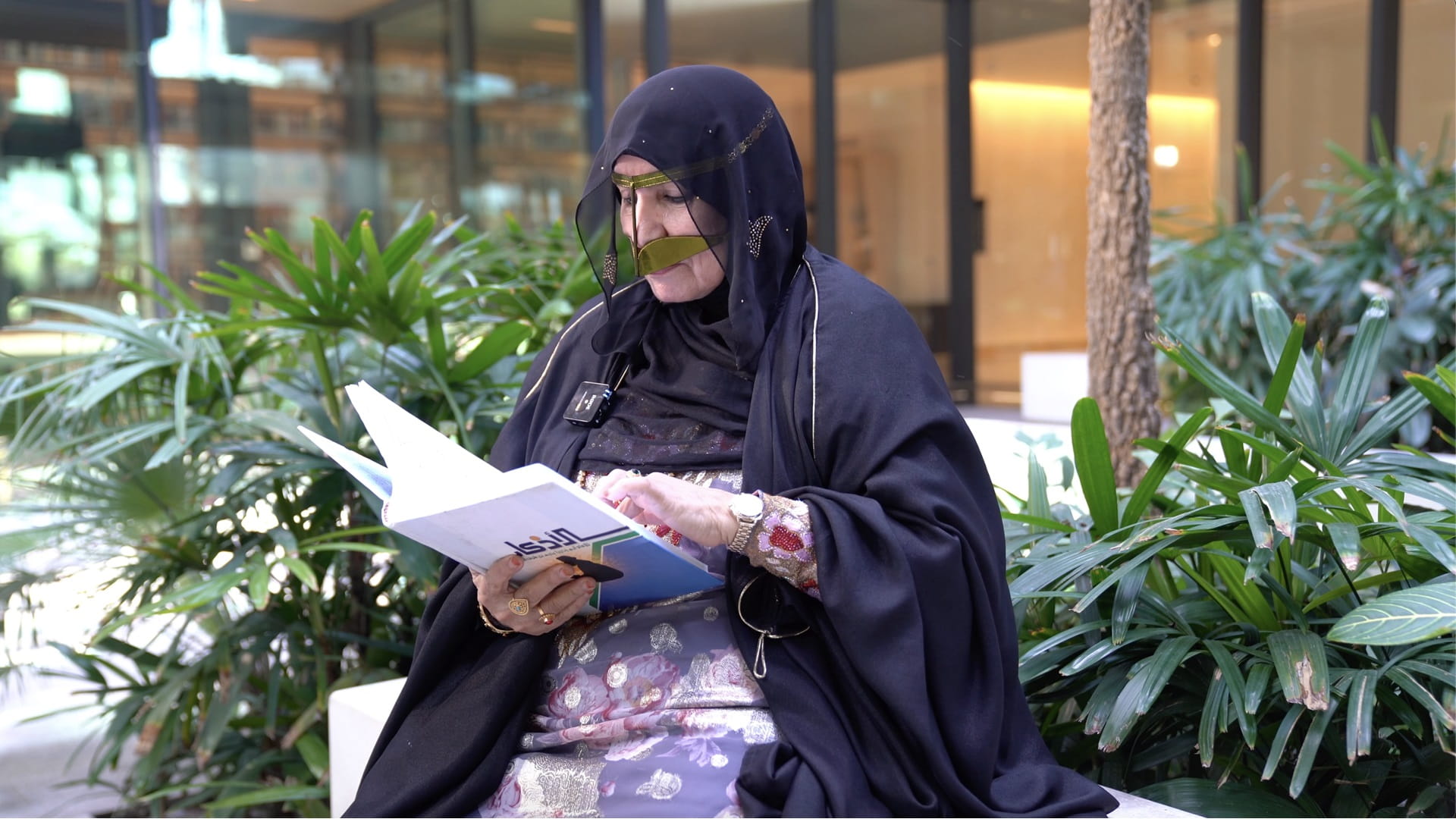
She noted that for years there had been a drive for the United Arab Emirates, across all its regions, to become a full member of the organisation, so that senior citizens throughout the country could benefit in line with the best practices and international standards set out by the Global Network for Age-Friendly Cities and Communities. The Emirate of Sharjah has maintained its membership in the network for more than a decade, renewing it periodically, and in 2024 gained further recognition by becoming an "Affiliate Member of the Global Network for Age-Friendly Cities and Communities." This reinforces the role of the Emirate of Sharjah and its diverse institutions through their distinguished services for senior citizens, delivered in line with international best practices and standards aligned with those of the Global Network for Age-Friendly Cities and Communities.
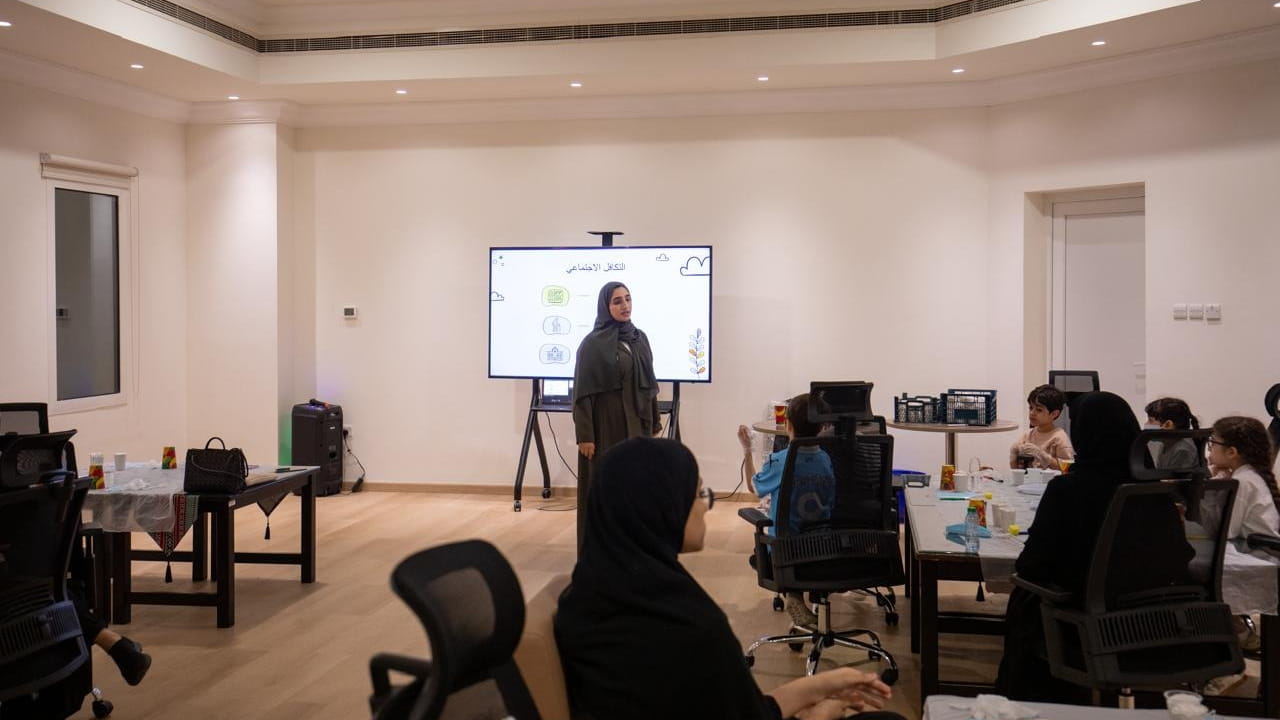
Held over two days at the Ministry's headquarters and attended by more than 50 participants representing various sectors and institutions, the workshop saw the Office of Quality and Age-Friendly Health Services present its experience, introducing the eight approved standards and outlining their objectives. These objectives focus primarily on creating a comprehensive, sustainable physical, health and social environment that allows resident senior citizens to easily access available resources — enabling active, healthy ageing, improving their quality of life, and encouraging them to share their experience with others to contribute to community development.
The workshop also highlighted the Emirate of Sharjah's accession to the Global Network of Age-Friendly Cities in September 2016, a further achievement added to the emirate's record of global accomplishments. Much of the programme's content and practices reflect policies Sharjah has applied for decades, as the emirate continues to lead in introducing impactful, innovative initiatives, and effective alternatives and solutions to ensure comfort and a dignified life for all its residents.
The purpose of joining the network is to develop services for senior citizens across all sectors and ensure their sustainability in the areas defined by the Global Network for Age-Friendly Cities and Communities. These standards cover outdoor spaces and buildings, transportation, housing, social participation, respect and social inclusion, civic engagement and employment, communication and information, community support, and health services.
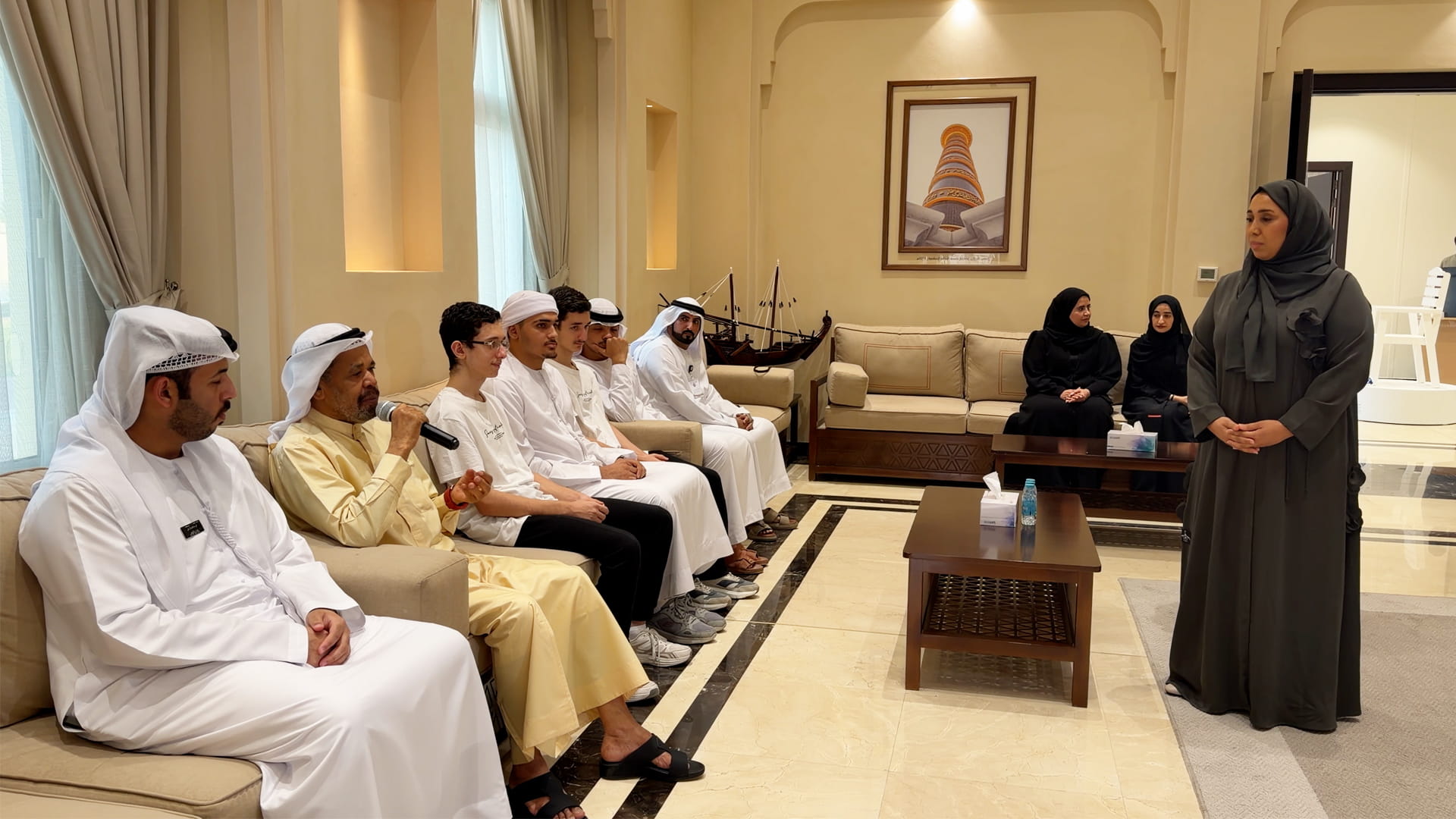
The workshop concluded by emphasising the need to raise community awareness in preparation for the demographic shift towards an ageing population, driven by rapid population ageing, urban expansion, and advances in healthcare. It also stressed the importance of empowering senior citizens to integrate into society and share their experience, while strengthening the legislative environment that supports and protects their rights.

 For an optimal experience, please
rotate your device to portrait mode.