Loading...
Loading...


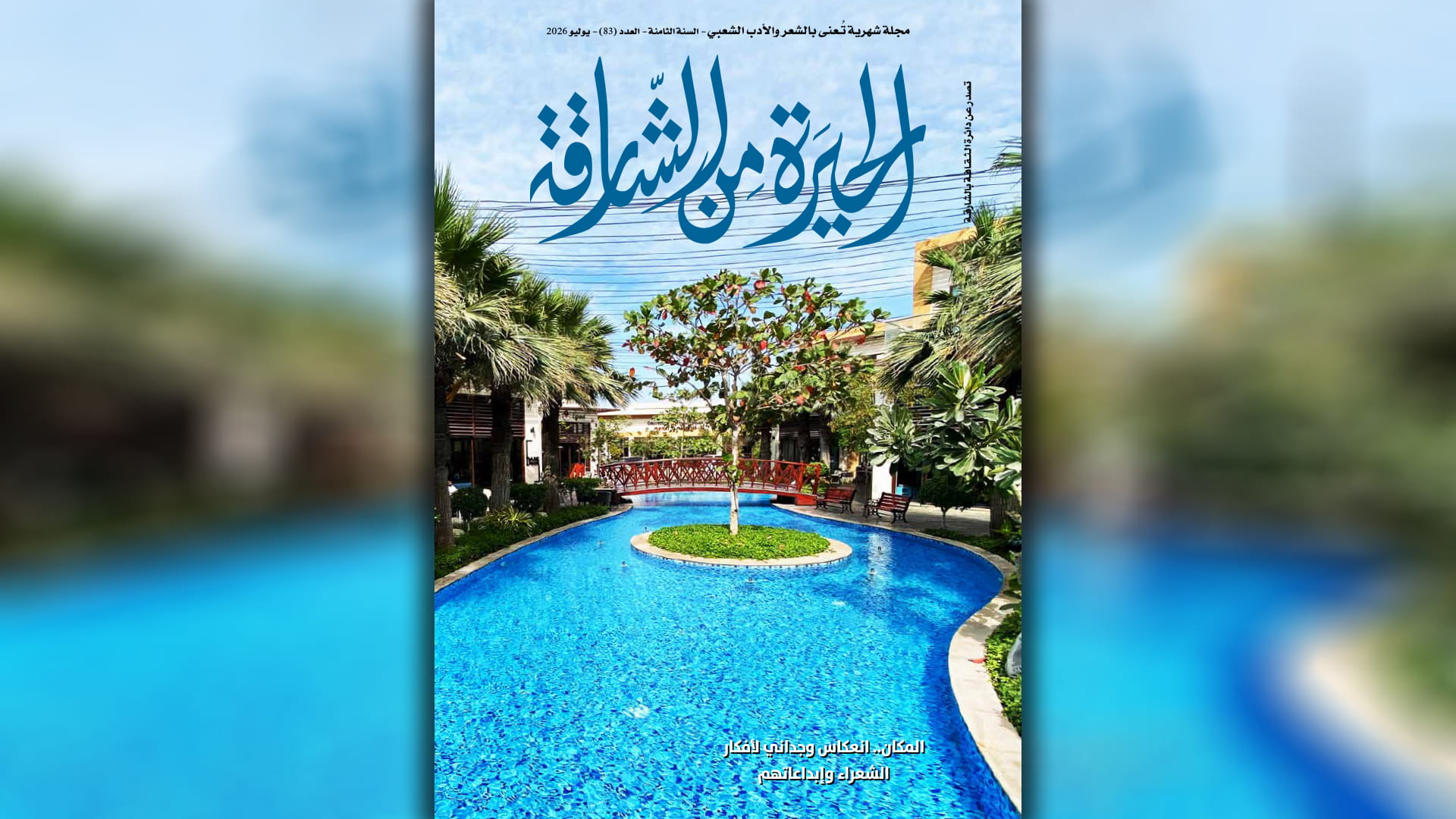
The editorial, titled "Wonder and Creativity," points out that creativity in poetry, art, literature, and theatre begins with wonder, which precedes questioning. This wonder possesses the ability to see the familiar as if for the first time, and to marvel at ordinary things with the eyes of a child within every creator—"every child is an artist." The true creator sees what others do not see because of their wonder, their formulation of questions, and their invention of new frameworks. They write what they see, feel, and experience, and what their imagination dictates—that is, they write their own self, feelings, and thoughts with honesty, truth, and creativity.
Editor-in-Chief Nawaf Younes, in his article "Cultural Dialogue and Technological Communication," called for greater honesty and transparency in cultural dialogue with others. He noted that all obstacles have been overcome, and modern technologies now remove all impediments that were hindering communication until recently, forming a cultural bridge for creative, humanistic, and civilised exchange. He acknowledged that the path of mutual cultural dialogue, despite all that has been achieved through social media and the advancement of modern technologies, is not paved with roses. He concluded by calling for more encounters and cultural communication with others to solidify a culture of human dialogue.
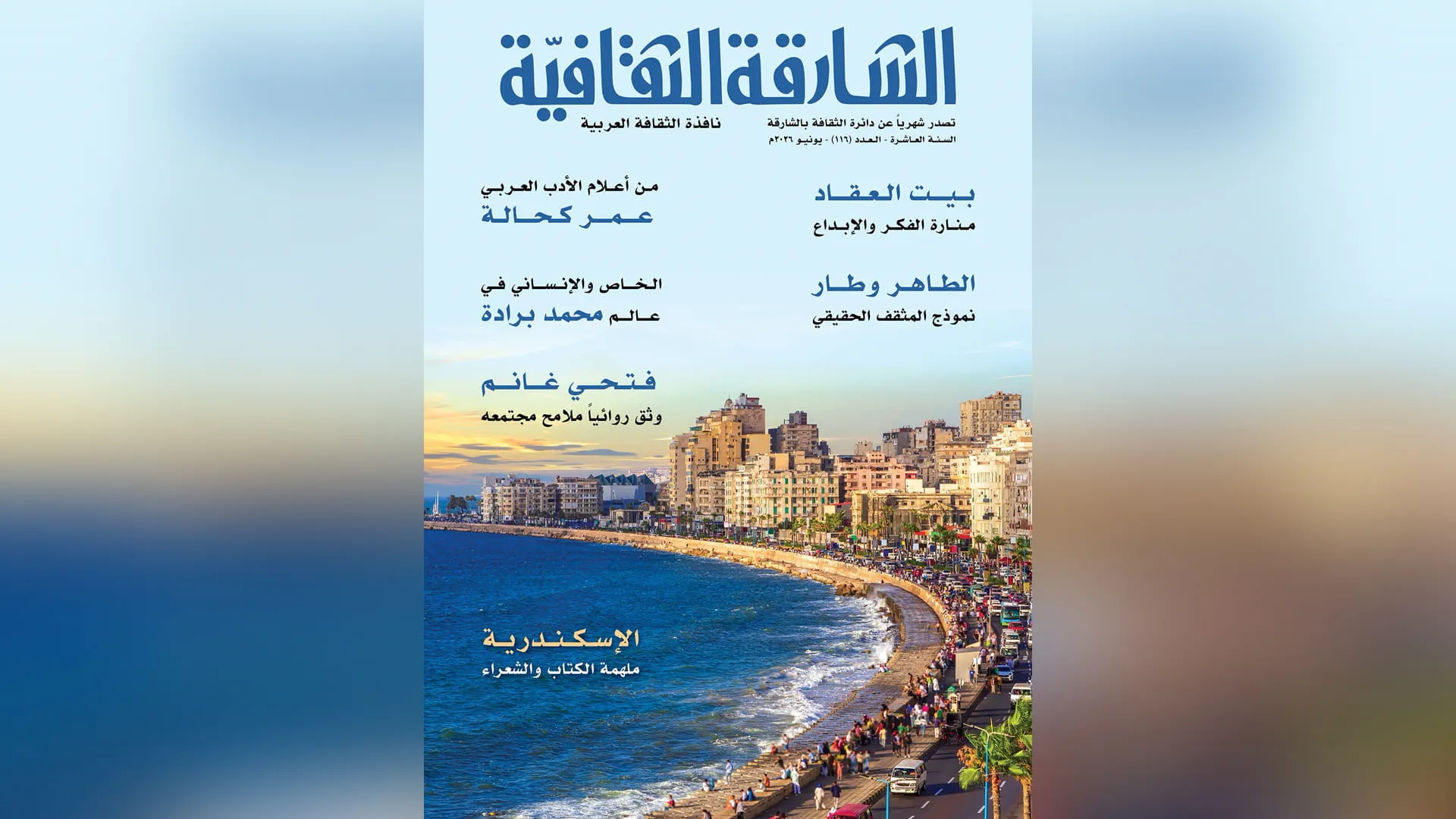
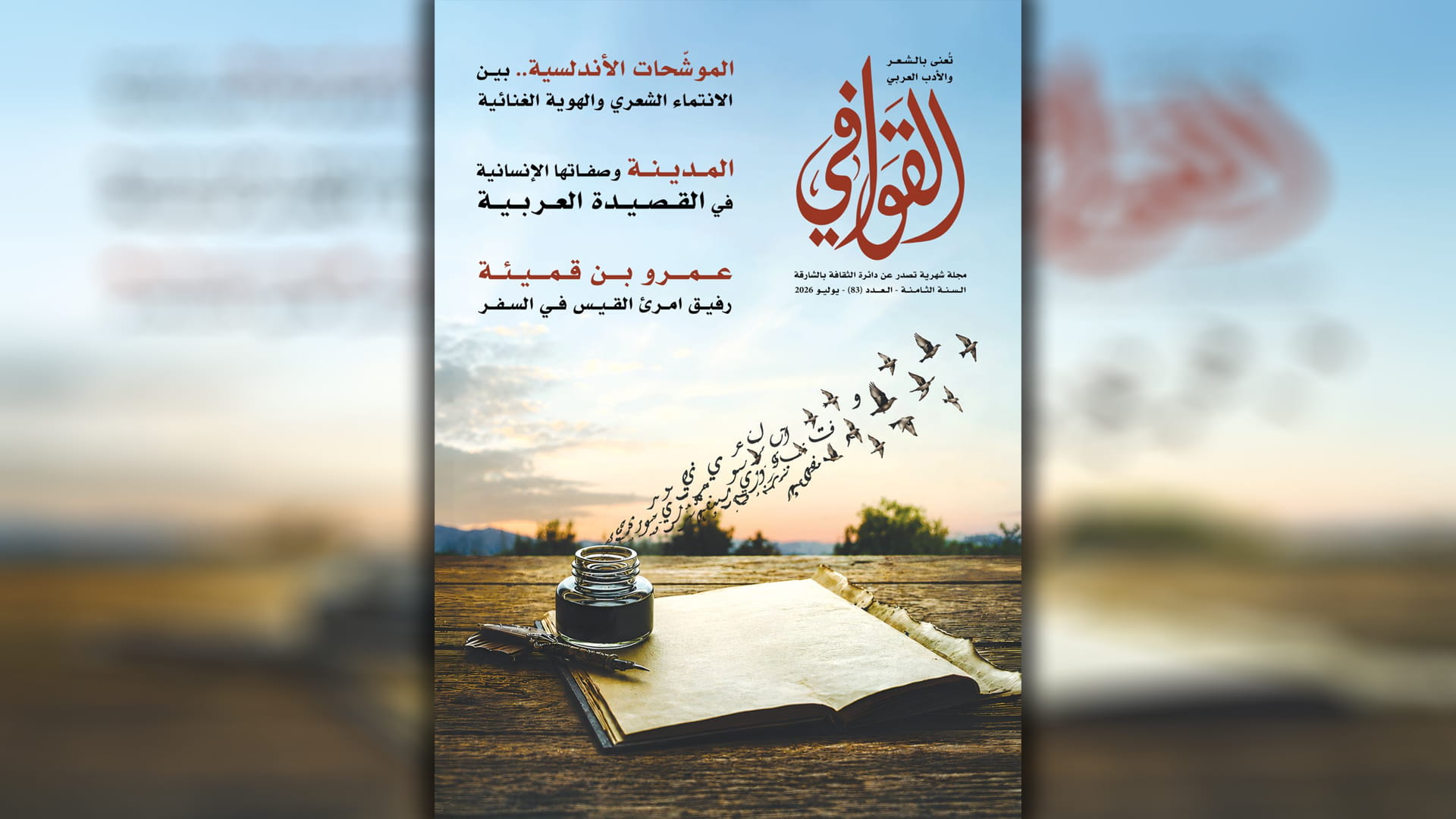
In the issue's details, Yasser Mohamed Abdel Salam wrote about one of the luminaries of Arabic literature, Omar Kahala, who documented Arab-Islamic history. Omar Ibrahim Mohamed highlighted the role of the orientalist Christian van Nispen in doing justice to Arab heritage, while Wafiq Safwat Mukhtar examined the presence of the city in novels (Alexandria as a model), and Mohamed Al-Asawi documented the history of the Moroccan city of Tafou Ghalt and its natural beauty.
In the "Literature and Writers" section, Mohamed Hussein Talbi reviewed the biography of Tahar Wattar, who was self-made in a humble environment and whose motto was "No compulsion in opinion." Mahmoud Hassanin wrote about subjectivity and the time of the novel (Annie Ernaux: Guardian of Collective Memory), and Nasreen Antonius presented a reading of Khalifa Hussein Mustafa's novel "The Eye of the Sun," where it transcends mere reception towards contemplation.
Aziz Baazi interviewed the Iraqi writer Shawqi Karim Hassan, who affirmed that dreams and intellectual transformation were behind his creativity. Mohammed Najim also interviewed the poet and critic Mahdi Al-Araj, who believed that creative individuals need encouragement and appreciation. Tariq Sharif wrote about the creative writer and diplomat Ahmed Ibrahim Al-Faqih, who wrote the longest novel in modern Arabic narrative. Dr Nasr Al-Din Shardal discussed the pioneering work of Samir Al-Fil, who innovated in the art of the short story. Ziad Al-Rayes explored the worlds of Mohammed Barada in his novel "The Game of Forgetting." Sayed Abdel-Rahim explained how Masouda Boubaker harnessed narrative to document memory. Hussein Al-Sayed examined the fluctuating relationship between criticism and appreciation (Taha Hussein and the writers of his era). Diaa Hamed met with the Tunisian writer Nizar Shaqroun, who emphasised the complementary relationship between history and the novel. Nour Suleiman Ahmed shed light on the Al-Aqqad House, considered a beacon of thought and enlightenment. Malek Saqour commemorated the sixtieth anniversary of the death of T.S. Eliot, who invoked myth in his poem "The Waste Land." Dr Majd Haidar discussed William Golding, who delved into the human psyche and explored its inner workings; Marwan Naseh interviewed Dr Mustafa Fasi, who stated that the short story is an independent literary art form; Dr Muhammad Al-Khiyari explained how Gamalat Abdel Latif made Upper Egypt an inspiring setting in her narrative paintings; Riya Al-Aji celebrated Colette Khoury's distinguished literary career, highlighting her inseparable connection between her creative work and the issues facing her nation; and finally, Muhammad Muhammad Mustajab explored the world of novelist Fathi Ghanem, a world brimming with secrets, stories, and memories.
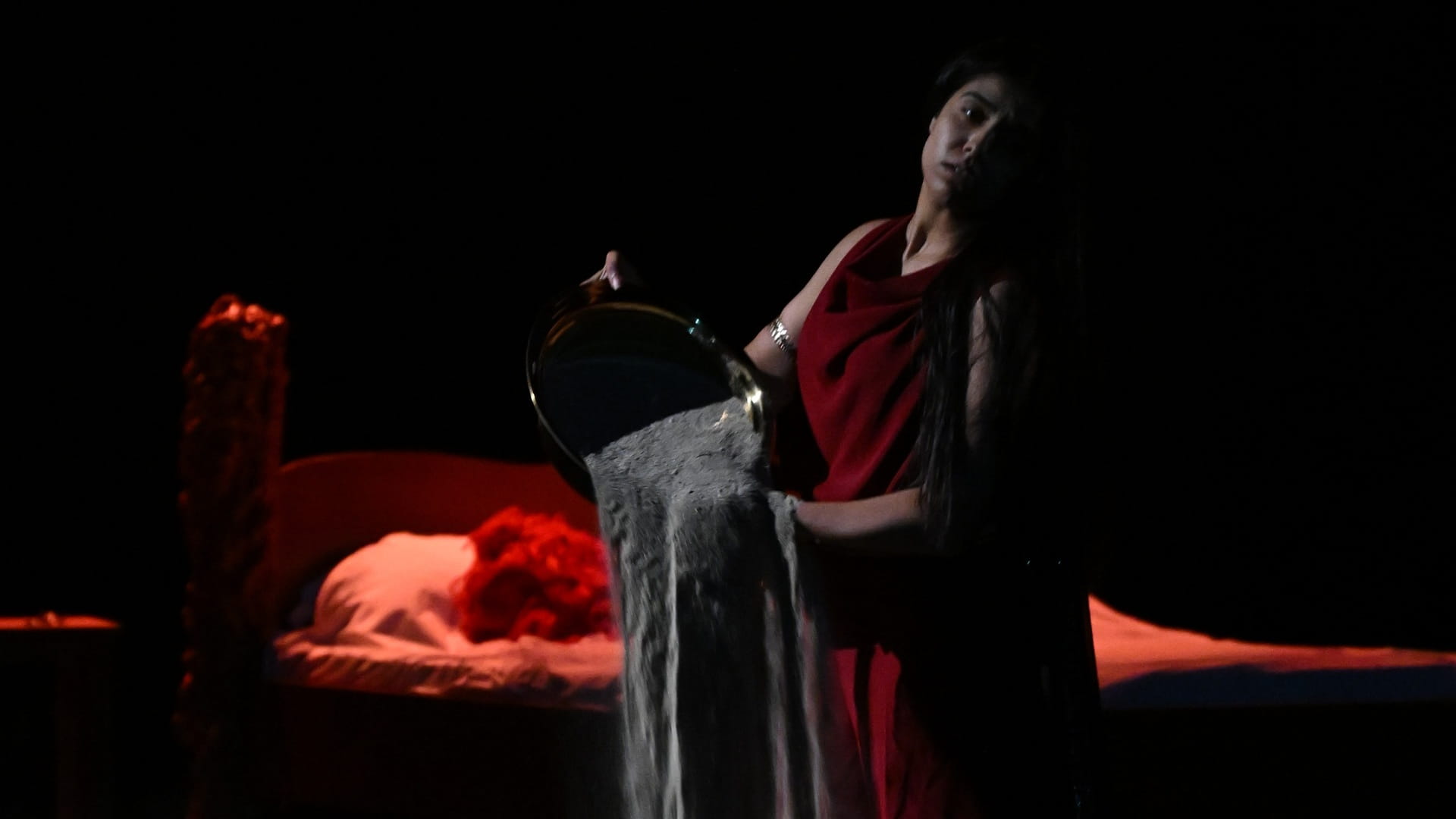
In the "Art, String, and Brush" section, we read articles about visual arts, theatre, cinema, music, and drama: Ismail Al-Rifai: An Artist Who Resembles His Mirror (Mohammed Al-Amri), Hala Salah: A Unique Style in Visual Art (Samah Ragab), Grotowski: Man and Poor Theater (Nour Ghanem), Karim Al-Fahl Al-Sharqawi: Theatre is the Remaining Refuge (Yassin Al-Hawari), Poetry and Song in the Works of Umm Kulthum (Alaa Abdel-Hadi), Amal Fahmy: A Pioneer of Radio Broadcasting (Maya Adel), Television Drama: Between Creating Awareness and Shaping Behavior (Sarab Saadi), Tunisian Cinema: A Mirror of Culture and Identity (Al-Bashir Obeid), Hamnet: A Film That Won 18 International Awards (Osama Asal).
In the "Under the Spotlight" section, we feature readings and publications including: "The Seventh Art and Its Secrets" (Abrar Al-Agha), "Suad Al-Alas Documents Women's Contributions in Aden" (Ahmed Al-Aghbari), "A Comparison Between Poets" (Nadia Omar), "Al-Barraq Ibn Rouhan and the Implications of the Search for Him" (Dr. Muhammad Mahmoud Al-Attar), "A History of Medicine in Modern Egypt" (Suad Saeed Noah), "Linguistic Development: A Path to Modernity" (Dr. Bushra Rouzi), "Mustafa Arar: An Arab Symbol of Culture" (Hassan Bin Muhammad), and "Haruki Murakami: A Delicate Narrative Style" (Shuaib Malham).
On the other hand; The issue included a collection of articles: Literary Criticism and Its Mission (Ibrahim Mustafa Shaaban), Honesty and Emotion in Literary Works (Nagham Ibrahim), Renewal and the Concept of Creativity (Amir Kamal Farag), A Critique of Literary Criticism (Etedal Othman), Aziz Nesin Turned Tears into Laughter (Hassan M. Youssef), Place as a Creative Medium (Safaa Badr El-Din), When Writers Speak... and the Secrets of Writing (Mustafa Abdullah), The Writer and the Process of Reception (Hani Bakri), Reem Bassiouni and the Historical Novel (Saleha Obeid Gabash), Soumaya Saad... Realistic Endings in Her Novel "Whispers of the Heart" (Youssef Ali Al-Ghadban), Hassan Fouad Gave Journalism a New Spirit (Nasreen Issa), Mohamed Al-Asmar: A Model of Emotional Poetry (Amira Ibrahim), The Paradigm Shift in Thought and the Making of Humanity's Future (Dr Rasha Al-Fawwal), "Shores of Exile" and the Dawn of Hope (Asmaa Al-Masfar), A Thin Thread Between the Past and the Present (Anisa Abboud), A Cultural Approach (Dr. Mustafa Al-Qazzaz), and Autobiographies Modern Arabic (Mohammed Abdel Aziz), Najman Yassin: Historian and Writer Who Built His Art Between History and Imagination (Gamal Al-Sharqi), Naïve Art in Our Authentic Folk Heritage (Dr Mahmoud Shahin), Mechanisms and Authority of Culture (Dr Ahmed Saad El-Din Aita), Local Theater and the Horizons of Change (Magdi Mahfouz).
The issue dedicated space to a collection of short stories and translations by a constellation of Arab writers and creators, namely: Heba Abdul-Hafiz Al-Mutairi (Postponed Betrayal) short story, Shock and Awareness in the story (Postponed Betrayal) - Dr Samar Rouhi Al-Faisal / Short Story Writer and Critic, Hanaa Al-Darwish (The Long Street) short story, Magdi Abu-Zeid (Near the Door) short story, Sanaa Ibrahim (And Life Goes On) short story, Hani Al-Qatt (A Seat for a Delicate Presence) short story, Hamada Abdul-Latif (Return to the Walkway) translated poem. In addition to poems that have echoes (Farewell to the Caller of Al-Mustansir.. and the might of the Chamberlain Al-Mansour) - Wael Al-Jishi, and (Literature) by Fawaz Al-Shaar, which included the aesthetics of language, the jurisprudence of language and the springs of language, and an illumination of the poem of Raad Aman who elevates the true friend (Dr Akram Jamil Qanbas).

 For an optimal experience, please
rotate your device to portrait mode.