Loading...
Loading...


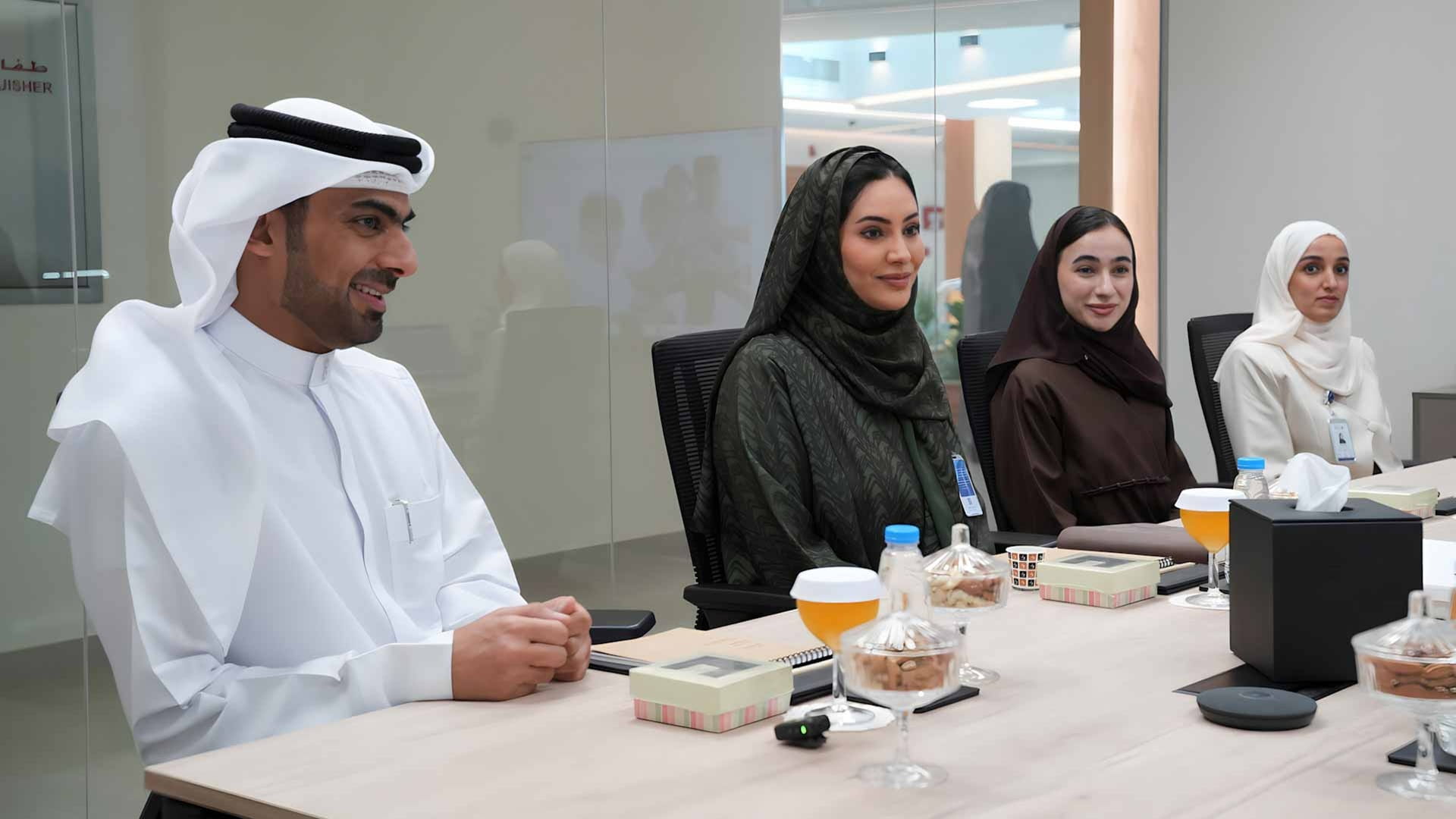
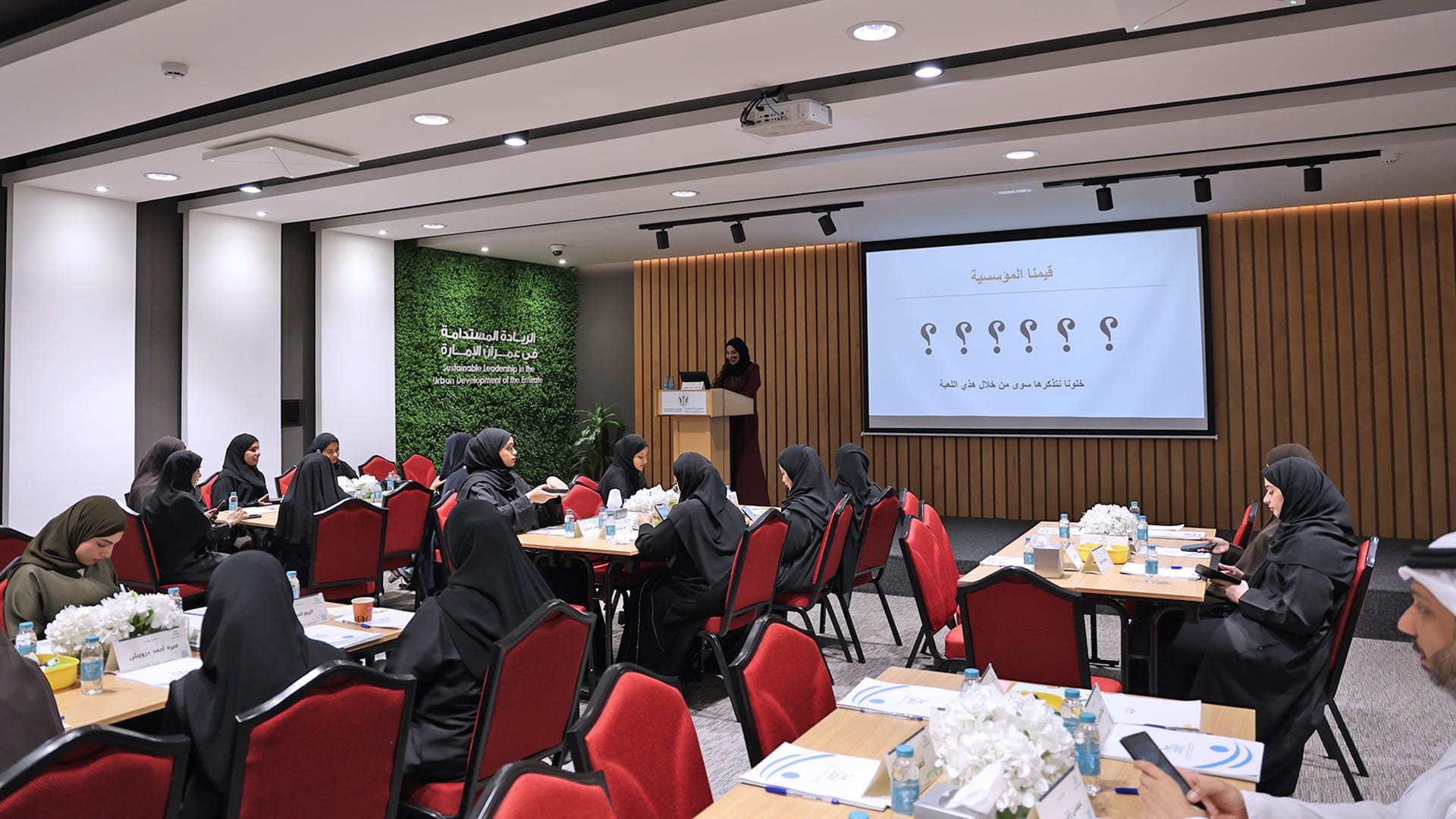
The gathering reflected the city's continued focus on internal communication and a shared sense of institutional purpose.
Al Yafei went on to cite Sheikha Jameela bint Mohammed Al Qasimi, Chairperson of SCHS, who has described joining the city not as the start of a career but as embracing a humanitarian cause with real meaning and impact — one that turns every employee into a genuine partner in the institution's work, rather than simply someone filling a post.
Al Yafei said the city continues to develop its institutional and service framework under the direction of Sheikh Dr Sultan bin Mohammed Al Qasimi and the vision of Sheikha Jameela bint Mohammed Al Qasimi. She argued that sustainable humanitarian work depends not on individual effort but on an integrated system combining people, knowledge, quality, partnership and innovation — one where every achievement becomes the foundation for the next, and every improvement translates into tangible impact for people with disabilities and their families. New staff, she added, bring fresh energy to that mission, and every role, however small it may seem, contributes to a larger system built around empowerment, independence and participation.
The city's 795-strong workforce includes 65 employees with disabilities — 8.18 per cent of staff — drawn from 28 nationalities. Investment in staff development has been substantial: 106 training programmes benefited 3,225 trainees across 549 training hours, delivered by 70 trainers, with a 95 per cent satisfaction rate and 83 per cent of training shown to translate into workplace practice. The city also issued around 650 free accredited training certificates to support staff licensing requirements, while 131 university students from 12 institutions completed fieldwork placements there.
Educational, rehabilitative, therapeutic and social services reached 3,341 students across classrooms, family counselling, outpatient care and therapy, alongside university scholarships for 14 students at the University of Sharjah. The city's reach extends well beyond graduation: 544 graduates have been placed in employment and 627 trained in partnership with government and private bodies between 1989 and 2026, including 104 hired and 176 trained between 2023 and 2026 alone, through a network of 148 partner organisations. Its Masarat Centre for Development and Empowerment has also launched a smart employment platform, while the "Takween" project has run 35 exhibitions nationwide, generating 3,181 purchase orders and 15,884 items sold worth AED 710,000.
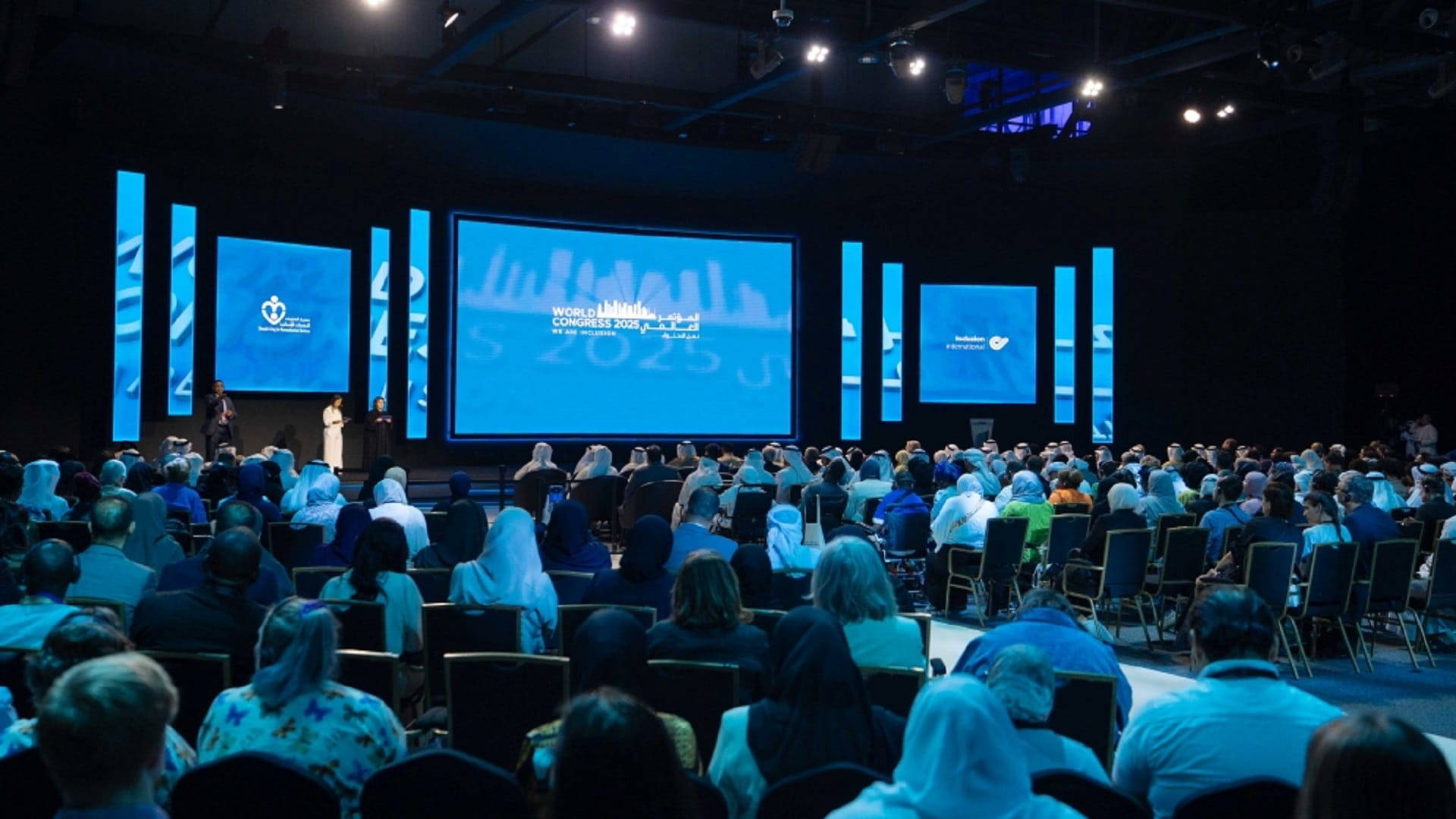
The city's standout event of the year was the 2025 "We Are Inclusion" World Congress, the first time the event was hosted in the Arab world since Inclusion International's founding in 1963, held under the patronage of the Ruler of Sharjah. The congress drew 1,027 participants and 152 speakers from 74 countries across 59 sessions over three days, alongside a 270-strong self-advocates summit and a 90-strong family summit conducted in Arabic, English, French and Spanish. Media coverage included 997 news items and interviews, 22 promotional campaigns, more than 120 journalists and organisers, ten accompanying exhibition pavilions, and cultural, tourism and wellbeing programmes for attendees.
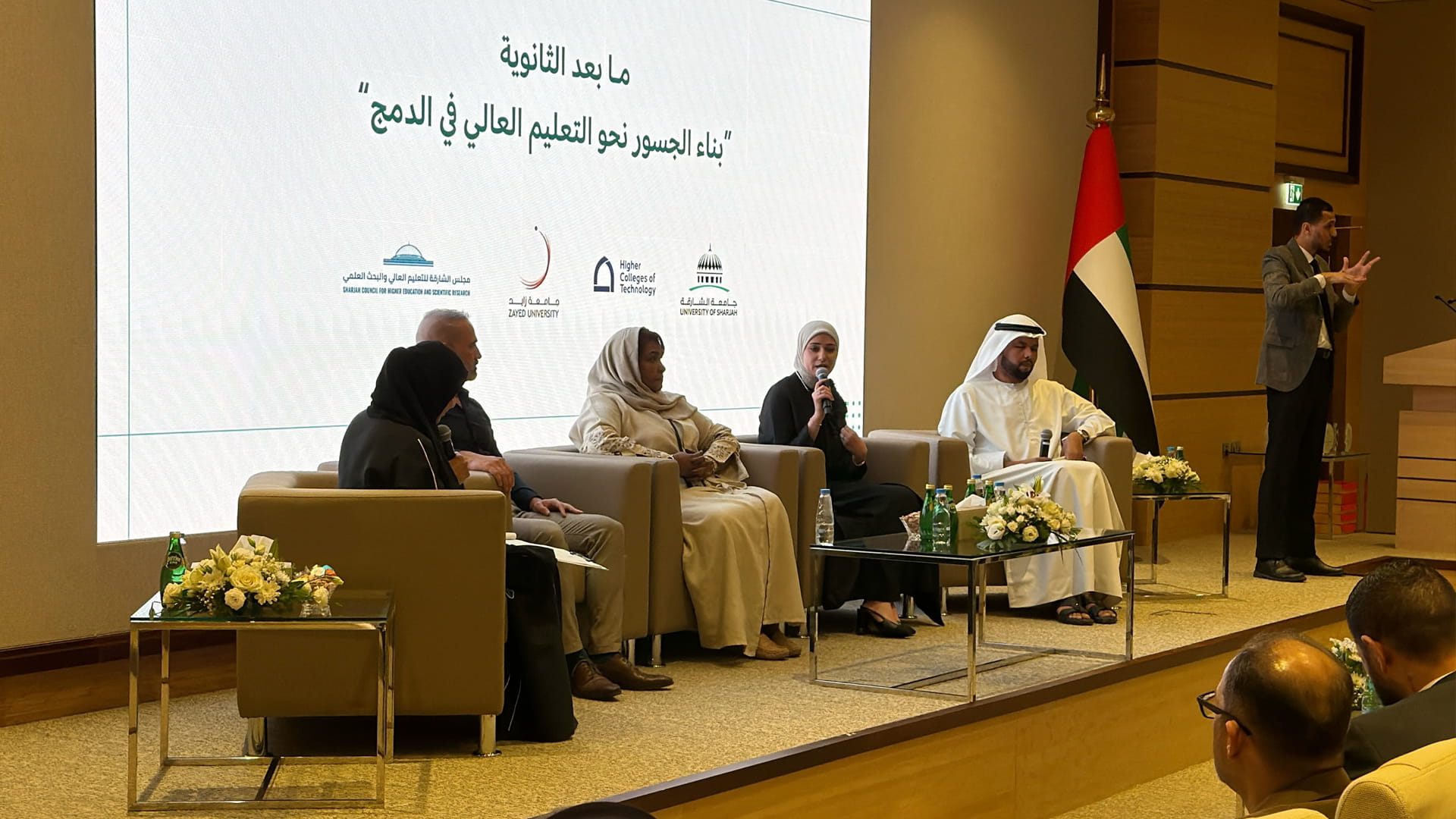
The 2025–2026 period saw 18 memoranda of understanding, agreements and partnership contracts signed, along with 31 cooperation and partnership visits at local, regional and international levels. The city took part as a strategic partner in Abu Dhabi's Fourth International Autism Conference, presenting six scientific papers and two keynote addresses alongside a dedicated exhibition pavilion. On the education front, it helped launch Sharjah's inclusive education policy spanning early childhood to higher education, in partnership with six local institutions — bringing the total number of students integrated into mainstream schools since 2005 to 749.
The city's institutional standing was reinforced through a series of accreditations, including a third consecutive CARF International renewal covering 2026–2029, ISO 9001:2015 for quality management, and a second year of ISO 37000 certification for institutional governance. It also holds prior international accreditation from the UK's Pearson for its certified programmes, is a licensed body for vocational and technical certification under National Qualifications Centre standards, and has established a dedicated academic accreditation office within its structure.
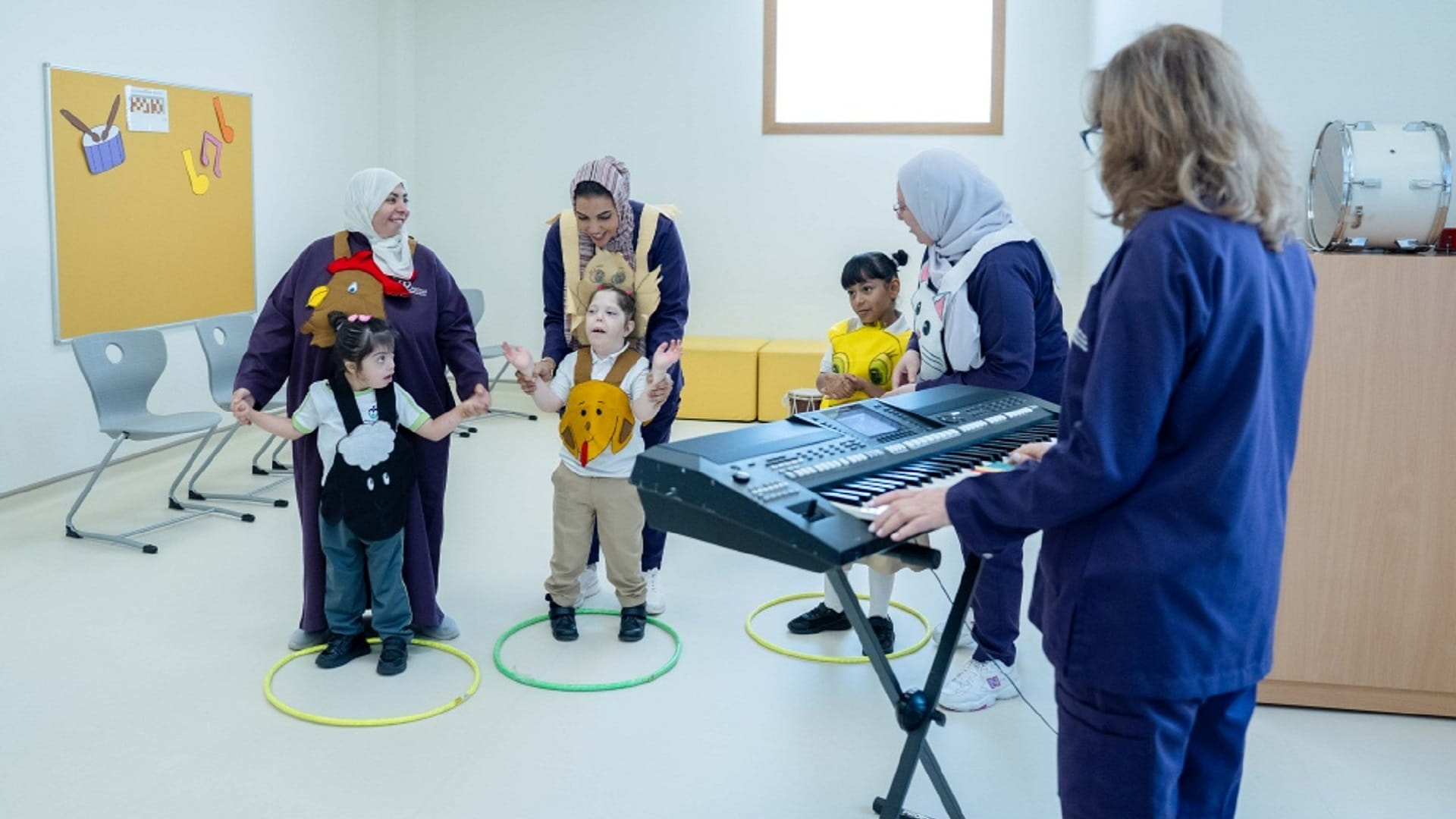
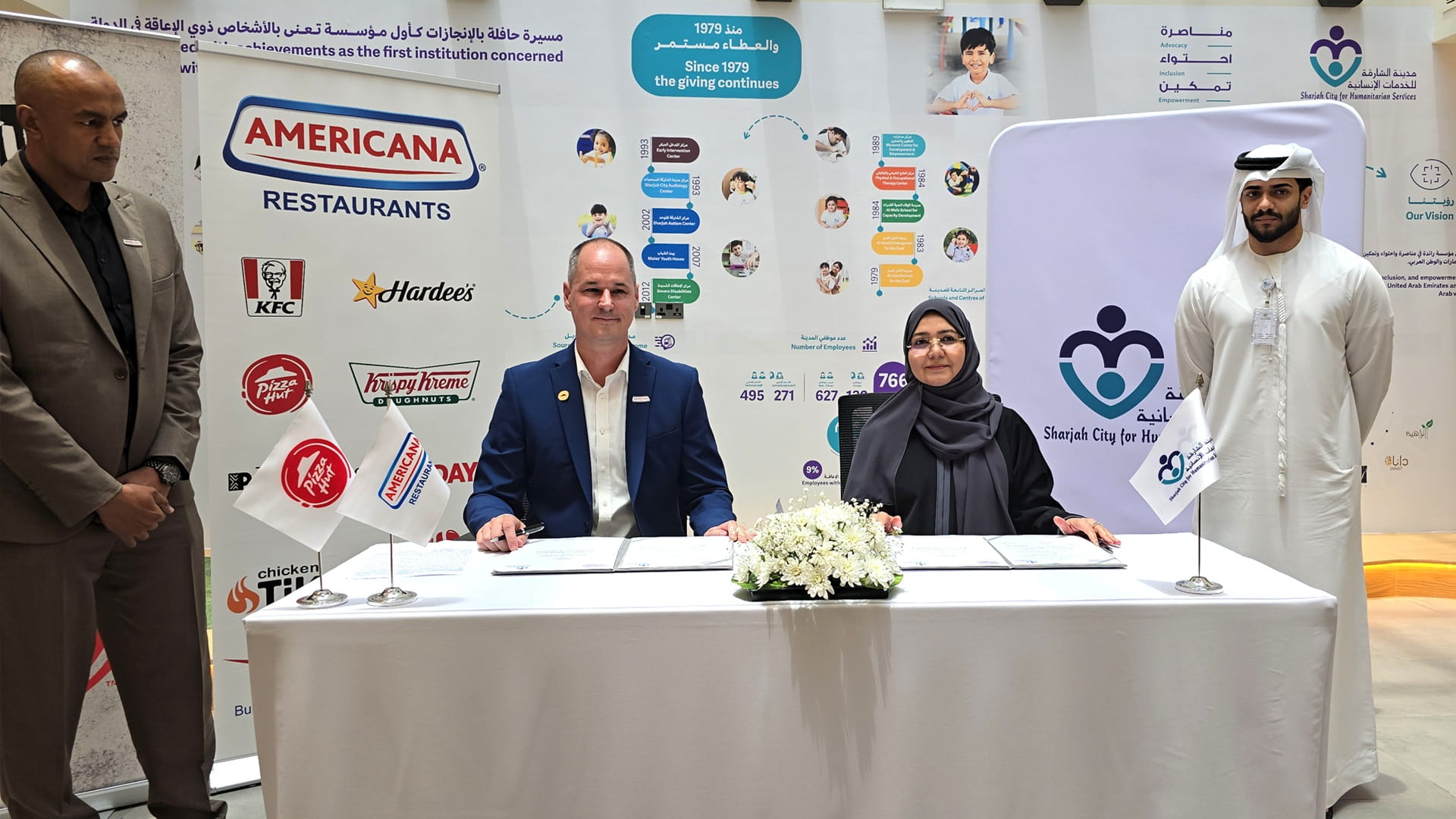
Across its centres, the numbers tell their own story. The Early Intervention Centre served 253 students this year and more than 4,200 since it opened, running 8,285 specialist sessions in the current phase. The Sharjah Autism Centre supported 136 students through 6,005 therapy sessions, with 17 students completing transitional pathways. Al Wafaa School for Capacity Development served 320 students, including 134 self-advocates across 39 training sessions. Al Amal School and Kindergarten for the Deaf supported 72 students across all stages, with 118 secondary-school graduates across 15 cohorts since 2006, and 200 educational resources translated into sign language. The Masarat Centre for Development and Empowerment served 142 students, including 73 BTEC graduates and 24 beneficiaries of its independent-living programme, with 17 hearing-impaired graduates placed in jobs through a partnership with Americana.
The Physical and Occupational Therapy Centre delivered 9,630 therapy sessions to 303 people, plus 427 assessments and reassessments and 1,200 classroom-screening services. The Assistive Technology Centre assessed 223 beneficiaries and trained 139, engaged 63 students in a robotics and AI competition, and supplied 11 robotics units to centres and branches; 26 students benefited from assistive devices, alongside flight- and shopping-simulation initiatives and an ergonomics programme adapting workplaces for staff with disabilities. The Sharjah Audiology Centre served 447 people, delivering more than 930 hearing-related services with an 89 per cent satisfaction rate.
Art at the City has become a tool of expression and empowerment rather than a side activity. The Art for All Centre now counts 66 members, including 24 visual artists, 18 actors, 14 mime performers and 10 musicians, and staged eight exhibitions showing 166 paintings and 88 smaller works, plus three theatrical productions, including "My Brother", involving 42 participants. On the research side, a 16-strong multidisciplinary team has supported more than 80 studies, completing six in partnership with universities and ten independently, with three papers published and five more in the final stages of publication.
Social support remains central to the city's work: 478 students were approved for Zakat-funded support under Sharia-compliant channels, totalling AED 11,508,300. The Social Services Department logged 1,001 new cases, handled hundreds of family enquiries and requests, and made 954 support calls as part of its counselling, awareness and financial-support programmes — work aimed at protecting continuity of education and rehabilitation as much as meeting immediate need.
The city also invested in staff wellbeing, running a Harmony Day event for 300 employees and a wellbeing retreat for 17 staff, alongside partnership discounts and benefits with external organisations. A total of 437 employees were recognised for their contributions during the year, and 207 received gift vouchers through partnerships with hotels and other organisations.
The welcome event closed with a series of interactive segments, including a video capturing new staff members' first days on the job, a mobile-based icebreaker game with live results displayed on screen, and a rendition of the city's anthem performed by managers and staff — a closing note reflecting the shared commitment to the city's mission and values.

 For an optimal experience, please
rotate your device to portrait mode.