Loading...
Loading...


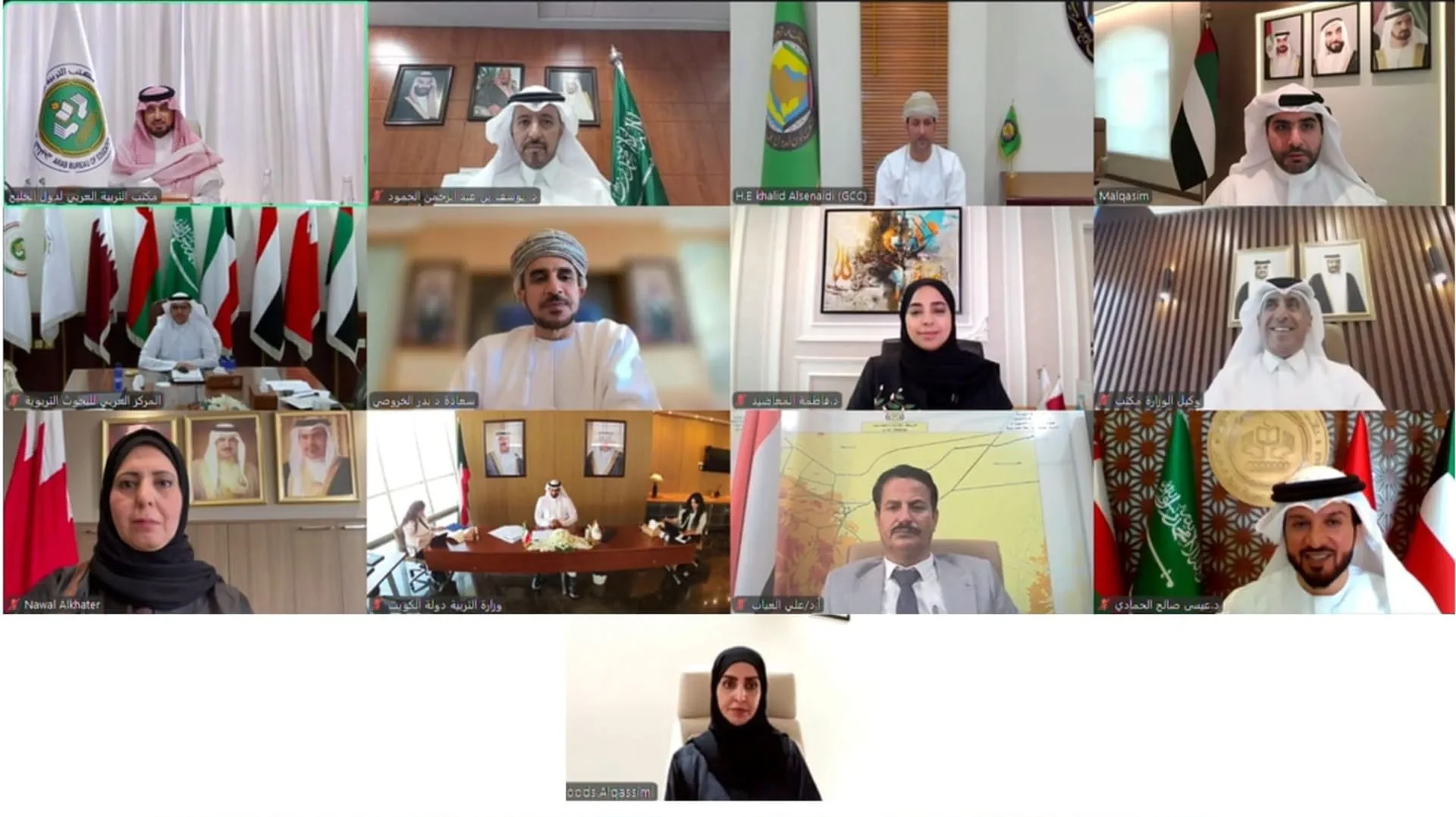
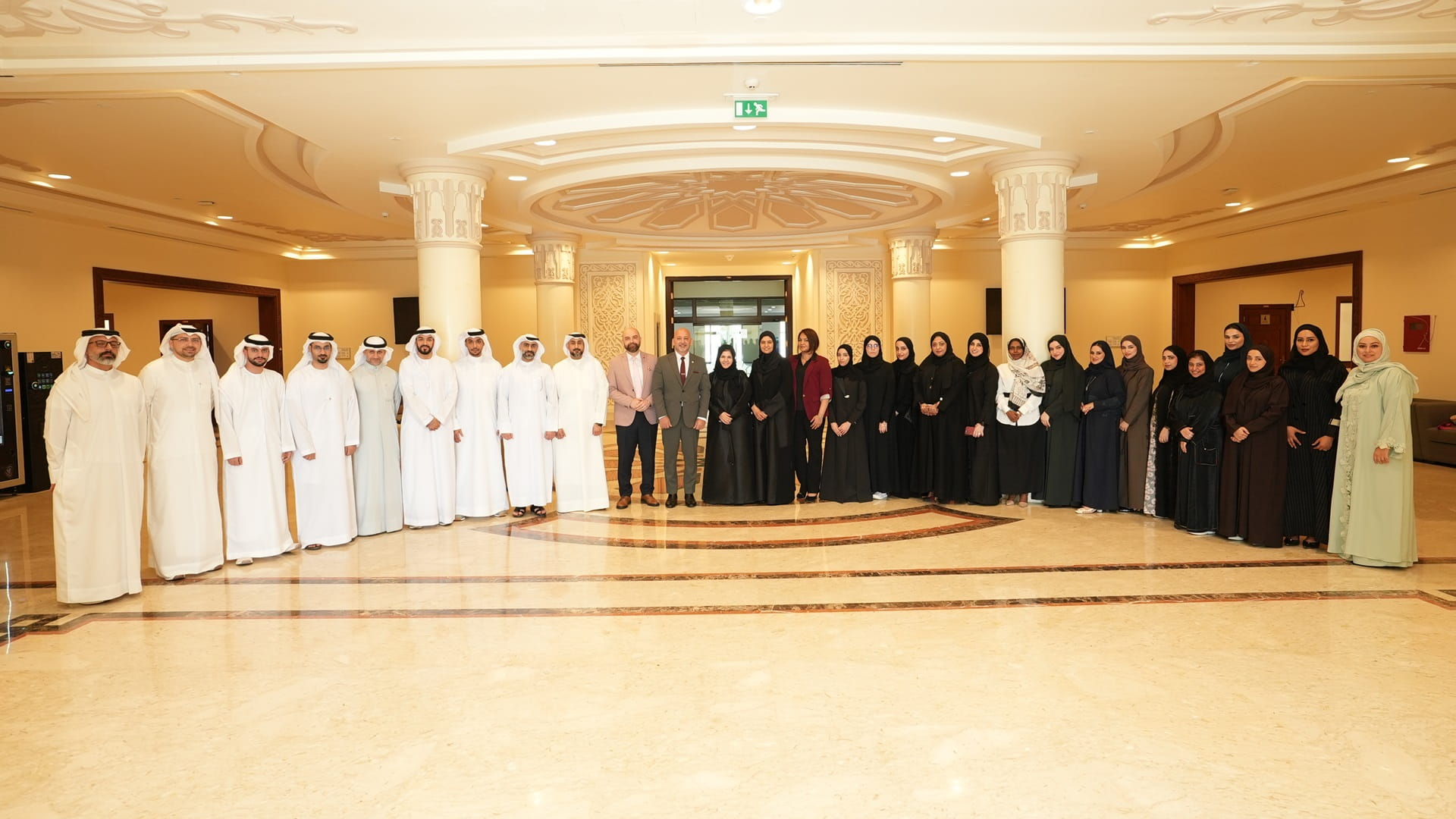
The meeting brought together undersecretaries of the Gulf education ministries, Dr Mohammed bin Saud Al Muqbel, Director-General of ABEGS, directors of the bureau's affiliated centres – the Arab Educational Research Centre in Kuwait, the Arab Centre for Educational Training in Doha and the Gulf Centre for Arabic Language in Sharjah – as well as a representative of the GCC General Secretariat.
At the outset of the meeting, Al Qasim highlighted the importance of preparing education systems for future transformations, saying that educational institutions must look beyond existing programmes and invest in opportunities created by technological advances and artificial intelligence (AI) to equip future generations with the knowledge, skills and values needed to contribute to national development and assist their country in building a bright future filled with progress and prosperity .
Khalid Ali Al Sunaidi, Assistant Secretary-General for Economic and Development Affairs at the GCC General Secretariat, highlighted the bureau's role in strengthening Gulf educational integration, describing its strategy as an ambitious framework for advancing cooperation among member states.
Dr Al Muqbel reviewed the bureau's achievements in supporting joint Gulf educational initiatives, attributing its progress to the continued backing of GCC leaders and education ministers.
The meeting's accompanying scientific programme included workshops on shadow education, examining the educational, social and economic dimensions of private tutoring, and on the benefits and challenges of artificial intelligence in education.
Qatar's Ministry of Education and Higher Education also presented its inclusive education system for students with disabilities under the theme "Energies that Create Achievement, Capabilities that Shape the Future."
During the meeting, Dr Issa Saleh Al Hammadi, Director of the Gulf Centre for Arabic Language, outlined the centre's latest achievements, highlighting the International and Regional Arabic Language Testing Framework as a strategic project to establish a comprehensive scientific system for measuring Arabic language proficiency in line with international standards.
Al Hammadi sated that the framework aims to unify assessment standards, improve the quality of Arabic language education and provide reliable evaluation tools for educational institutions within and beyond the Gulf region.
The framework comprises three volumes covering the field study, proficiency standards, test specifications and preparation guide, as well as international Arabic language proficiency tests.
Al Hammadi affirmed that the project is based on rigorous scientific foundations and includes language proficiency standards, task design criteria and detailed testing guidelines, supporting the development of accurate language assessments in line with international best practices.
He added that the initiative reflects the centre's commitment to advancing Arabic language education, improving assessment tools and supporting the Arab Bureau of Education for the Gulf States' mission to strengthen educational cooperation while preserving Arabic as a cornerstone of Arab identity and culture.

 For an optimal experience, please
rotate your device to portrait mode.