Loading...
Loading...


The visit formed part of a cultural and humanitarian initiative designed to strengthen the role of books in the lives of children living in humanitarian settings, while using reading, art and creative activities to support learning, self-expression and social engagement.
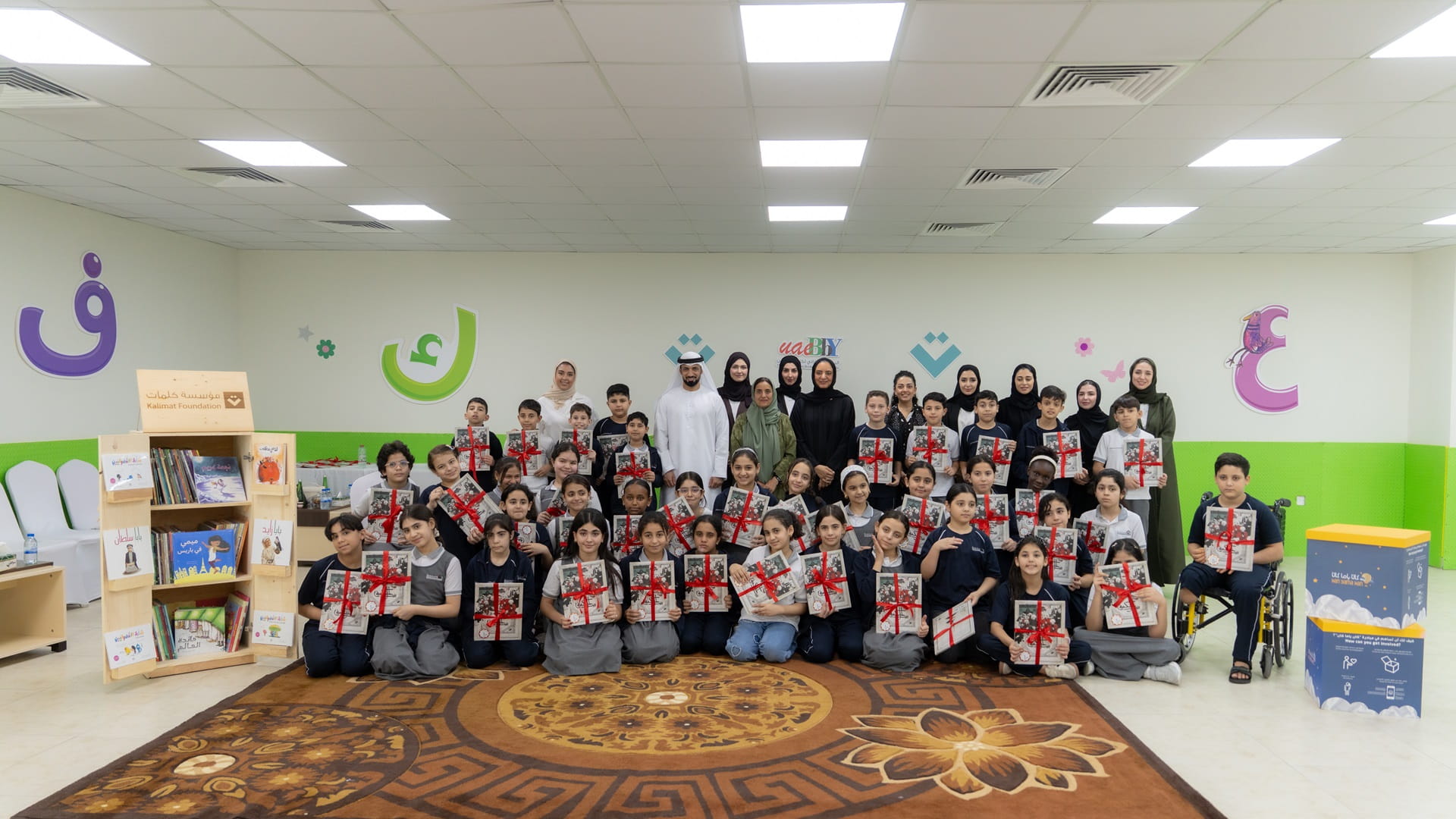
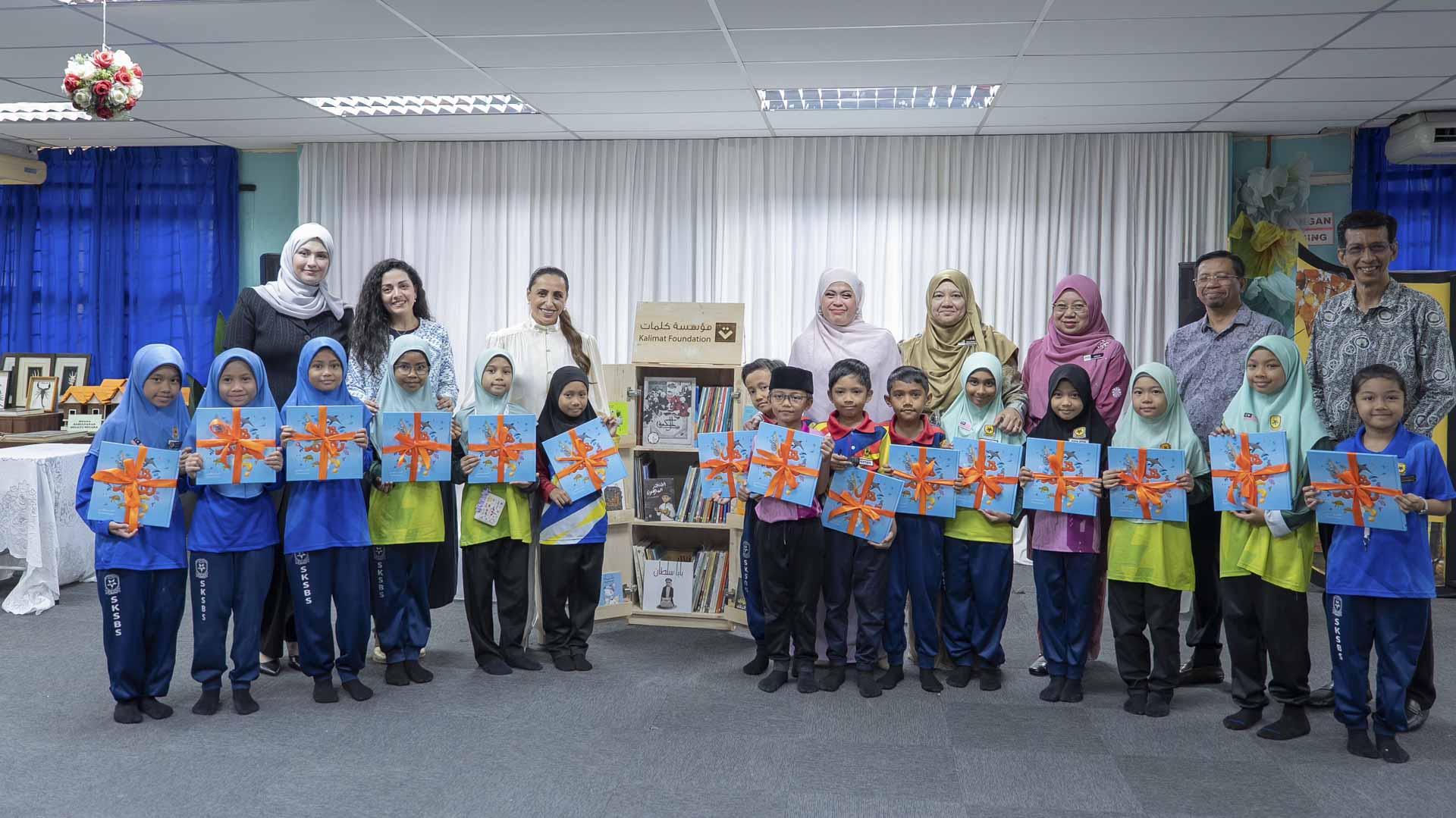
During the visit, Kalimat Foundation gifted a portable library containing 100 books through its “Pledge a Library” initiative. The Foundation also distributed 50 copies of House of Wisdom, to children participating in the programme.
This marked Kalimat Foundation’s second contribution to children at Emirates Humanitarian City, following an earlier contribution of 400 books. Together, the contributions have expanded access to educational and cultural resources while creating further opportunities for inspiration, interaction and creativity.
UAEBBY also contributed 200 books through its “Kan Yama Kan” initiative, reflecting a shared commitment to bringing books closer to children across different communities and circumstances.
The visit included an interactive cultural programme combining reading, art and creative expression. The activities demonstrated how books can enrich children’s experiences, broaden their knowledge and strengthen their sense of stability and belonging, adding a valuable cultural dimension to the comprehensive environment provided by Emirates Humanitarian City for resident children and families.
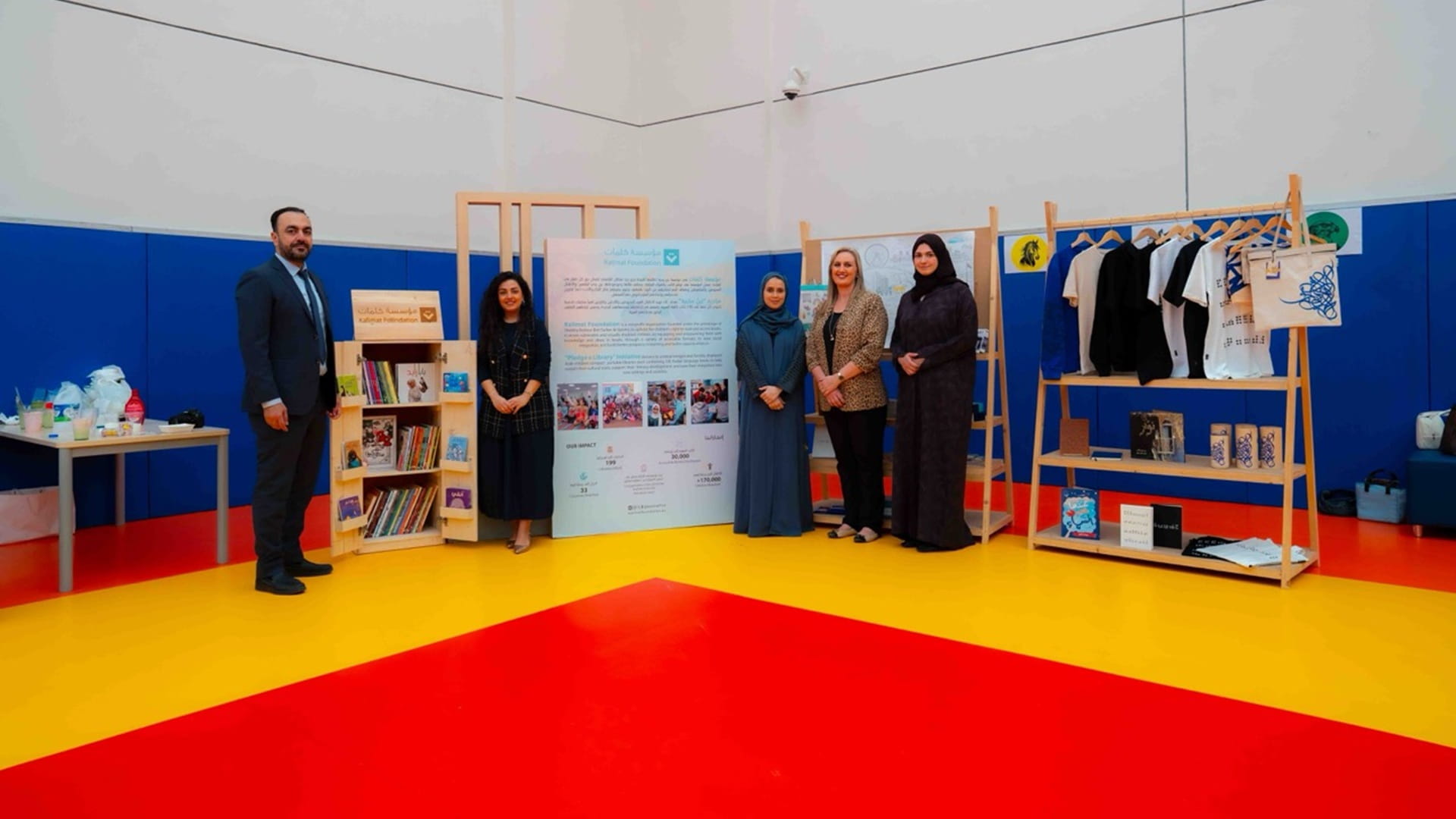
The visiting delegation included Marwa Al Aqroubi, President of the UAE Board on Books for Young People (UAEBBY); Esraa Al Mulla, a member of UAEBBY’s Advisory Council; and representatives of Kalimat Foundation.
The visit also featured a tour of the school and several community facilities, where the delegation was briefed on the educational and humanitarian services available to children and families, as well as the City’s efforts to provide an integrated environment that responds to their educational, social and humanitarian needs.
The visit featured an interactive cultural programme attended by 50 children between the ages of six and 10.
The programme included a reading of Grandfather’s Tarboosh, presented by Noor Al Louh from UAEBBY, followed by “The Magical Tarboosh”, an activity encouraging children to use their imagination and create stories of their own.
The children also took part in a creative workshop, designing photo frames inspired by the story’s setting and characters.
By combining listening, participation and visual expression, the programme transformed the book from reading material into a space for play, imagination and interaction. It also encouraged children to participate in group activities that foster joy, confidence and communication.
Sheikha Lubna Al Qasimi, Vice Chairperson of the Board of Trustees of Kalimat Foundation, said: “The relationship between reading and knowledge on the one hand, and humanitarian action on the other, has evolved significantly over recent decades. While humanitarian efforts once focused primarily on meeting essential needs, the global understanding of human development has expanded to include building capabilities, widening opportunities and improving quality of life.”
She added: “As global awareness grows around the role of knowledge and culture in advancing human development, this approach must be strengthened through meaningful partnerships that bring different institutions together around a shared vision for people and their future. Today’s challenges are too interconnected for any single organisation to address alone. Collaborative action allows us to expand our impact and turn individual initiatives into sustainable pathways capable of creating lasting change.”
Marwa Al Aqroubi, President of UAEBBY, said: “Stories may not be able to change the circumstances children are living through, but they can offer a sense of safety and help them imagine a brighter future. A book opens a window onto new worlds and gives children the opportunity to learn, express themselves and discover who they are.”
She added: “Through the ‘Kan Yama Kan’ initiative, we work to deliver books to children who face barriers in accessing learning resources. We believe that knowledge is the right of every child and that a story can serve as a bridge connecting children to the wider world while giving them confidence and hope.”
The visit highlighted the role partnerships between cultural and humanitarian institutions can play in extending the reach and impact of programmes for children.
By integrating culture into humanitarian action, such partnerships can transform books into effective tools for supporting learning, building confidence and strengthening hope.
The initiative reflects the belief that children’s needs extend beyond essential care and services to include their right to knowledge, imagination and creative expression.

 For an optimal experience, please
rotate your device to portrait mode.