Loading...
Loading...


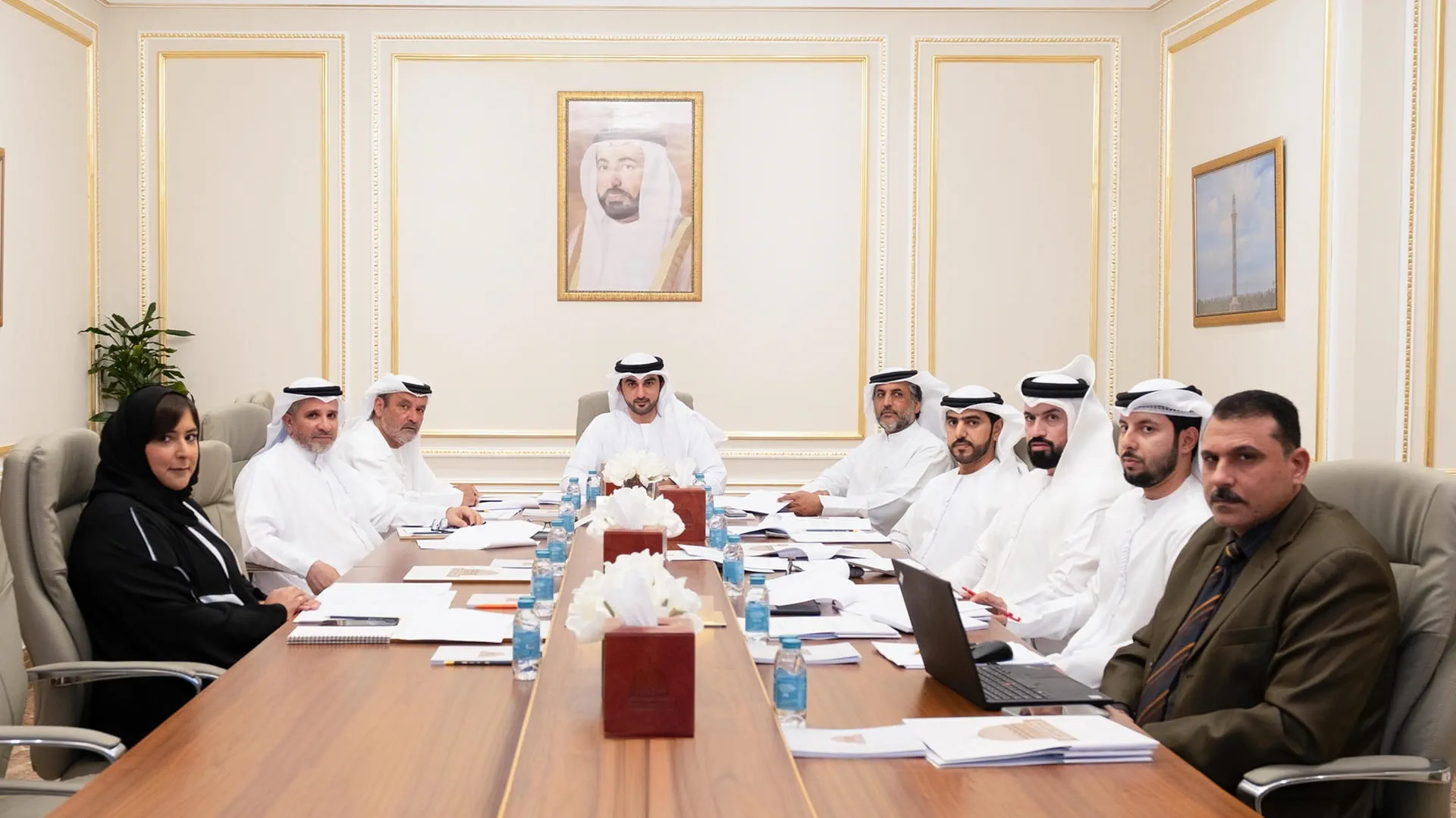
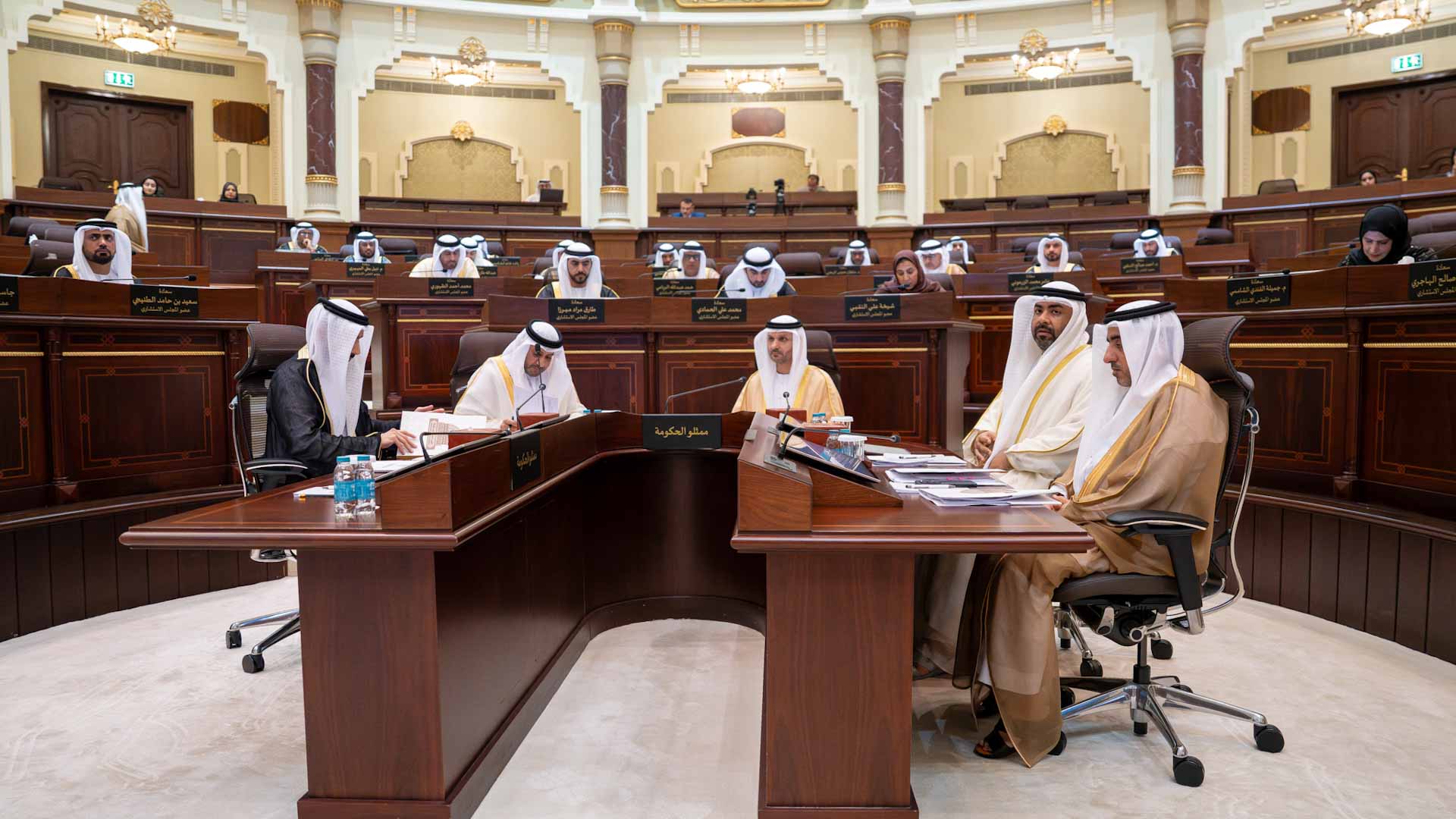
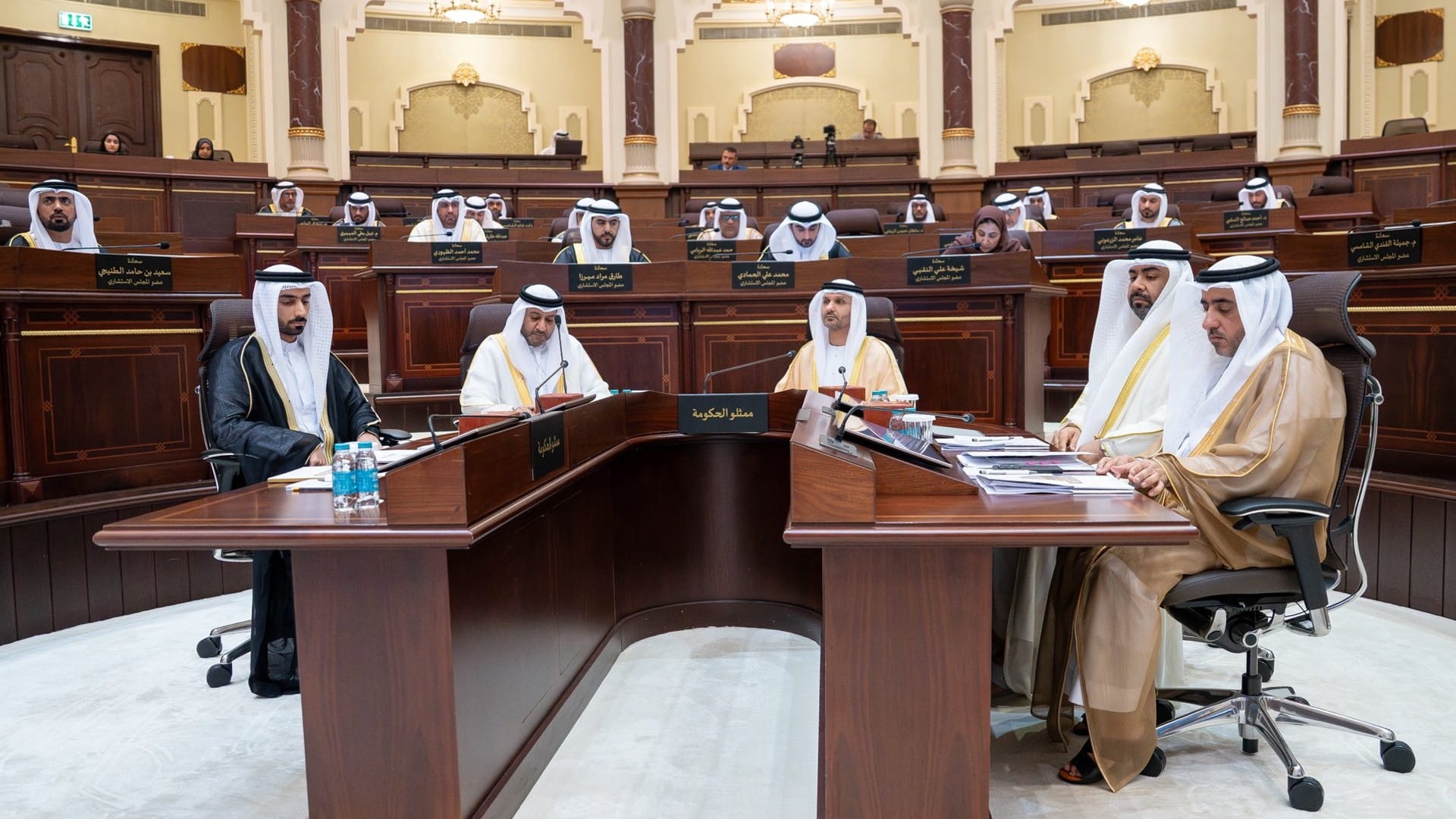
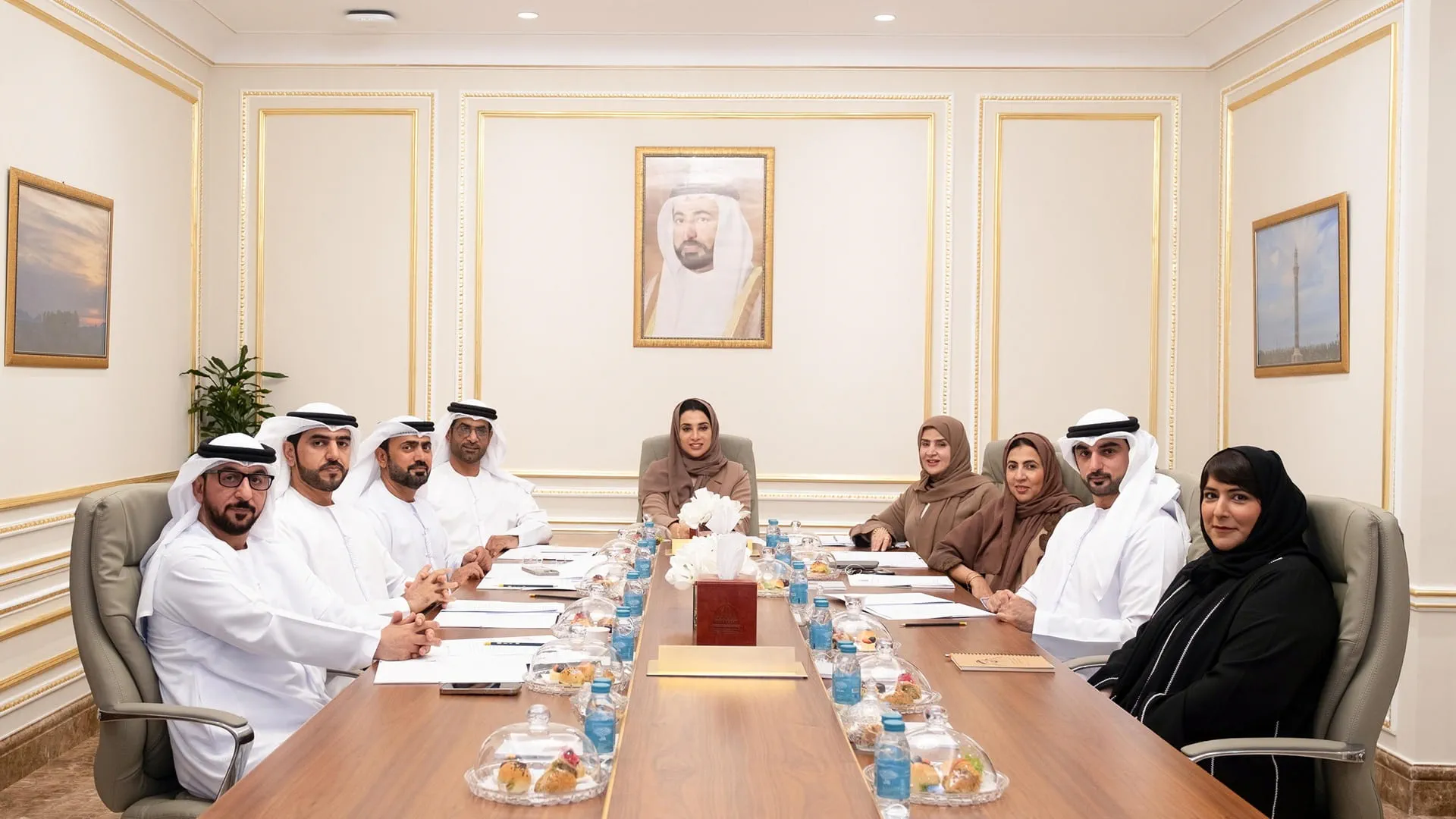
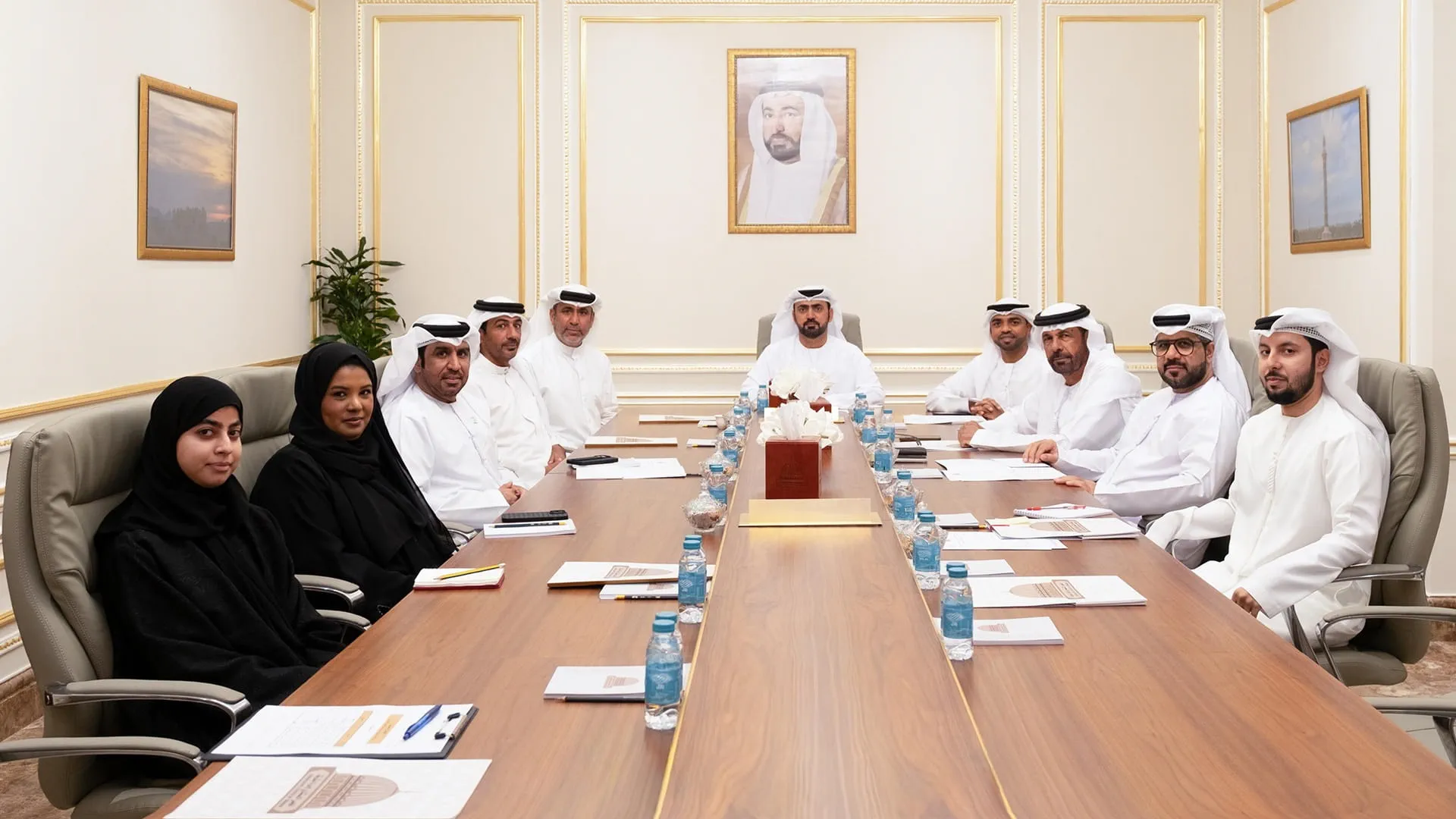
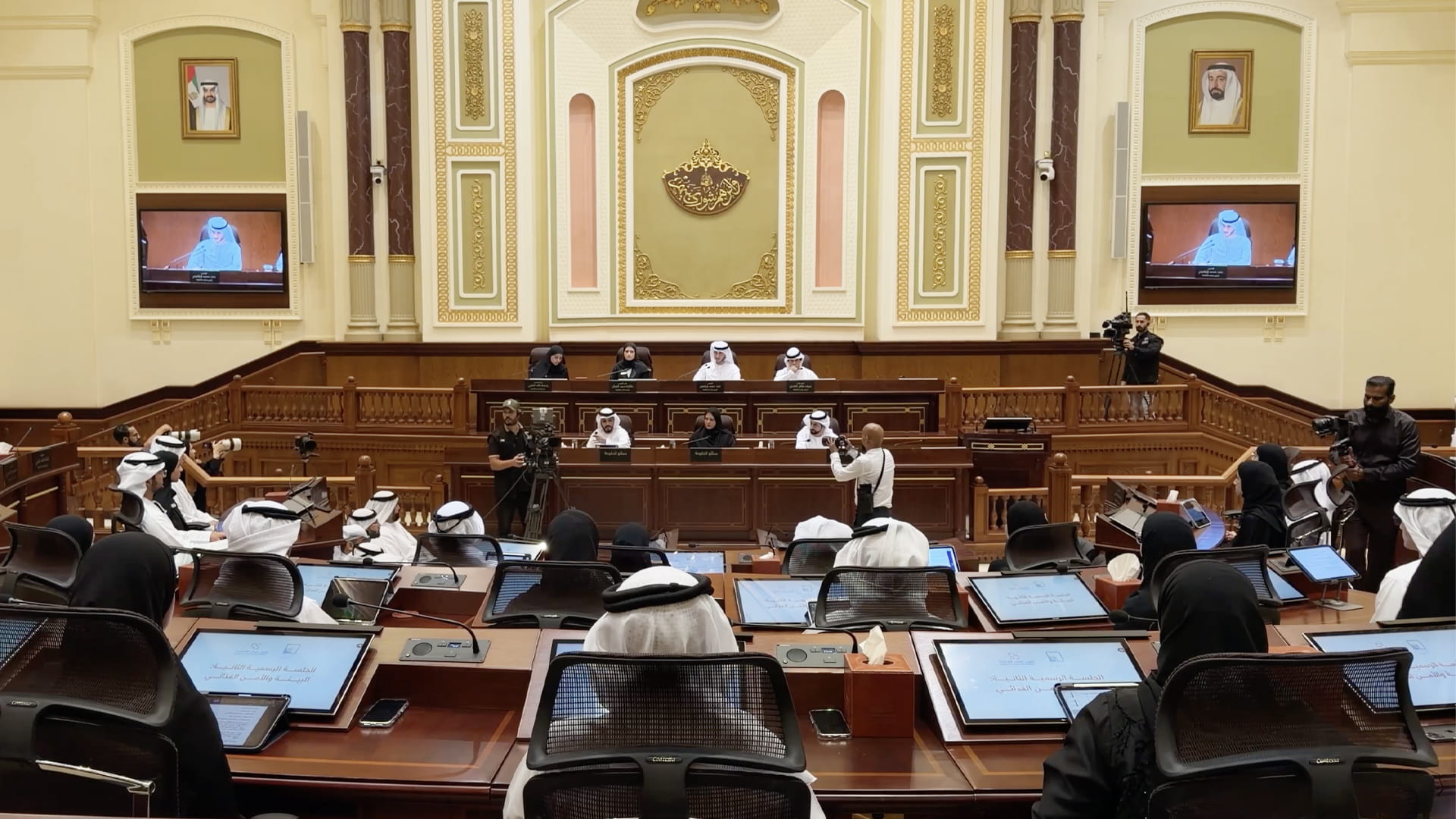
The meeting was held at the Council’s headquarters in Sharjah city and was chaired by Mohammed Ali Al Hamadi, Chair of the Committee. Attendees included Obaid Ishaq Al Mazmi, Committee Rapporteur; Hamad Abdulwahab Al Qawadhi; Mohammed Saleh Al Ali; Rashid Saleh Al Hamadi; and Khalifa Mohammed Bou Ghanem, members of the committee. Also present were Tariq Murad Al Baloushi, Chair of the Financial, Economic and Industrial Affairs Committee of the Council; Maera Khalifa Al Muqarrab, Secretary-General of the Council; and from the General Secretariat, Abdullah Al Sufi, Othman Hamdi, and Samia Al Hamoudi.
The committee reviewed the various articles of the draft law and its strategic objectives. The importance of the legislation lies in regulating the practice of the expertise profession, which consists of specialised work carried out by an expert appointed by a judicial authority or by agreement between parties to provide technical opinions, either orally or in writing, on any matter assigned to them.
Discussions focused on key objectives of the draft law, foremost among them regulating the practice of this profession before judicial bodies to ensure the smooth functioning and integrity of justice. It also aims to support the judicial system with qualified and competent experts, contributing to the accuracy of judicial decisions and rulings, as well as improving the quality and efficiency of expert work in the emirate.
The committee examined in depth the provisions of the draft law relating to the obligations and responsibilities of experts, licensing conditions for practising judicial expertise, and expert rights including fees, expense allowances, and defined prohibitions.
The committee also reviewed provisions related to expert registers and organising committees, including conditions and procedures for listing practising experts in official registers, the work of the Expert Registration Acceptance Committee, conditions for registering non-citizen experts, and mechanisms for registering government employees. It also addressed requirements for registering local and international expertise firms.
The discussions further covered procedures for submitting registration applications, notifying applicants of committee decisions, available appeal mechanisms, and procedures for taking the legal oath after registration and before beginning official duties. The draft also includes the formation of a disciplinary council for experts and the adoption of a code of conduct and professional ethics to ensure proper and ethical practice.

 For an optimal experience, please
rotate your device to portrait mode.