Loading...
Loading...


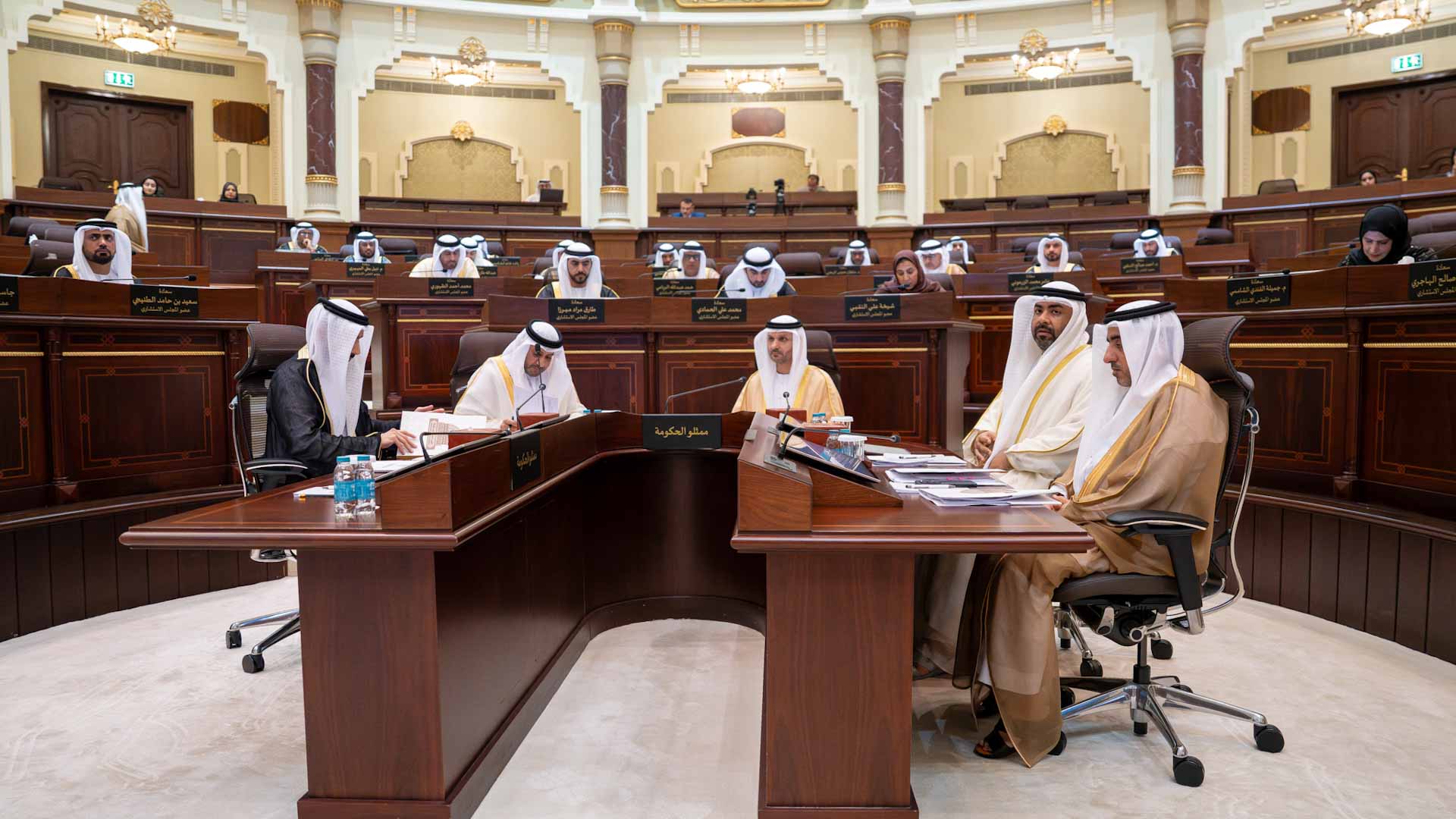
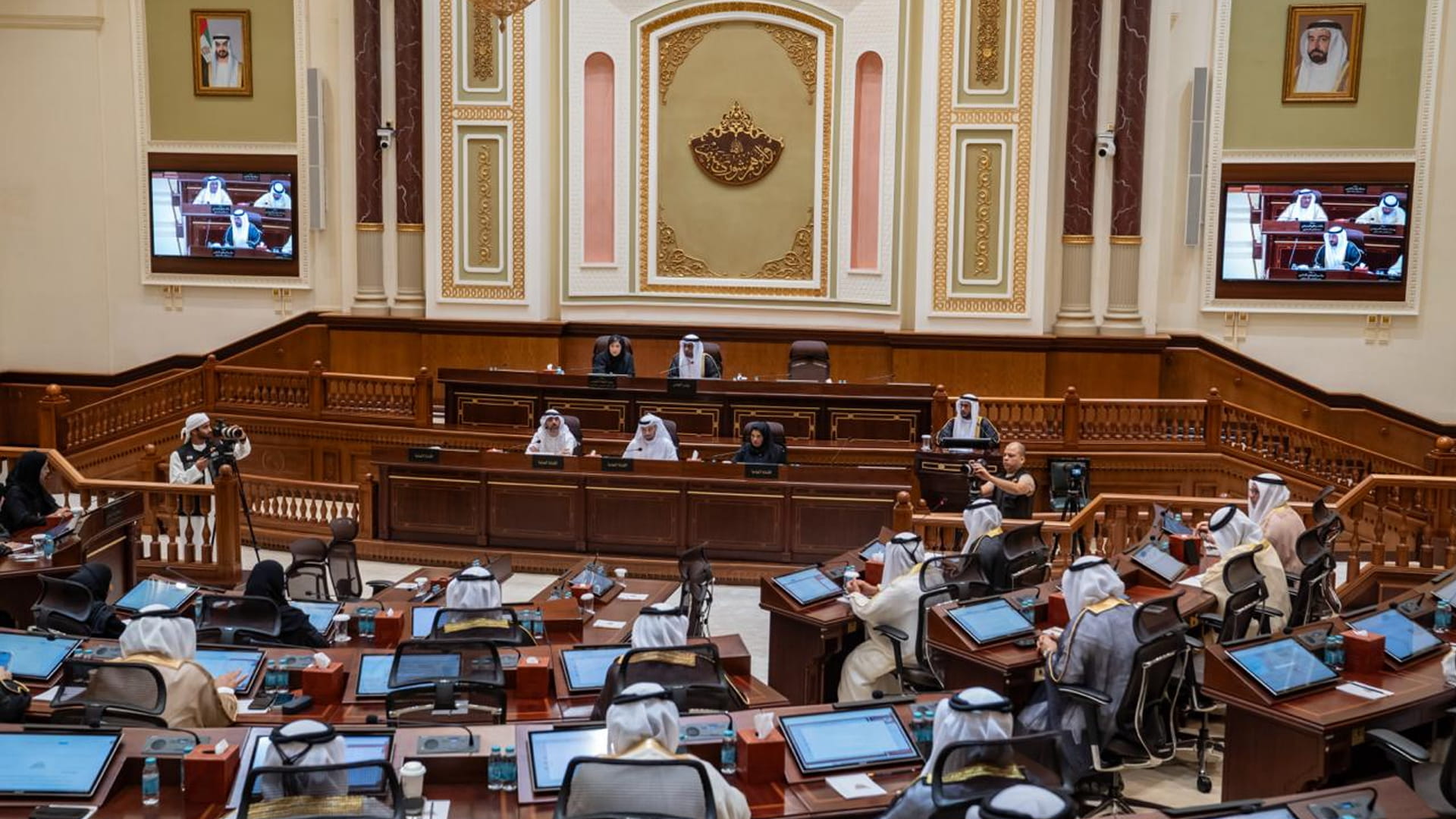
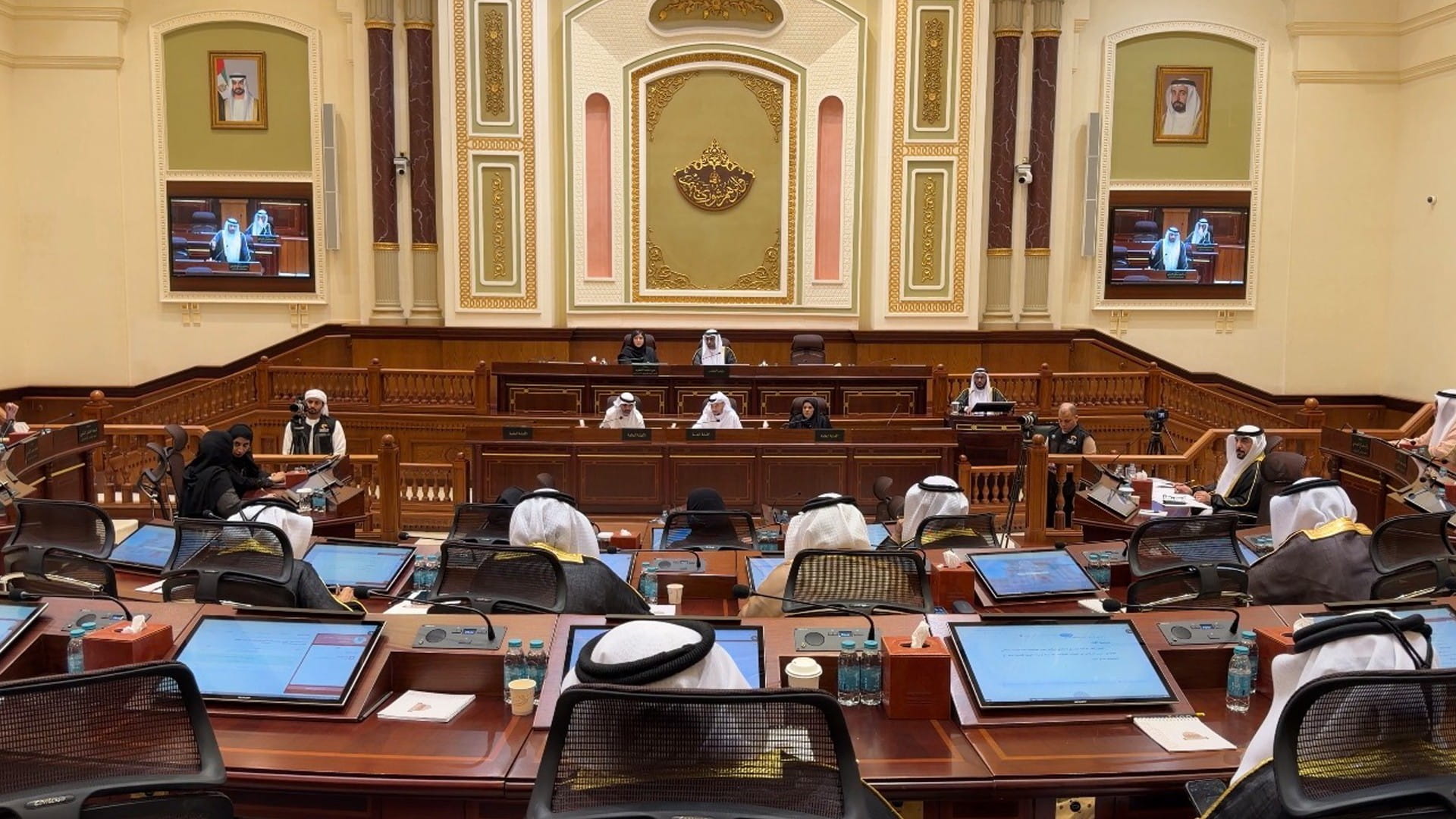
The session was chaired Halima Al Owais, Chairperson of the Sharjah Consultative Council. Members discussed the draft law alongside the report submitted by the Council's Legislative and Legal Affairs Committee.
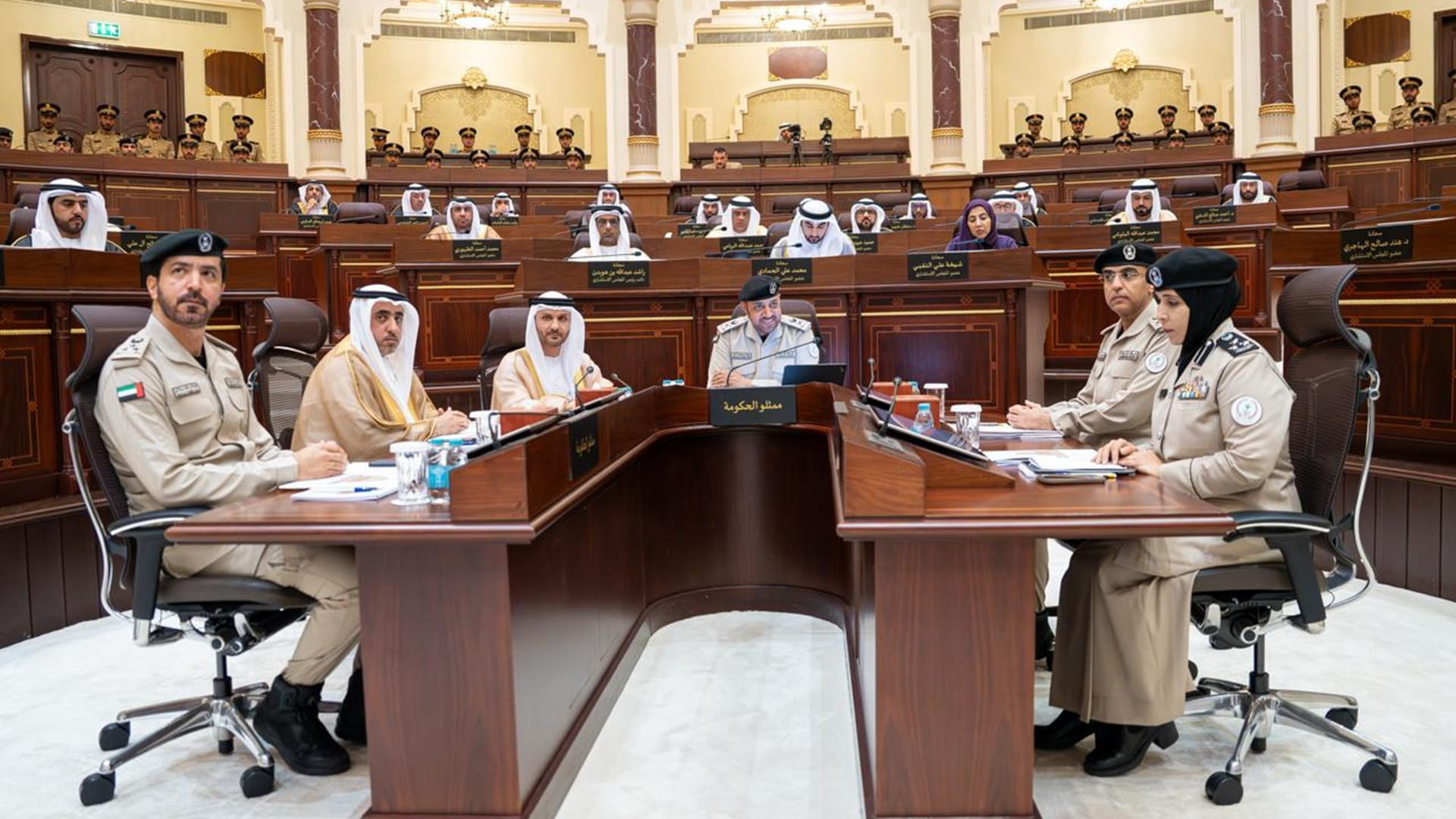
The session was attended by Advisor Dr. Mansour Mohammed bin Nassar, Member of the Executive Council and Head of the Sharjah Government Legal Department, accompanied by members of the department, as well as Sheikh Faisal bin Ali bin Abdullah Al Mualla, Secretary General of the Judicial Council .
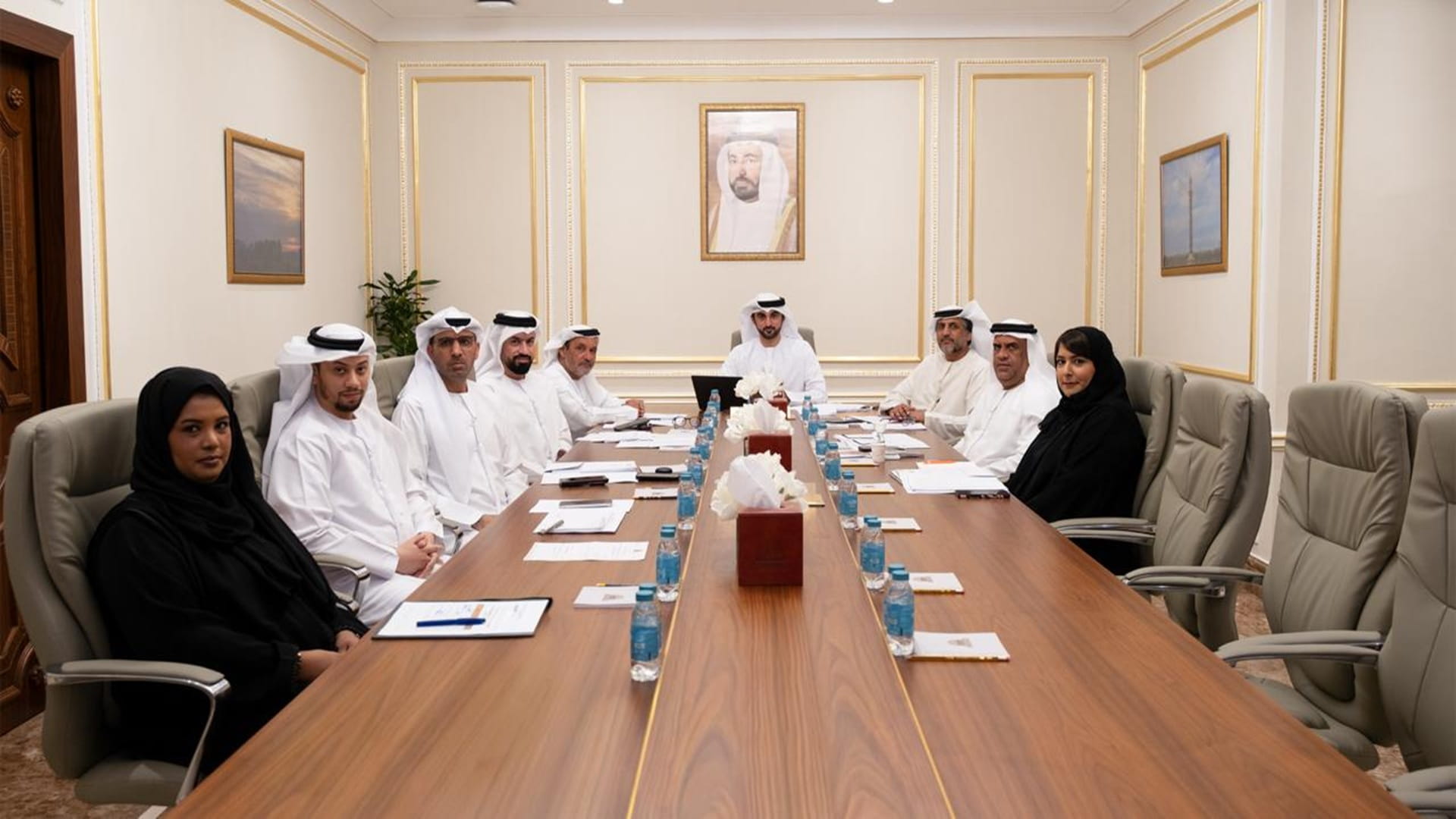
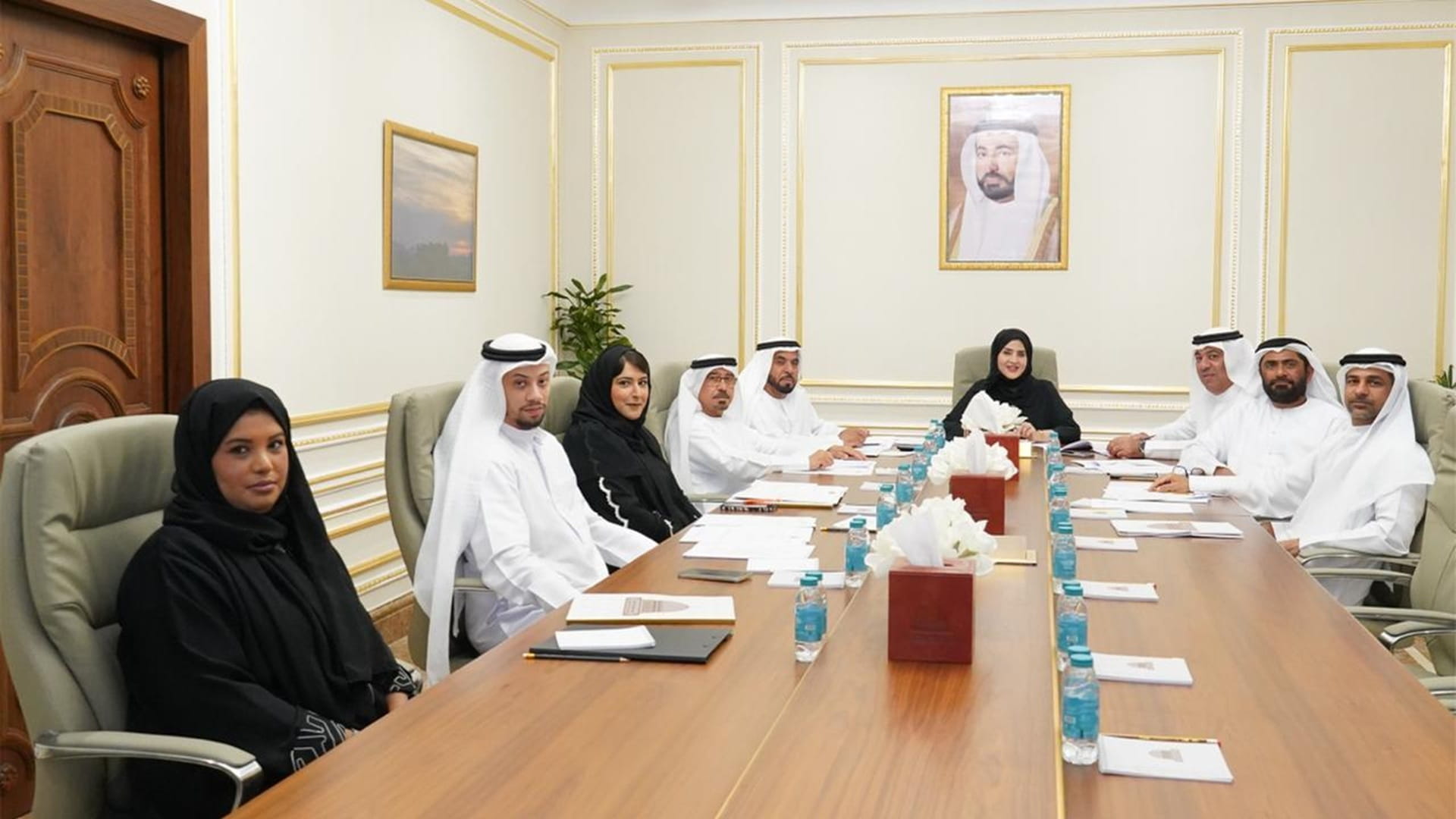
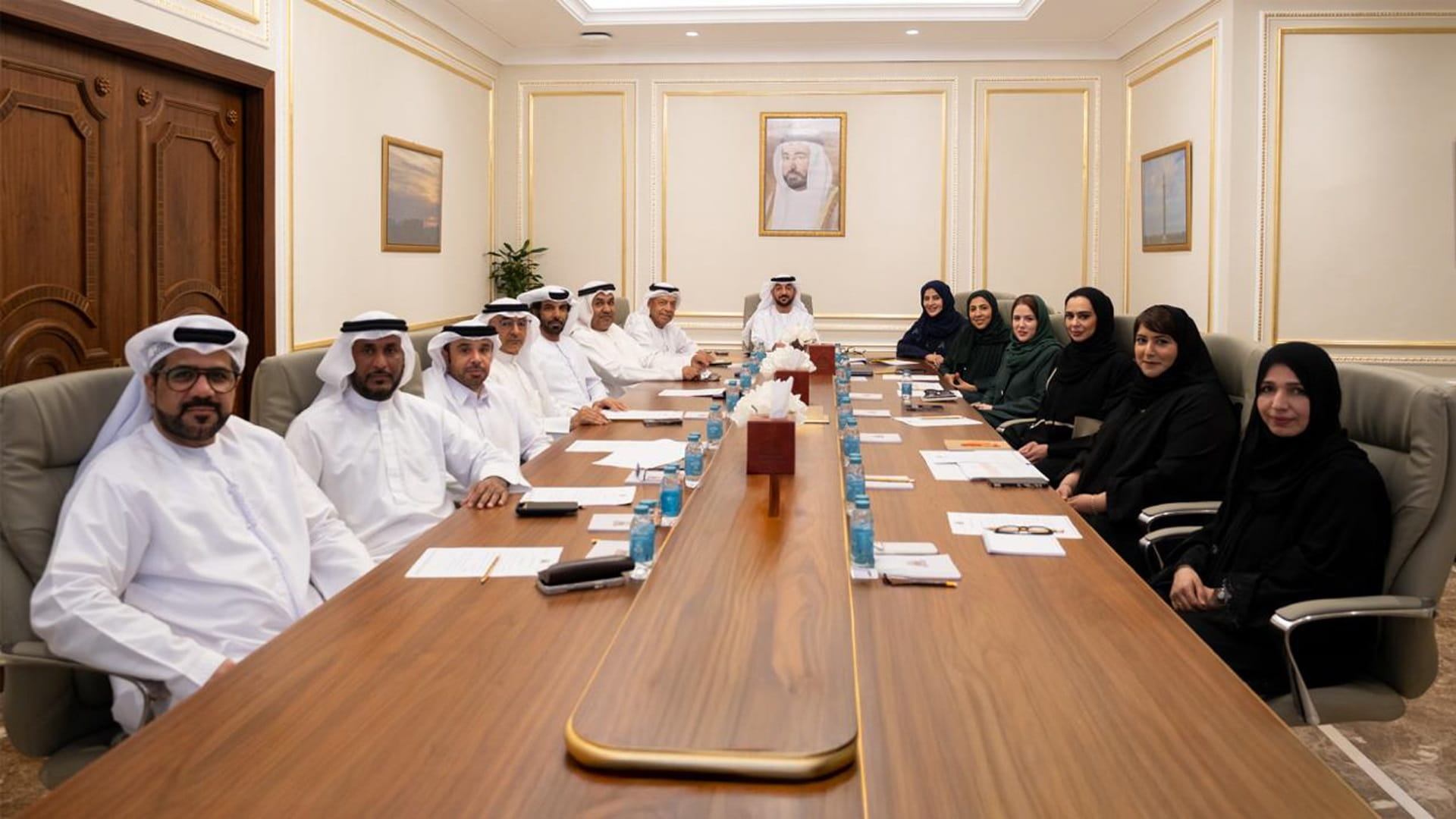
Mayra Khalifa Al Muqarrab, Secretary General of the Council, opened the discussion on the draft law by noting that on May 18, 2026, the Council received a letter from the General Secretariat of the Executive Council referring the draft law for 2026 concerning the regulation of the expert witness profession before judicial authorities in Sharjah. In accordance with Article 71 of the Internal Regulations, the Council approved during its seventeenth plenary session held on May 21, 2026, the referral of the draft law to the Legislative and Legal Affairs Committee for study and reporting. The Committee duly convened a meeting for this purpose.
The Council subsequently approved the discussion of the draft law in principle, pursuant to Article 74 of the Internal Regulations. Halima Hamid Al Owais indicated that, in line with established procedures for reviewing draft legislation, the Council would discuss the law article by article, noting observations on each, and ratifying each article either with the Committee's proposed amendments or retaining the original text as submitted by the Executive Council.
Obaid Ishaq Al Mazmi, Rapporteur of the Legislative and Legal Affairs Committee, then presented the draft law for 2026, reviewing its definitions, objectives, jurisdictions, and other legal provisions contained therein.
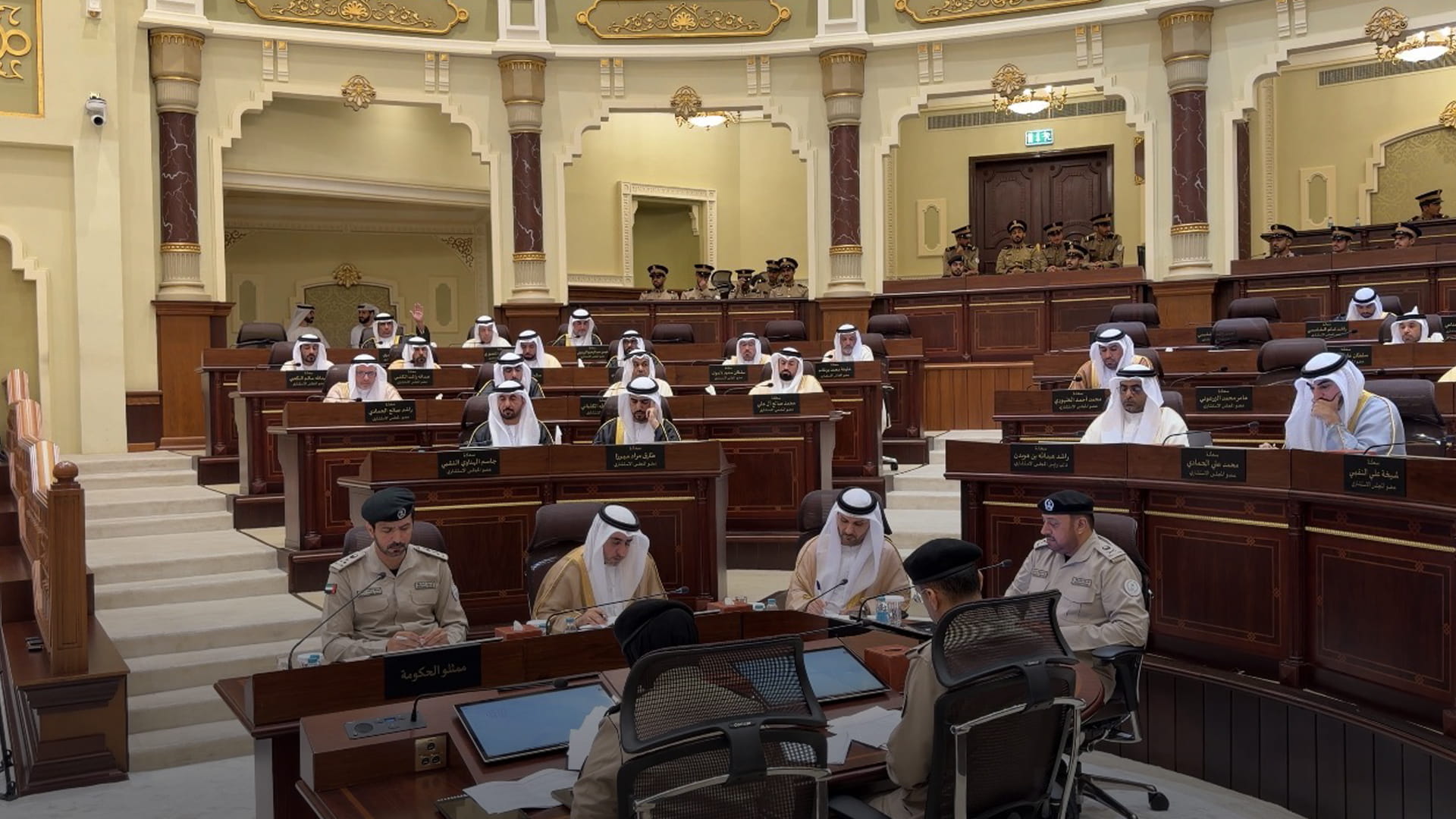
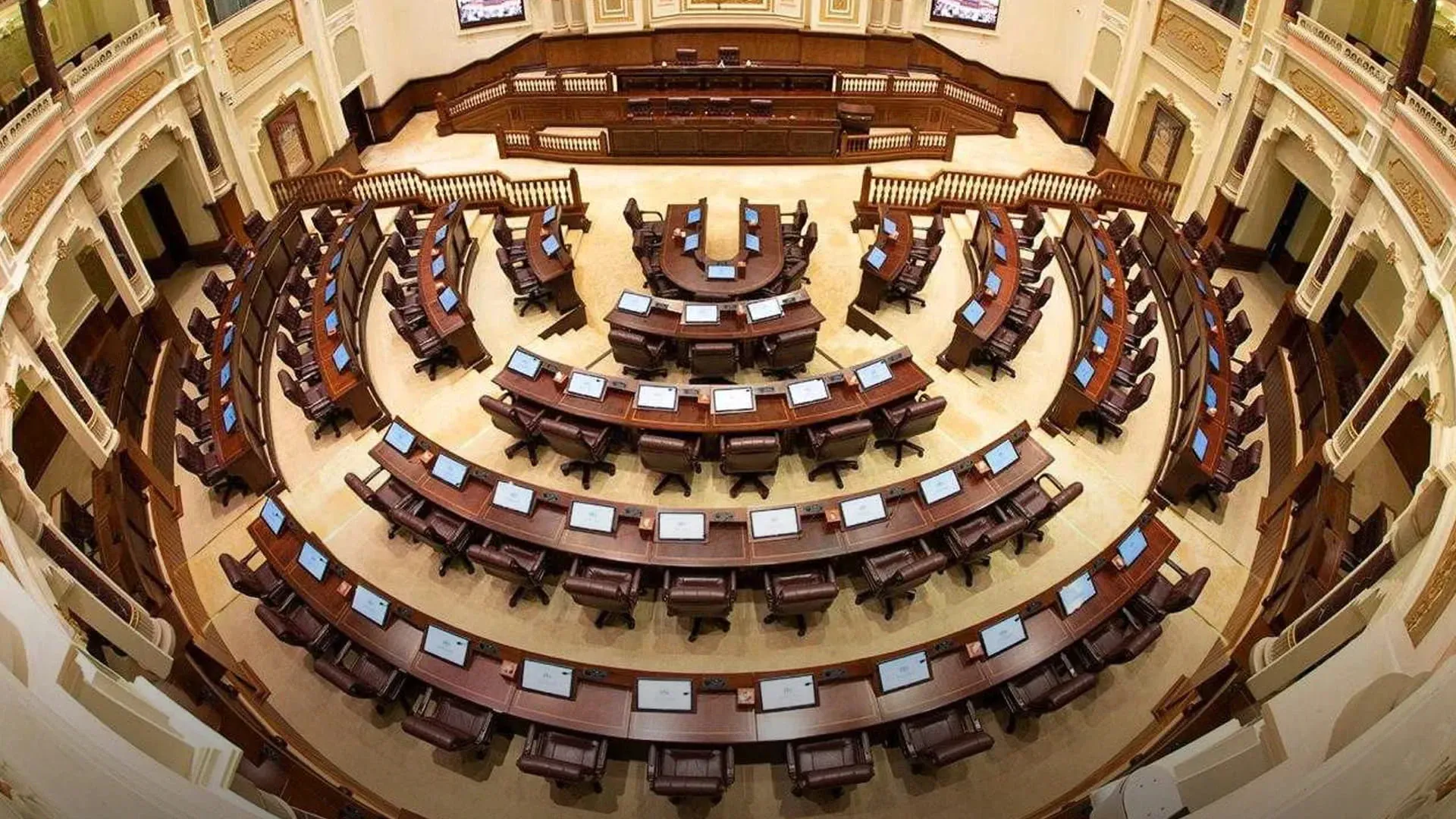
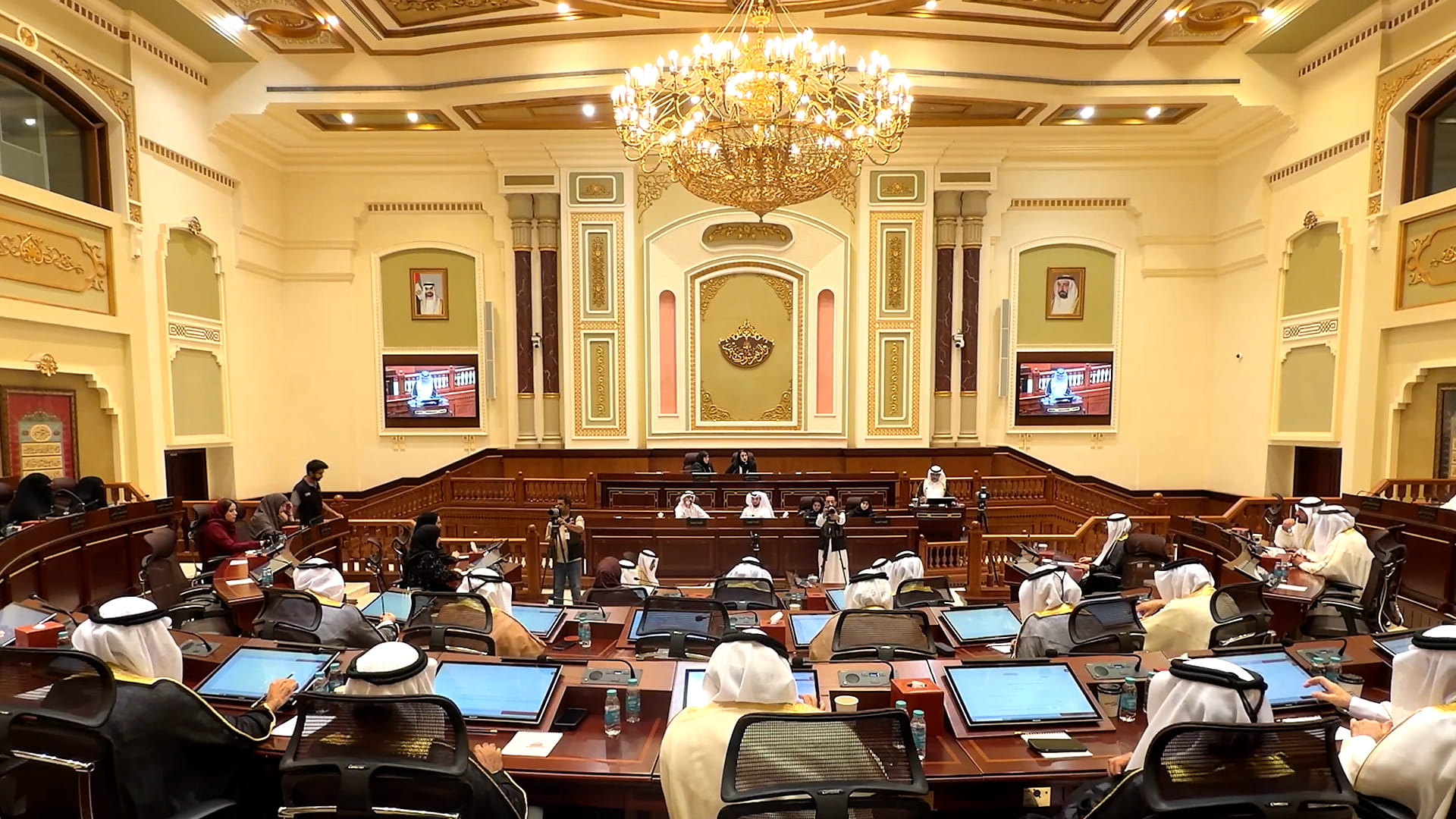
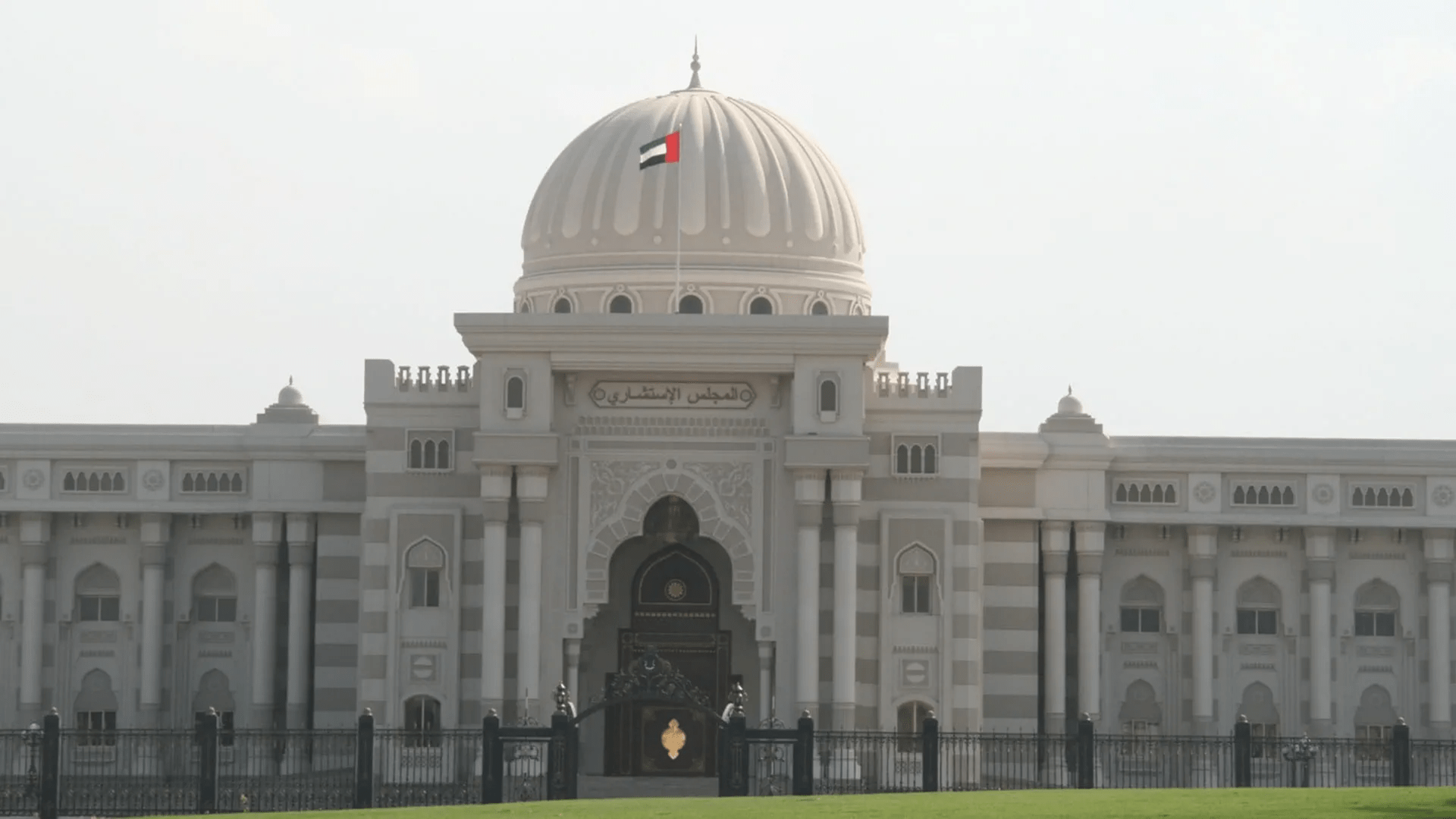
The parliamentary chamber of the Sharjah Consultative Council witnessed, during its eighteenth plenary session, extensive and notably in-depth deliberations by Council members on the articles of the draft law regulating the expert witness profession before judicial authorities. Members reviewed its strategic objectives and legislative significance, recognising expert witness work as a specialised profession upon which decisive technical opinions are built — delivered verbally or in writing pursuant to a judicial mandate or agreement between disputing parties.
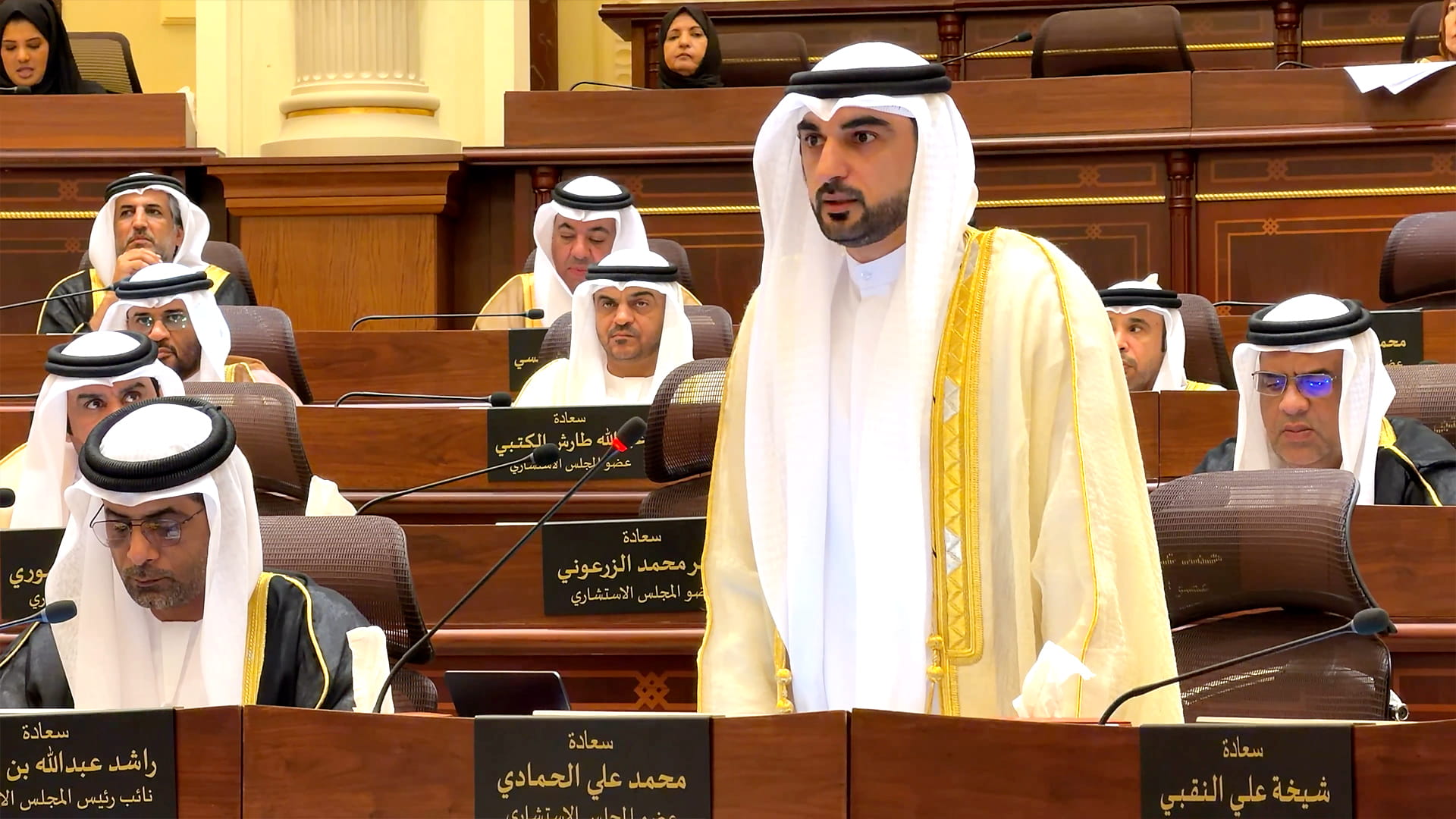
In a thoughtful parliamentary reading of the legislation's core objectives, members' interventions focused on how to support the judicial system with qualified and recognised experts, ensuring the integrity of the justice process and contributing to the accuracy of judicial rulings and decisions, while also elevating the standard of professional practice among those working in this field across the emirate.
Through careful and detailed examination of the legal instrument, members thoroughly reviewed the conditions and procedures governing the registration of expert witnesses, available grievance mechanisms, the formation of the Expert Accountability Council, and the adoption of a professional code of conduct and ethics to ensure sound ethical practice.
Discussions also covered licensing requirements for practicing expert witness work, experts' entitlements including fees and expense allowances, and the details of registration schedules covering both national and non-national experts, as well as government employees. Members also examined requirements for registering local and international expert witness firms, alongside procedures for the legal oath administered to experts prior to commencing their official duties.
Members put forward a number of opinions and observations on the draft law's articles during their interventions, with government representatives responding to queries by clarifying the legal interpretation of the provisions and explaining the practical aspects of their implementation.
Following thorough deliberation, the Council approved the draft law for 2026 regulating the expert witness profession before judicial authorities in the Emirate of Sharjah during its eighteenth plenary session.
The session then moved into the closing ceremony of the third ordinary session of the eleventh legislative term of the Sharjah Consultative Council, which opened with a speech delivered by Halima Hamid Al Owais, President of the Council. In her address, she reflected on a legislative journey marked by dedication and achievement — noting that over nine months of sustained work, the Council successfully held eighteen plenary sessions that translated into a comprehensive parliamentary and legislative movement, resulting in the review and discussion of government department policies.
In her address, Halima Hamid Al Owais expressed the Consultative Council's deep appreciation for the leading role and continued support extended by the Executive Council of Sharjah, under the chairmanship of His Highness Sheikh Sultan bin Mohammed bin Sultan Al Qasimi, Crown Prince and Deputy Ruler of Sharjah, and for his constructive engagement with the Council's work. She extended sincere thanks and gratitude to His Highness Sheikh Abdullah bin Salem bin Sultan Al Qasimi, Deputy Ruler of Sharjah, Vice Chairman of the Sharjah Executive Council, and to His Highness Sheikh Sultan bin Ahmed bin Sultan Al Qasimi, Deputy Ruler of Sharjah, as well as to their brothers, the members of the Executive Council and its General Secretariat, foremost among them Asmaa Rashid bin Tulaie, Secretary General of the Executive Council.
She also expressed her appreciation to Sheikh Dr Salem bin Abdulrahman Al Qasimi, Chairman of the Ruler’s Office, and to all staff of the office, for their positive and constructive cooperation, which contributed to supporting and advancing the parliamentary work and strengthening coordination between the two councils.
The Council President went on to extend heartfelt thanks to all local government bodies and departments for their full responsiveness to the Council's proposals, visions, and recommendations, their continuous engagement, the warm reception extended to the Council's various committees during field visits and direct meetings, and for providing the statistics and data that enabled members to study issues with precision, objectivity, and comprehensiveness. She also commended the Sharjah Government Legal Department, led by Advisor Dr. Mansour Mohammed bin Nassar, Head of the Department, along with all its advisors and staff, for their active participation in the study and clarification of draft legislation.
On the media front, Al Owais specifically thanked the Sharjah Government Media Office, the Sharjah Broadcasting Authority, and the various media outlets — audio, print, and digital — as well as social media platforms, for their sustained and integrated efforts in covering the Council's national mission.
She extended a tribute of recognition and gratitude to the Bureau, the chairpersons and rapporteurs of the committees, the observers, and the honorable male and female members of the Council for the commendable and valued work accomplished. She also praised the exceptional role of the Council's General Secretariat, led by Mayra Khalifa Al Muqarrab, Secretary General of the Council, and all staff members for their loyal and dedicated support, wishing them continued success in the stages ahead. She concluded her remarks by inviting the Secretary General to read the decree dissolving the third ordinary session of the eleventh legislative term of the Sharjah Consultative Council.
Mayra Khalifa Al Muqarrab, Secretary General of the Consultative Council, then read Emiri Decree No. 24 of 2026 concerning the dissolution of the third ordinary session of the eleventh legislative term of the Sharjah Consultative Council, issued by His Highness Sheikh Dr Sultan bin Mohammed Al Qasimi, Supreme Council Member and Ruler of Sharjah. The decree was issued with reference to Law No. 2 of 1999 concerning the establishment of the Executive Council and its internal regulations and amendments, Law No. 3 of 1999 concerning the establishment of the Consultative Council and its internal regulations and amendments, as well as Emiri Decree No. 59 of 2024 convening the Consultative Council for the third ordinary session of the eleventh legislative term.
Article One of the decree stipulated that the third ordinary session of the eleventh legislative term of the Sharjah Consultative Council shall be dissolved upon the conclusion of the agenda of the session held on Thursday, the 25th of Dhul Hijja 1447 AH, corresponding to June 11, 2026. Article Two stipulated that the Chairperson of the Consultative Council shall implement this decree. The decree was issued on Wednesday, the 3rd of Dhul Hijja 1447 AH, corresponding to May 20, 2026, and bears the signature of His Highness the Ruler of the Emirate of Sharjah.

 For an optimal experience, please
rotate your device to portrait mode.