Loading...
Loading...


Four-time world champions Germany enter the 2026 FIFA World Cup determined to end a run of poor performances that saw them exit at the group stage in both 2018 and 2022.
Since Mario Götze’s extra-time winner in the 2014 World Cup final at the Maracanã Stadium, Germany—one of the tournament’s most successful nations—has endured a difficult period on football’s biggest stage.
Their title defence in Russia in 2018 ended with a last-place finish in their group, while a similar disappointment followed in Qatar four years later with another first-round exit.
Since lifting the trophy in Rio de Janeiro, Germany have managed just two World Cup victories, against Sweden and Costa Rica.
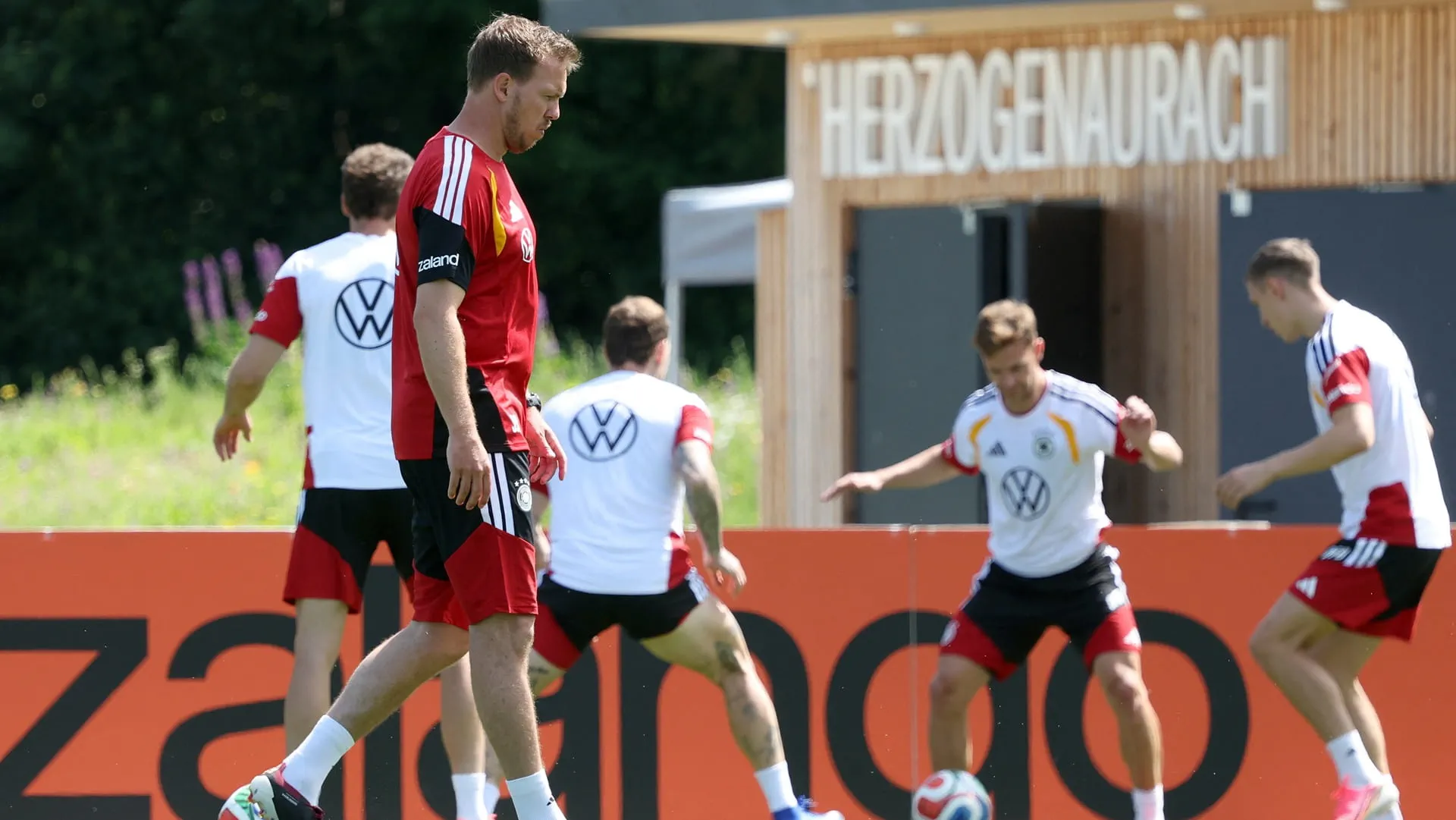
Germany, coached by Julian Nagelsmann, face a challenging path back to the knockout stages in Group E, where they will meet 2023 Africa Cup of Nations champions Ivory Coast, Ecuador, and tournament newcomers Curaçao.
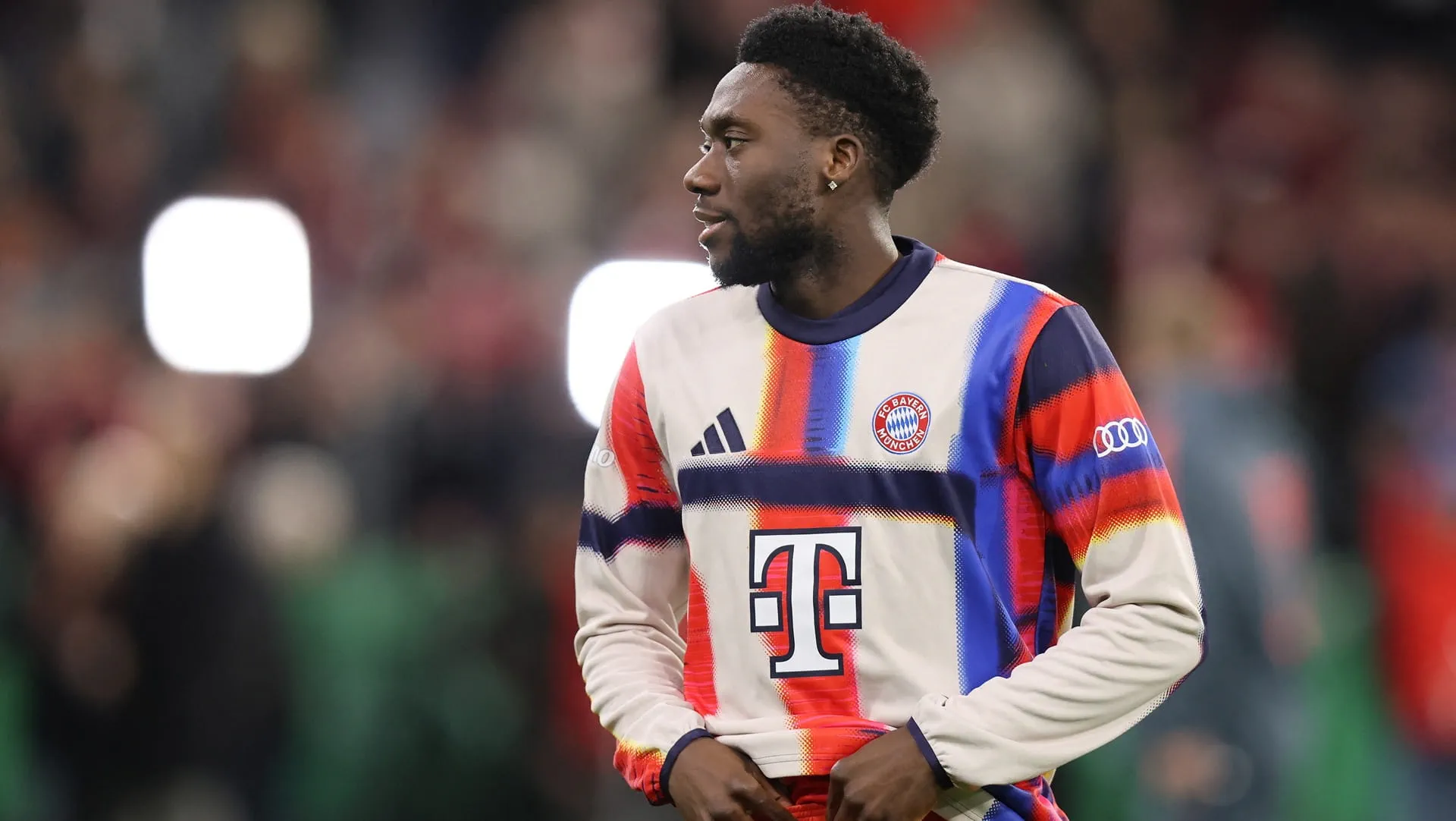
Since taking charge two years ago, the 38-year-old Nagelsmann has overseen a noticeable improvement in Germany’s performances, driven by young stars such as Florian Wirtz and Jamal Musiala, alongside experienced figures including Joshua Kimmich and Antonio Rüdiger.
Germany reached the quarter-finals of UEFA Euro 2024 on home soil and the semi-finals of the UEFA Nations League the following year, losing on both occasions to the eventual champions, Spain and Portugal.
Ivory Coast are widely viewed as Germany’s biggest threat in Group E, with the Elephants returning to the World Cup for the first time since 2014.
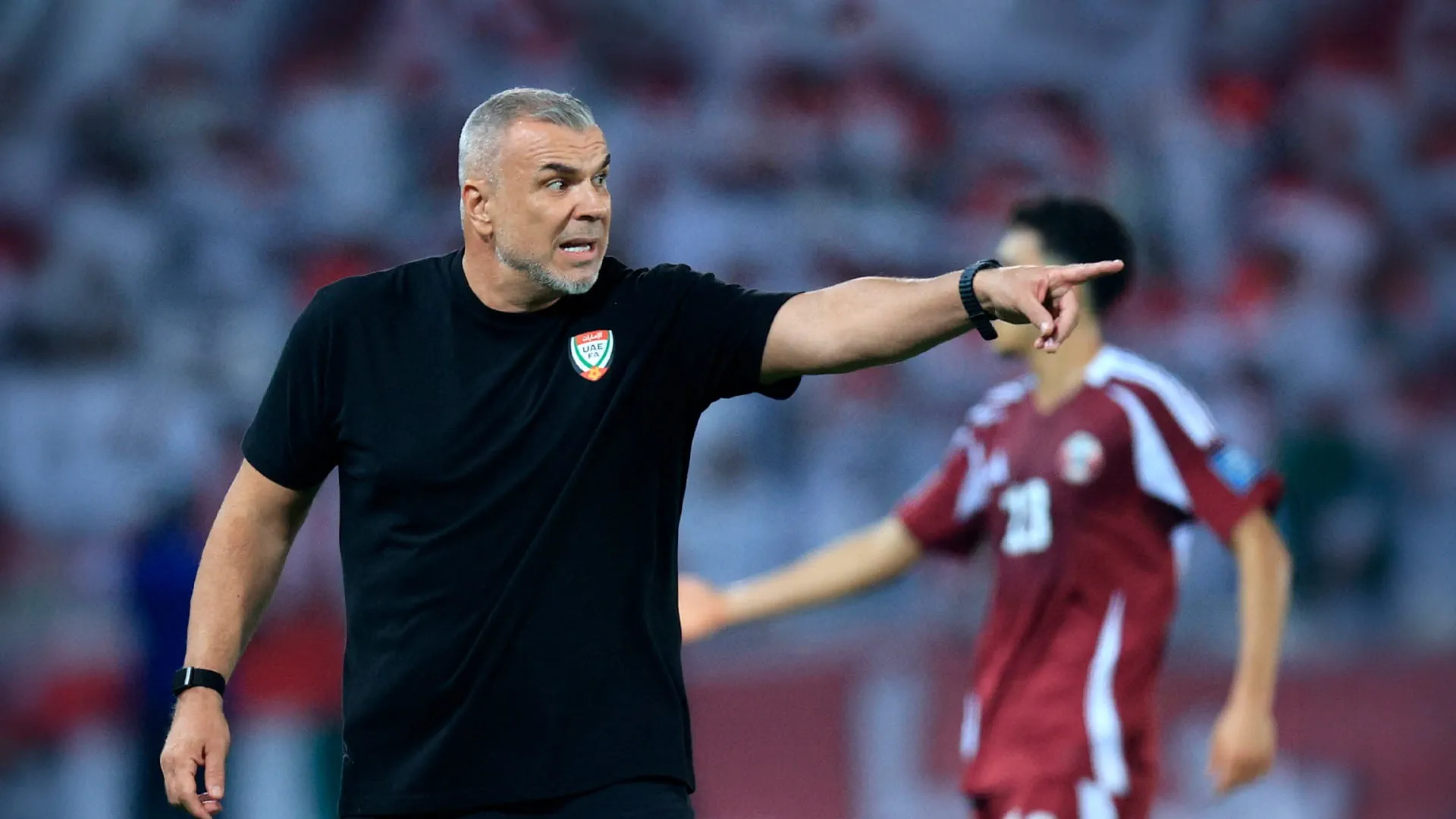
The golden generation led by Didier Drogba and brothers Yaya and Kolo Touré has passed, but coach Emerse Faé’s current squad still boasts notable talents such as Nicolas Pépé and Amad Diallo.
After a disappointing defence of their Africa Cup of Nations title, which ended in a quarter-final defeat to Egypt, Ivory Coast enter their fourth World Cup with what may be their best chance yet of reaching the knockout rounds after three consecutive group-stage exits between 2006 and 2014.
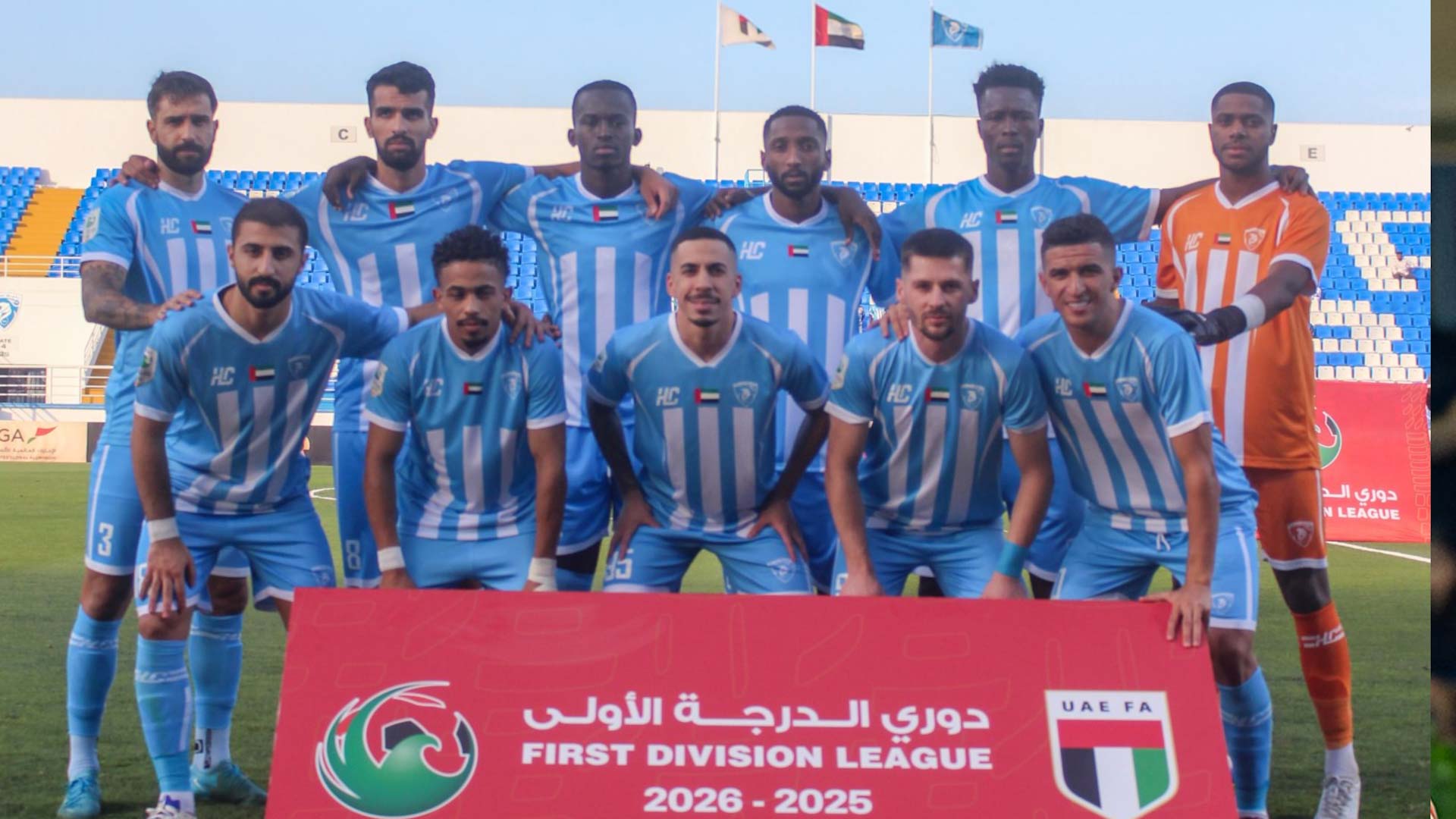
Caribbean nation Curaçao will make its first-ever World Cup appearance after progressing through CONCACAF qualifying unbeaten.
However, the Blue Wave’s momentum has slowed somewhat following consecutive friendly defeats to China and Australia in March.
Ecuador qualified for the finals by finishing second in the South American qualifiers, ahead of Brazil, Uruguay and Colombia.
That achievement underlines that Ecuador will not simply make up the numbers in the expanded 48-team World Cup and are expected to be a competitive force in Group E.

 For an optimal experience, please
rotate your device to portrait mode.