Loading...
Loading...


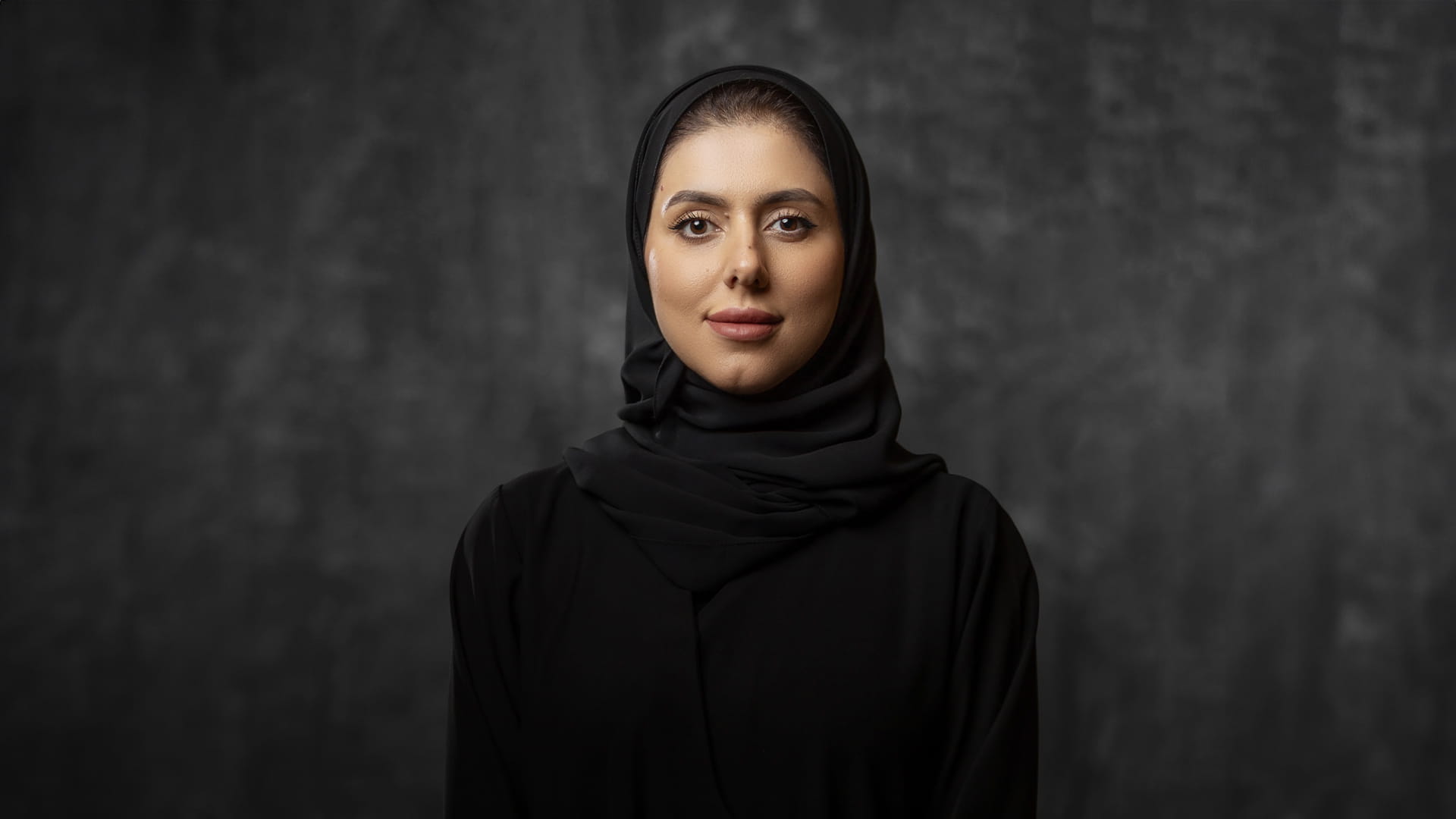
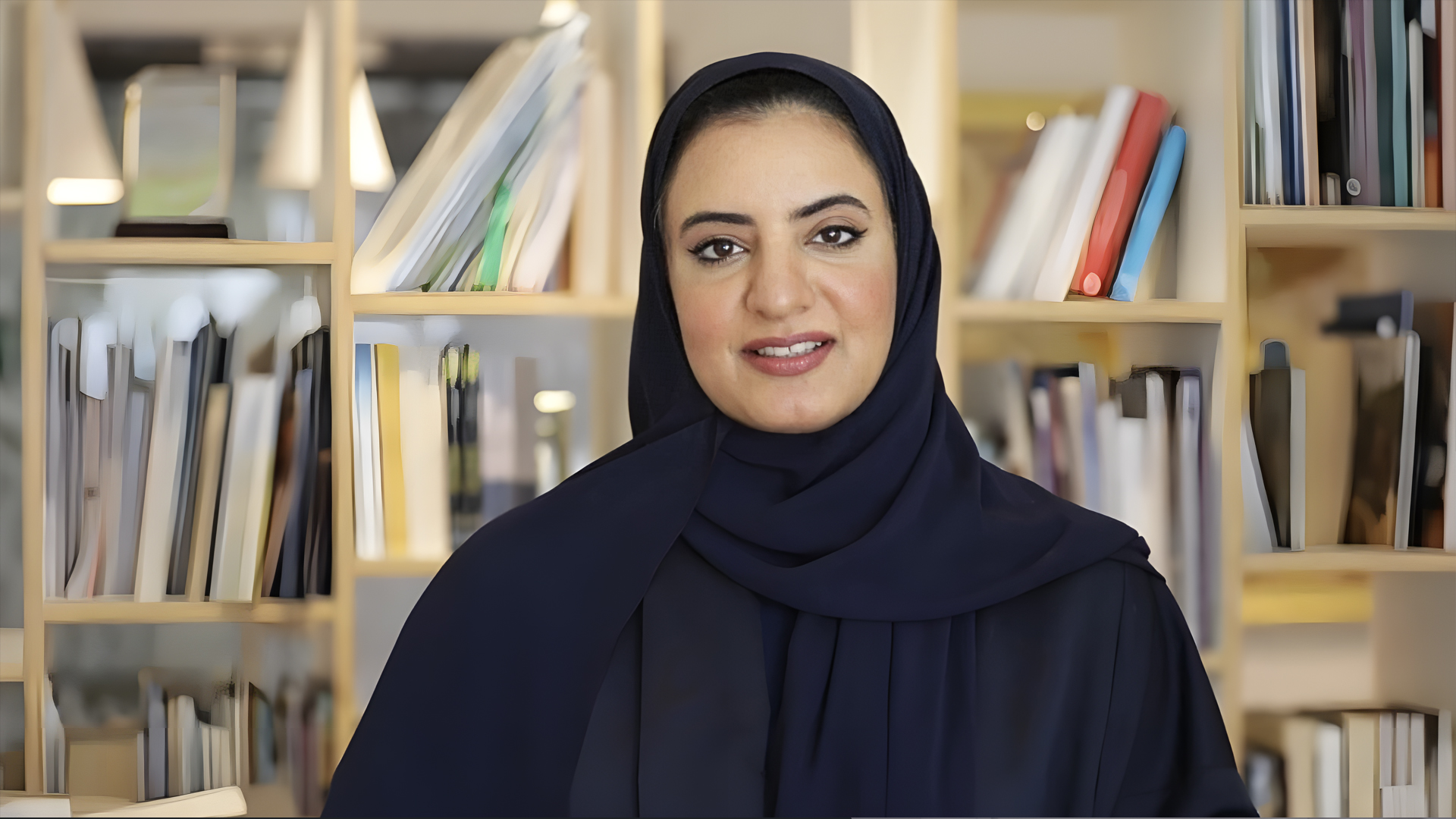
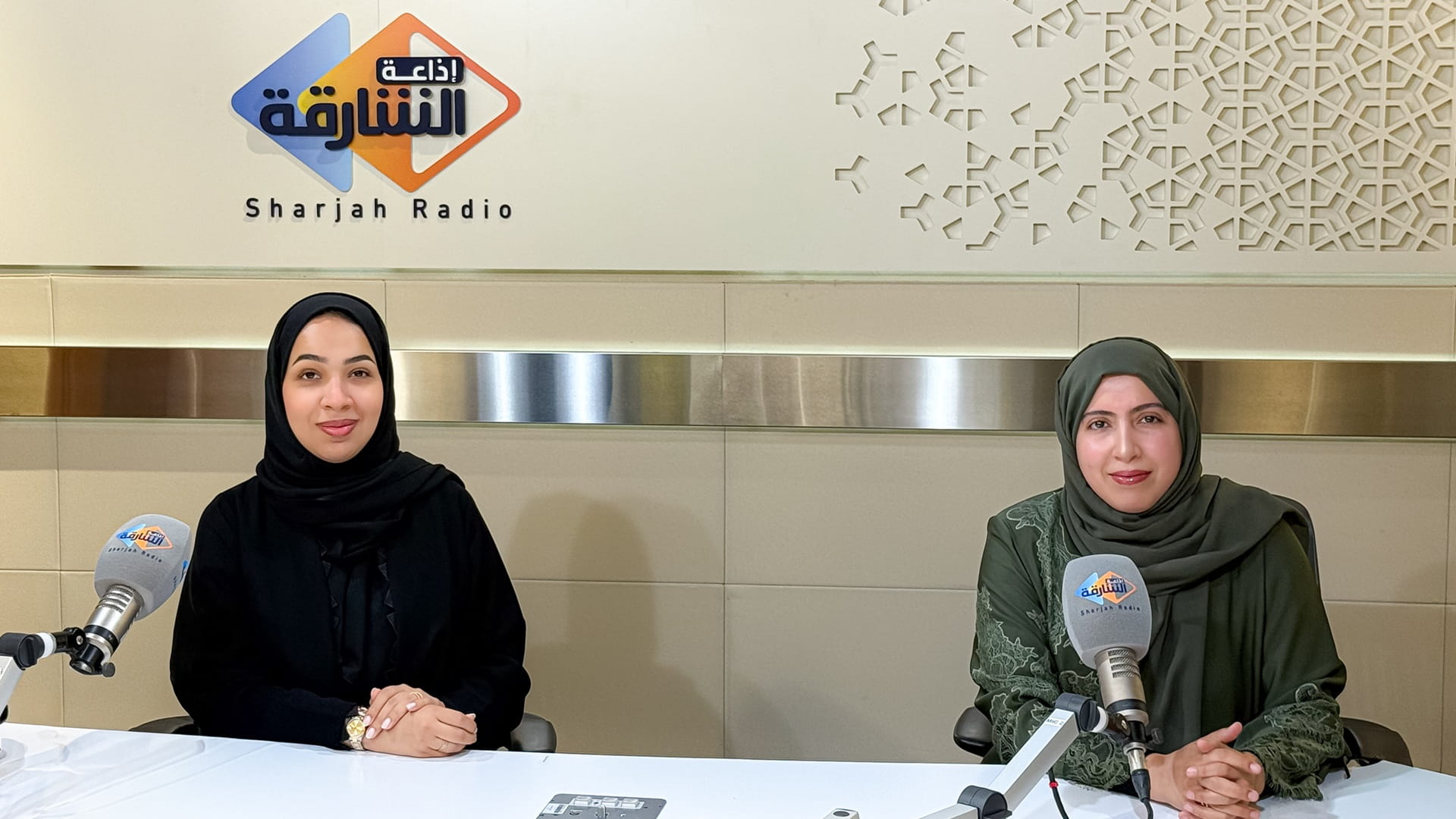
Maryam Al Hammadi, a member of The Big Heart Foundation’s Advisory Council, said the campaign reflected the ultimate purpose of humanitarian action. True success, she explained, should not be measured by expanding programmes, increasing budgets or reaching more countries, but by the day an organisation’s mission is fulfilled because people no longer need its services.
Beyond responding to suffering
Al Hammadi said World Humanitarian Day was an opportunity to recognise the efforts made around the world to save lives, ease suffering and respond to crises.
She noted that the first organised humanitarian initiatives to emerge more than 150 years ago were never intended to establish a permanent sector. They arose in response to human suffering and were driven by a simple principle: human dignity should never be subject to war, poverty or disaster.
Humanitarian action has since grown on an unprecedented scale, saving millions of lives, helping children return to school, supporting families in rebuilding their livelihoods and standing beside communities during some of their most difficult moments.
Despite these advances, however, crises continue to spread, while millions of people still lack access to education, healthcare, security and stability.
Success measured by what disappears
Some of the greatest humanitarian achievements, Al Hammadi said, are reflected in problems that no longer exist, rather than in achievements that are easily seen.
The real measure of humanitarian success should not be the number of crises organisations respond to, she argued, but the number of crises that are prevented and the number of people who no longer require assistance.
Humanitarian work should therefore be judged not by the scale of aid delivered, but by its ability to reduce the need for that aid.
A school, for example, is not the final goal but the starting point for a future in which children can continue learning without interruption. Likewise, assistance to a family fulfils its purpose when that family can stand on its own feet, shape its future and live with confidence and dignity.
Even emergency relief, she added, is only truly complete when it helps open the way to recovery, stability and eventually development.
Investing in people and resilience
At its core, Al Hammadi said, humanitarian action is an investment in people's ability to recover and rebuild, rather than simply a response to their suffering.
That responsibility extends beyond providing immediate assistance to strengthening resilience, improving access to education and healthcare, supporting livelihoods and embedding solidarity, mutual support and shared responsibility within communities.
The aim is not merely to reduce reliance on humanitarian aid, she said, but to help create societies in which solidarity and collective responsibility become part of everyday life.
Working towards a world that needs less aid
Al Hammadi said The Big Heart Foundation would continue to shoulder its humanitarian responsibility for as long as there are people who need someone to stand beside them.
At the same time, she said, the foundation would continue investing in people as the most sustainable route towards building a more stable and equitable future.
Yet its ultimate ambition remains one that may sound unusual: to work towards a day when its services are no longer needed.
“We will remain committed to the dream that there will come a day when no child needs someone to return them to their classroom, no family has to wait for aid to secure the basics of life, and no entire community has to start again from scratch after every crisis,” Al Hammadi said.
“Our goal is not to become the world’s largest humanitarian organisation, but to help build a world that needs fewer humanitarian organisations. That is the day we will know that our mission has truly succeeded.”

 For an optimal experience, please
rotate your device to portrait mode.