Loading...
Loading...


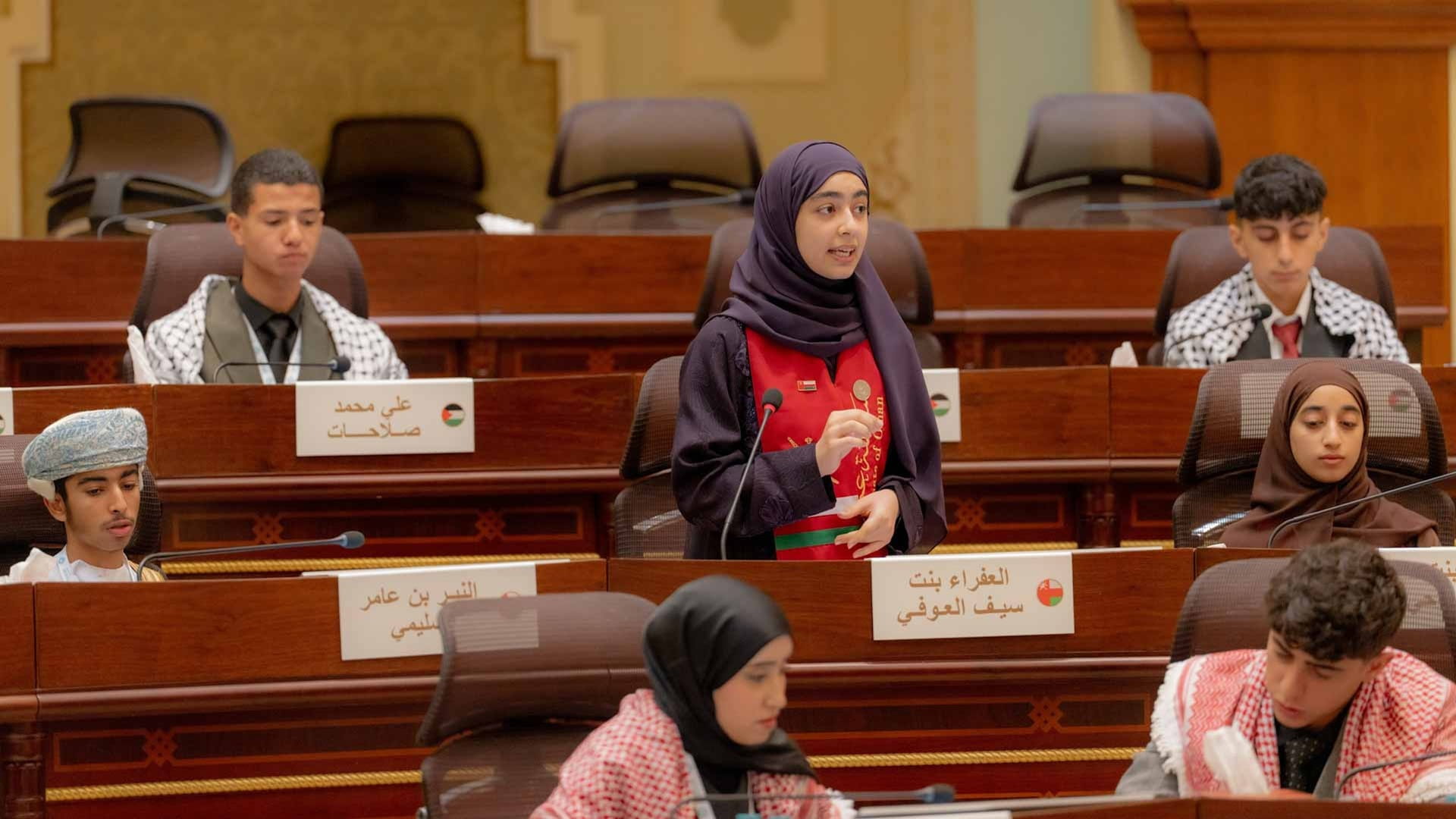
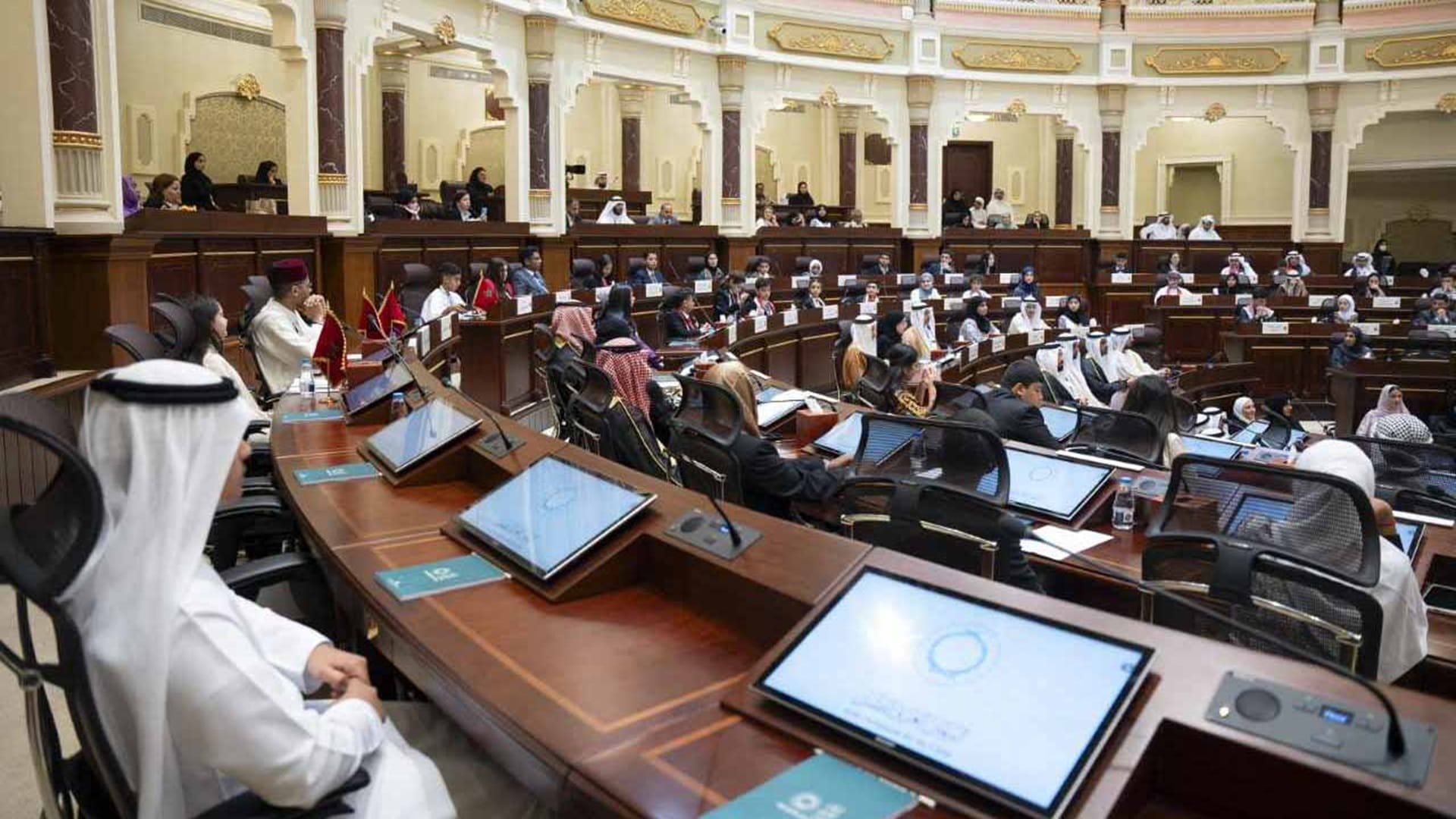
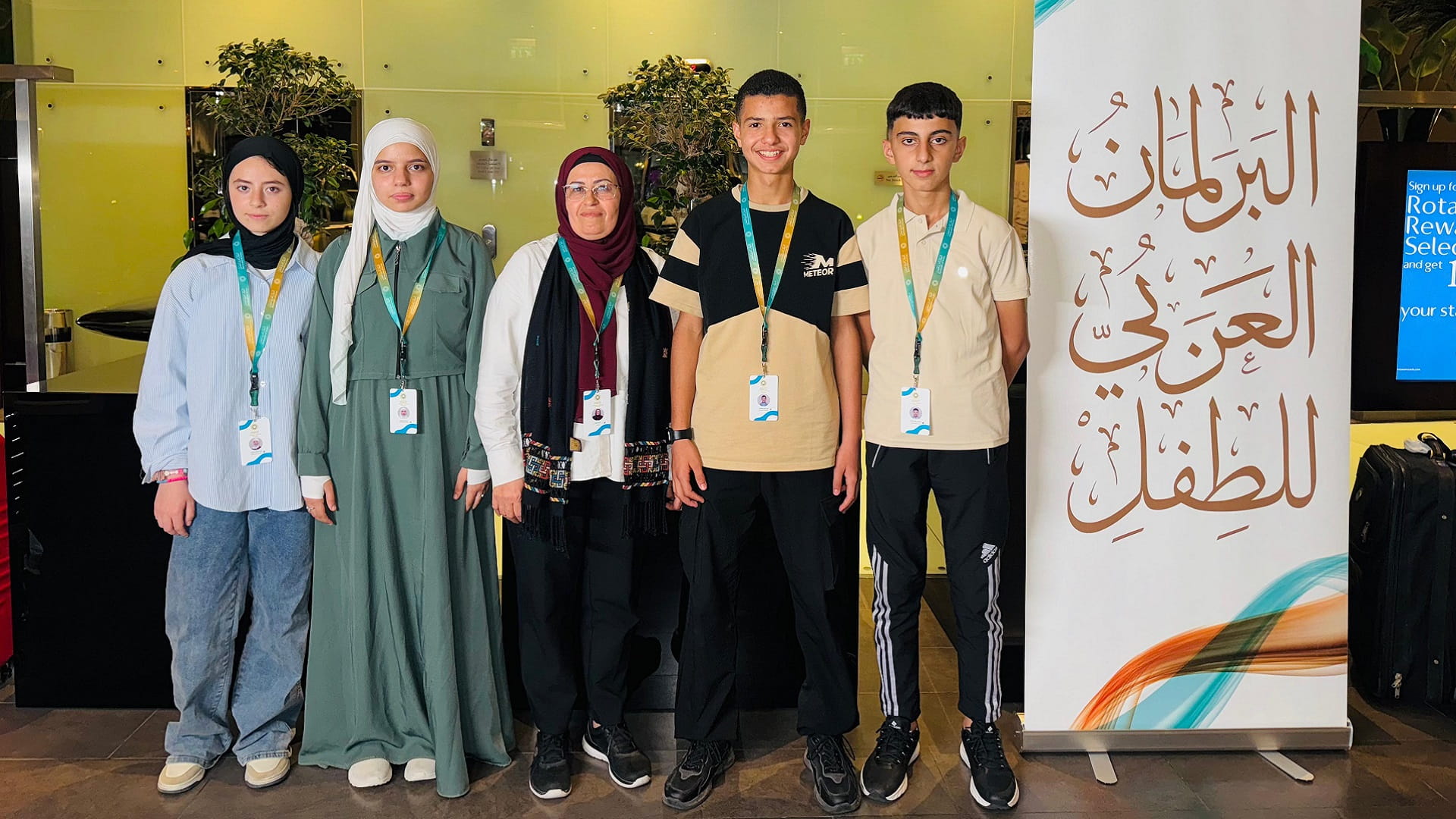
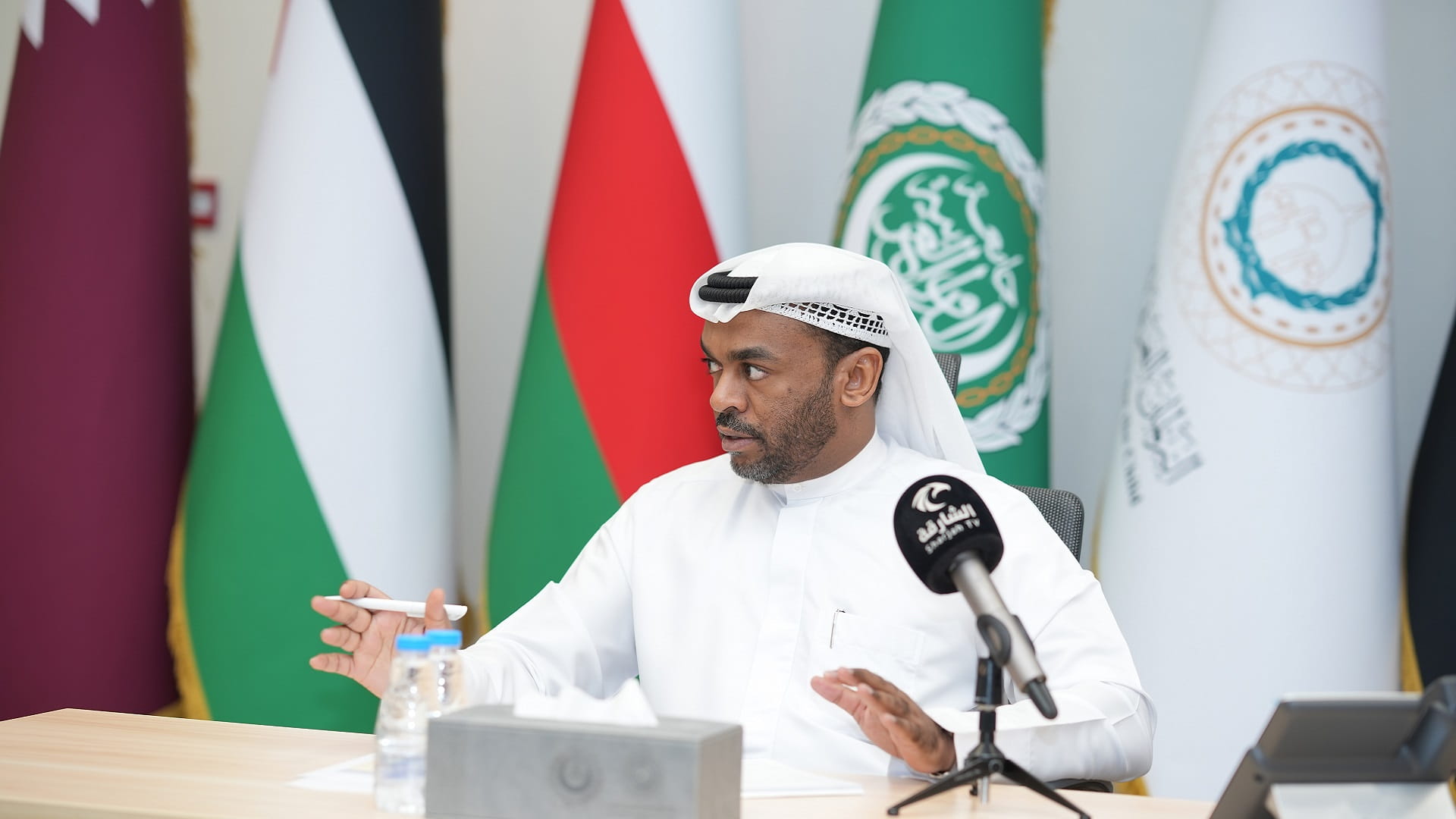
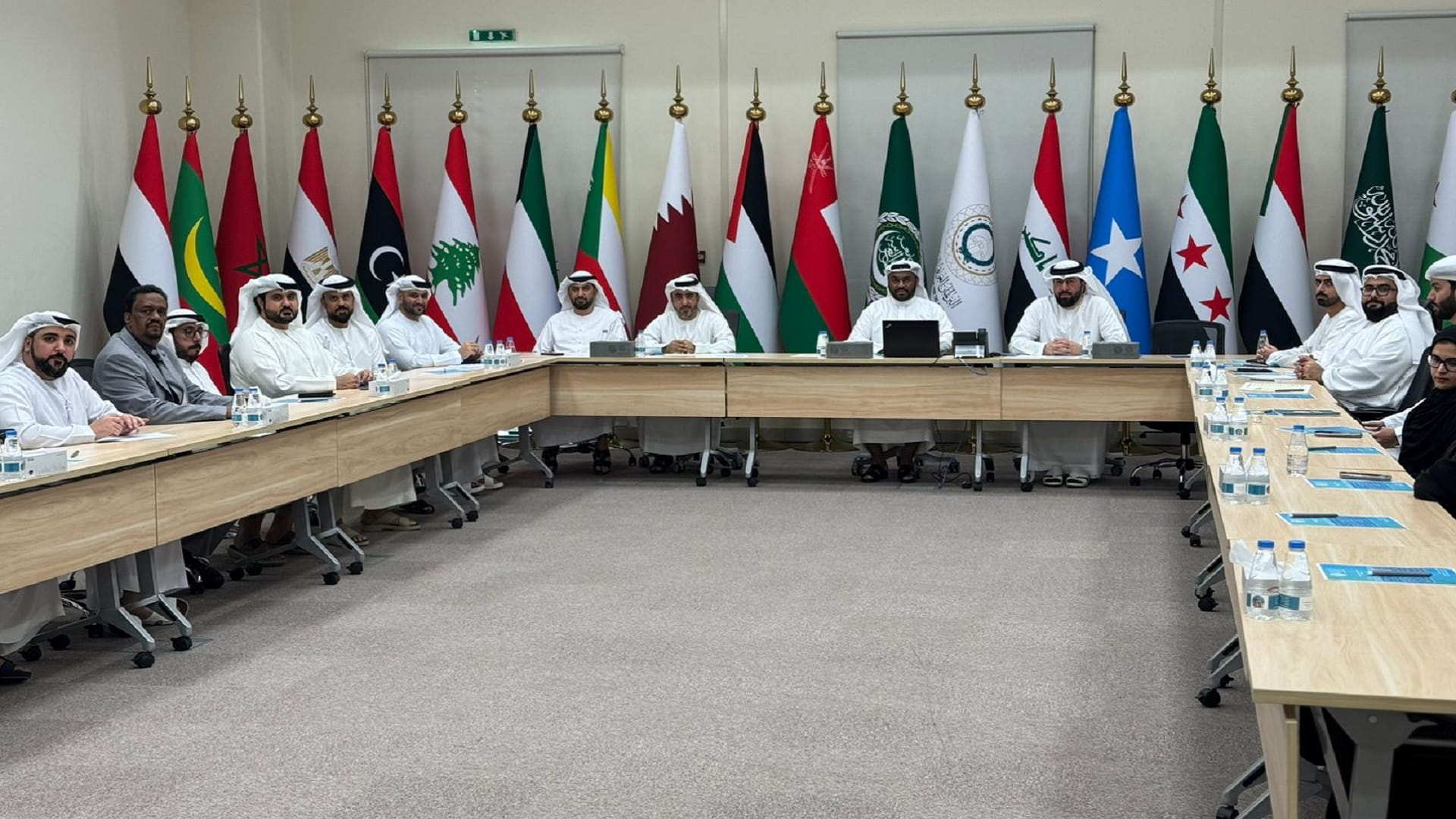
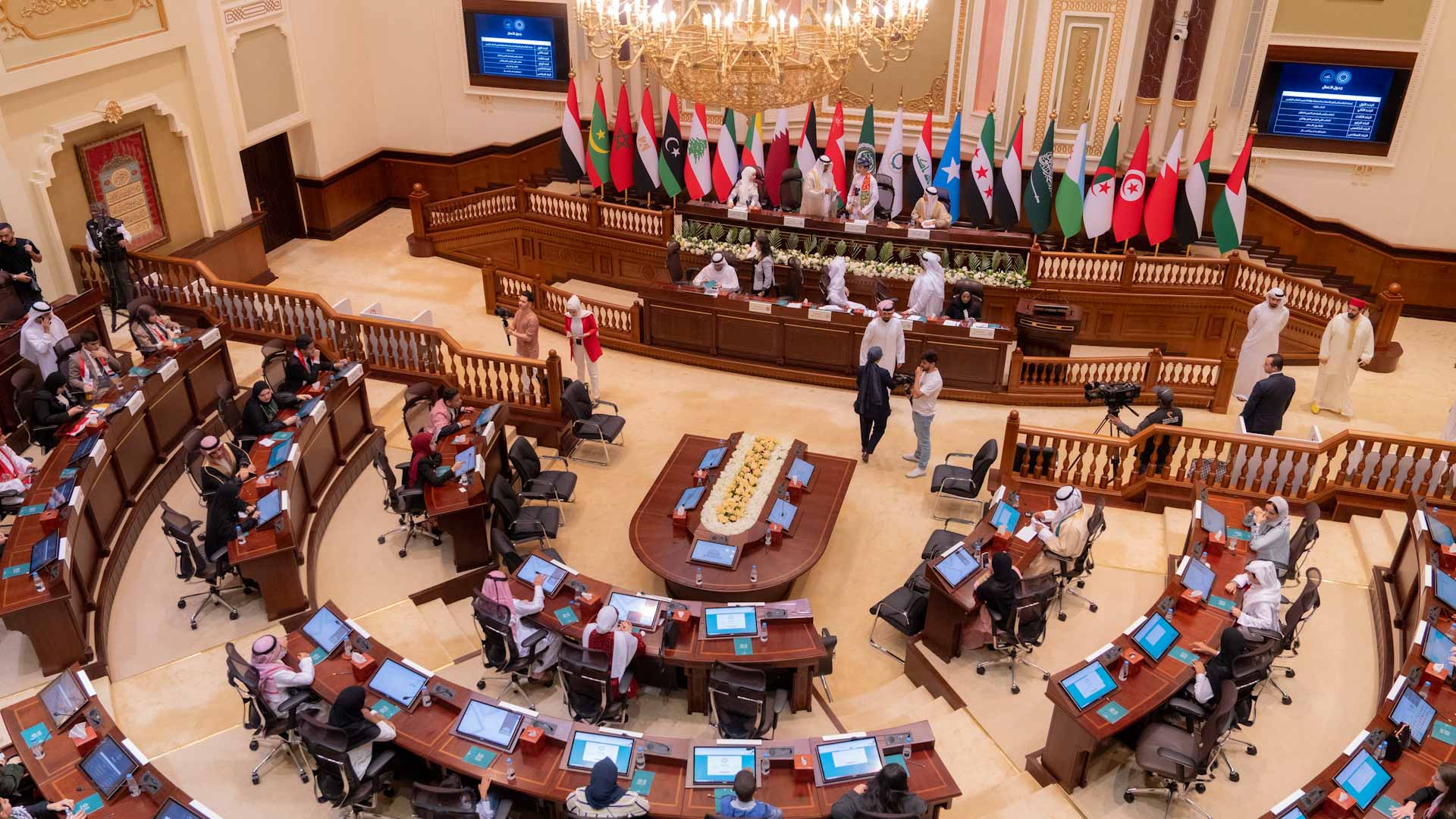
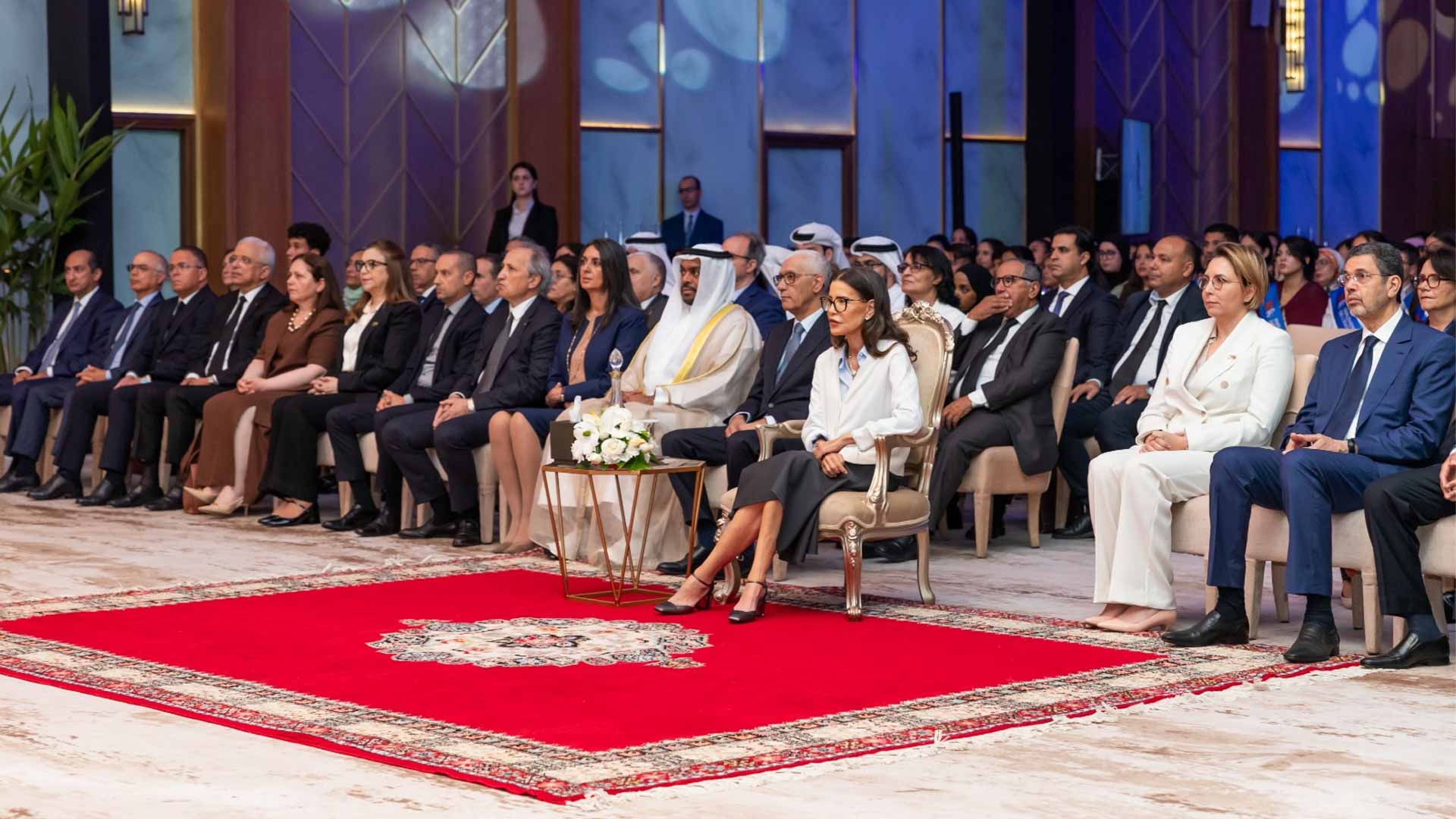
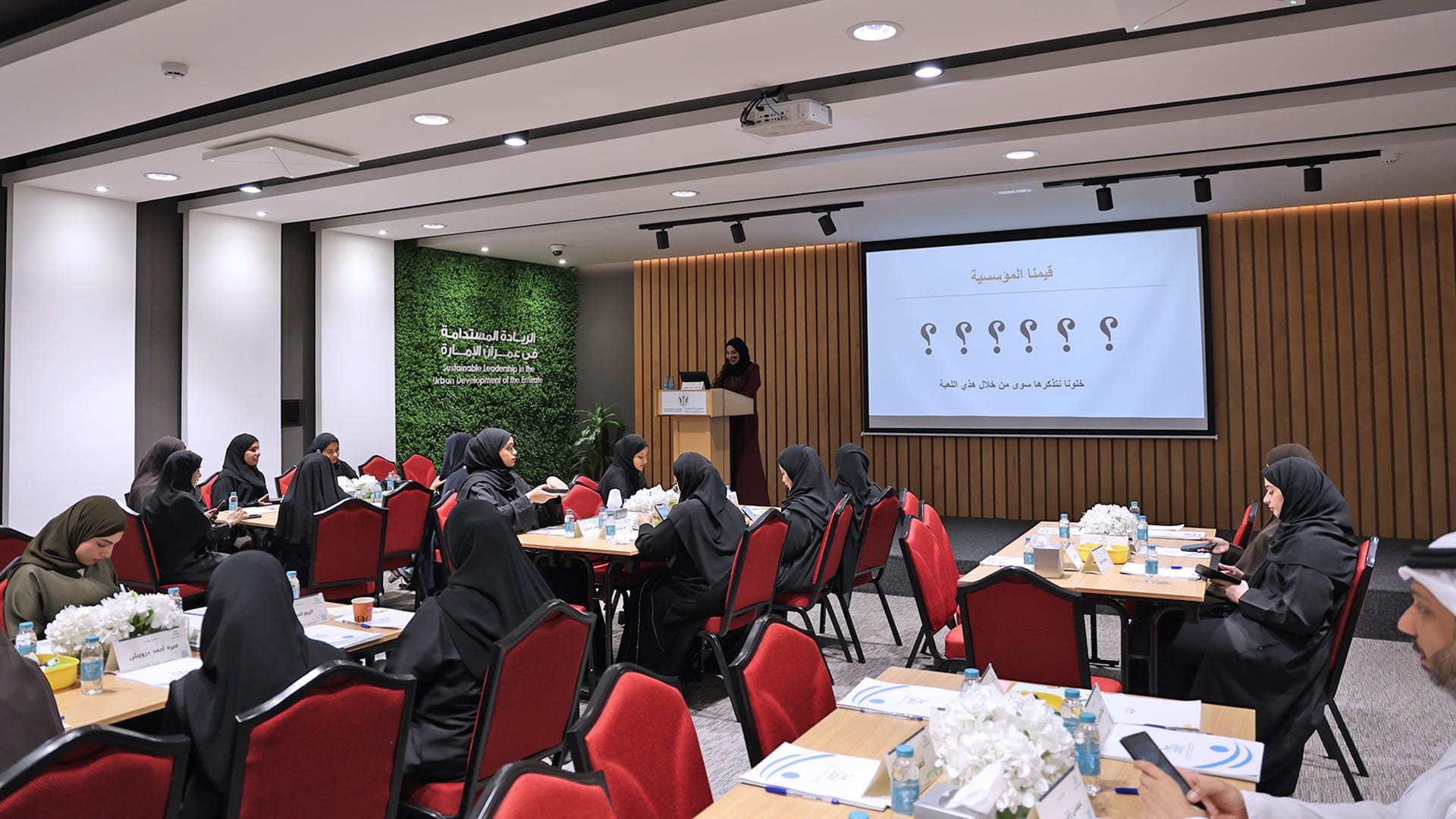
The remarks came during the fourth and final session of the Parliament’s fourth term, held at the Parliament’s headquarters in Sharjah under the theme “The role of the family in building a safe environment for children”.
The session brought together 39 male and female members representing Arab countries, who presented a wide range of views and recommendations reflecting their awareness of childhood issues, family challenges and the importance of investing in future generations.
Participants agreed on the need to develop Arab policies, programmes and initiatives that strengthen the role of families in upbringing, protection and empowerment, while ensuring that children grow in supportive environments that safeguard their rights and wellbeing.
During the discussions, members emphasised that supporting families is essential to ensuring children’s safety and development. They called for expanding family guidance services, providing psychological and social support for children, and promoting positive parenting approaches based on dialogue, respect and understanding.
Joya Adel Al Shabab from Lebanon highlighted the importance of adopting policies that support families and expanding psychological services for children to strengthen their sense of security and stability. Noor Nader Ahmed from Bahrain described the family as a child’s first home and the foundation for building responsible individuals, calling for the establishment of family guidance centres, protective legislation and a specialised Arab platform for family counselling.
Abdullah Yousuf Boujairi from Bahrain presented his country’s experience in establishing social guidance offices and introducing family protection legislation. He suggested creating an Arab observatory to monitor children’s views and challenges, while expanding social and psychological services and increasing children’s participation in educational programmes.
Members also addressed emerging challenges linked to the digital environment. Osama Alaa Maryam from Syria noted that the family’s role has evolved beyond supervision to include guidance and support in navigating online spaces. He proposed an Arab initiative to equip families with skills in positive and digital parenting, while encouraging open family communication.
Participants put forward several initiatives aimed at strengthening child protection, including improving awareness programmes for parents, enhancing cooperation between families and educational institutions, and developing mechanisms to identify and address cases of abuse and neglect at an early stage.
May Jalal Abdel Aziz from Palestine stressed the importance of raising educational awareness and strengthening legislation related to violence and neglect, emphasising that child protection requires immediate action. Al Afraa bint Saif Al Oufi from Oman proposed initiatives to enhance child health through specialised legislation and the creation of a parliamentary initiative to establish a school safety fund for urgent cases.
Members from several Arab countries also highlighted the importance of emotional security, healthy lifestyles and responsible technology use. They called for programmes that help parents understand children’s psychological needs, monitor digital habits and protect them from online risks, including cyberbullying.
Participants stressed that children need families that listen to them, encourage expression and provide positive role models rather than relying solely on instructions and discipline. They also proposed initiatives such as an Arab Family Dialogue Day, an “Aware Family” initiative and a unified Arab campaign to promote the family’s role in creating safe environments for children.
The session concluded with members reaffirming that building a safe environment for children is a shared responsibility involving families, schools, communities and institutions. The recommendations focused on strengthening family counselling, expanding psychological support, improving digital safety awareness, promoting dialogue and reinforcing positive values.
The discussions reflected the commitment of the Arab Parliament for the Child to representing the voices of Arab children and advancing initiatives that contribute to their protection, empowerment and future development.

 For an optimal experience, please
rotate your device to portrait mode.