Loading...
Loading...


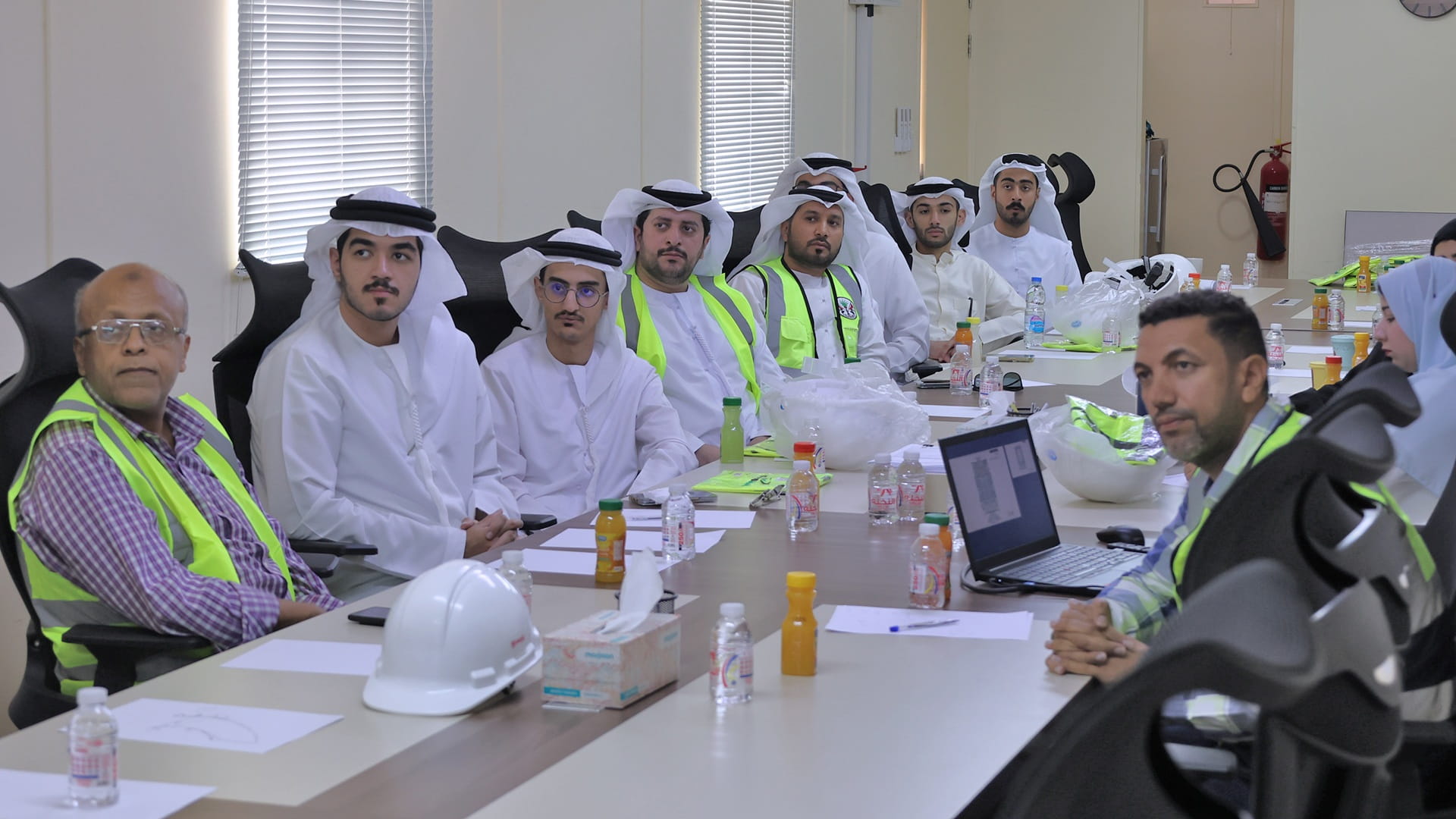
According to Ibrahim Al Jarwan, Chairman of the Emirates Astronomy Society and a member of the Arab Union for Astronomy and Space Sciences, the season will last three months until the autumnal equinox on or around 23 September.
Al Jarwan explained that during the summer solstice, the sun is directly above the Tropic of Cancer at its northernmost point, producing the shortest noon shadows across the Northern Hemisphere. In southern parts of the UAE, shadows may disappear entirely at midday.
He added that the UAE will experience its longest daylight period between 18 and 24 June, with daylight lasting approximately 13 hours and 50 minutes.
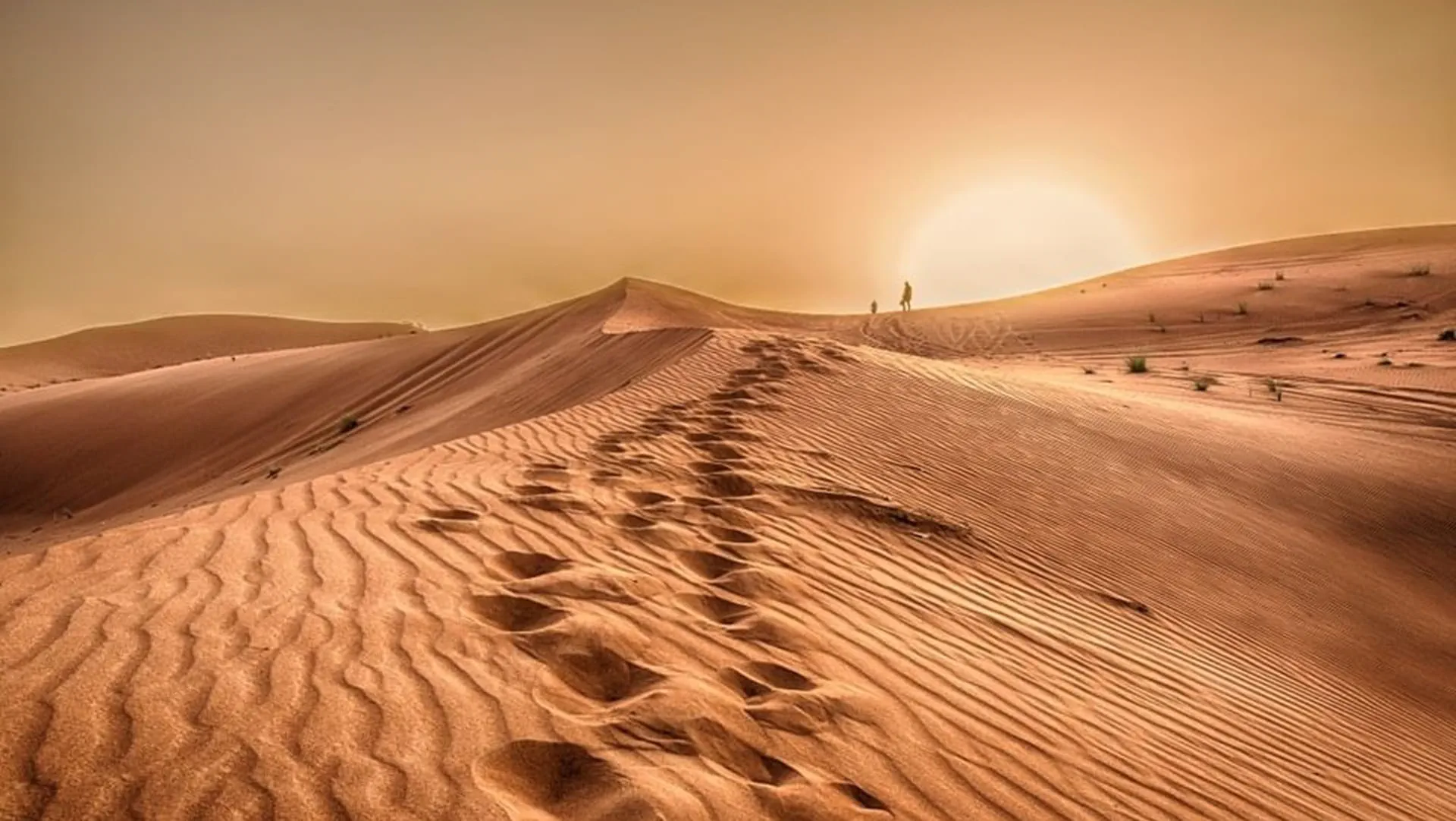
During the first half of summer, from 21 June to 10 August, average daytime temperatures are expected to range from 41°C to 43°C, with overnight temperatures from 27°C to 31°C, under generally dry conditions with active winds.
Al Jarwan noted that seasonal “Barah” winds may stir dust and sand, while occasional heatwaves could push temperatures above 50°C in some areas. In the latter half of summer, from 11 August to the autumnal equinox, higher humidity and “Kous” winds are expected to promote cloud formation over the Hajar Mountains, increasing the likelihood of convective thunderstorms known locally as “Al Rawaih”.

 For an optimal experience, please
rotate your device to portrait mode.