Loading...
Loading...


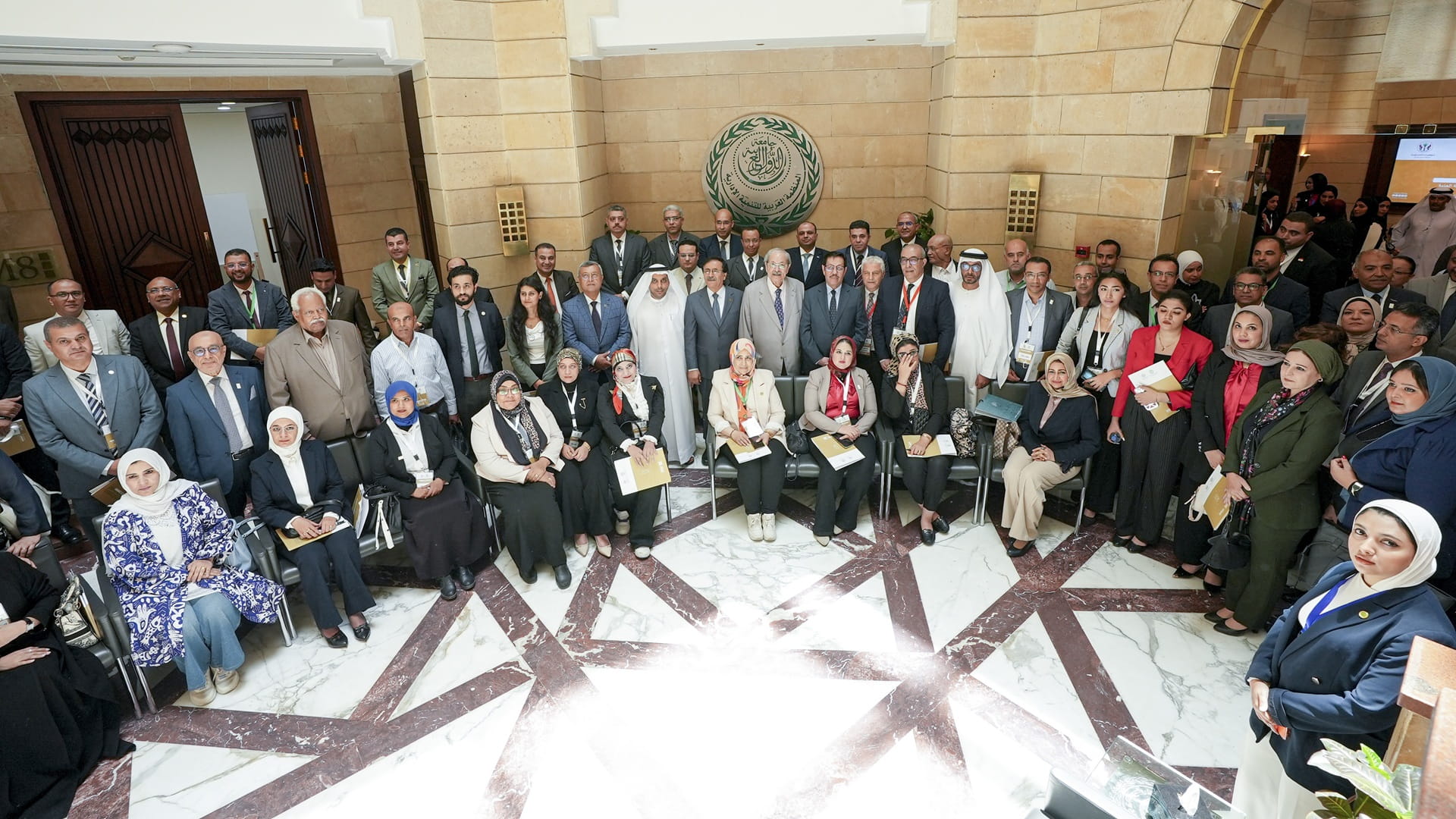
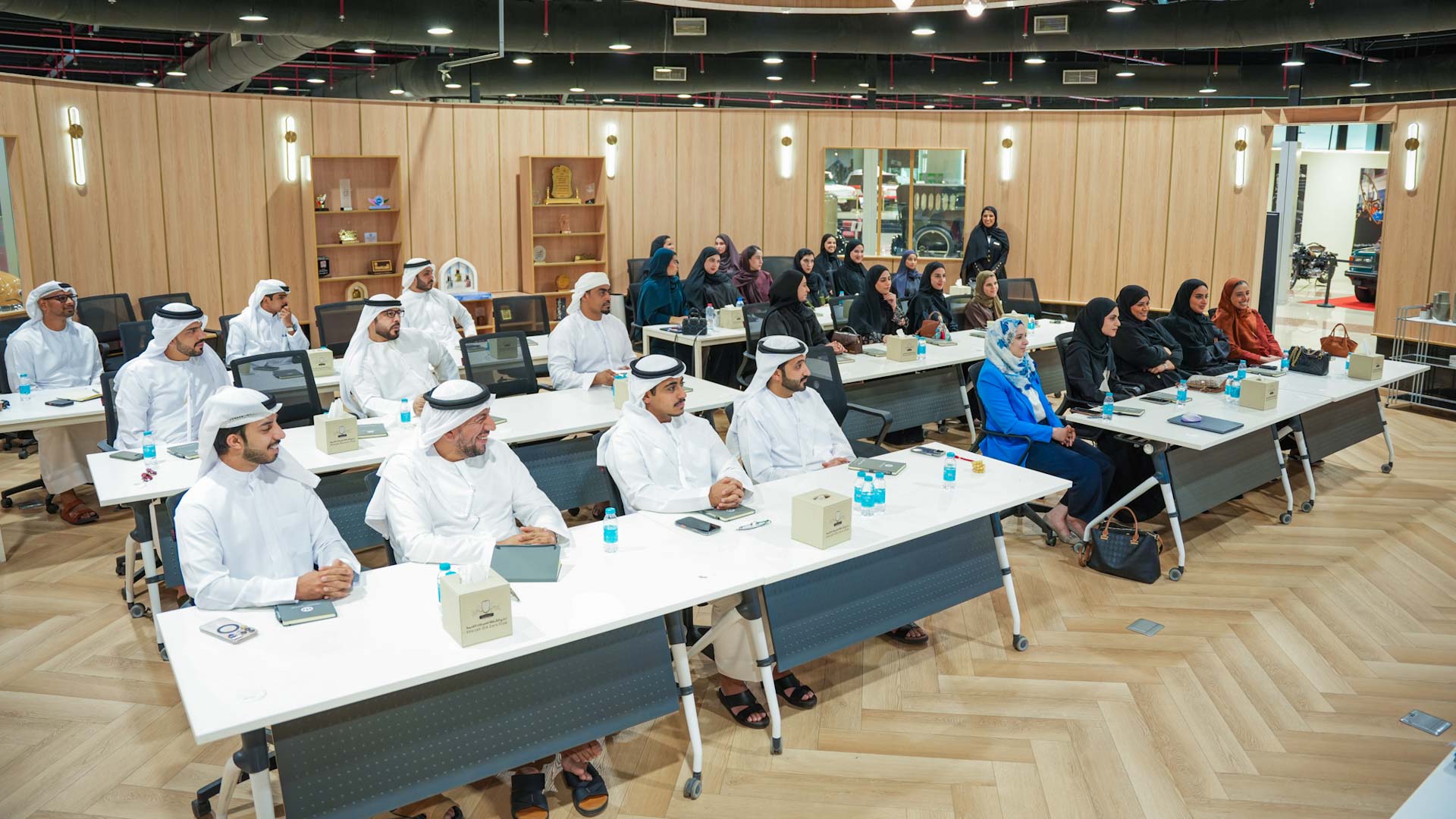
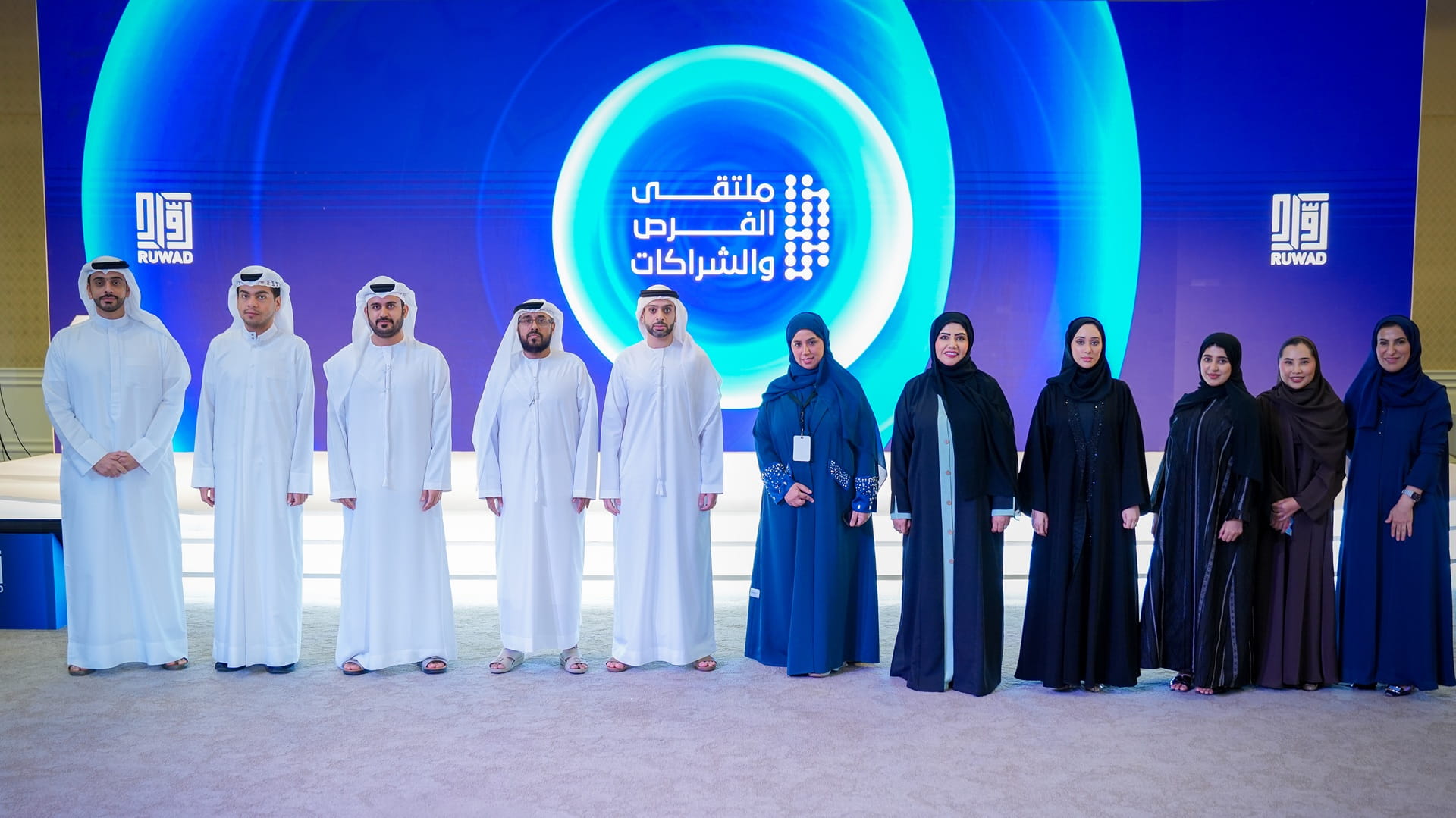
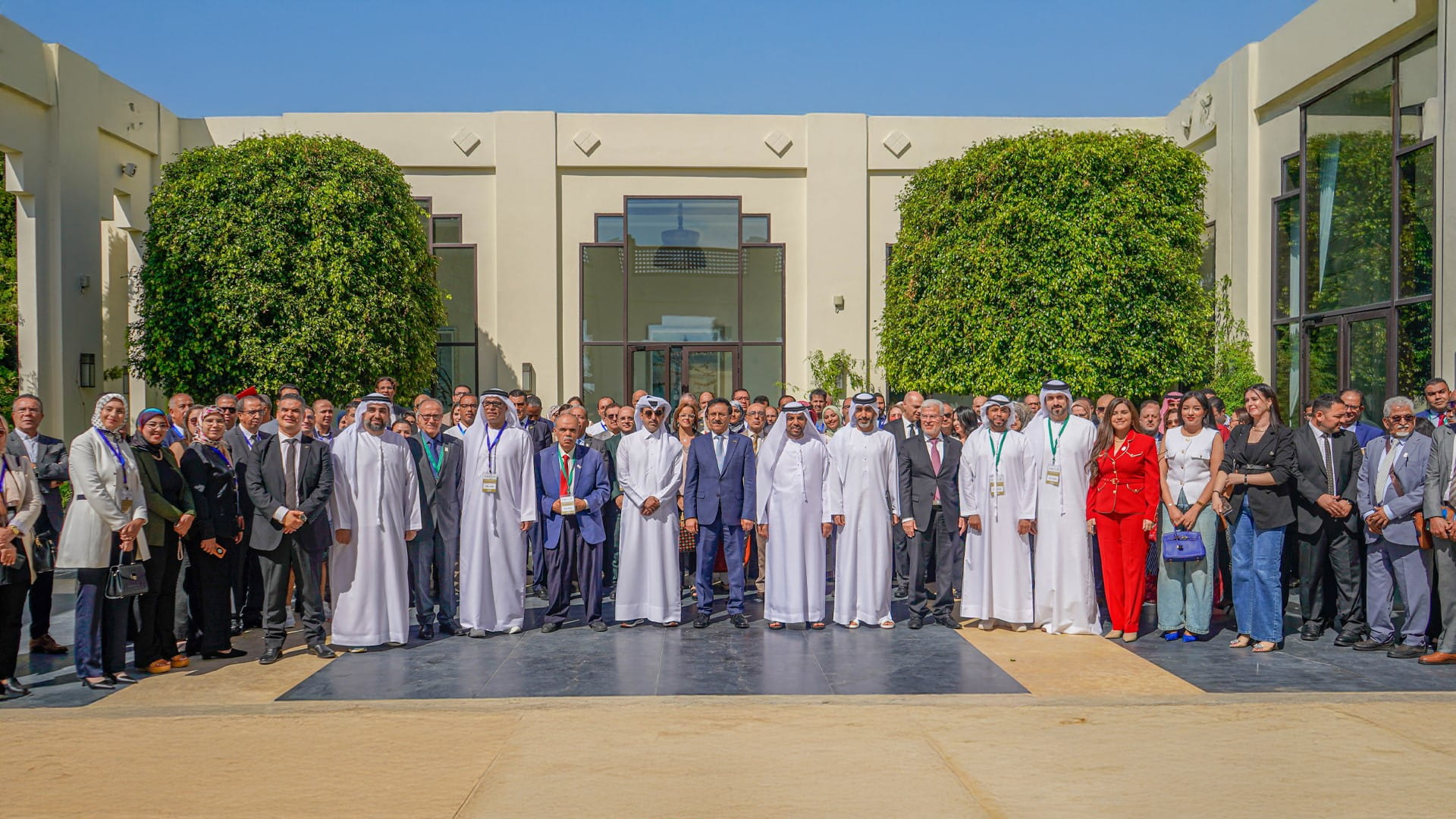
The launch ceremony, held at ARADO's headquarters in Cairo, opens a new round of institutional and individual competition across the Arab world, in line with global best practices, and cements the award's role as a platform for spreading a culture of excellence in public finance, sharpening innovation, trading best practices and lifting the efficiency of
government financial management.
Dr Waleed Al Sayegh, Chairman of the Sharjah Finance Department and Chairman of the Award's Board of Trustees, led proceedings alongside Dr Nasser Al Qahtani, Director General of ARADO and Deputy Chairman of the Board of Trustees. Board members, along with officials, experts and specialists in public administration and finance from across the Arab world, also attended.
Trustees sign off on fourth-cycle guide
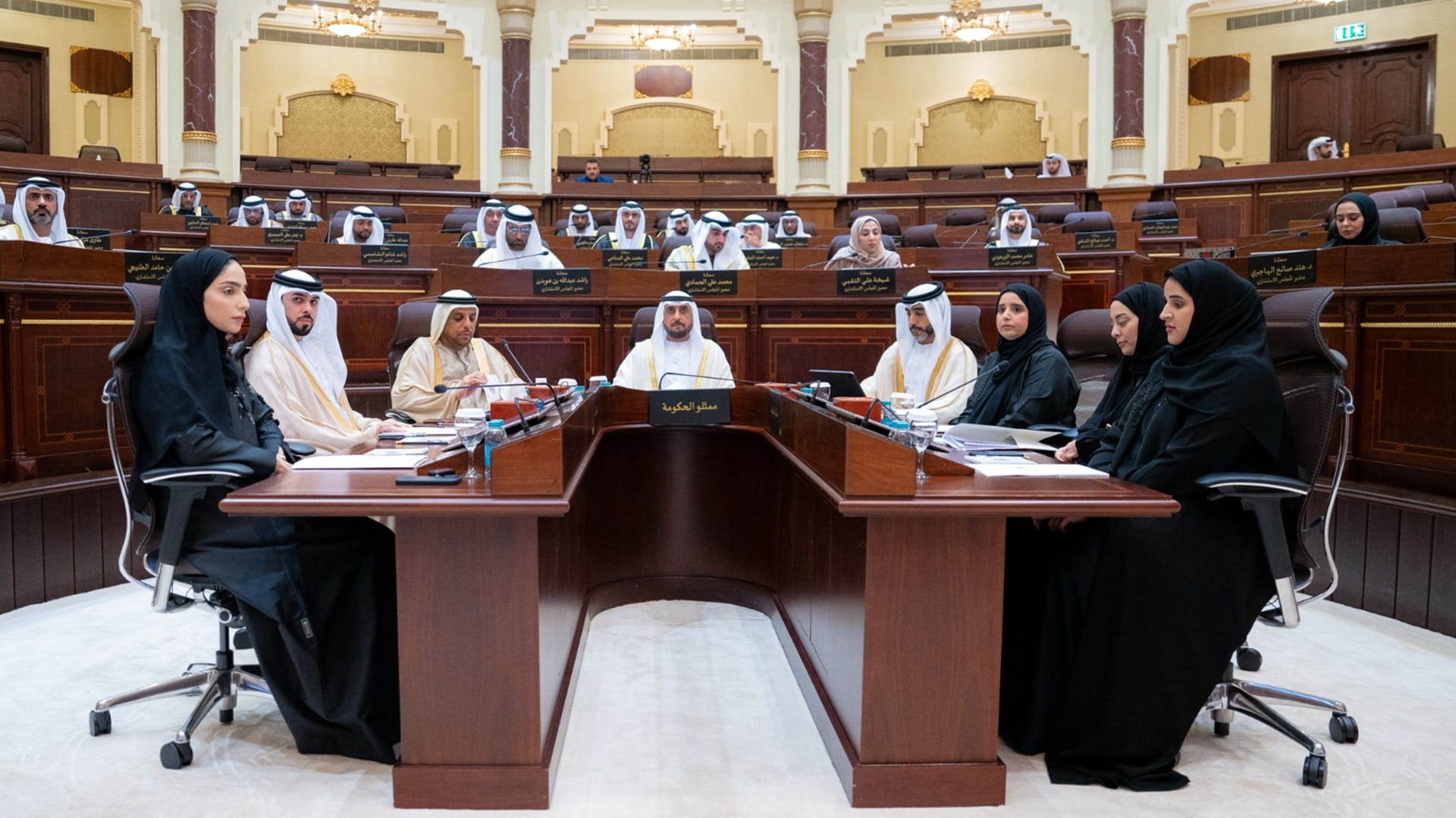
Before the launch ceremony, the award's Board of Trustees met and approved the guide for the fourth cycle, following a full review of the award's categories, evaluation criteria, participation mechanisms and electronic system. The revisions reflect the board's push to keep developing the award and to make sure it's ready to take in entries from across the Arab world in line with global best practice in managing financial awards.
The board also walked through how the new cycle will run — introducing the award, opening registration, holding orientation workshops, taking in nominations, judging and evaluating, and finally approving results and honouring winners. The aim is to keep the highest standards of transparency and governance at every stage, reinforcing the award's standing as one of the region's leading prizes dedicated to public finance.
A platform for the wider Arab financial sector
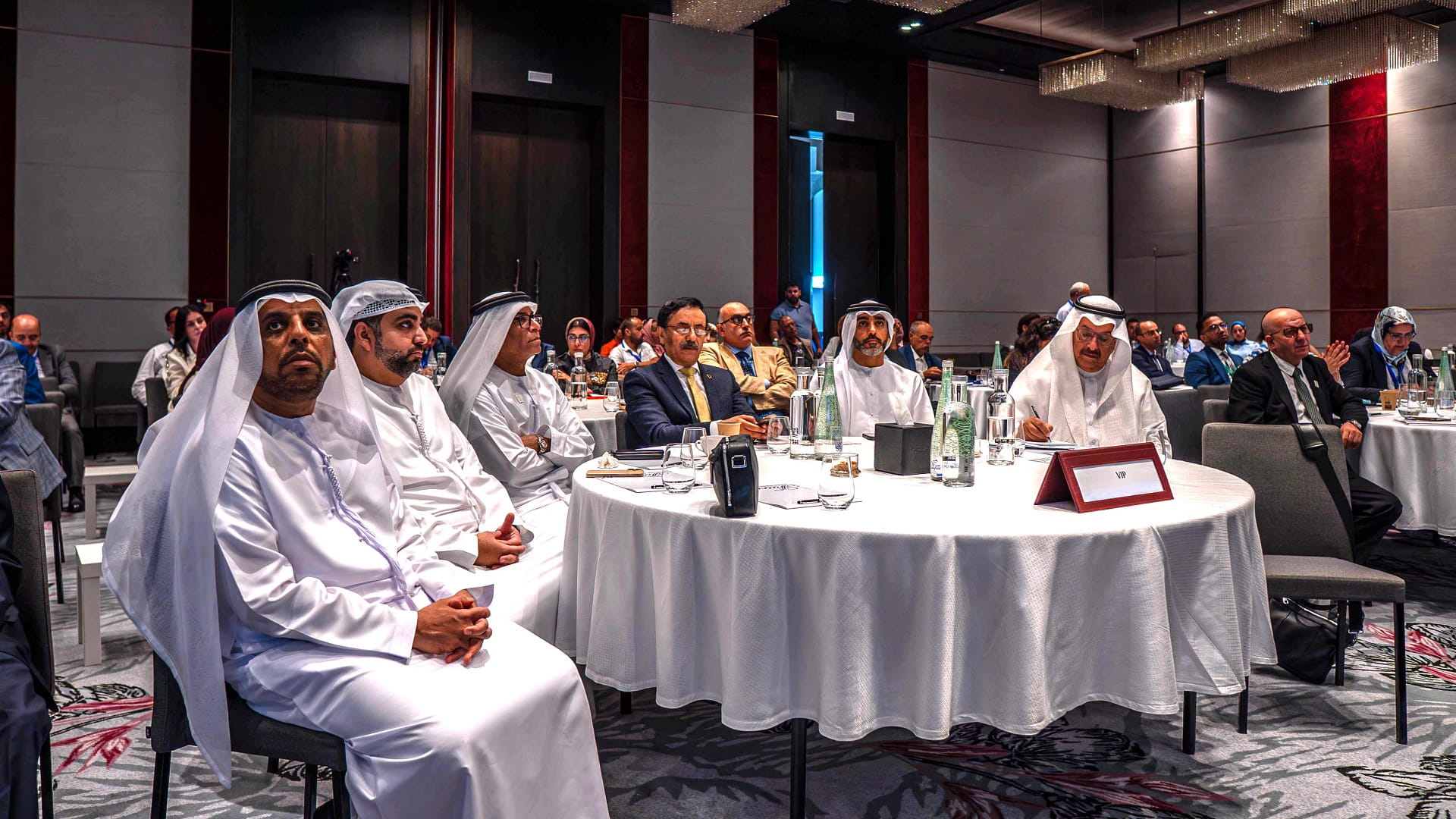
The launch event walked attendees through the award's vision and mission, the headline changes in the fourth cycle, its categories and criteria, and its participation process, alongside a short film introducing the award. An open discussion with participants followed, underlining the award's role in spreading a culture of quality and excellence and pushing institutional and financial performance forward across Arab government bodies.
Dr Waleed Al Sayegh said that starting the fourth cycle is an important step in the award's journey, showing its continued dedication to financial excellence, innovation, and improving public finance systems in Arab countries — all based on the vision of His Highness Sheikh Dr Sultan bin Mohammed Al Qasimi, Supreme Council Member and Ruler of Sharjah, to create a culture of excellence, invest in knowledge, and build more efficient, transparent, and sustainable government institutions.
"In the fourth cycle, we've worked to develop the award's guide and criteria to keep pace with the rapid changes in government financial management, strengthen transparency and objectivity in evaluation, and create a competitive environment that pushes institutions and individuals to put forward quality initiatives and experiences that can actually be applied and built on," Al Sayegh said. "That contributes to raising the standard of public finance systems across the Arab world and encourages the exchange of expertise and best practice between government institutions."
He added: "The award is no longer just about honouring the outstanding — it's become an Arab platform for exchanging knowledge, building excellence, driving innovation and developing capabilities, supporting the development of financial policy and lifting the efficiency of public fund management. We're continuing to develop the award so it becomes a leading Arab reference point for spreading best practice in public finance and reinforcing a culture of institutional excellence, in line with the Ruler of Sharjah's vision of empowering knowledge and innovation as pillars for building a more prosperous and sustainable future."
Al Qahtani: A model for Arab partnership
Dr Nasser Al Qahtani said the Sharjah Award for Public Finance has become one of the leading Arab initiatives in public administration and finance, thanks to the role it plays in spreading a culture of excellence, encouraging innovation, spotlighting successful government experiences and pushing institutions to adopt best practices in financial management.
"The award is a successful model of Arab partnership aimed at developing financial and administrative thinking, encouraging positive competition between government institutions, and creating a platform that brings together expertise and outstanding experiences — helping to build a more efficient and flexible financial system that keeps pace with Arab governments' ambitions for sustainable development," he said.
He added that ARADO will continue working with the Sharjah government to develop the award and widen its impact across the Arab world, strengthening its standing as an Arab reference point for excellence in public finance.
24 categories, institutional and individual
The fourth cycle runs across 24 categories — 12 institutional and 12 individual — spanning financial management excellence, electronic financial systems and applications, financial innovation, financial project management, oversight and audit and risk management, financial sustainability, financial services, scientific research and financial training, alongside categories reserved for leaders, experts, researchers and staff working in the Arab government financial sector.
Evaluation built on clear criteria
The award runs on a full evaluation system built around clear scientific criteria: leadership, legislation and policy, financial systems and applications, operational and service efficiency, results and performance indicators, and continuous improvement and future planning. Participating bodies must submit evidence and documentation proving they meet each criterion to keep the evaluation as transparent and fair as possible. Individual categories are judged on three main pillars: performance and growth management, standout achievements, and development and scientific research.
Registration opens today
Registration for the fourth cycle opens today, 15 July 2026, and runs through the end of December 2026. Alongside it, the award will run awareness activities and outreach tours across every Arab country to help participants prepare their nomination files, backed by financial training courses held alongside the tours. The award will also collaborate with ambassadors selected from previous winners to promote the initiative and share their experiences of participation.
Organisers expect that the fourth cycle will be a fresh start for the award, using lessons learned from the three previous successful editions—like feedback from the audience, media coverage, and related events—to create a new format that keeps what worked well in the past while meeting the hopes of this year's participants.

 For an optimal experience, please
rotate your device to portrait mode.