Loading...
Loading...


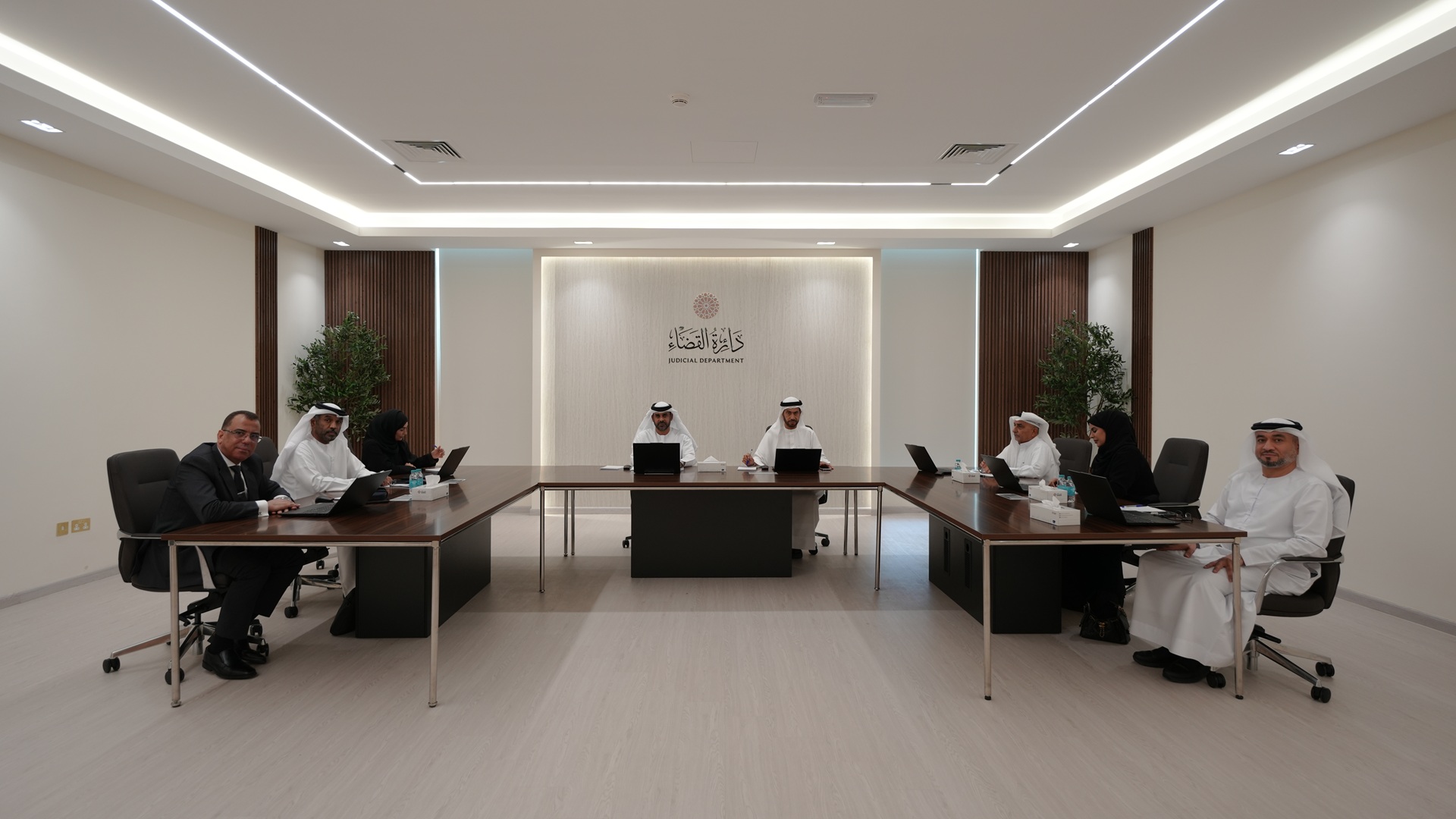
The session, titled "How AI is Changing the Digital Judicial World", was attended by Sheikh Majid bin Sultan bin Saqr Al Qasimi, Executive Council Member and Chairman of the Department of Suburbs Affairs, alongside Judge Dr Mohammed Obaid Al Kaabi, Head of the Sharjah Judicial Department, members of the Judicial Council, government officials from across the emirate, and AI experts. Opening the session, Al Kaabi said AI has become a fundamental pillar in developing the digital judicial system — streamlining procedures, lifting performance, improving service quality and speeding up delivery in ways that support judicial staff rather than replace them, while reinforcing public trust in the justice system.
He also mentioned SJD's partnership with Microsoft to use the latest technology for digital transformation, linking this work to the guidance of His Highness Sheikh Dr Sultan bin Mohammed Al Qasimi, the Ruler of Sharjah, and Sheikh Sultan bin Ahmed bin Sultan Al Qasimi, the Deputy Ruler of Sharjah and Chairman of the Judicial Council, who has been closely monitoring the sector's development and innovation projects.
The session set out to walk through the latest global thinking on AI and its role in judicial development—from supporting decision-making to sharpening operational efficiency and raising the quality of services for the public, with the aim of building a more efficient, forward-looking digital judicial system. Discussion also turned to where AI applications could take judicial services next, alongside the challenges and considerations that come with adopting smart solutions, in line with the UAE and Sharjah's broader direction on digital transformation and government innovation.
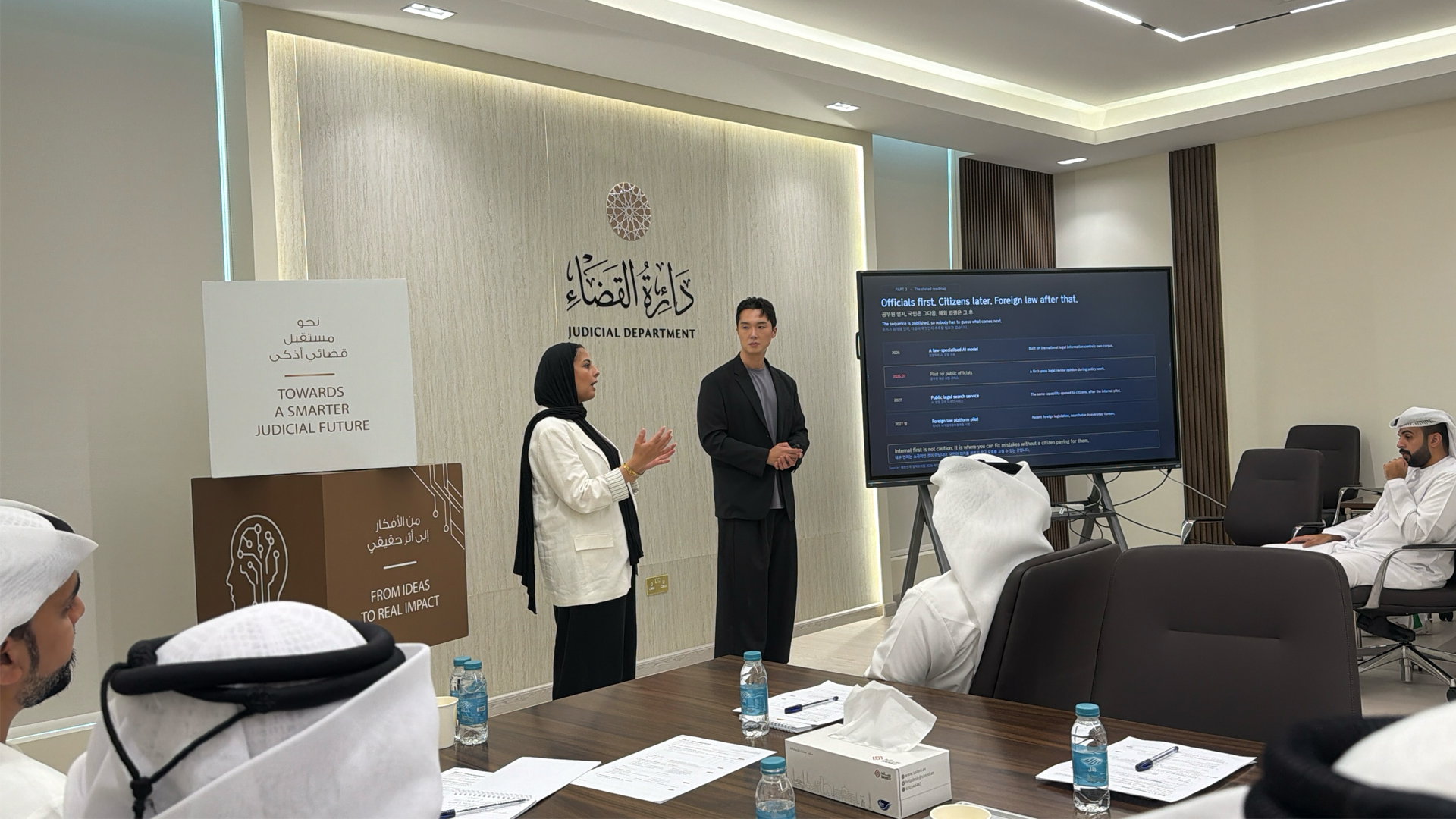
Microsoft experts gave a series of specialised presentations on the latest AI applications in the judicial space, covering how the technology can cut transaction turnaround times, speed up litigation procedures, sharpen legal translations, and support decision-making through data analysis—all aimed at improving people's experiences using the courts and increasing the efficiency of judicial work.
The programme also included a live demonstration of AI tools in a judicial setting, focusing on a smart legal assistant that can help judges and judicial staff with casework, legal precedent analysis, and drafting summaries—work aimed at improving performance quality and strengthening the judicial system as a whole.

 For an optimal experience, please
rotate your device to portrait mode.