Loading...
Loading...


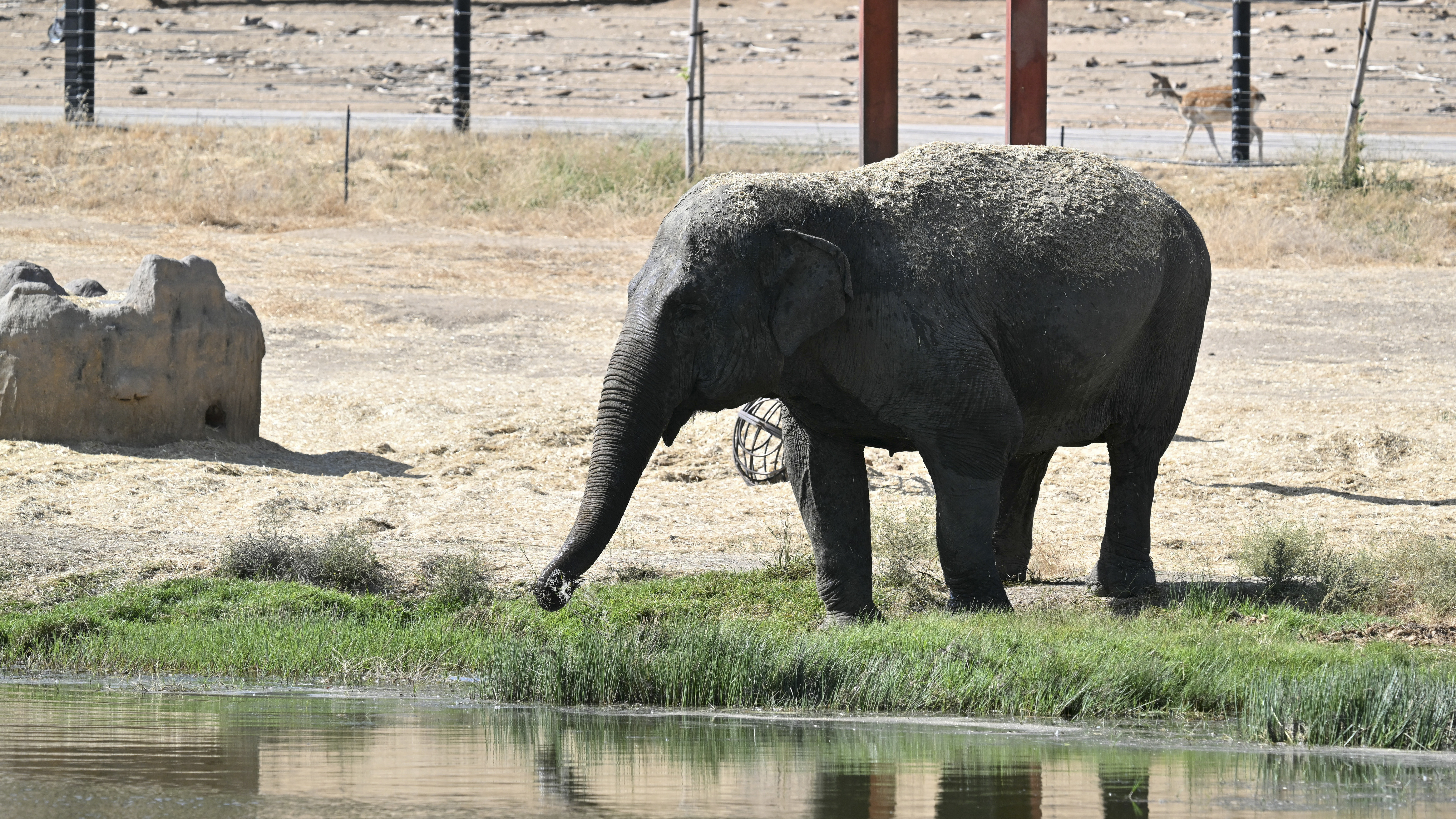
The Amboseli ecosystem spans Amboseli National Park and surrounding community lands in southern Kenya near the Tanzanian border, serving as a critical habitat and migratory route for elephants and other wildlife beneath Mount Kilimanjaro.
KWS reported that 10 of the elephants exhibited identical symptoms, including partial paralysis that prevented them from standing, before succumbing within one to two days.
The fatalities were documented across Amboseli National Park, Kimana Sanctuary, and the Kuku Ranch area. The affected group consisted primarily of adult females and calves, with just one adult male among the reported cases.
The exact cause of death for five of the carcasses could not be established because they were heavily decomposed or scavenged.
While preliminary analysis conducted by the University of Nairobi detected a potential toxic substance, further testing is necessary to determine its concentration, significance, and origin. Meanwhile, initial screenings by the government chemist revealed no traces of the specific toxins tested, prompting ongoing evaluations for alternative toxic agents.
Wildlife authorities are actively inspecting local water sources and other potential environmental hazards to check if the elephants encountered a shared exposure point.
KWS confirmed that there is currently no threat to human safety, emphasizing that the condition appears restricted to the affected elephants with no risk of transmission to people.

 For an optimal experience, please
rotate your device to portrait mode.