Loading...
Loading...


The initiative forms part of the municipality's broader push to sharpen service quality and strengthen public confidence in its regulatory work.
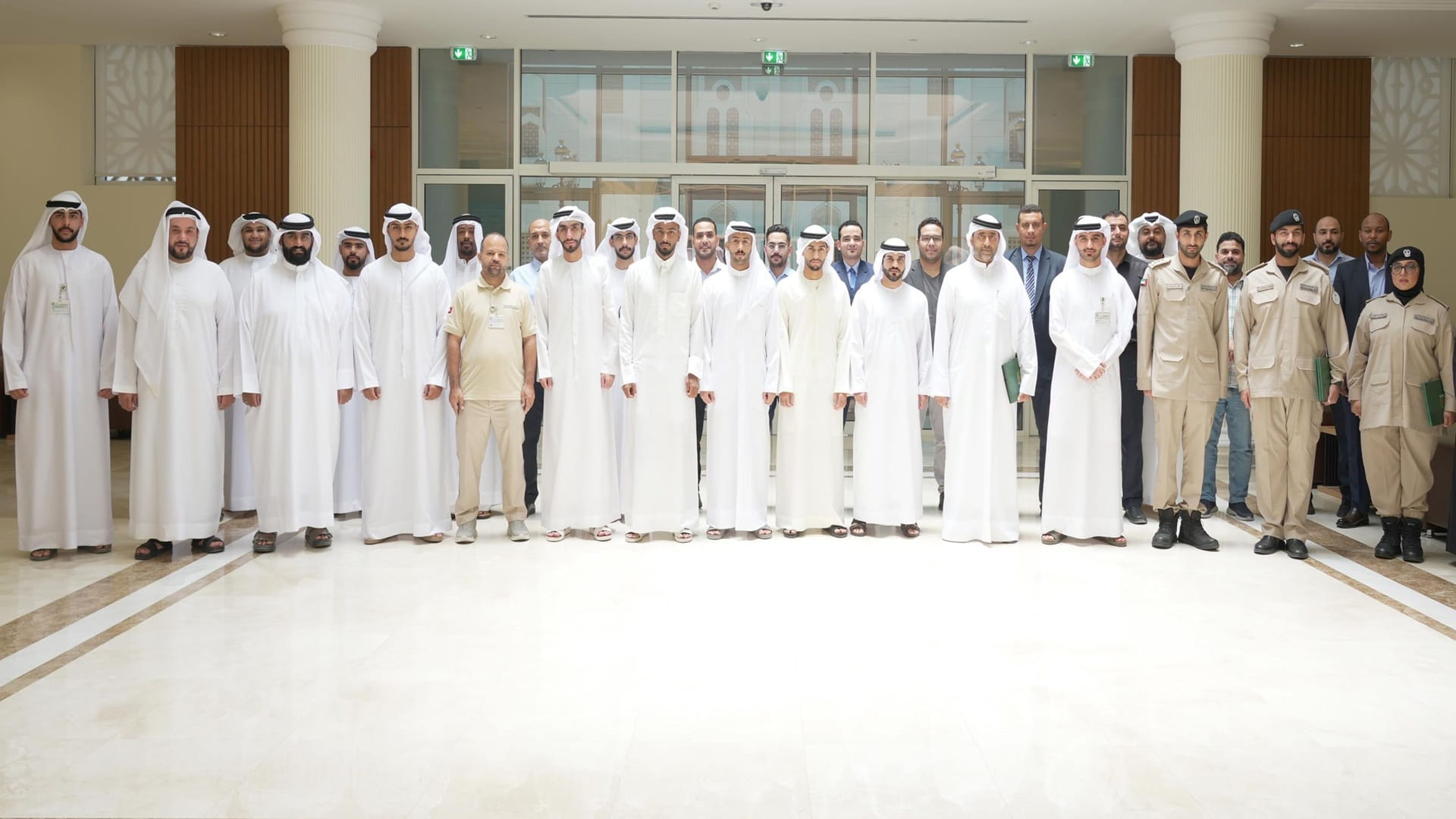
The programme ran across five training batches during the first half of 2026. Sessions covered the legal framework governing judicial policing work, walking inspectors through their specific powers, mandates and procedures. A second strand of the curriculum focused on communication: how to engage professionally and effectively with different segments of the public, preparing inspectors to handle a wide range of field situations with greater confidence.
Obaid Saeed Al Tunaiji, Director-General of Sharjah Municipality, described the development of inspectors' professional and legal capabilities as a core pillar supporting the municipality's institutional work. He said such training programmes help raise the standard of oversight performance, standardise practices and procedures across departments, and reinforce principles of impartiality and professionalism.
Al Tunaiji added that this, in turn, supports the quality of field decisions, protects the rights of community members and strengthens compliance with applicable legislation and regulations.
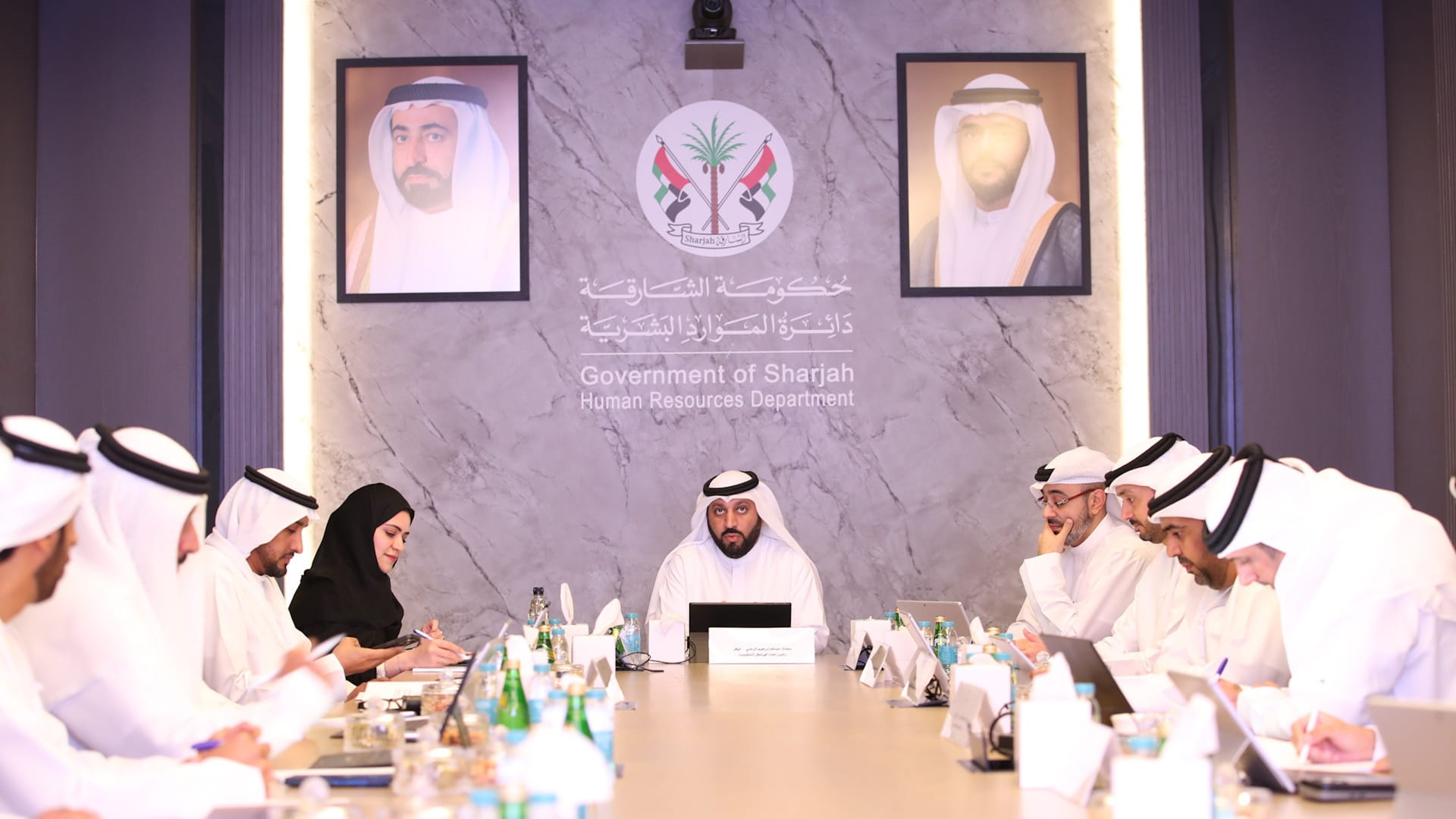
Reem Abdullah Al Russi, Director of the Human Resources Department at Sharjah Municipality, said the workshop fits within the municipality's wider plan to invest in its workforce and equip staff with the knowledge and skills needed to keep pace with evolving job requirements.
Training 212 inspectors across five batches, she said, reflects the municipality's commitment to widening access to quality training programmes and tying them directly to the needs of field operations. She noted that the programme's impact extends beyond the classroom, improving how inspectors communicate with the public, enhancing the customer experience, and lifting institutional performance across service and regulatory sectors alike.
The workshop is the latest output of the strategic partnership between Sharjah Municipality and the Sharjah Police Academy, an arrangement aimed at building national capabilities and improving regulatory and field performance. The collaboration is designed to ensure procedures are applied lawfully and proportionately while raising awareness of, and compliance with, relevant regulations – outcomes the municipality says feed into quality of life and the city's civic image more broadly.

 For an optimal experience, please
rotate your device to portrait mode.