Loading...
Loading...


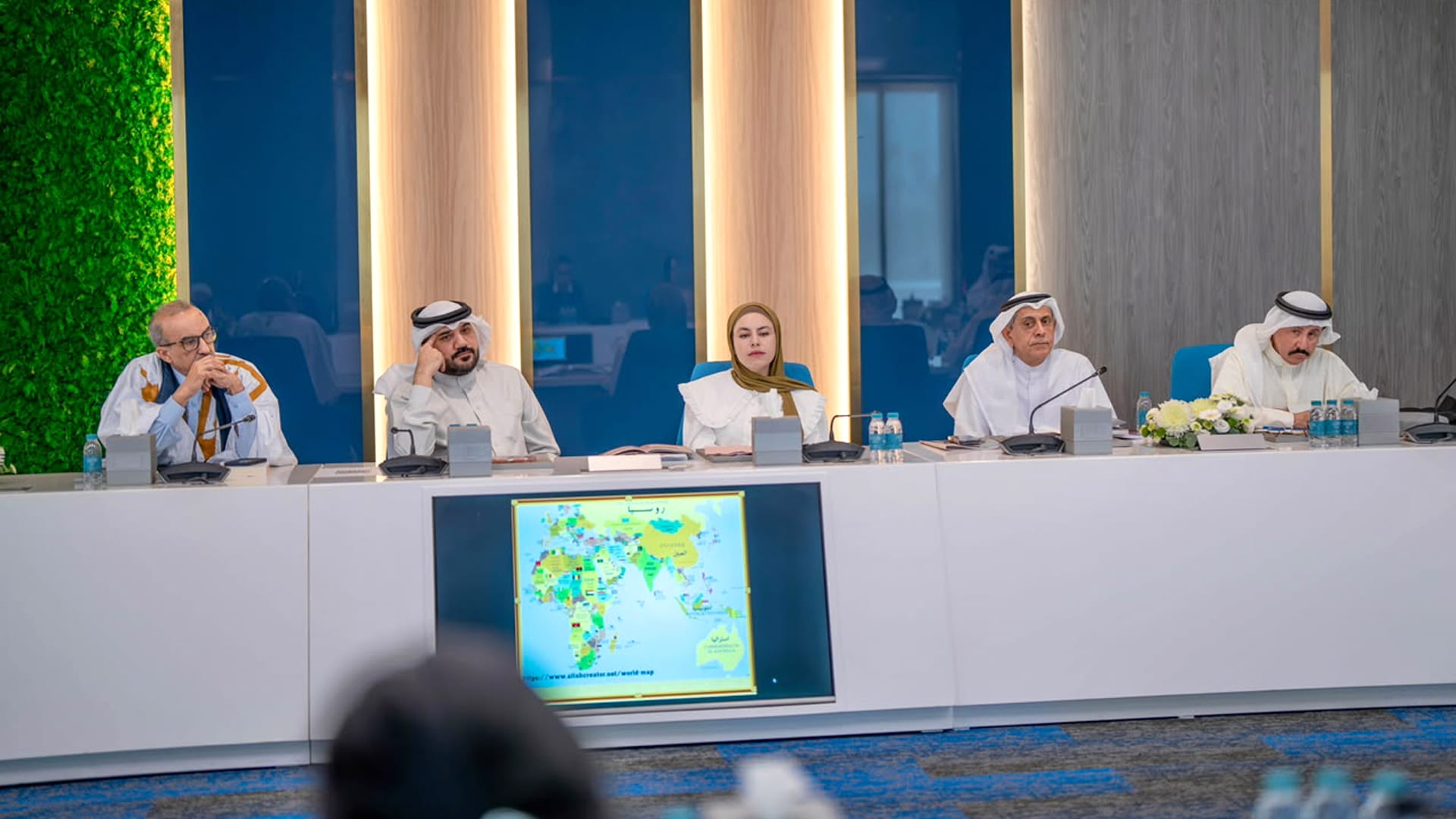
The fifth session featured Mohammed Saeed Al Balushi from Qatar discussing diverse Arab models for preserving oral heritage, and researcher Fatima Al-Mansouri reviewed the role of Nabati poetry in the UAE as an oral record that documented the details of traditional life, especially diving and hunting trips.
Dr Yahya Lotf Al Abbali addressed the state of intangible cultural heritage in Yemen, highlighting the major challenges facing its preservation efforts under current circumstances. He commended the role of Yemeni tribes in safeguarding and transmitting folklore to future generations. Dr Amani Al Junaidi from Palestine discussed the experience of documenting Palestinian oral traditions and narratives, emphasizing the importance of preserving this heritage as an integral part of national and cultural identity.
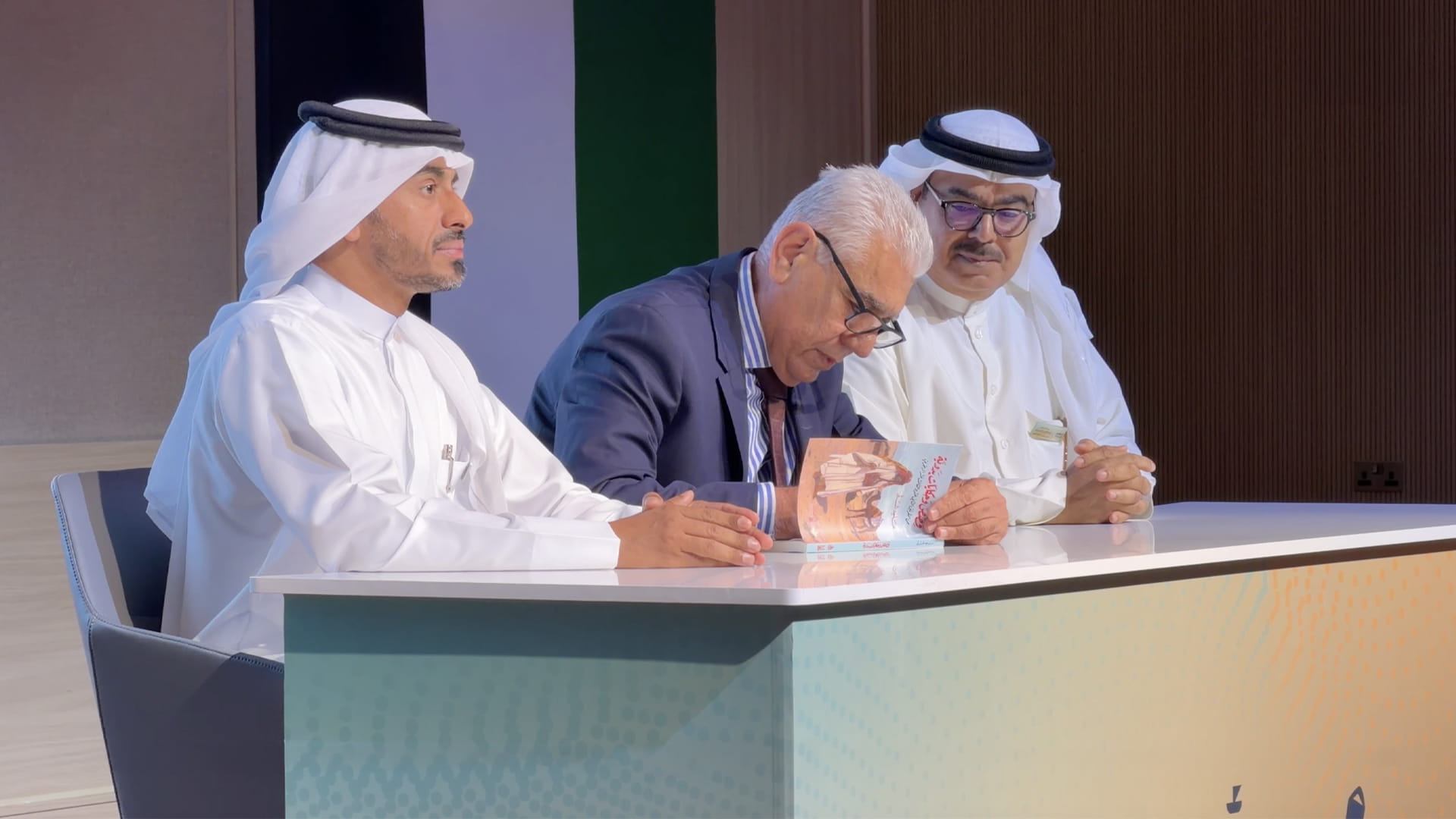
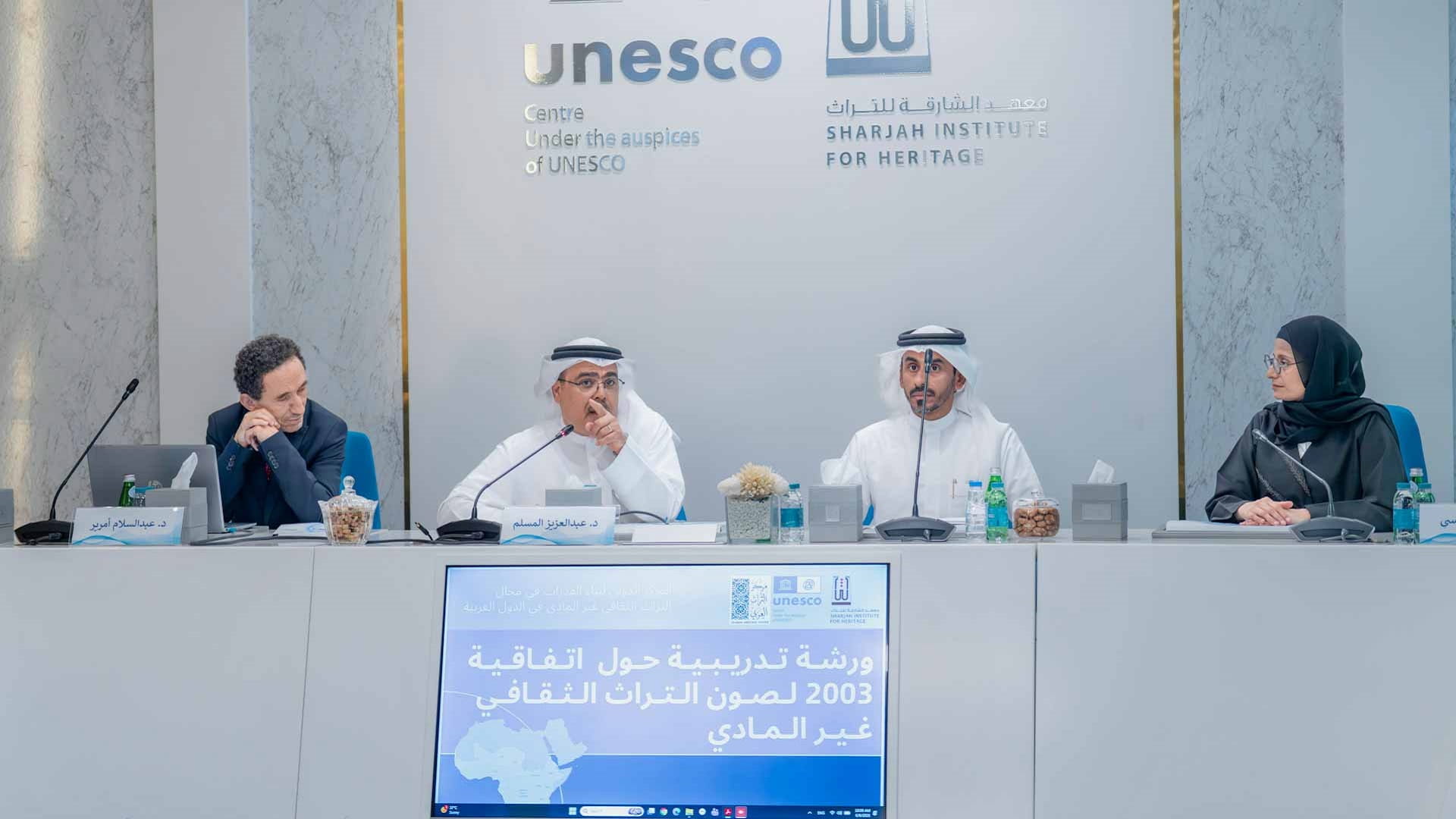
Dr Abdulaziz Al Musallam, President of the Institute and Chairman of the Conference, presented a research paper on mythical creatures in Emirati folktales, exploring the interplay between oral tradition and written documentation. He reviewed the experience of documenting approximately 37 mythical creatures found in Emirati folklore. Dr Al Musallam explained that the study relied on tracing the historical origins of these figures, examining the environments in which they were known, and linking them to ancient Arabic sources.
Dr Sayed Hamed Hariz discussed how Sudan has contributed to the rich world of Arabic storytelling and how its culture has evolved over time. At the same event, Professor Mohammed Saeed Al Balushi shared insights on how social and technological changes have affected the storytelling traditions in Qatar. Dr Saif Al Badawi discussed how place names have changed from being passed down orally to being officially recorded.
Professor Aisha Al Hassan, Head of the Arab Heritage Center at the SIH, stressed the role of oral traditions in preserving cultural heritage. Dr Ahmed Al Naqbi examined how narrative practices relate to the broader concept of intangible cultural heritage. Professor Noura Al Kindi pointed out how they help maintain a community's identity. Dr Adi Ould Adab examined proverbs from the Hassaniya culture in Mauritania and nearby regions, demonstrating how they reflect local identity. Professor Mariam Al Mazroui discussed the significance of water and traditional irrigation systems, connecting them to both environmental and cultural heritage.
During the eighth session, led by Professor Khadija Al Balushi, participants discussed the challenges traditional storytelling faces in today’s digital world. Dr Hafsa Aboud presented a study on traditional medicine practices in northern Morocco and how technology influences them. Dr Afaf Abdelhafiz from Sudan discussed the risks of misusing oral heritage in the digital age and ways to protect it. Professor Fahad Al Maamari suggested several strategies to preserve and safeguard these cultural traditions.
Professor Talal Al Rumaidhi focused on documenting and archiving intangible cultural heritage. Professor Khalid Al Badour reviewed the UAE's efforts to preserve its heritage and the challenges it faces. Dr Wadha Hamdan discussed the connection between Emirati artistic experiences and oral traditions in a digital context. The session concluded with Dr Mariam Al Maliki’s presentation on how storytelling traditions help with both the production and preservation of cultural heritage.

 For an optimal experience, please
rotate your device to portrait mode.