Loading...
Loading...


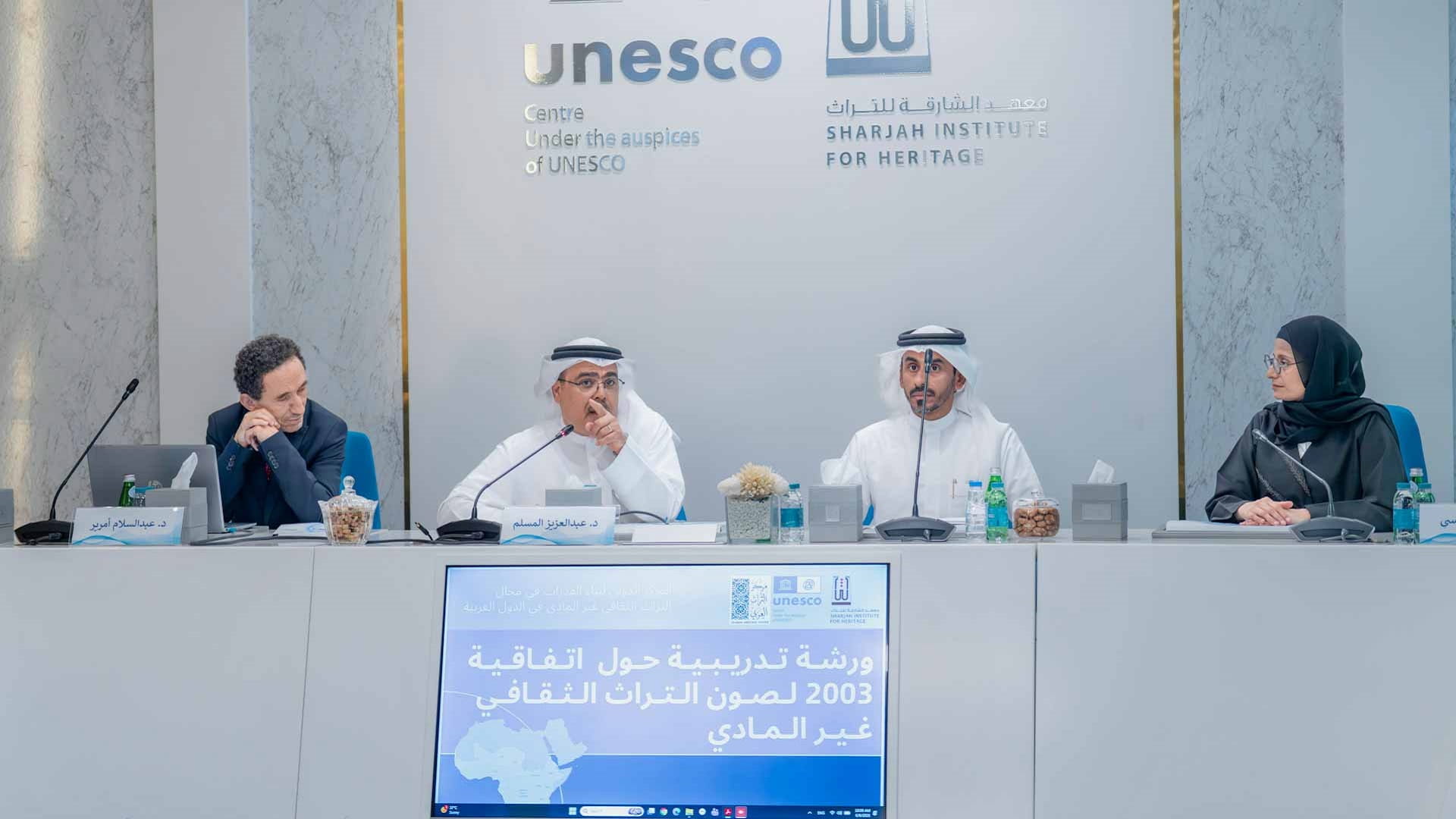
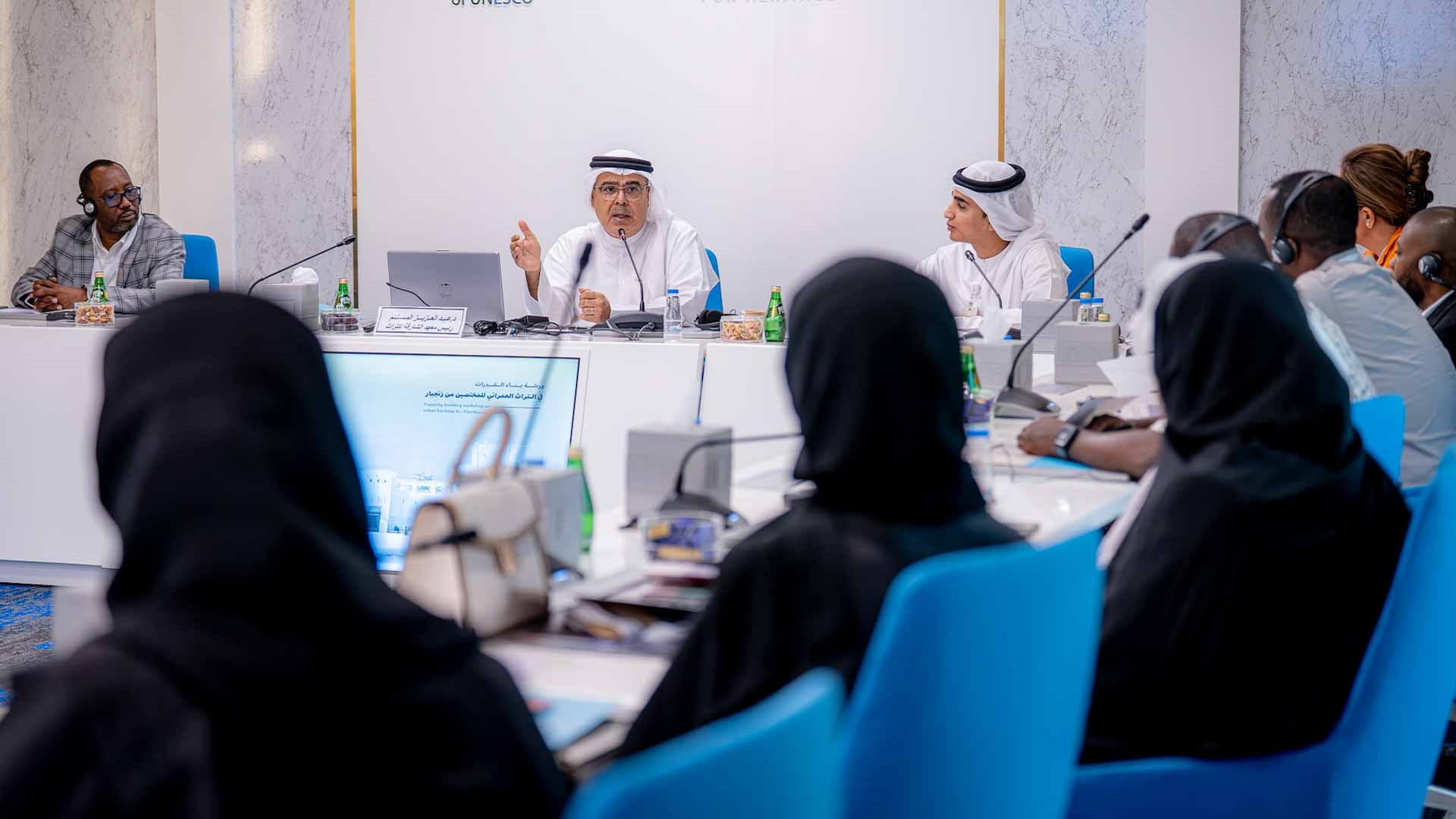
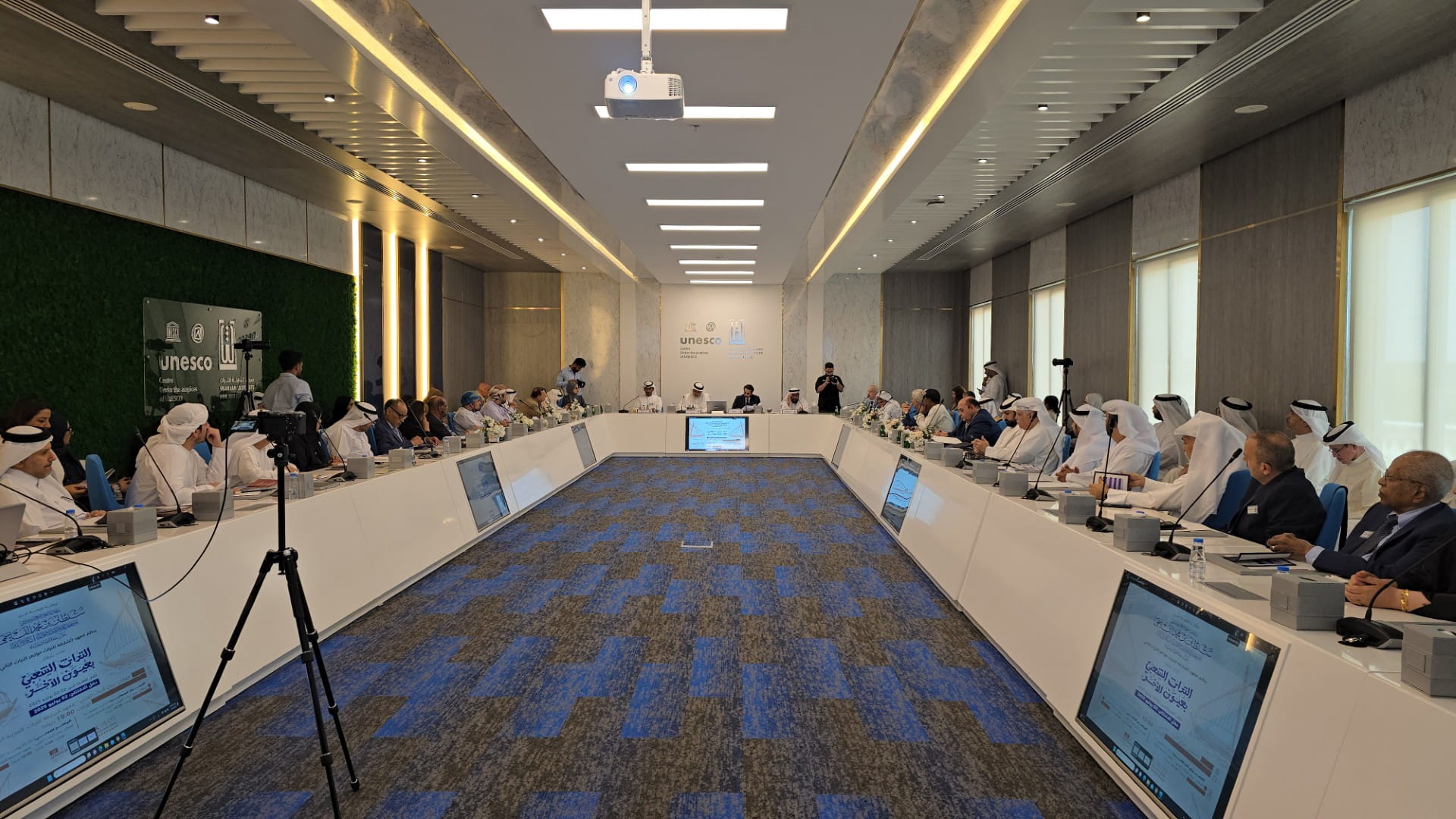
The workshop, organised by the Institute from June 8-11, 2026, brought together researchers, specialists, representatives from government entities, and those interested in heritage affairs. Its aim was to develop professional capacities in the areas of inventory, documentation, and safeguarding, and to raise awareness of living cultural heritage and mechanisms for its sustainability.
Training: The gateway to qualification
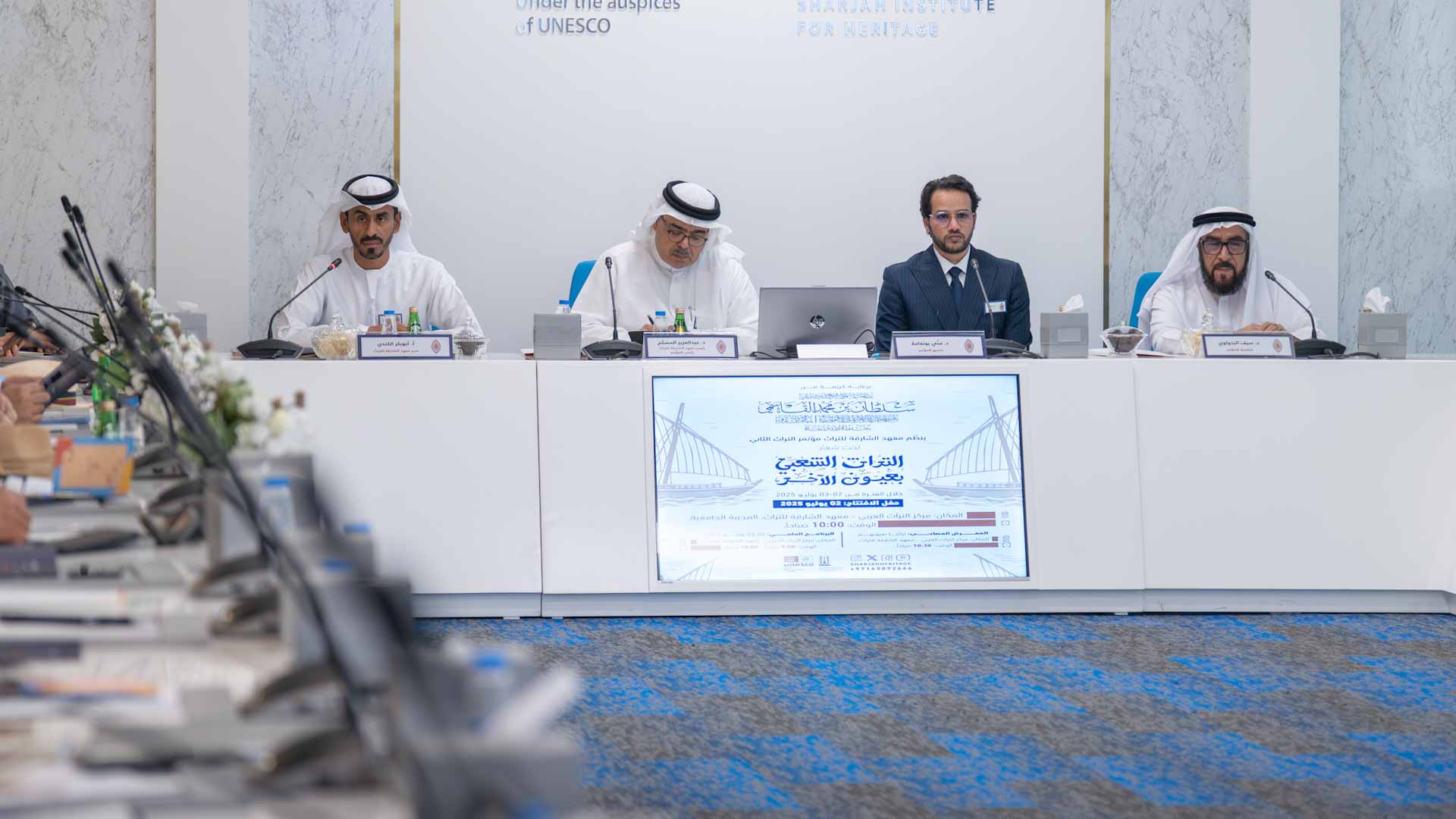
The workshop commenced with an opening session in which His Excellency Dr Abdul Aziz Al-Musallam, Chairman of the Institute, emphasised that training is a fundamental pillar in developing the competencies of those working in the field of cultural heritage. He noted that the workshop is part of a series of specialised programs organised by the Institute through the Arab Heritage Centre, which is classified as a Category II centre by UNESCO.
Dr Al-Musallam explained that building a qualified researcher requires combining academic knowledge with practical experience. He stressed that education strengthens knowledge, while training provides applied skills, enabling more effective fieldwork, documentation, and heritage collection.
He urged participants to benefit fully from the workshop’s scientific and practical content and to remain open to learning and new experiences, stressing that heritage work requires a spirit of discovery and scientific objectivity.
Heritage with a scientific approach
Dr Al-Musallam emphasised the importance of addressing cultural heritage through a balanced scientific approach free from bias. He noted that safeguarding heritage goes beyond pride, requiring documentation, preservation, and presentation in ways that protect its cultural and civilisational value for future generations. He added that rapid societal changes increase the responsibility to document heritage using modern scientific methods to ensure its authenticity and continuity.
The 2003 Convention: Workshop focus
Professor Aisha Rashid Al-Hasan Al-Shamsi, Director of the Arab Heritage Center, said the workshop aims to enhance understanding of the 2003 UNESCO Convention for the Safeguarding of the Intangible Cultural Heritage, including its concepts, domains, and practical protection mechanisms.
She explained that the program targets government representatives and researchers from the Sharjah Heritage Institute, combining theoretical and practical training to build skills in applying the Convention.
Al-Shamsi added that the four-day workshop focuses on inventorying, documentation, and preparing nomination files for intangible cultural heritage elements in line with UNESCO requirements.
Amrir: A deeper understanding of living heritage
Dr Abdel Salam Amrir, UNESCO-accredited facilitator of the 2003 Convention, highlighted the growing global interest in intangible cultural heritage and the importance of understanding its role in sustainable development and international cooperation.
He explained that the workshop covers theoretical and practical topics, starting with an introduction to the Convention, followed by local heritage management, and ending with international cooperation mechanisms.
He noted that participants receive training in inventory methods, documentation ethics, and preparation of UNESCO nomination files, supported by practical examples.
Convention concepts and safeguarding mechanisms
The first day included participant presentations and discussions on evolving heritage concepts, UNESCO conventions, and operational guidelines of the 2003 Convention. It also addressed key concepts such as living heritage, cultural domains, and the role of communities in safeguarding and sustaining heritage.
From safeguarding to UNESCO files
The second day focuses on local safeguarding approaches, sustainable development links, intellectual property, and technical assistance. The third day covers field documentation, interviews, and photography techniques. The fourth and final day addresses the preparation of UNESCO nomination files, including the Representative List, Urgent Safeguarding List, and Register of Best Safeguarding Practices.
The workshop reflects the Sharjah Heritage Institute’s commitment to building specialized expertise capable of safeguarding and documenting intangible cultural heritage in line with international standards.

 For an optimal experience, please
rotate your device to portrait mode.