Loading...
Loading...


WFP: El Niño may intensify through 2026
According to the World Food Programme (WFP), El Niño conditions have already been confirmed, with an 80–90 percent probability of intensifying through 2026 and potentially becoming one of the most powerful events on record. The agency stressed that early action could help protect millions in vulnerable countries.
WMO forecasts peak between July and September
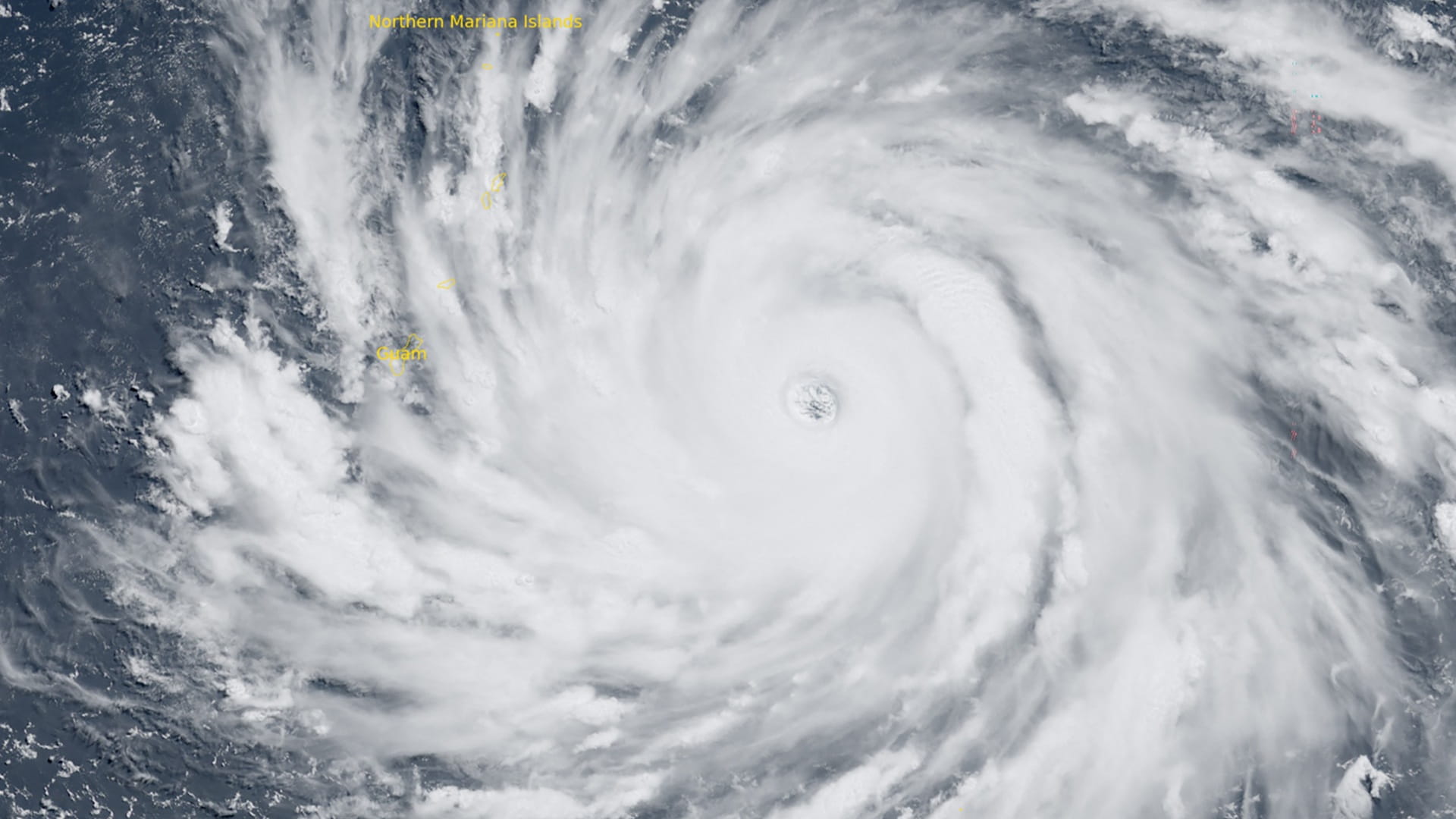
The World Meteorological Organization (WMO) cautioned that El Niño is expected to strengthen in the coming months, likely peaking between July and September. It said the phenomenon is already established in the tropical Pacific Ocean and will likely intensify further as sea surface temperatures rise, increasing the risk of extreme weather events across multiple regions.
Urgent call for early intervention
WFP Acting Executive Director Carl Skau warned that the world has a narrow window to prevent a major food security crisis, stressing the need for urgent action to safeguard livelihoods before conditions worsen.
Strain on global food systems
Experts note that early forecasting gives governments and aid organisations an opportunity to act ahead of crop failures, floods, and droughts. However, global food systems are already under pressure from rising energy and fertiliser costs linked to geopolitical tensions, increasing the risk of worsening food insecurity if climate shocks occur.
Historical impact and regional risks
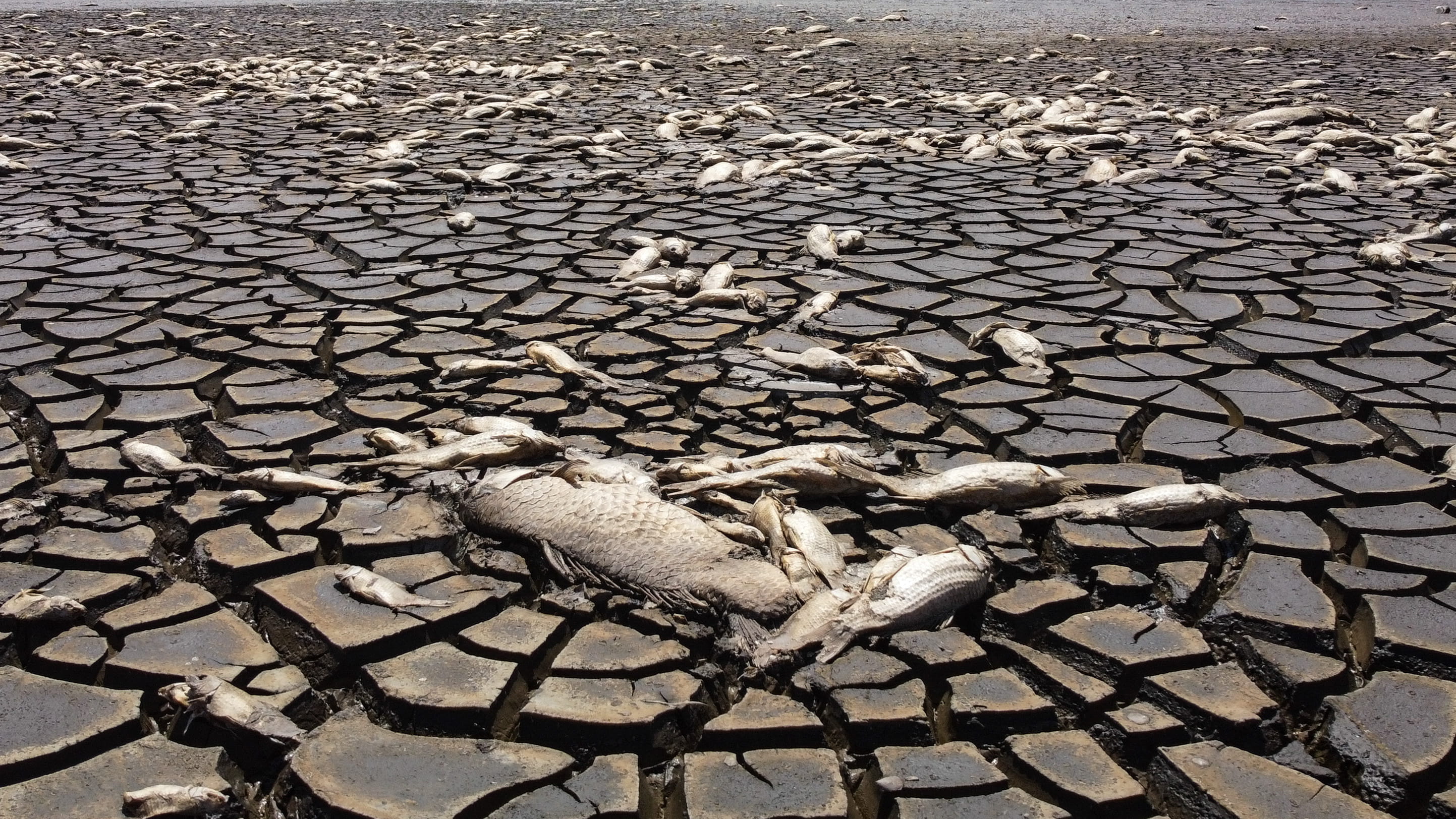
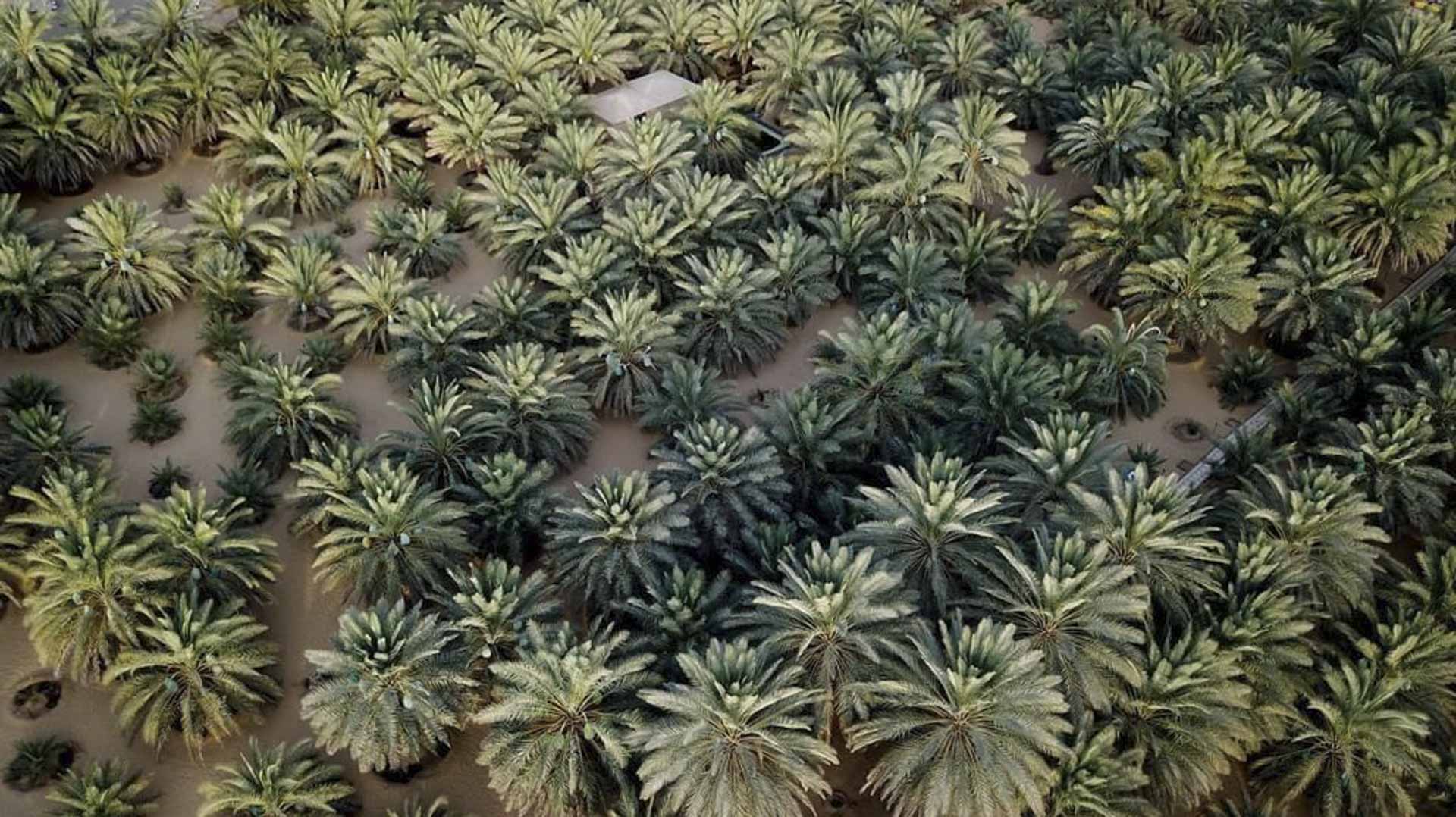
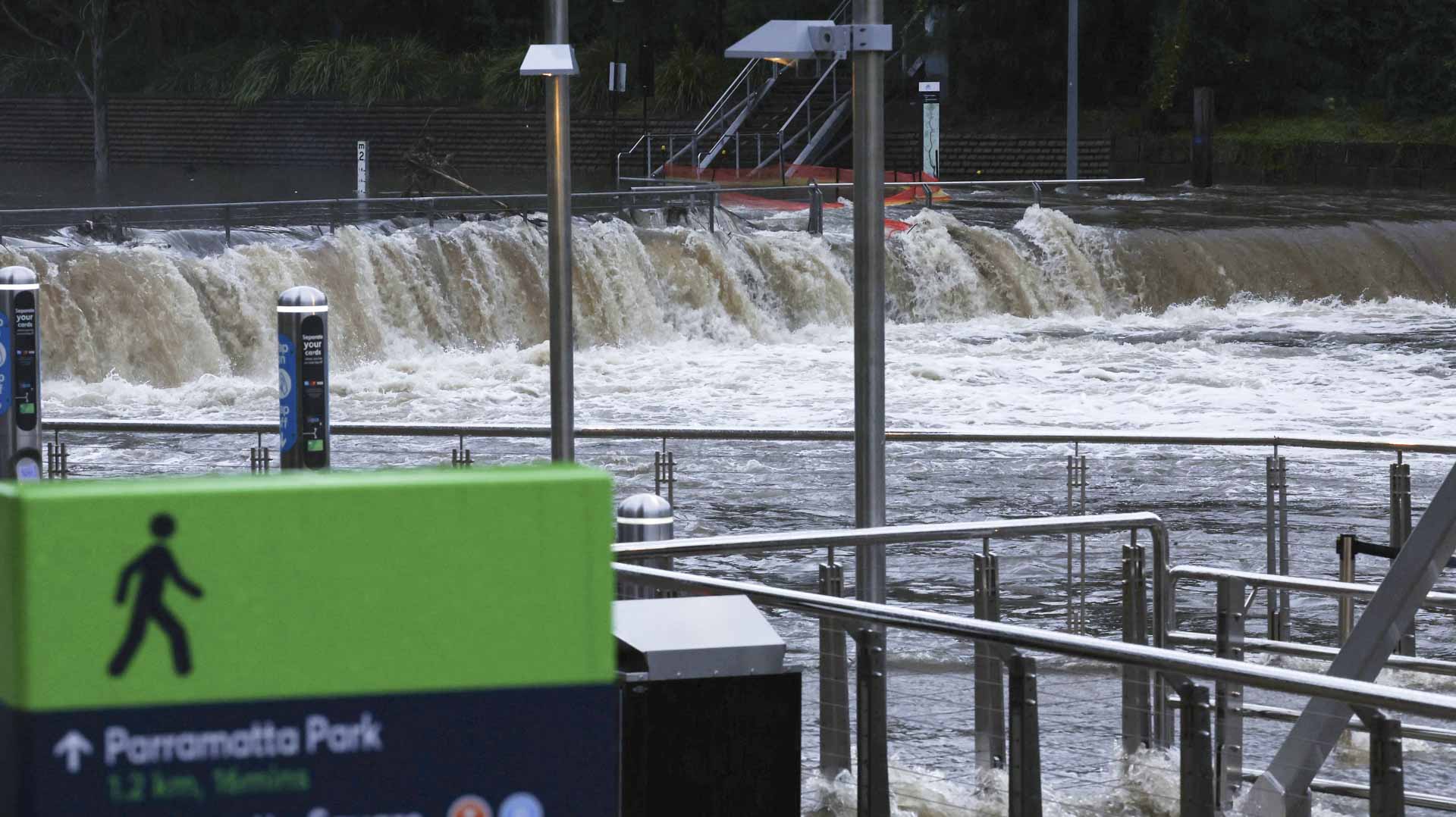
The WFP recalled that the 2015–2016 El Niño affected around 60 million food-insecure people. Current projections show varied regional impacts: droughts in southern Africa and the Sahel, flooding in the Horn of Africa, prolonged dry conditions in Central America and the Caribbean, and a combination of drought and flooding risks across parts of Asia and the Pacific.
Cost-effectiveness of early action
Climatologists emphasise that anticipatory measures are highly cost-effective, noting that every dollar spent on early intervention can save up to seven dollars in future losses.
Scientific warnings on environmental damage
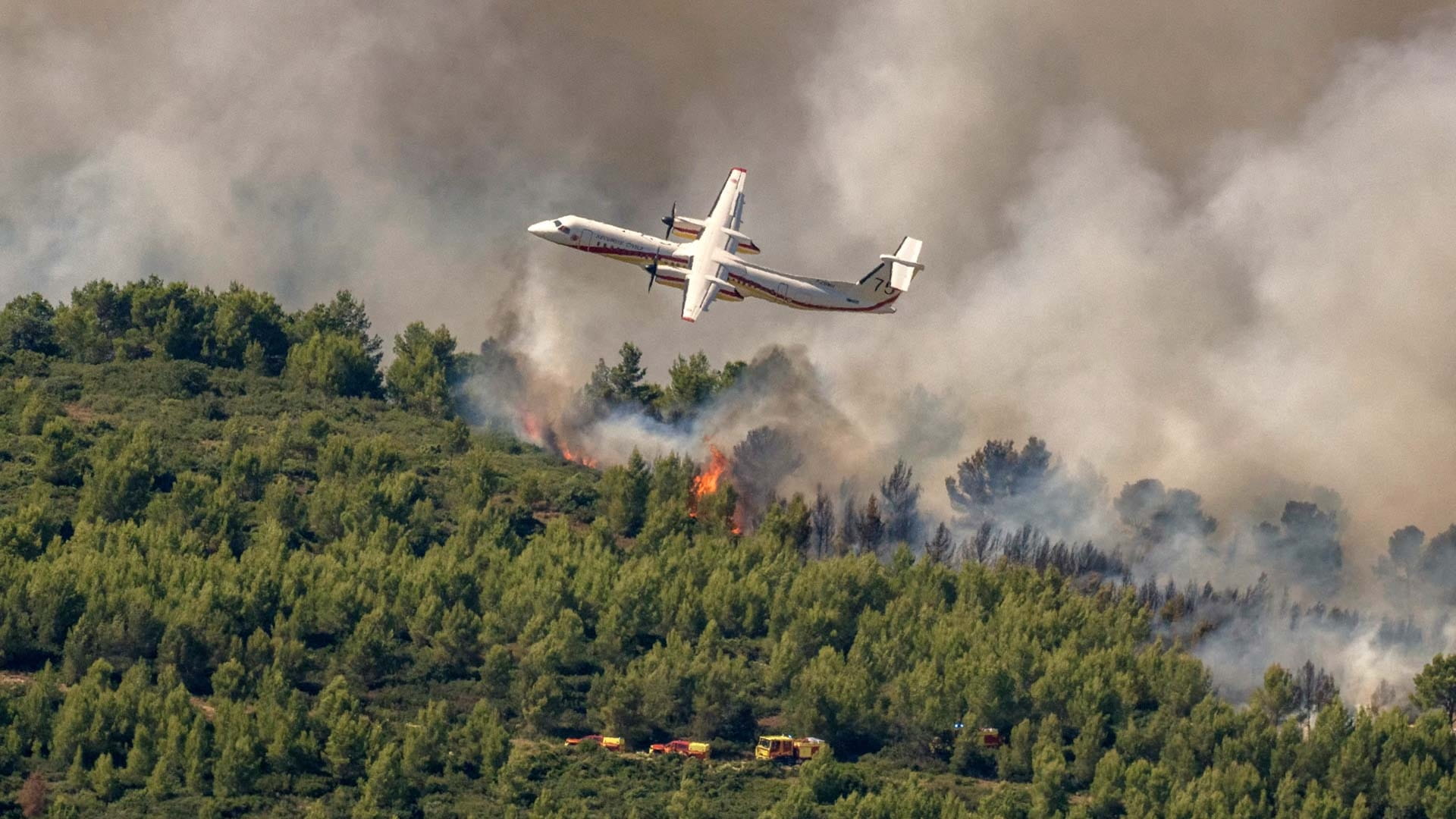
Dr Mohsen Abdullah Al Yafei, Professor of Marine Environment at Qatar University, described El Niño as a recurring but intensifying phenomenon driven by global warming. He warned of rising sea levels, prolonged heatwaves, and increased extreme weather events such as droughts, floods, and wildfires.
Environmental and economic consequences
He also highlighted severe impacts on agriculture, food prices, marine ecosystems, and biodiversity, including coral bleaching and fish die-offs. He stressed that coral reefs are highly vulnerable to rising ocean temperatures and may face long-term degradation.
Call for global coordination and preparedness
Dr Al Yafei urged stronger international coordination through organisations such as the United Nations and the FAO. He recommended early interventions including drought-resistant crops, planned evacuations in flood-prone areas, and improved early warning systems.
Need for proactive climate response
He concluded that most countries still respond after disasters occur rather than acting in advance, emphasising that proactive, multi-sector preparedness is essential to reduce the human and economic toll of climate-related disasters.

 For an optimal experience, please
rotate your device to portrait mode.