Loading...
Loading...


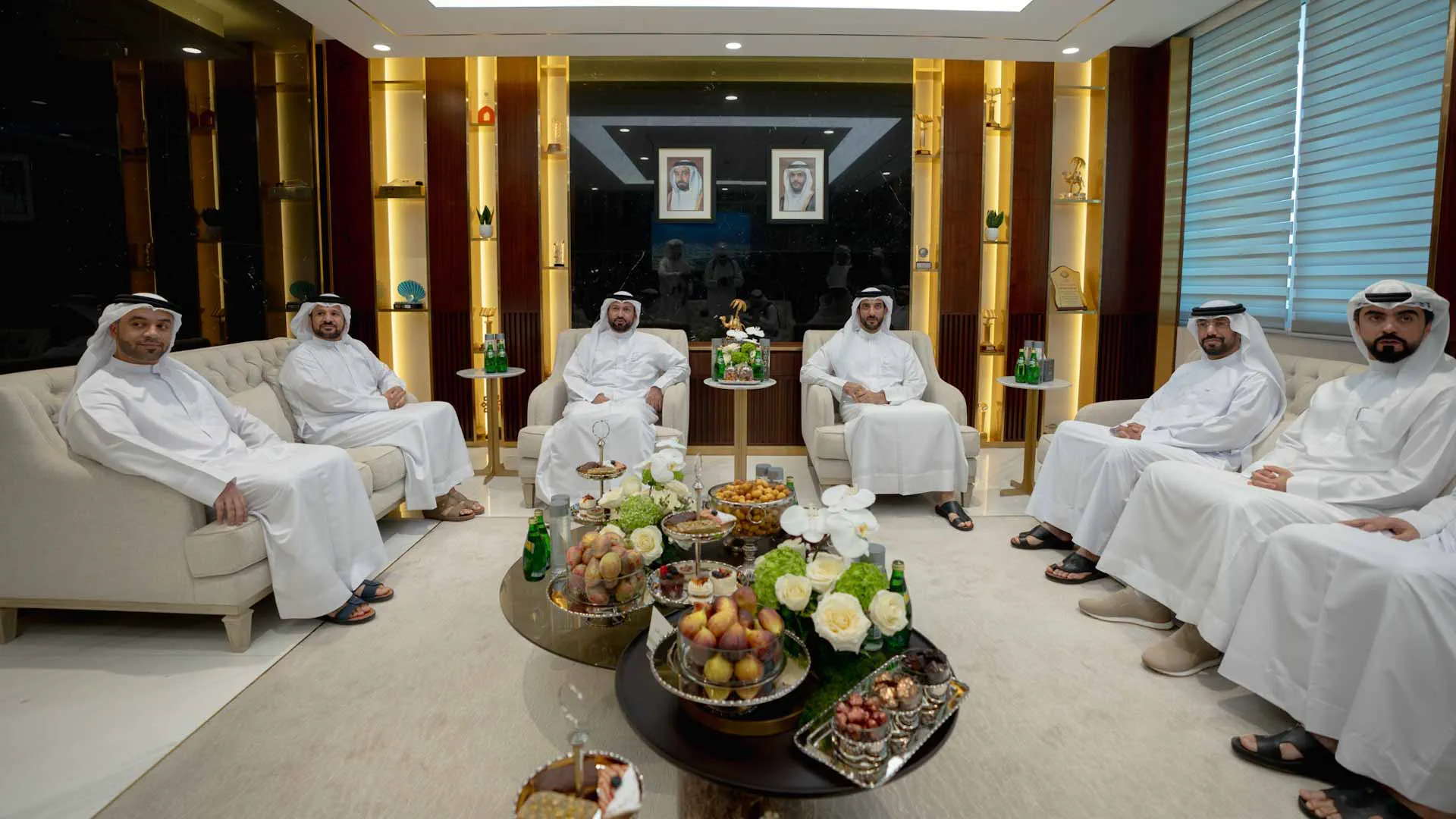
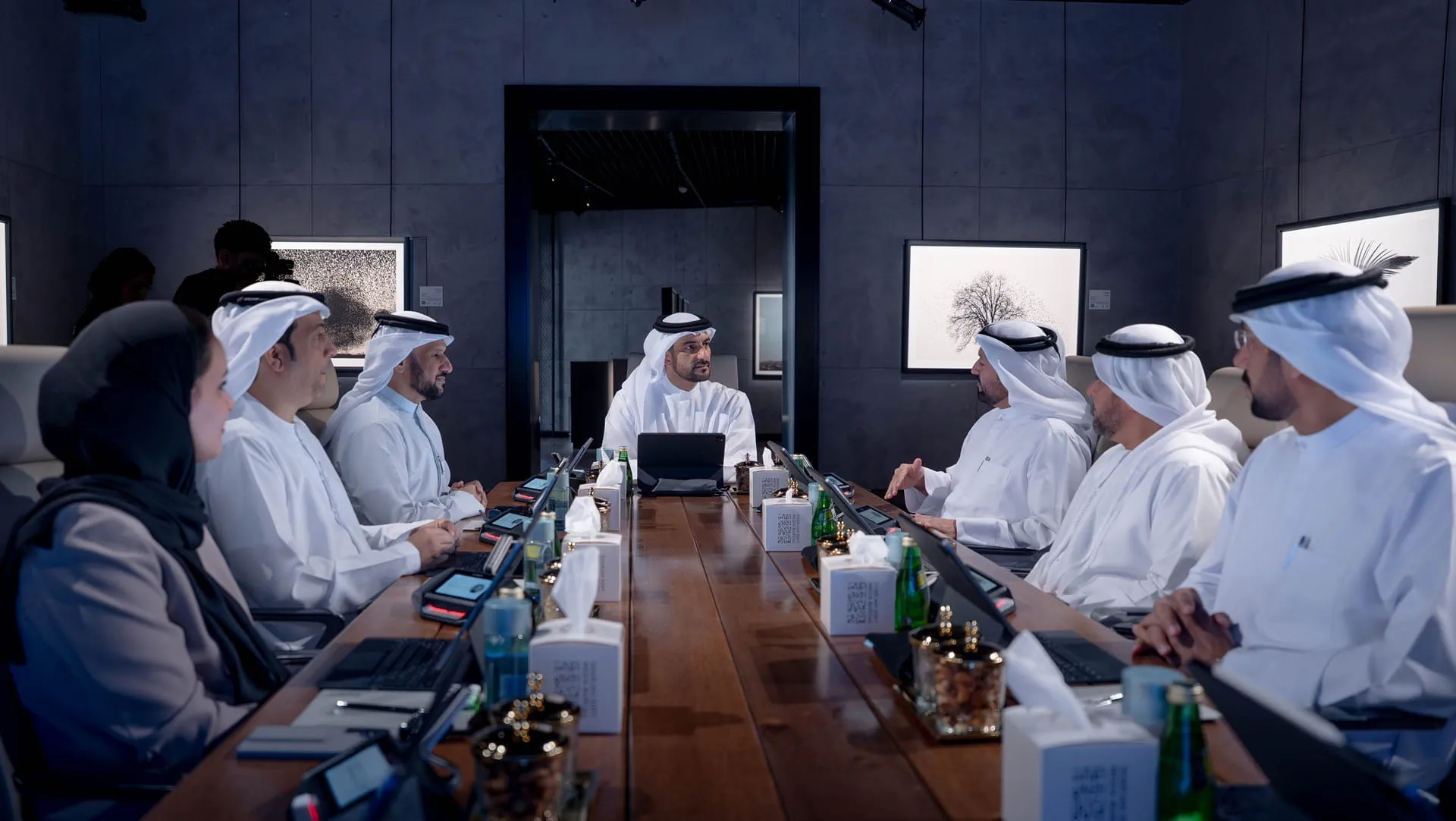
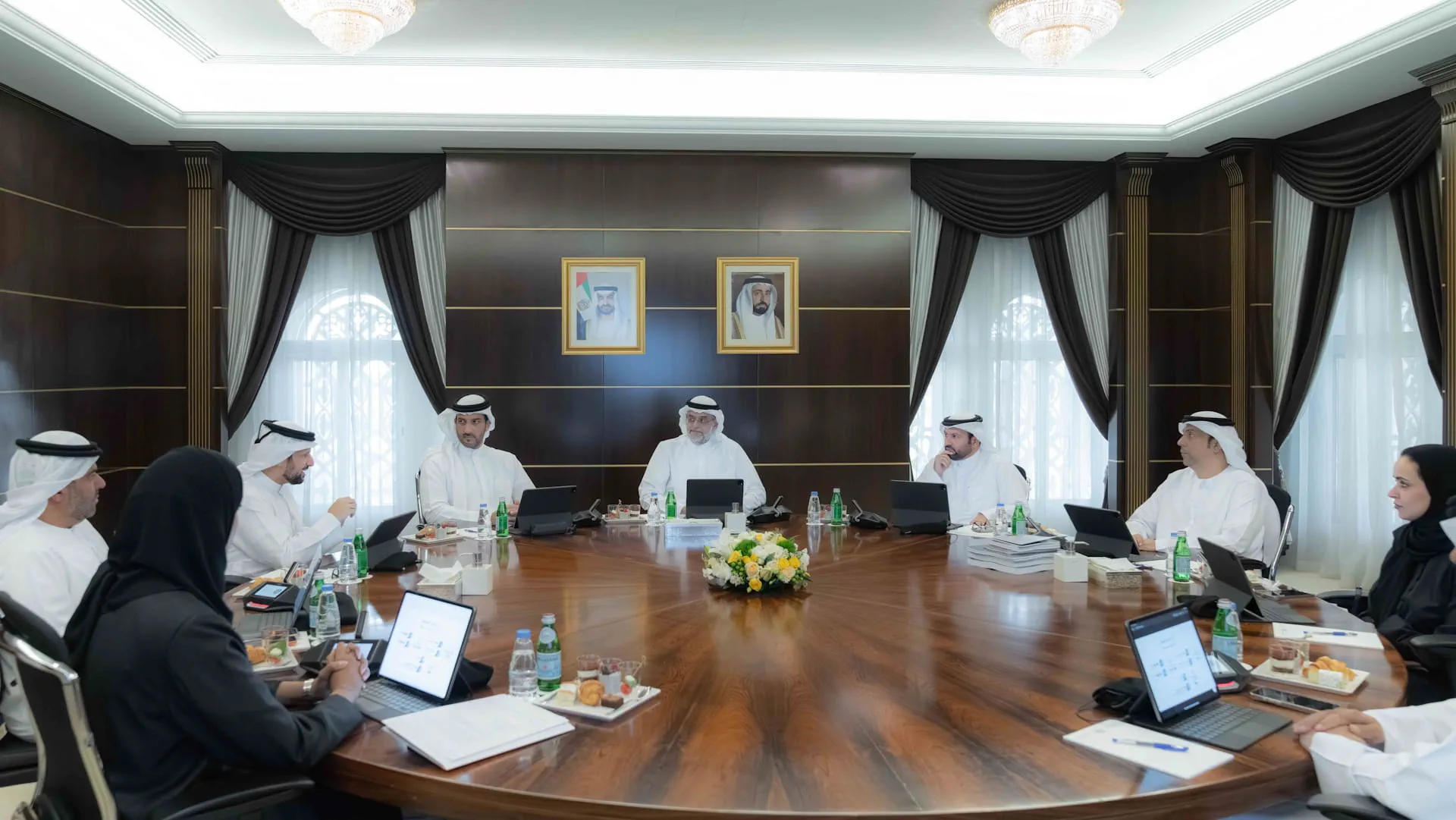
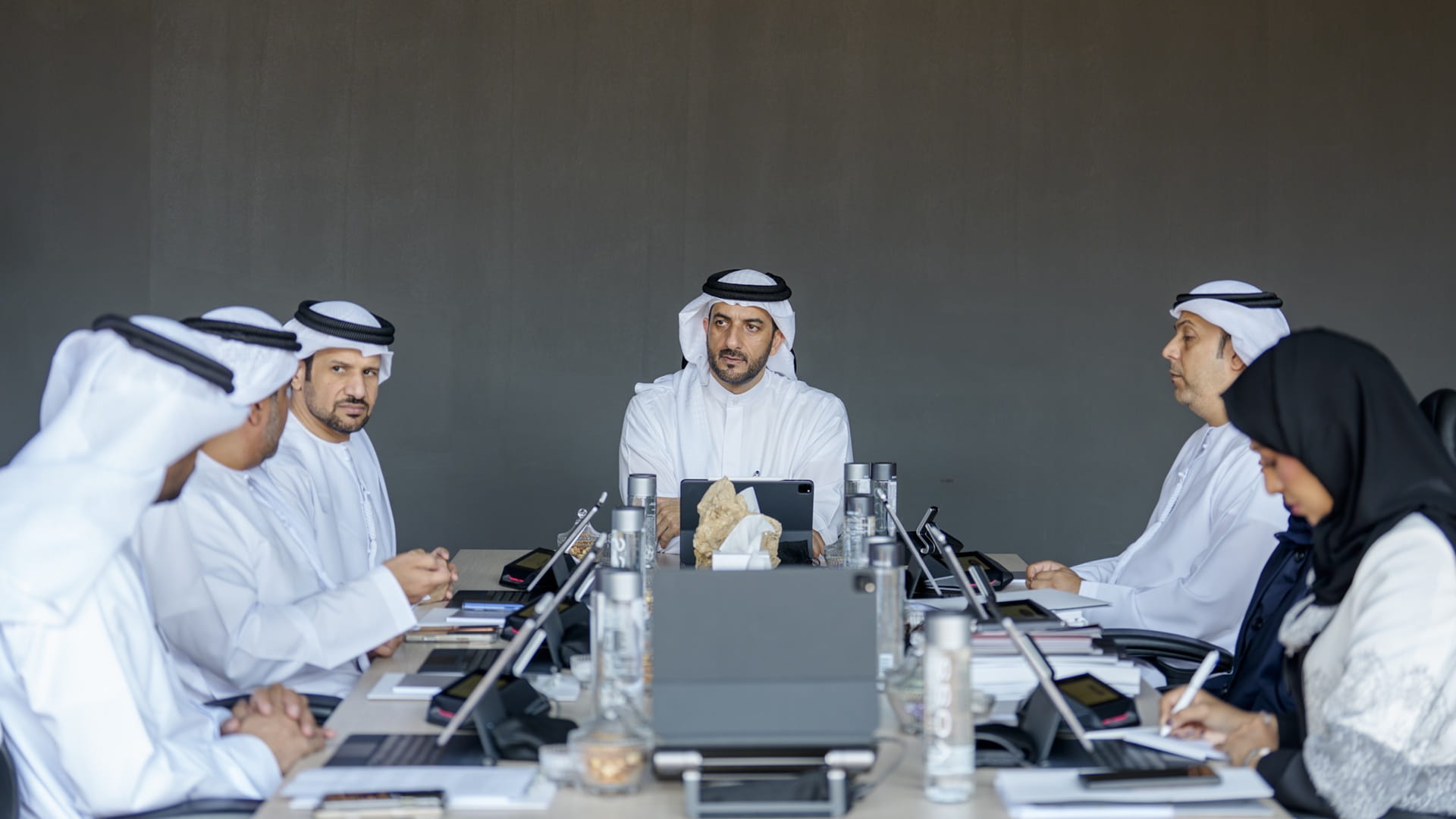
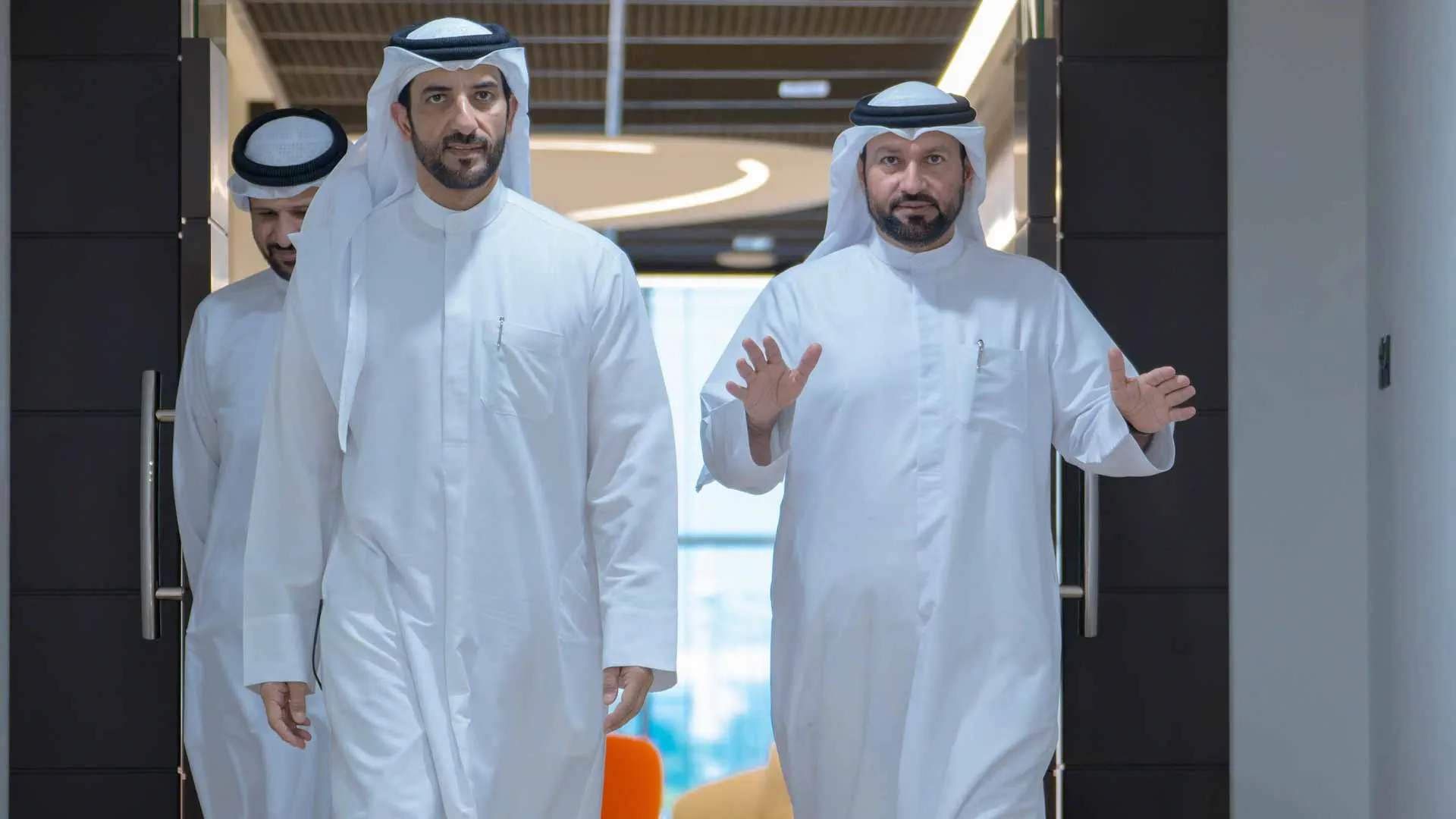
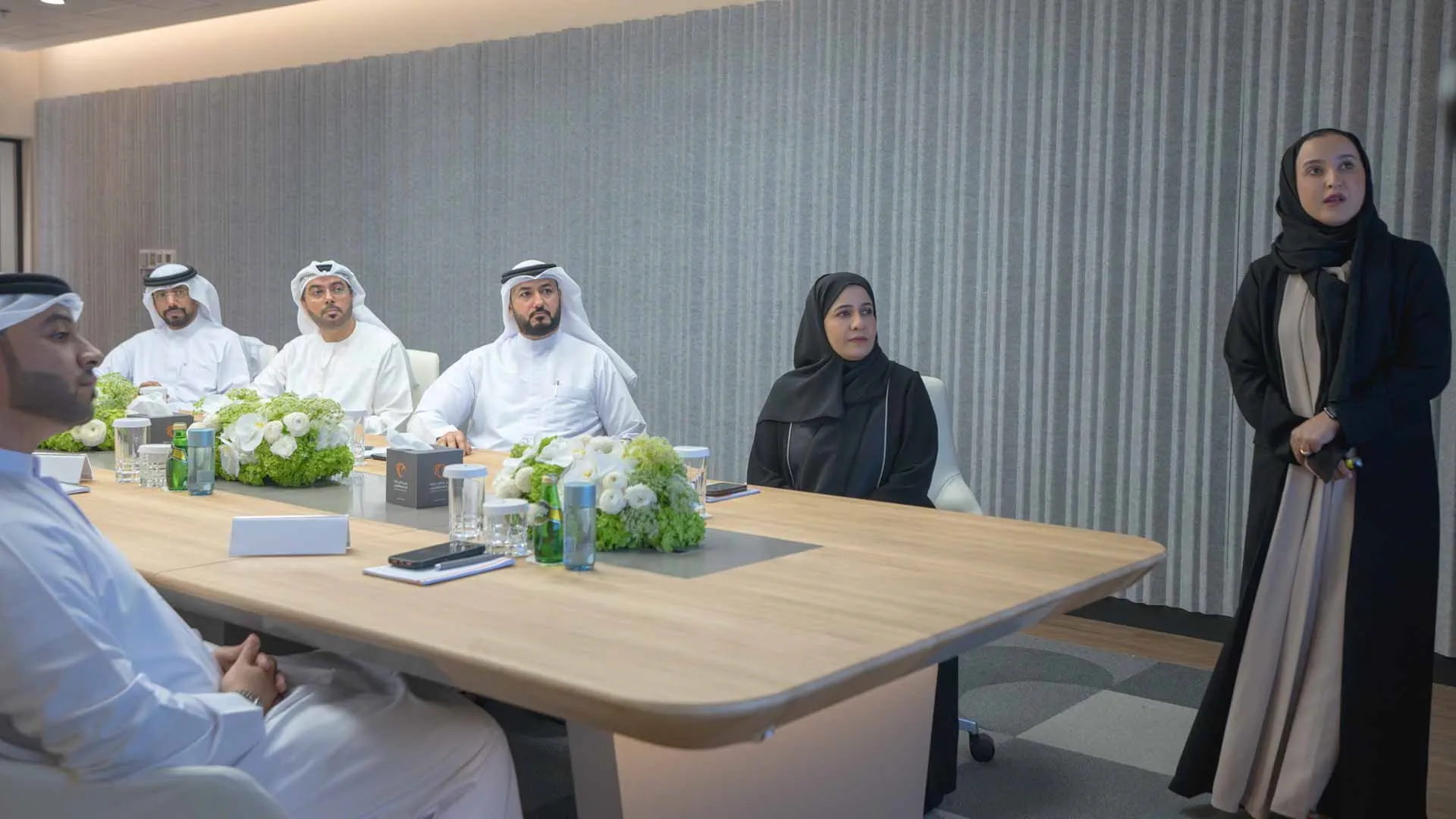
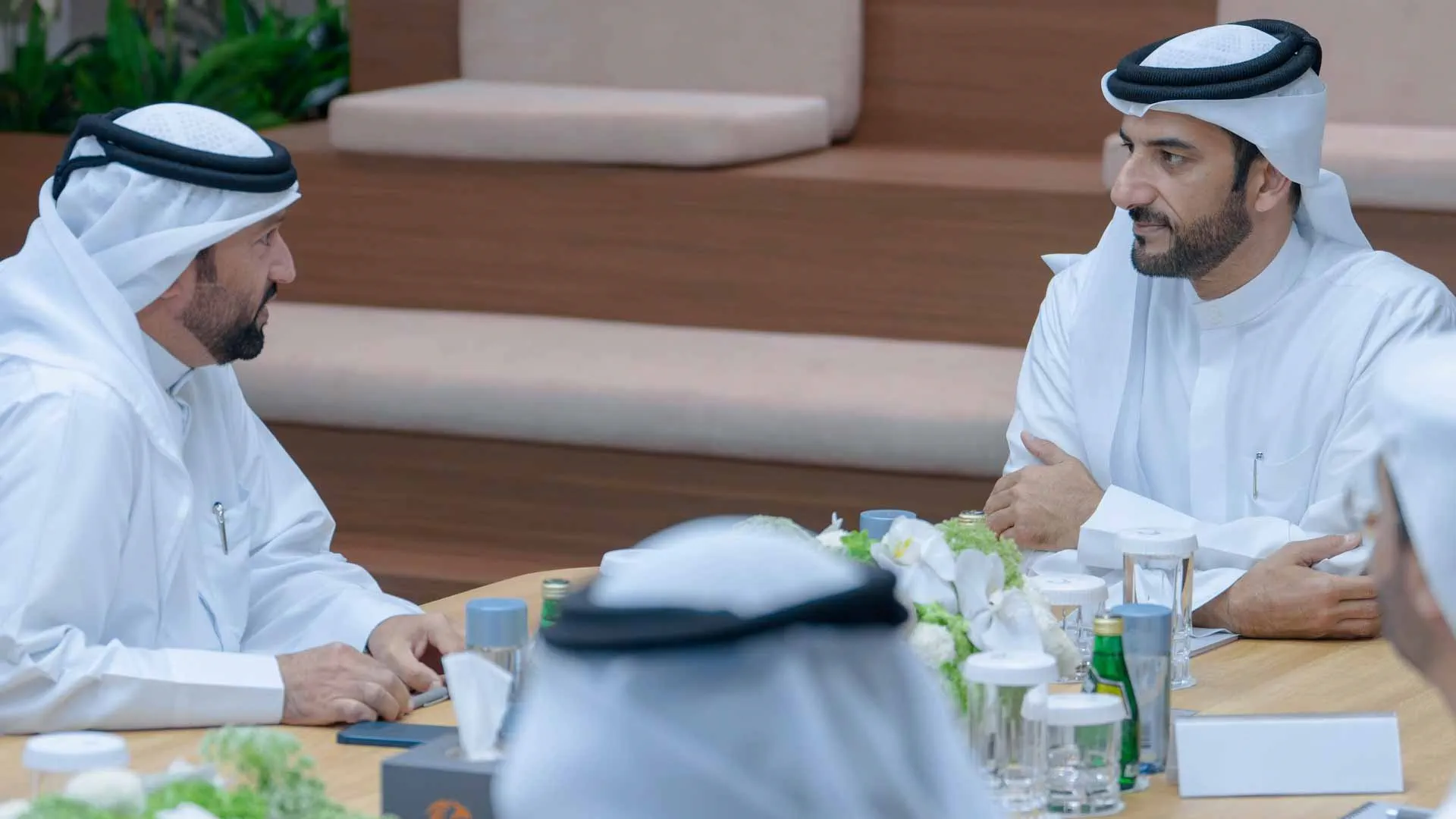
The launch took place during a meeting held at the SBA’s headquarters, attended by Mohamed Hassan Khalaf, Director General of the Sharjah Broadcasting Authority; Salem Ali Al Ghaithi, Director of the Sharjah Broadcasting Authority; directors of television channels and radio stations; and several department directors.
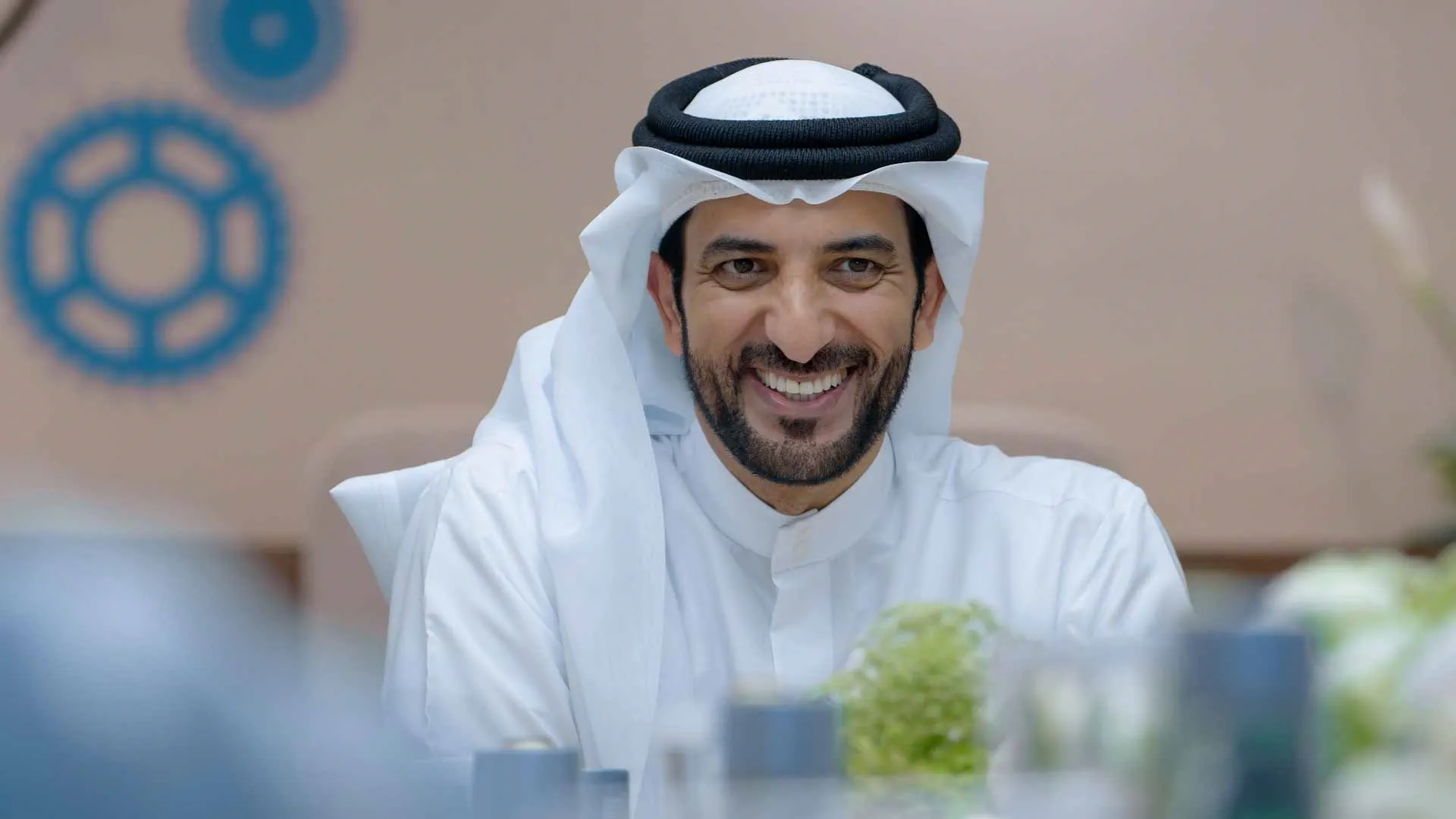
His Highness, Chairman of the Sharjah Media Council, praised the efforts of the employees of the Sharjah Broadcasting Authority, affirming that the Authority represents one of the emirate’s key media pillars. It operates in line with the vision and directives of His Highness Sheikh Dr Sultan bin Mohammed Al Qasimi, Supreme Council Member and Ruler of Sharjah, reflecting the vision and civilisational and cultural message of the Emirate of Sharjah.
His Highness noted that the Authority plays a significant role in highlighting Sharjah’s achievements and development initiatives through professional media content that strengthens national identity, promotes the cultural and humanitarian values embraced by the emirate, and keeps pace with its aspirations to build influential and responsible media.
His Highness praised the high level of cooperation between SBA and various government institutions, stressing that such coordination strengthens SBA’s role as an effective link between official entities and the community. This contributes to delivering official messages, initiatives and the voices of community members with professionalism and transparency.
Chairman of the Sharjah Media Council also commended the quality and diversity of the Authority’s programmes and its commitment to delivering meaningful content that enriches viewers and listeners with knowledge, alongside its ambitious expansion and development plans that continue to enhance content quality.
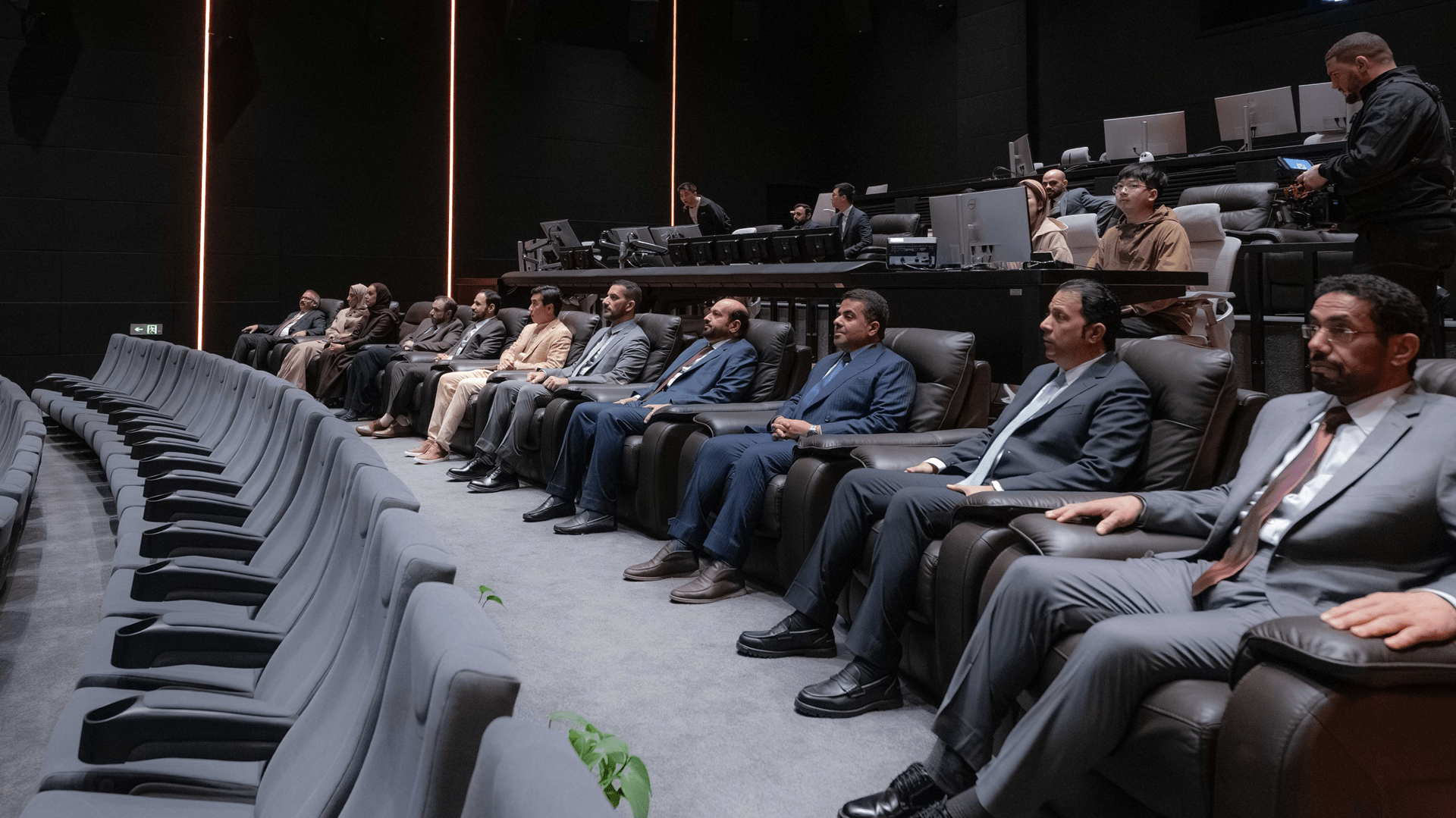
His Highness witnessed the launch of the Digital Video Library and Artificial Intelligence Engine developed by the Sharjah Broadcasting Authority.
Powered by artificial intelligence, the system transforms the Authority’s archive from a traditional media asset into an intelligent, searchable platform. The library contains more than 120,000 media assets dating back to 1989 and features smart facial recognition, automatic transcription and translation, and a robust infrastructure capable of performing multiple specialised tasks within a unified integrated system.
The platform will be made available to members of the public, government entities and private companies.
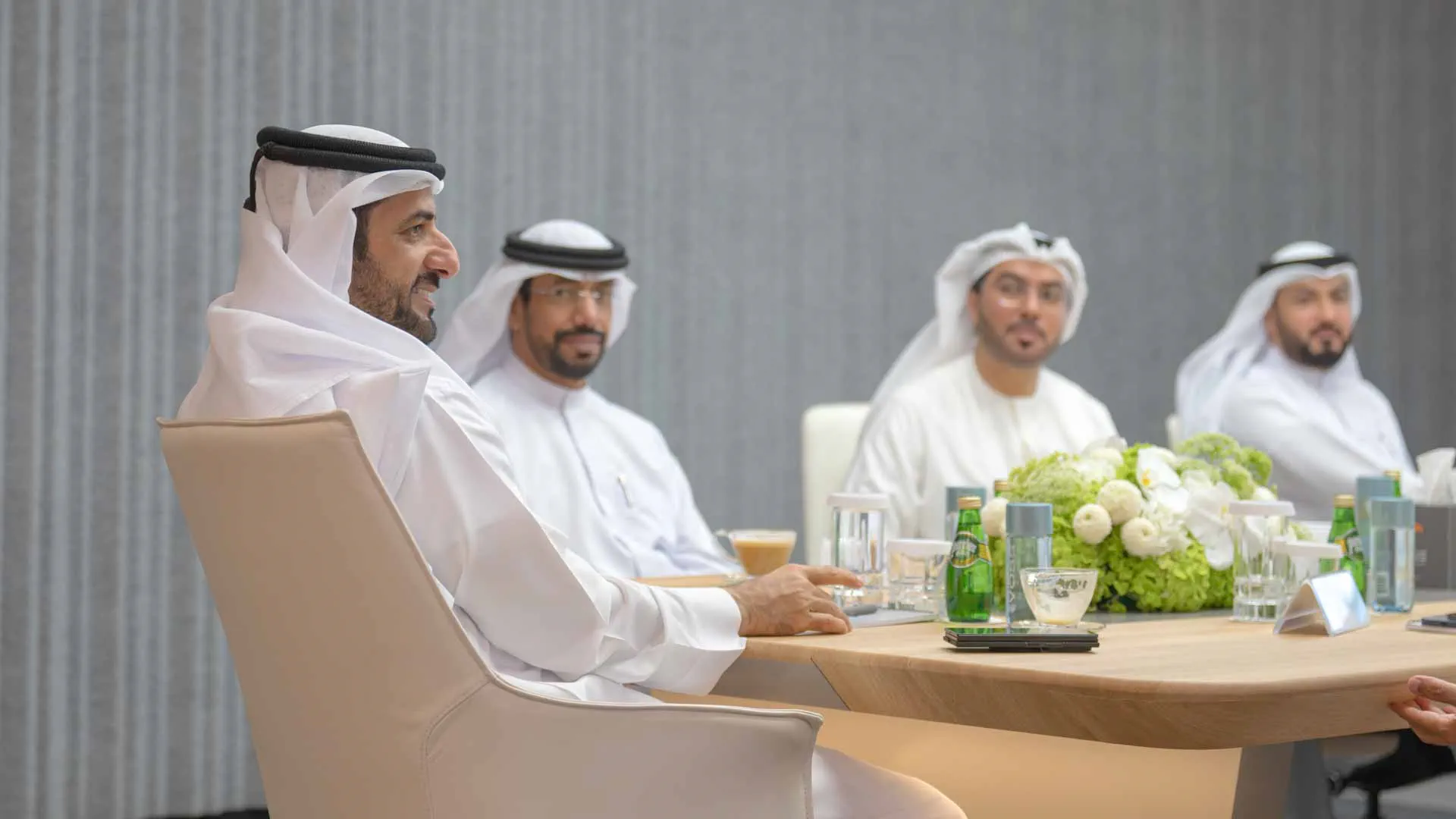
The meeting reviewed the development plans for Sharjah TV, which aim to improve the quality of local production, enhance programme content, strengthen institutional partnerships and integrate modern technologies.
The channel’s programming includes talk shows, heritage and cultural programmes, collaborative productions with government entities, coverage of major events and activities, and the use of artificial intelligence in television programmes.
The meeting highlighted Sharjah Sports Channel’s portfolio of more than 25 programmes that reflect Sharjah’s Arab and Islamic identity, as well as programmes dedicated to youth, women’s sports and people with disabilities.
The channel also provides coverage of all sports across Sharjah clubs, local championships, several international sporting events and global friendly matches.
Its content is distributed through television, social media platforms and the Maraya application. The successful implementation of remote broadcasting without an outside broadcast vehicle has enabled simultaneous coverage of multiple events while reducing technical staffing requirements. As a result, the channel recorded 212 million views during the first half of 2026.
The report on Al Sharqiya from Kalba Channel presented key achievements and statistics, noting that the channel employs 22 young Emirati leaders and has trained more than 125 students in cooperation with government entities.
The channel has also launched initiatives to develop staff skills in operating drones and using them for filming through simulation training rooms. It has enhanced production by integrating AI applications into editing and programme management, contributing to improved content quality and increased viewership and followers.
The meeting reviewed the achievements and statistics of Al Wusta Channel from Al Dhaid, including the use of AI technologies in six programmes and the production of four films and documentaries that have won local and international awards.
The channel has also expanded its coverage of regional events and festivals, contributing to growth across social media platforms, where its Instagram account surpassed 38 million views.
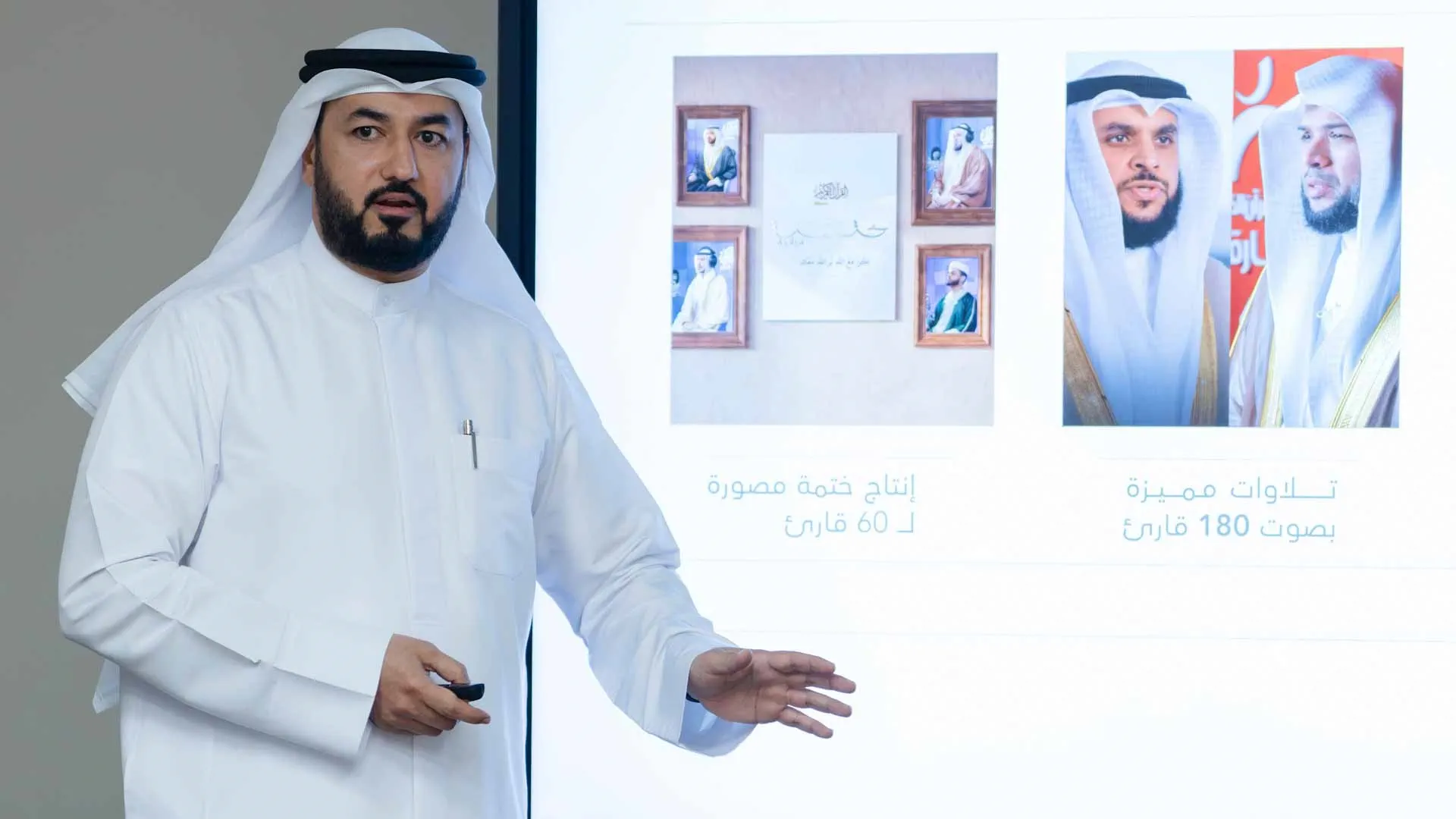
The meeting also reviewed the achievements of the Sharjah Quran Radio and Television Channel from Sharjah.
The channel has produced 15 exclusive complete Quran recitations (Khatmah), hosted 110 reciters, broadcast distinguished recitations by 180 reciters, and produced a filmed Quran recitation featuring 60 reciters.
It has also strengthened cooperation with religious institutions through Quranic events, participation in community activities and social media engagement, helping its Instagram account exceed one million followers and achieve millions of views.
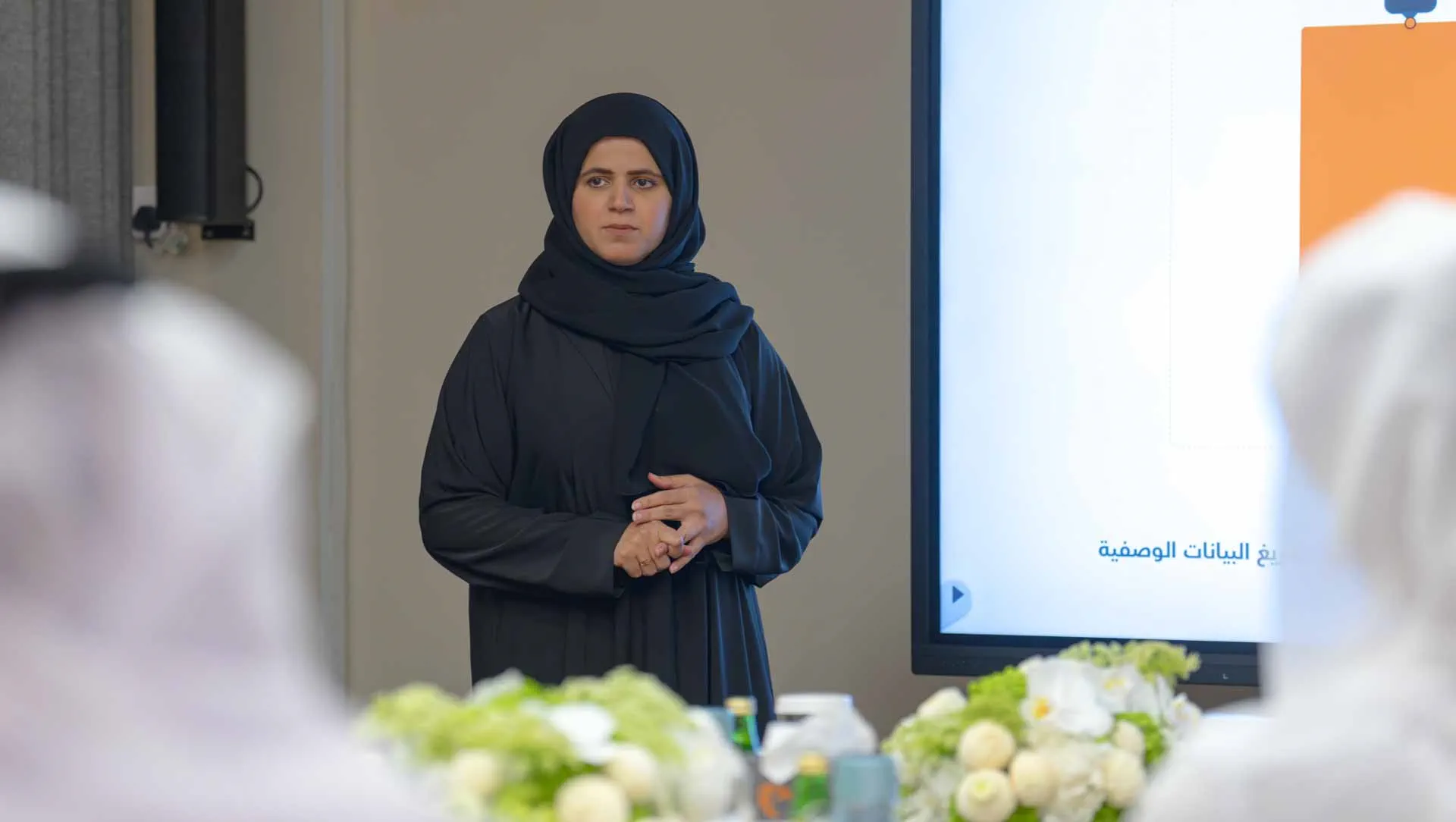
The meeting reviewed Sharjah Radio’s strategic priorities, including delivering a comprehensive and interactive media experience, enhancing creative production and strengthening national and cultural identity.
Radio production increased by 5.8%, with the station producing 80 radio dramas and 180 anthems, while audience engagement grew by 21.3%.
Across social media platforms, Sharjah Radio achieved 12 million content impressions and attracted more than 500,000 followers, in addition to expanding outside broadcasts, field coverage, international participation and community initiatives.
.webp)
The report on Pulse 95 Radio showed a 37% increase in followers.
During the first half of the year, the station recorded nearly 5 million views, representing 2.9 million listening hours, while continuing its social media coverage and outside broadcasts in cooperation with government entities, serving as a communication bridge between UAE residents and government organisations.
The report on Watar Radio highlighted efforts to expand broadcasting coverage.
During the first half of 2026, the station recorded more than 3 million views, equivalent to 2 million listening hours, in addition to producing musical sessions and hosting specialists, experts and academics in the music field.
The meeting reviewed the performance of the Maraya platform, launched in 2023.
The platform recorded a 144% increase in application downloads, while views reached 29 million during the first half of this year.
Key offerings include Maraya Literature, Maraya Podcast, the Digital Library and live-streaming services. The platform also uses the latest advanced technologies to deliver digital content quickly and efficiently while ensuring high-quality streaming and an enhanced user experience.
The report also highlighted Maraya’s international participation, including Apple Conference events and the Cannes Film Festival.
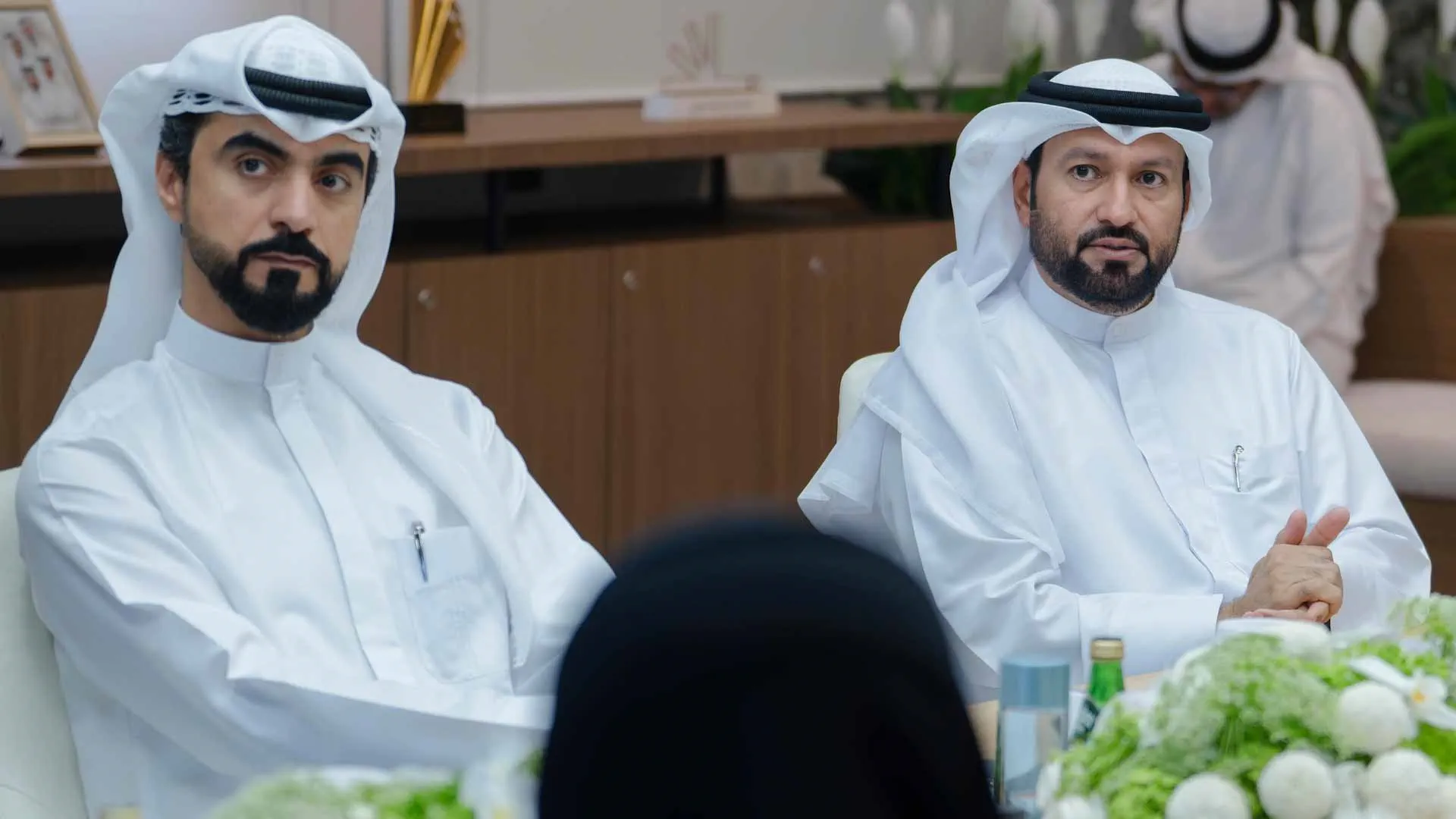
The meeting discussed the "Dawami" digital platform, which manages the Authority’s human resources operations.
The platform is built around several operational pillars, including governance and compliance, integration, analytics and planning, and a comprehensive employee experience.
"Dawami" enables employees to submit requests, monitor workflow and approve documents electronically, contributing to higher employee satisfaction, improved data accuracy, faster access to services and greater operational efficiency through process automation.
The meeting concluded with a review of the executive report covering the achievements of the first edition of the Tamayuz Institutional Excellence Award, the measures taken to improve services, the Authority’s key strengths and overall performance indicators.
The report also reviewed governance initiatives and eight supporting projects, including organisational restructuring, process automation, risk management and participation in the Sharjah Customer Experience Improvement programme.
In addition, the Authority’s News Centre evacuation and broadcast continuity plan achieved an 80% improvement, reducing evacuation time from 28 minutes to just three minutes while maintaining uninterrupted television broadcasting.

 For an optimal experience, please
rotate your device to portrait mode.