Loading...
Loading...


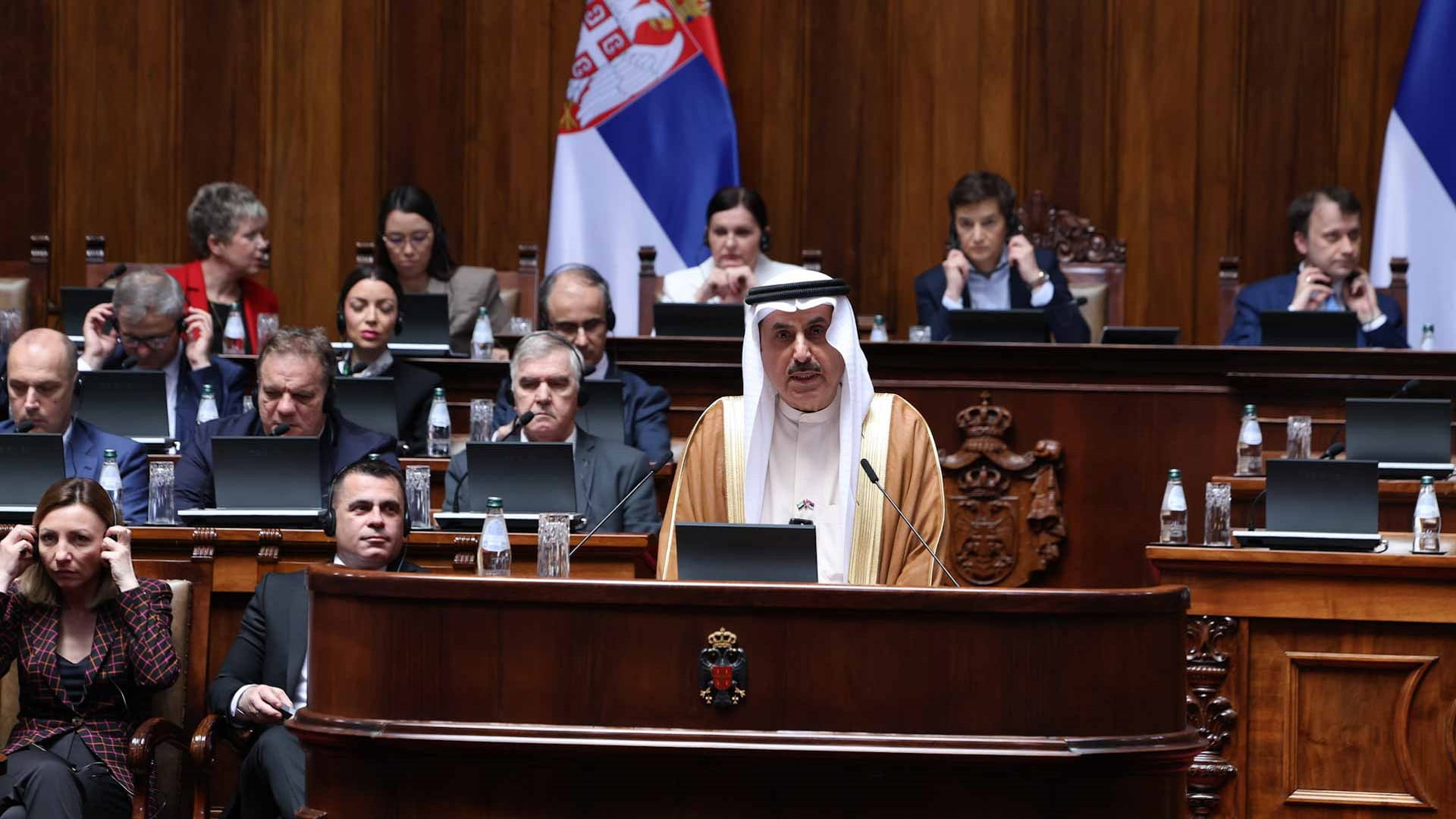
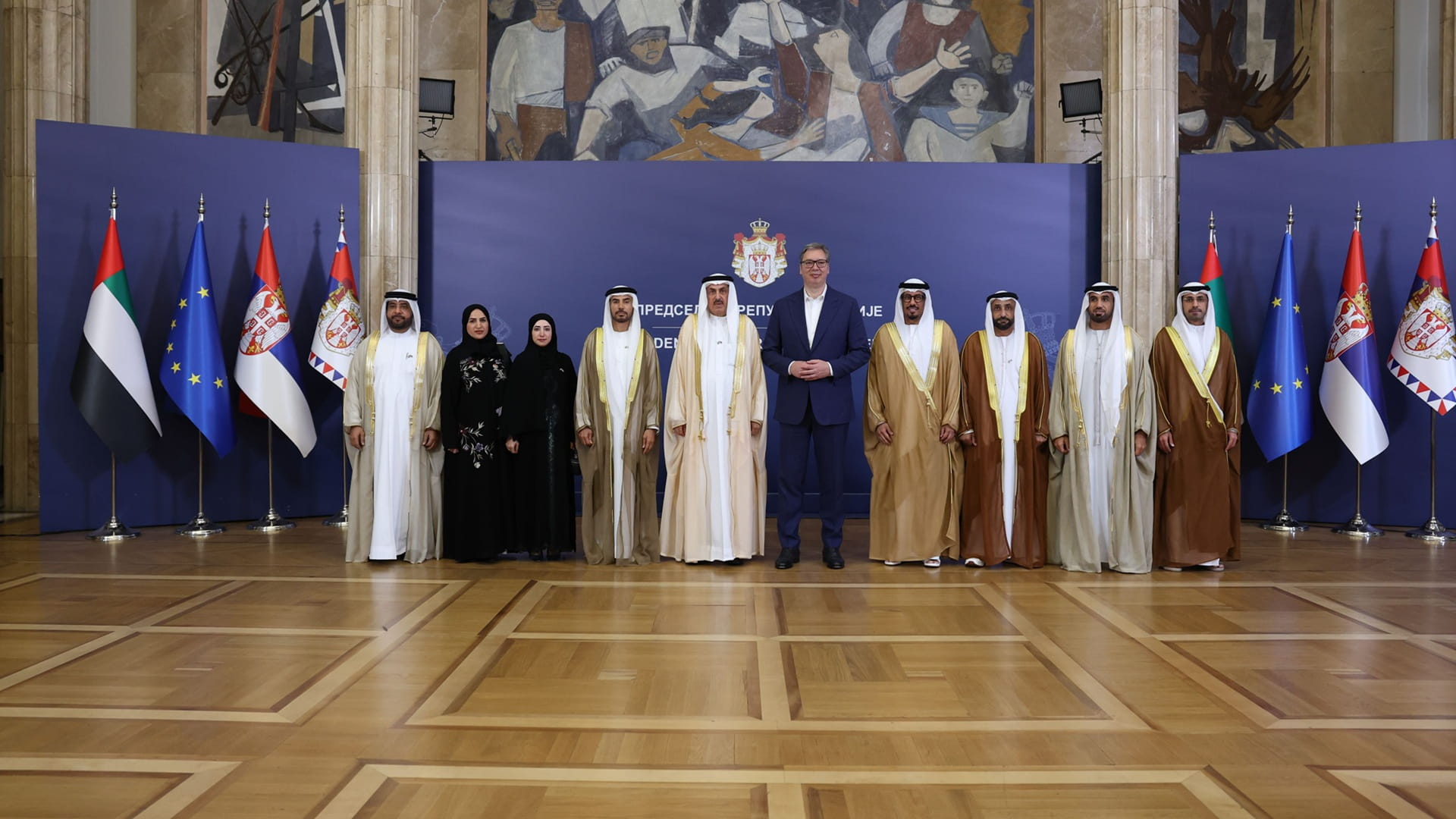
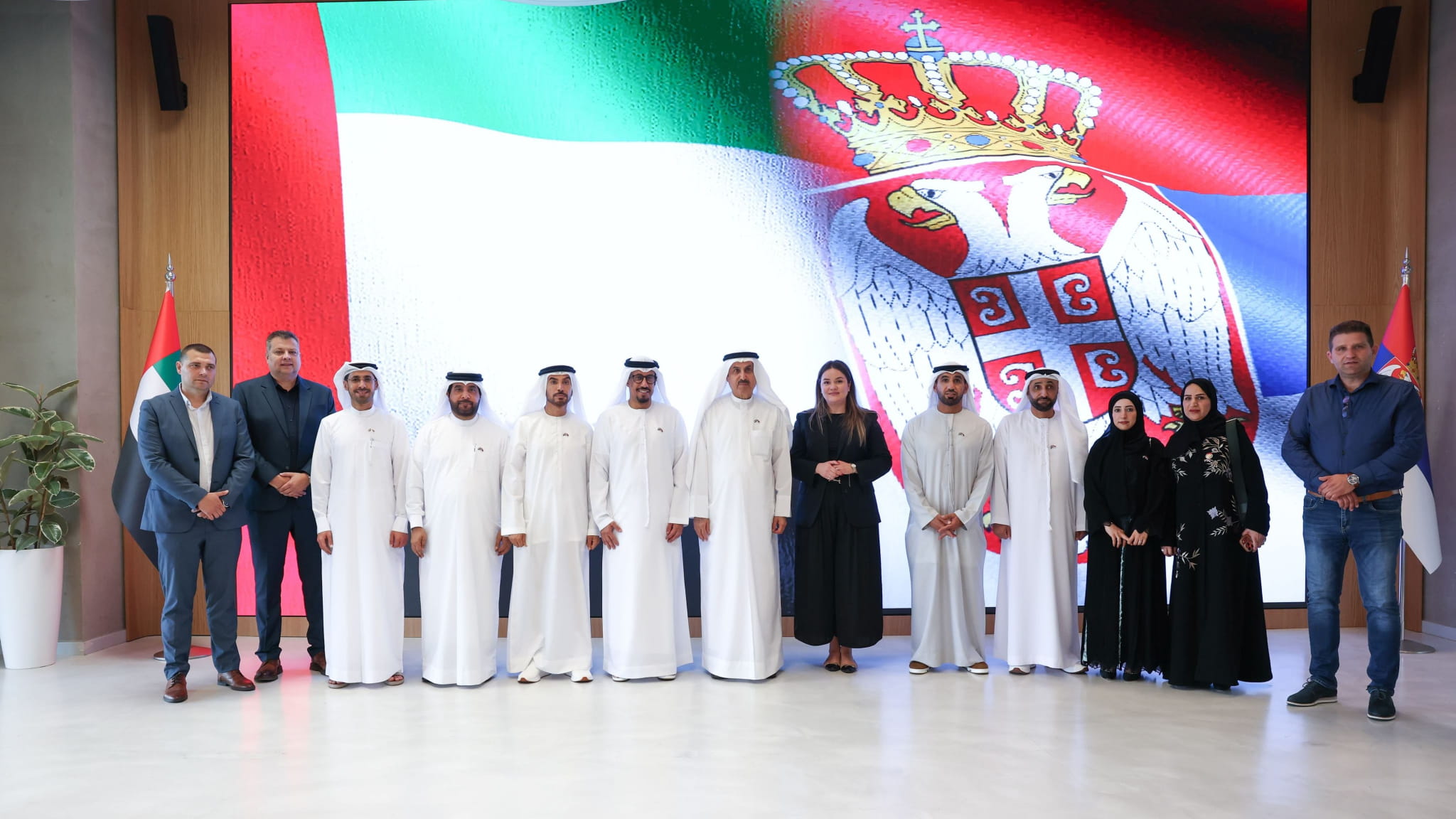
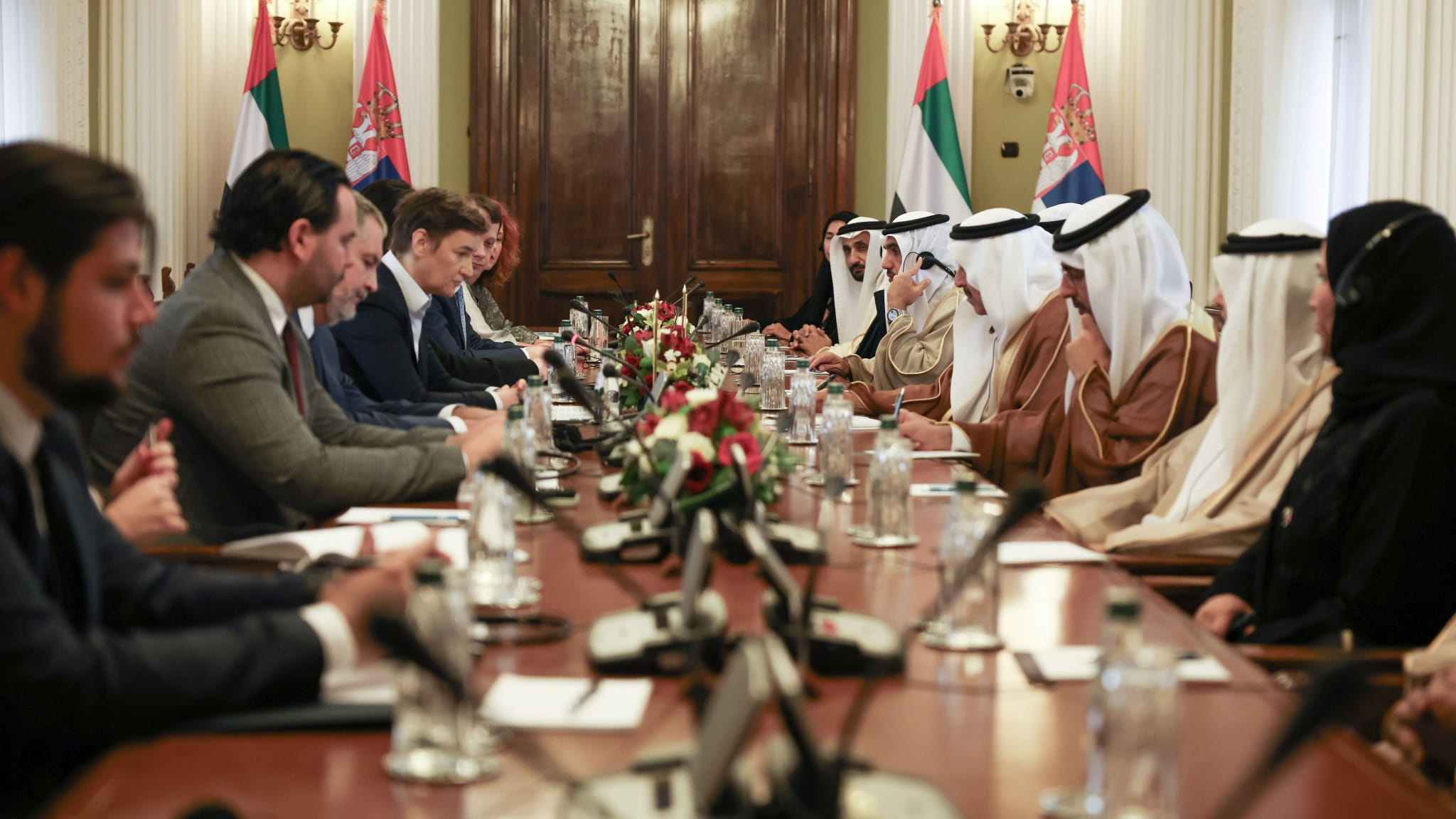
His remarks came during a special session held by the National Assembly of Serbia to receive the FNC delegation led by Ghobash during an official visit to the country.
The session reflected the distinguished status of UAE-Serbia relations and the mutual commitment to strengthening parliamentary cooperation between the FNC and the Serbian National Assembly. It was attended by the Prime Minister of Serbia, the Speaker of the National Assembly, cabinet ministers, parliamentarians, ambassadors, members of the diplomatic corps and the FNC delegation.
In her opening remarks, the Speaker of the National Assembly stressed the importance of the visit in advancing friendship and cooperation between the two countries and enhancing parliamentary engagement between the two legislative institutions.
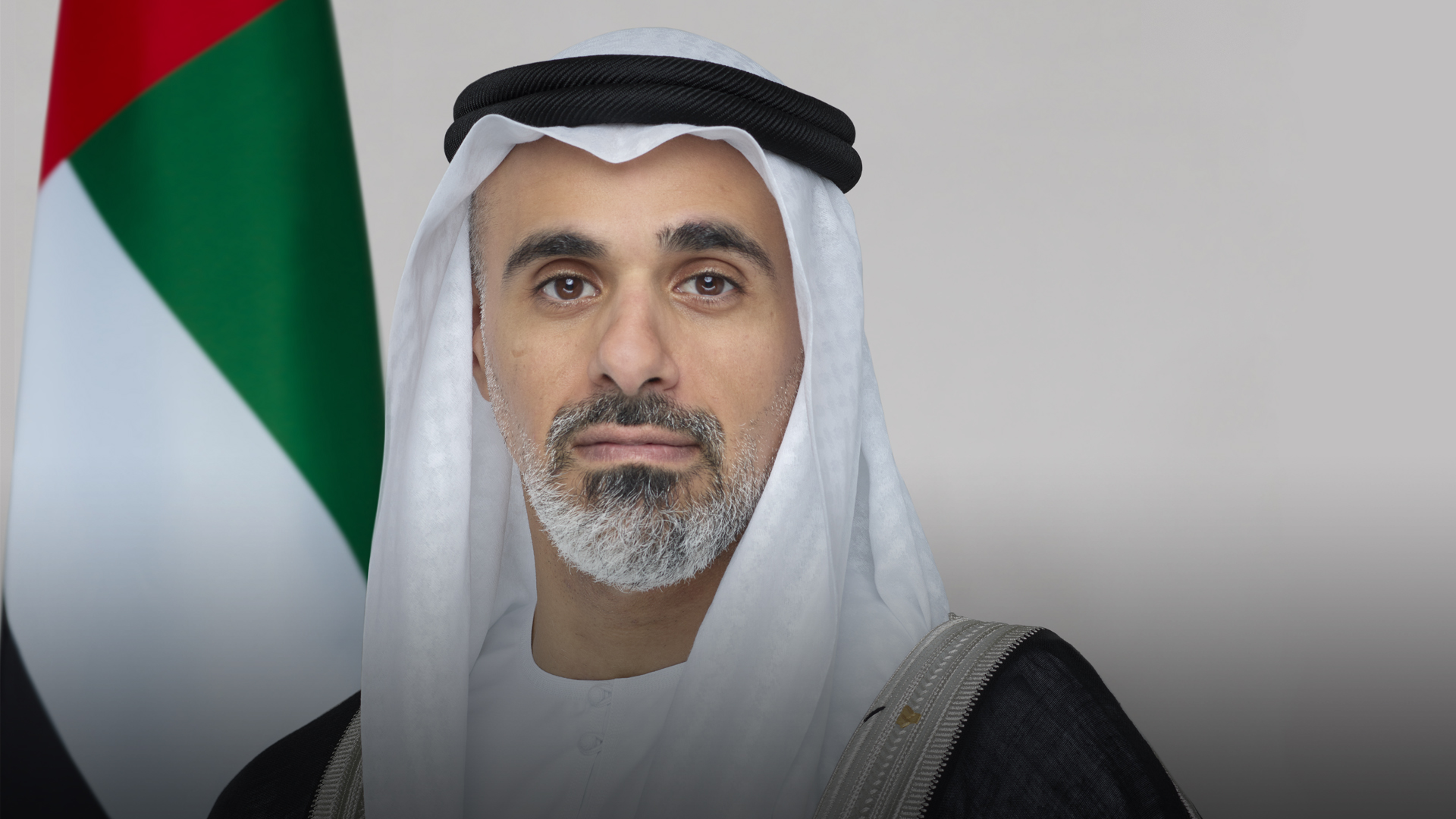
Ghobash conveyed the greetings of UAE President His Highness Sheikh Mohamed bin Zayed Al Nahyan to the leadership and people of Serbia, affirming the UAE’s appreciation for bilateral relations founded on mutual respect, trust, shared interests and a common aspiration for prosperity.
He praised Serbia’s leadership, parliament and people for supporting the UAE and standing by it against what he described as Iran’s terrorist attacks targeting the country’s security, stability, civilian institutions and peaceful nuclear programme.
He also commended President Vučić’s visit to the UAE in March and his condemnation of the attacks, noting that the visit reflected the depth of friendship between the two countries.
Ghobash said UAE-Serbia relations derive strength from the close ties between the two countries’ leaders, which have evolved into a strategic partnership driving cooperation across political, economic, investment and development sectors.
He stressed the FNC’s aspiration to strengthen cooperation with the Serbian National Assembly through parliamentary visits, friendship committees, coordination in international parliamentary forums and dialogue on issues of mutual interest.
Ghobash noted that since its establishment in 1971, the UAE has pursued a path centred on development, partnerships and bridge-building among peoples. He highlighted the country’s modern development model based on political stability, economic openness, social tolerance, the rule of law and investment in education, infrastructure and innovation.
He said these principles are reflected in the UAE’s foreign policy, which is based on respect for sovereignty, non-interference, peaceful conflict resolution, support for international law and humanitarian assistance.
Addressing regional developments, Ghobash said the world is experiencing a sensitive period marked by complex political, security and economic challenges. He noted that recent developments have affected regional security, maritime safety, energy security, supply chains and the global economy.
He stressed that the UAE has consistently worked through diplomatic channels to prevent escalation and promote political solutions, based on its conviction that wars do not provide sustainable outcomes.
Ghobash reaffirmed that the UAE would not allow its territory, airspace or waters to be used for military action against Iran, describing this as a longstanding Emirati principle aimed at preserving Gulf security and stability.
He added that the UAE had itself been subjected to attacks and threats, which it strongly condemned while reaffirming its commitment to peace and de-escalation, alongside its legitimate right to defend its territory and civilian facilities in accordance with international law and the UN Charter.
Ghobash also condemned what he described as ongoing Iranian attacks against Kuwait and Bahrain, stressing that the region continues to face serious challenges requiring a firm international commitment to state sovereignty and international law.
He emphasised that the security of the Arabian Gulf, maritime routes and freedom of navigation is a shared international responsibility. Any threat to navigation in the Strait of Hormuz, he warned, would endanger global energy security, international trade, supply chains and economic stability.
He reiterated that the UAE will continue working with regional and international partners to de-escalate tensions, protect maritime navigation, support political solutions and strengthen regional security.
“The region needs the courage of peace, development and partnerships more than it needs new wars,” Ghobash said, adding that the UAE remains committed to a vision based on stability, dialogue and cooperation.
He renewed the UAE’s call for a comprehensive regional security framework founded on de-escalation, confidence-building, respect for sovereignty, non-interference, freedom of navigation and diplomatic solutions.
Ghobash stressed that development remains the most effective response to regional challenges, noting that people need education, healthcare, jobs, stable economies and open markets more than conflict and tension.
He said this vision underpins the UAE’s efforts to strengthen ties with Serbia, which it regards as an important partner with significant human and economic potential and a strategic location linking regions and opportunities.
Concluding his remarks, Ghobash highlighted the importance of parliamentary diplomacy in promoting dialogue, building trust among peoples and coordinating positions on international issues. He expressed the FNC’s aspiration to deepen cooperation with the Serbian National Assembly in support of peace, development and respect for international law.

 For an optimal experience, please
rotate your device to portrait mode.