Loading...
Loading...


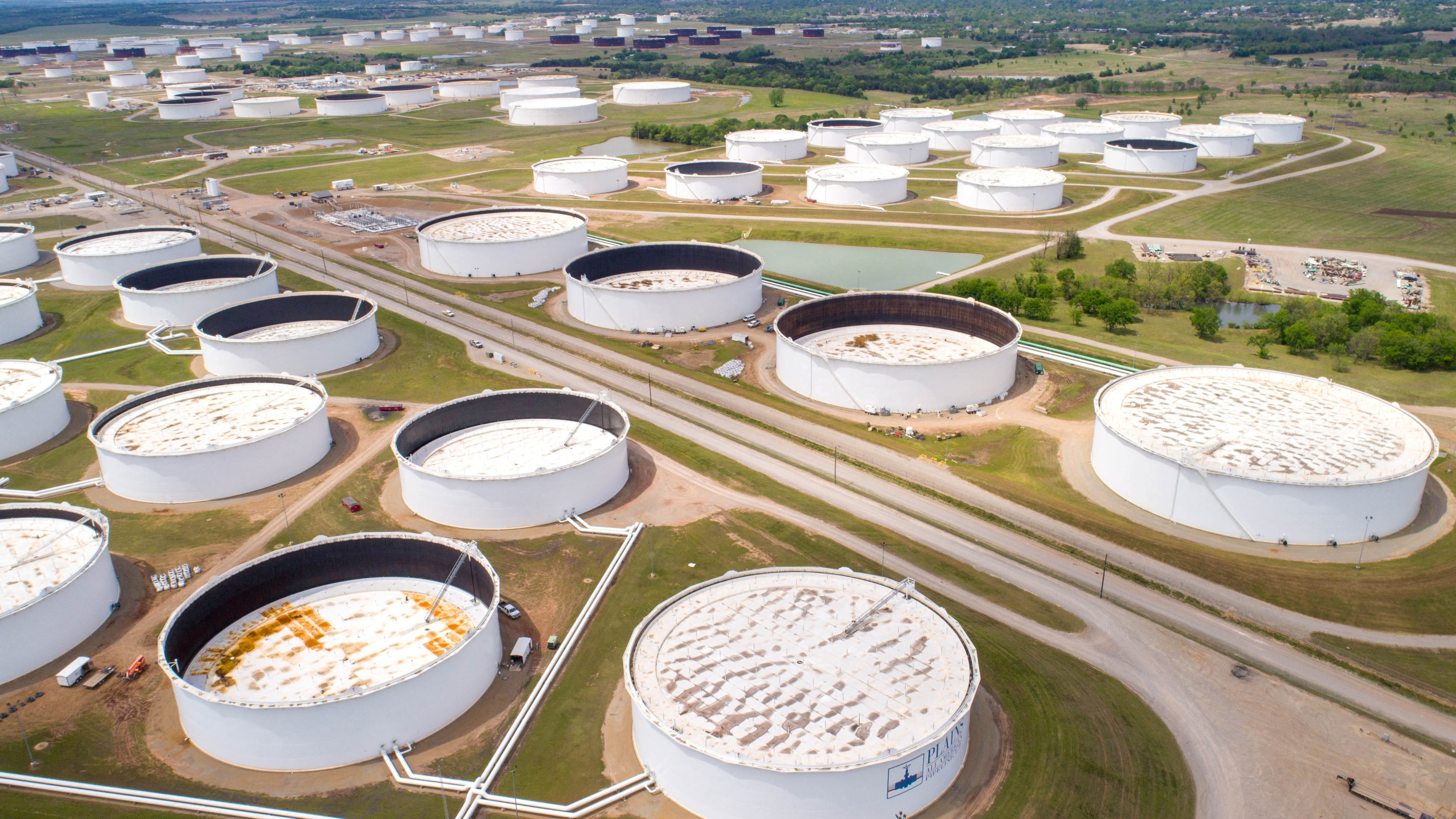
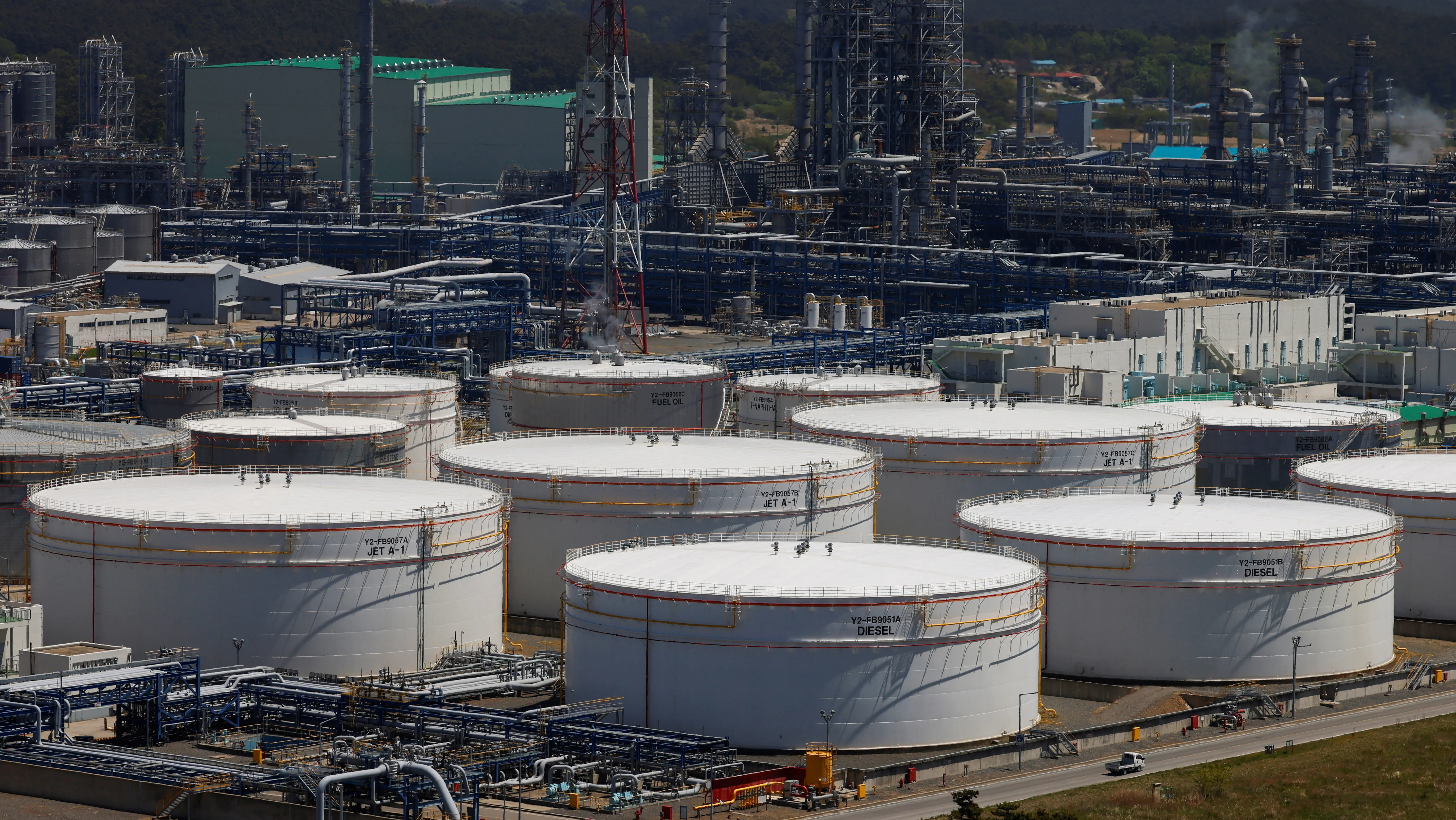
In a joint statement, the heads of the three organisations said global oil inventories are being depleted at an unprecedented rate due to major disruptions to supplies moving through the Strait of Hormuz. They warned that if shipping activity is not fully resumed before the Northern Hemisphere's peak summer demand period, the continued drawdown of global stockpiles could increase risks to fuel security, market stability and the resilience of the global economy.
The statement added that soaring energy and fertiliser prices caused by the conflict in the Middle East have disproportionately affected low-income countries. It noted that the increase in fertiliser costs is particularly concerning as many nations are entering the planting season.
Iran has restricted shipping through the Strait of Hormuz, a critical route that normally carries around one-fifth of global oil and liquefied natural gas supplies, in response to US-Israeli attacks launched in late February.
In April, the heads of the International Monetary Fund, World Bank and International Energy Agency announced the formation of a joint group to coordinate the agencies’ response to the crisis, with a particular focus on supporting vulnerable economies.
At the IMF’s Spring Meetings this year, Kristalina Georgieva said the conflict had led to a downgrade in the global economic growth outlook.
She estimated that vulnerable economies would require between US$20 billion and US$50 billion in financial assistance to address the economic consequences of the conflict.

 For an optimal experience, please
rotate your device to portrait mode.