Loading...
Loading...


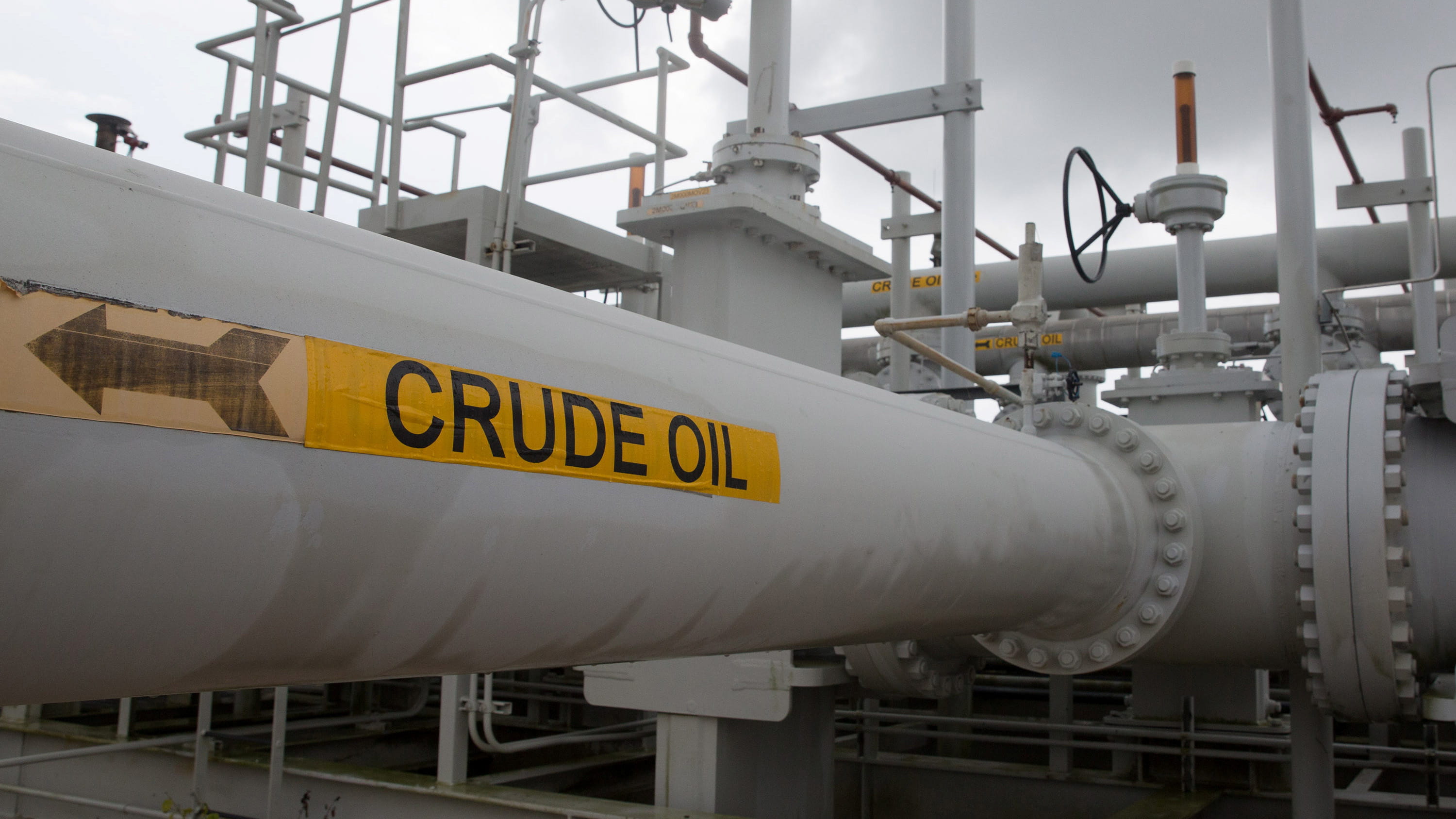
Oil prices have been up and down throughout the week as traders assessed the likelihood of a breakthrough that could allow shipping to resume through the strategically important Strait of Hormuz. Earlier optimism was shaken by new US military strikes on Iran on Wednesday and the subsequent targeting of an American airbase in the region by Iran’s Revolutionary Guard.
On Friday, US President Donald Trump said during a meeting that he would make a “final determination” on a peace agreement, while Iran’s Foreign Ministry stated that talks were continuing and that no final deal had been reached.
Even so, signs of progress helped lift the S&P 500 to a record high before it surrendered part of its gains by the close. Other major US indexes also advanced, while Europe’s leading stock markets ended largely unchanged ahead of the weekend.
Although few details of a potential agreement have been disclosed, Derren Nathan, head of equity research at Hargreaves Lansdown, said oil traders appear optimistic that regional disruptions could soon come to an end.
Kathleen Brooks, research director at XTB, cautioned that investor patience may wear thin if an agreement is not secured by early June, warning that delays could significantly affect oil prices and the ongoing global stock market rally.
Art Hogan of B. Riley Wealth Management told AFP that technology stocks continue to drive equity market gains, noting that markets appear set for a ninth consecutive week of advances. He attributed much of the momentum to companies benefiting from artificial intelligence, including Dell, Micron and SanDisk.
In Europe, data released on Friday showed that France’s economy contracted by 0.1 percent in the first quarter, while inflation accelerated to 2.4 percent in May, exceeding the European Central Bank’s two percent target.
Germany, meanwhile, reported that inflation eased to 2.6 percent in May. However, analysts still expect the eurozone to raise interest rates, potentially at the ECB’s next meeting on June 11.
Matthew Martin of Oxford Economics said recession risks are diminishing as oil prices ease and the likelihood of worst-case scenarios declines. He added that, while reduced war-related risks have supported markets, the main driver behind rising share prices has been a strong earnings season and heavy investment linked to artificial intelligence.
Strong enthusiasm surrounding AI has fueled a historic market rally, pushing the market values of chipmakers Micron and SK hynix above the US$1 trillion mark this week.
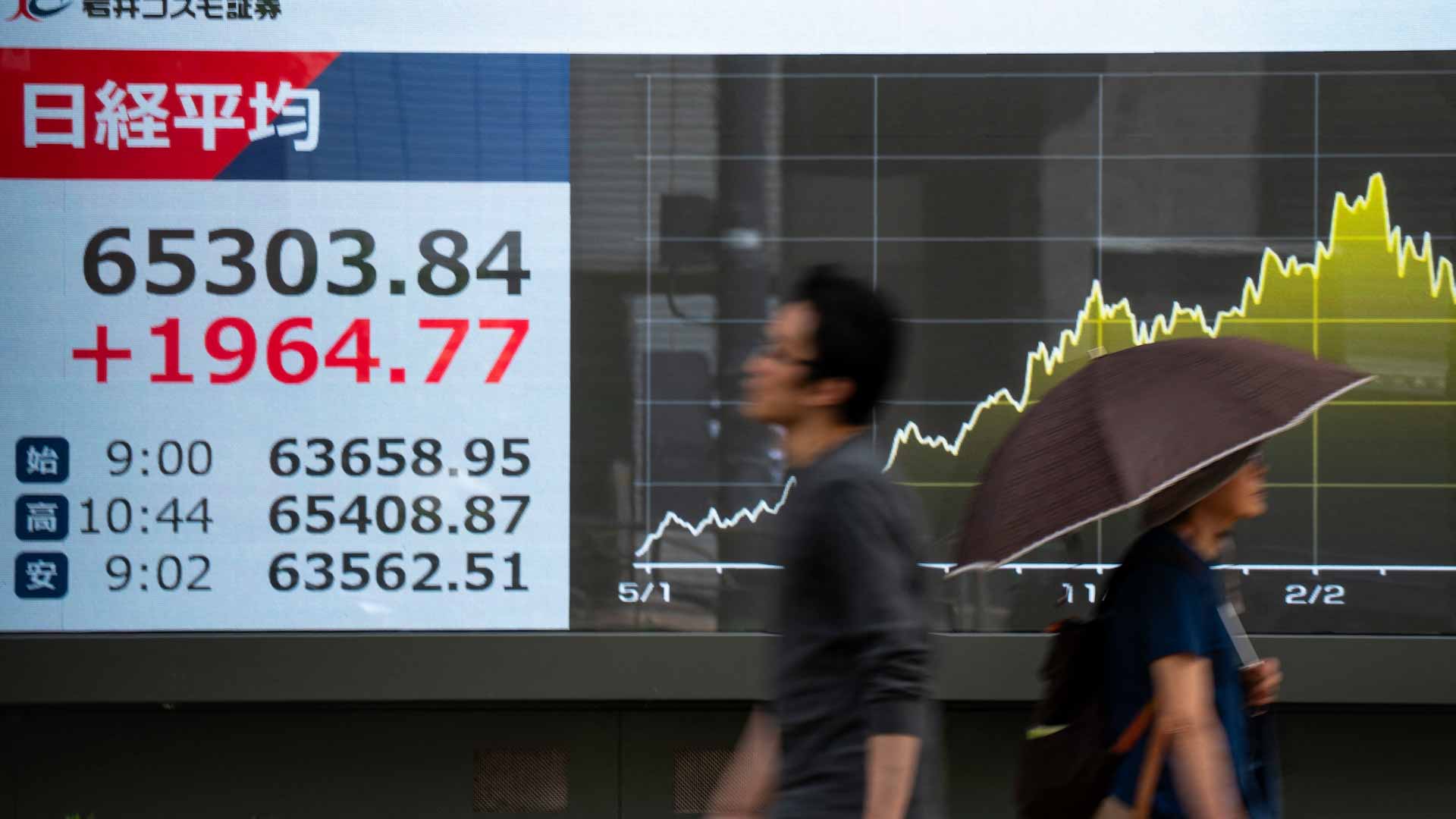
In Asia, Seoul’s stock market led regional gains on Friday, surging 3.6 percent, while Tokyo’s Nikkei index closed at a record high.

 For an optimal experience, please
rotate your device to portrait mode.