Loading...
Loading...


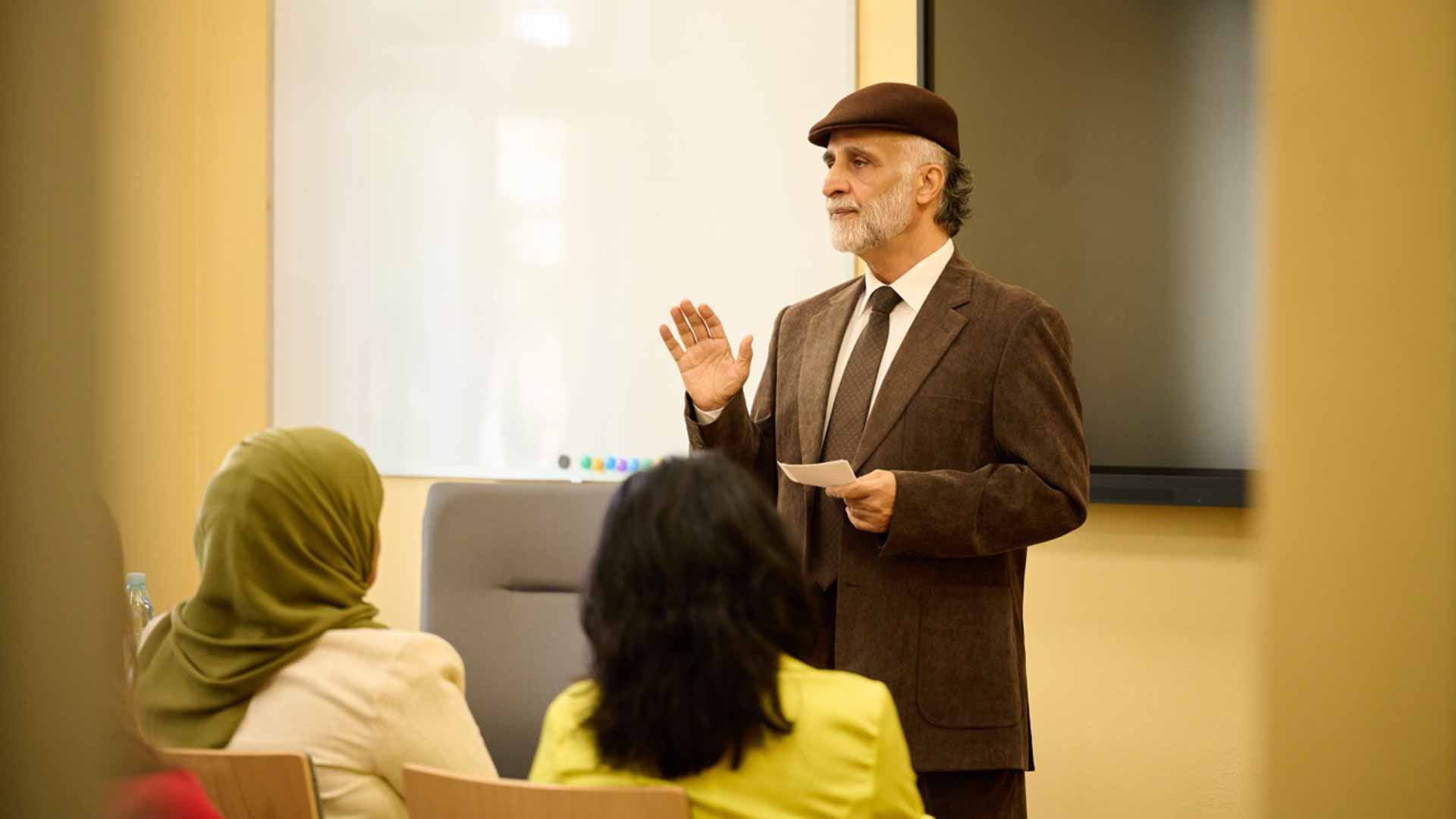
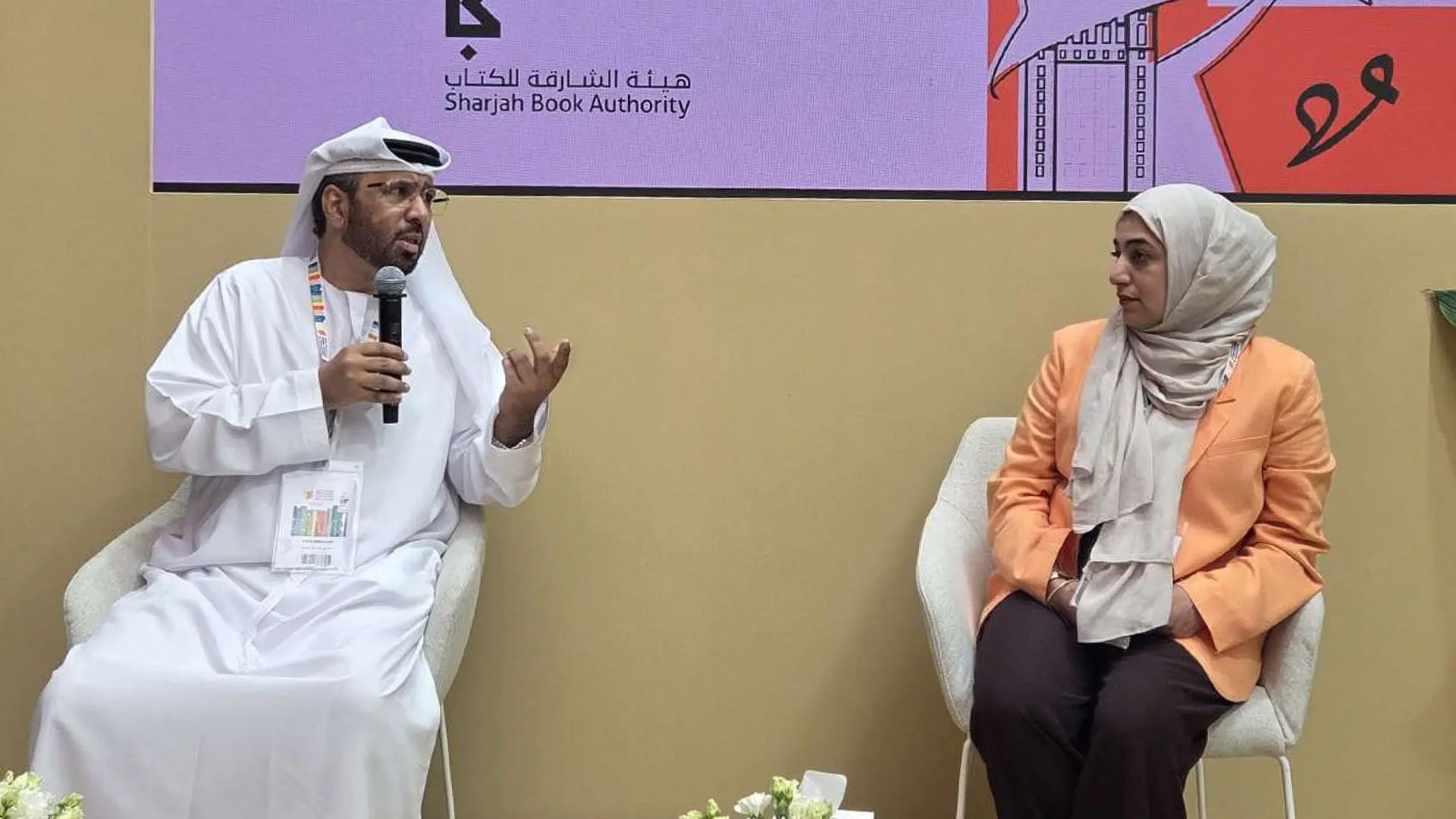
Attended by students, academics, and researchers specialising in Oriental studies, languages, Arab culture, and theatre, the session, “The Pivotal Role of the Emirate of Sharjah in Theatre”, explored Sheikh Dr Sultan Al Qasimi’s journey as a playwright and his role in shaping Sharjah into one of the Arab world’s leading centres for theatre and culture.
Ghuloom also presented Polish translations of the Ruler of Sharjah’s theatrical works to the university’s Faculty of Oriental Studies, underscoring the growing international reach of his writings and the broader cultural project he has championed over decades.
During the session, Ghuloom said Sheikh Dr Sultan’s relationship with theatre began not as a patron, but as a playwright and practitioner who viewed theatre as an intellectual and cultural project. He noted that His Highness began writing plays in 1963 while still a student, describing this as an early milestone in the development of modern Emirati theatre and the starting point of a vision that continues to shape Sharjah’s theatre movement today.
He argued that Sheikh Dr. Sultan’s contribution to Arab theatre extends far beyond institutional support, reflecting a long-term cultural vision to which he has devoted his efforts, time, and personal resources out of a belief in theatre’s role in advancing culture and society.
Highlighting the profound impact of this vision, Dr. Ghuloom emphasised that Sharjah has established itself as the premier cradle and epicentre for theatre and culture. He noted that the emirate has developed a comprehensive ecosystem that proudly hosts nine specialised theatre festivals, alongside organising intellectual and research forums, launching annual playwriting competitions, and enriching the artistic scene with specialised training programmes, as well as sustaining the publication of plays and studies that enrich the cultural library.
As part of that effort, His Highness established the Arab Theatre Institute in Sharjah, which Ghuloom described as one of the Arab world’s most significant theatre organisations. The institute organises a theatre festival that rotates among Arab capitals and oversees year-round programmes, competitions, and awards for playwrights and theatre practitioners.
Its flagship award for best theatrical production carries a prize of USD100,000, with the winning work also presented at Sharjah Theatre Days, helping productions reach wider audiences and gain greater visibility.
Ghuloom said Sheikh Dr Sultan Al Qasimi’s support for theatre extends beyond institutions and programmes to the artists themselves. He highlighted initiatives including a care home for veteran artists in Egypt, fully funded by Sharjah, and a support fund established through the Arab Theatre Institute to assist artists in need, particularly senior theatre practitioners.
Recalling examples from across the Arab world, Ghuloom said His Highness has consistently responded to cultural appeals and supported initiatives that advance theatre, the arts, and Arab culture.
One example he highlighted was Sheikh Dr. Sultan’s approach to children’s theatre. His Highness opposed the presentation of performances outside competition programmes at children’s theatre festivals, maintaining that young audiences do not distinguish between good and poor productions and should therefore always be offered the highest quality experience.
Ghuloom said this principle went on to shape children’s theatre in Sharjah and reflects Sheikh Dr. Sultan Al Qasimi’s belief in respecting young audiences and recognising theatre’s educational and artistic role.
Turning to arts education, Ghuloom described the Sharjah Performing Arts Academy as a continuation of His Highness’s cultural vision. Since its establishment in 2019, the academy has expanded beyond performing arts to include music programmes, while plans are also underway to establish dedicated visual arts and film academies.
Together, the three institutions will form a university of the arts, reinforcing Sharjah’s ambition to become a regional centre for specialised education in theatre, music, cinema, and visual arts.
Concluding the session, Ghuloom said Sharjah’s cultural achievements are the product of a long-term vision led by His Highness, one that places culture and theatre at the heart of development and knowledge.
That vision, he added, has helped establish Sharjah as one of the Arab world’s leading centres for theatre and cultural production, extending its influence beyond the UAE and reinforcing theatre’s role as a platform for dialogue, education, and cultural exchange.
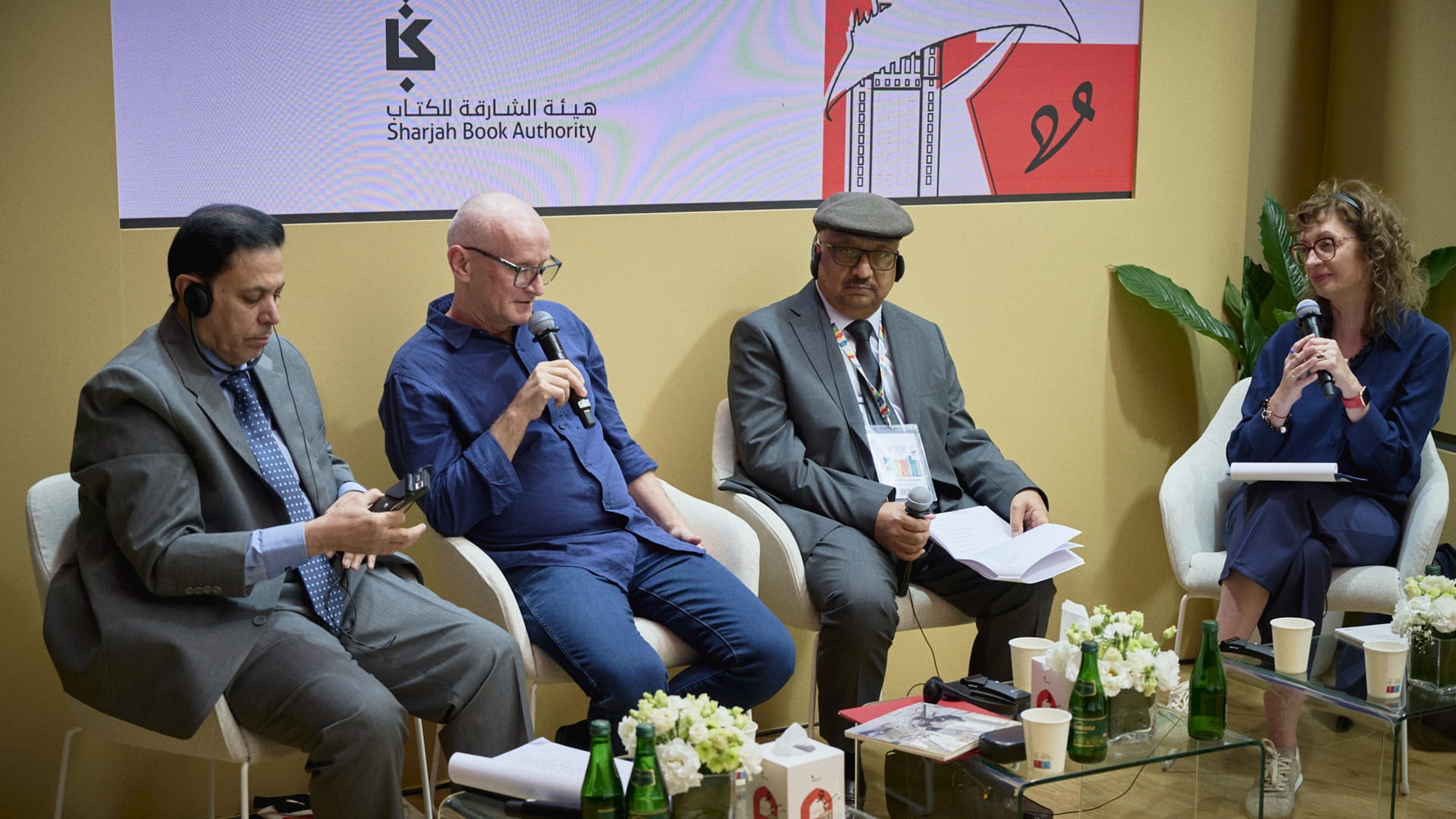
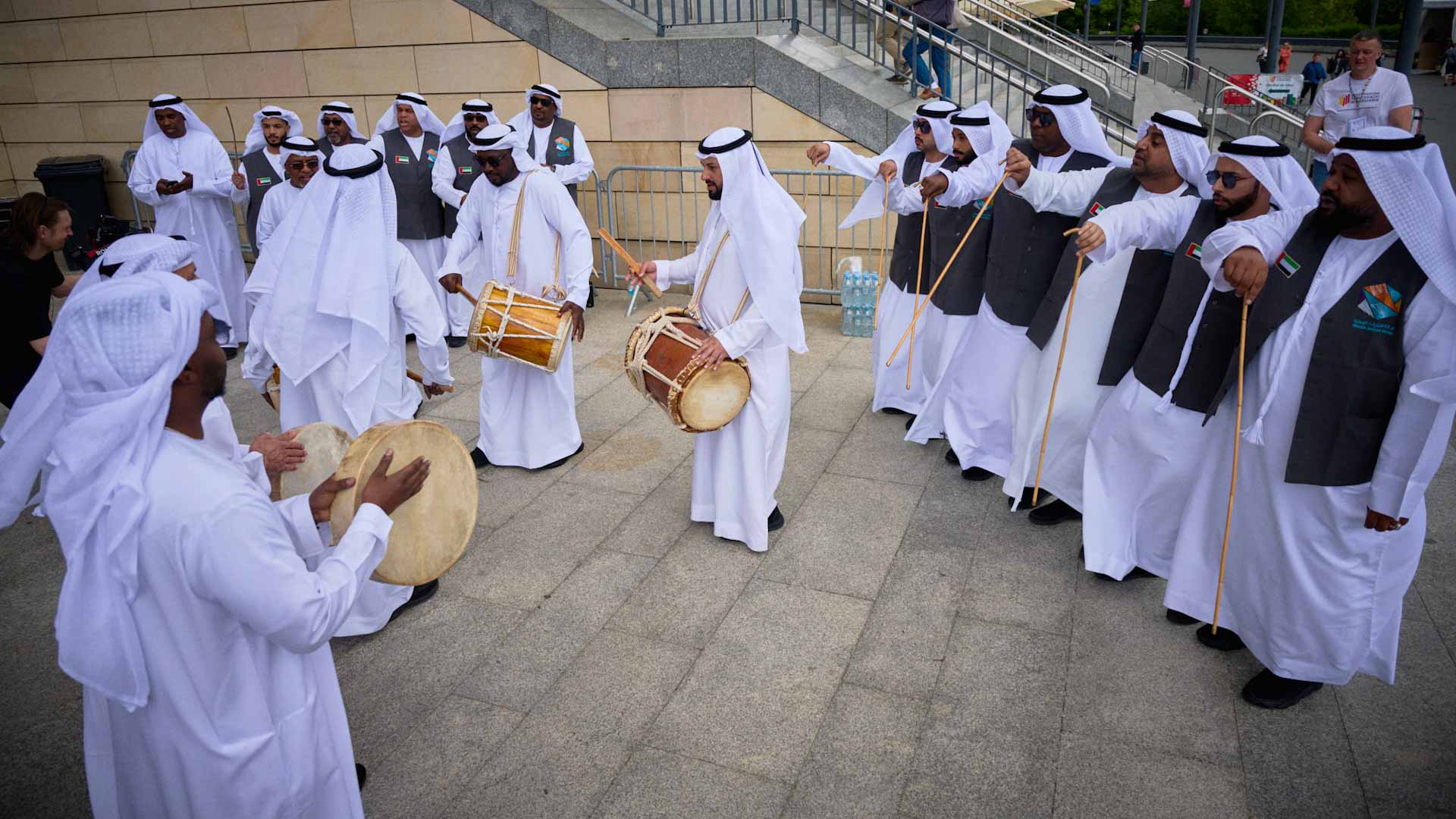
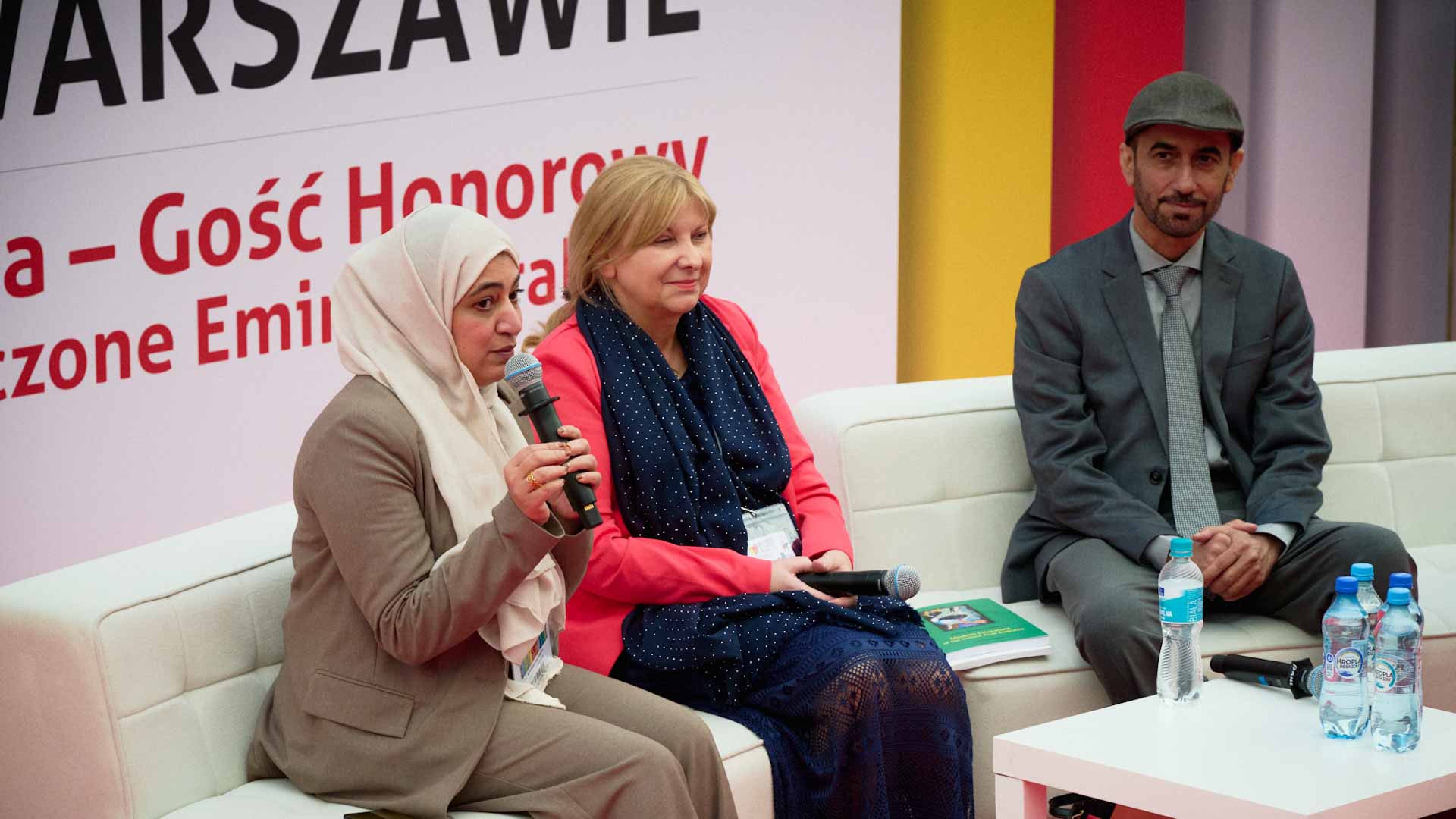
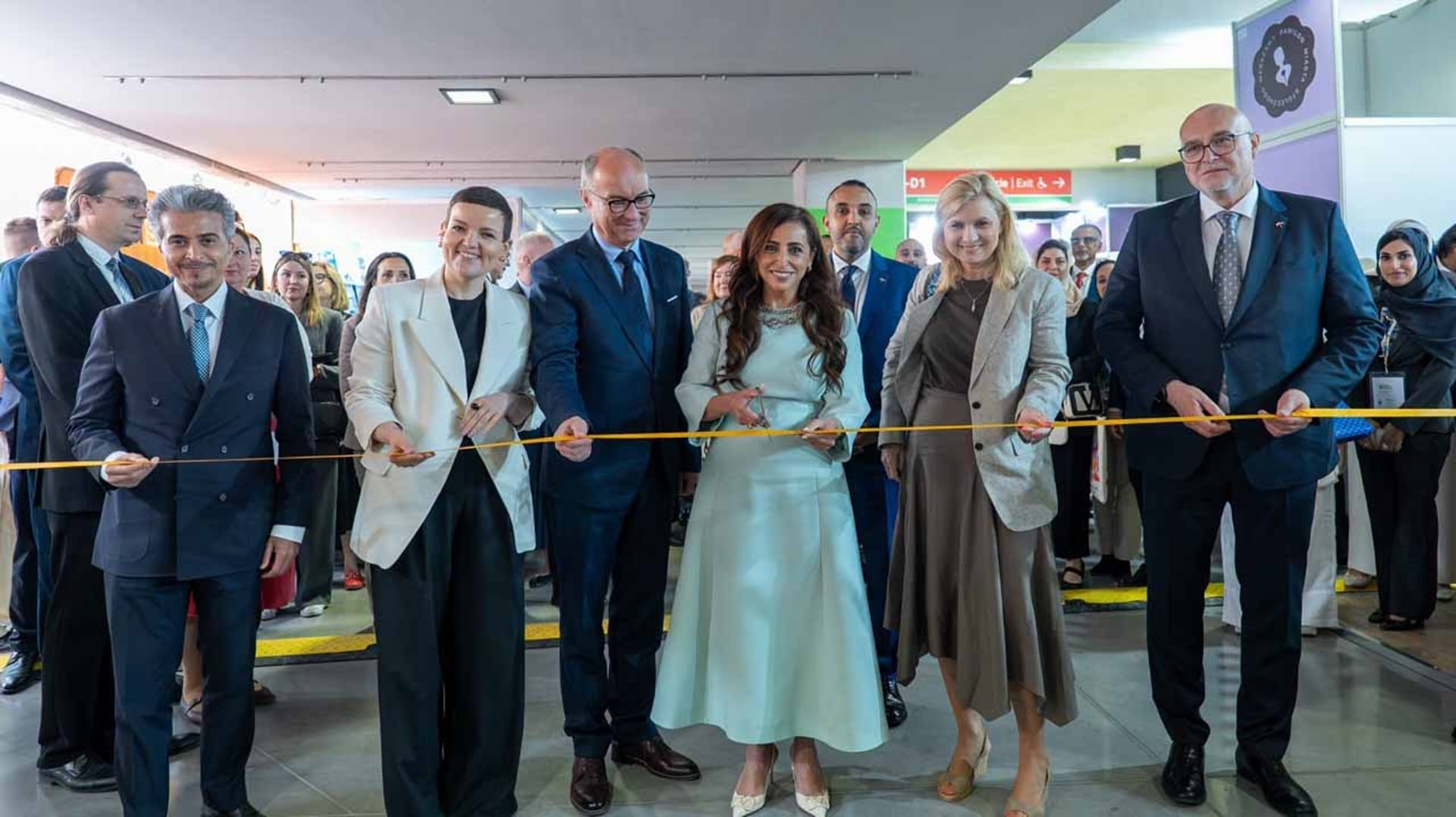
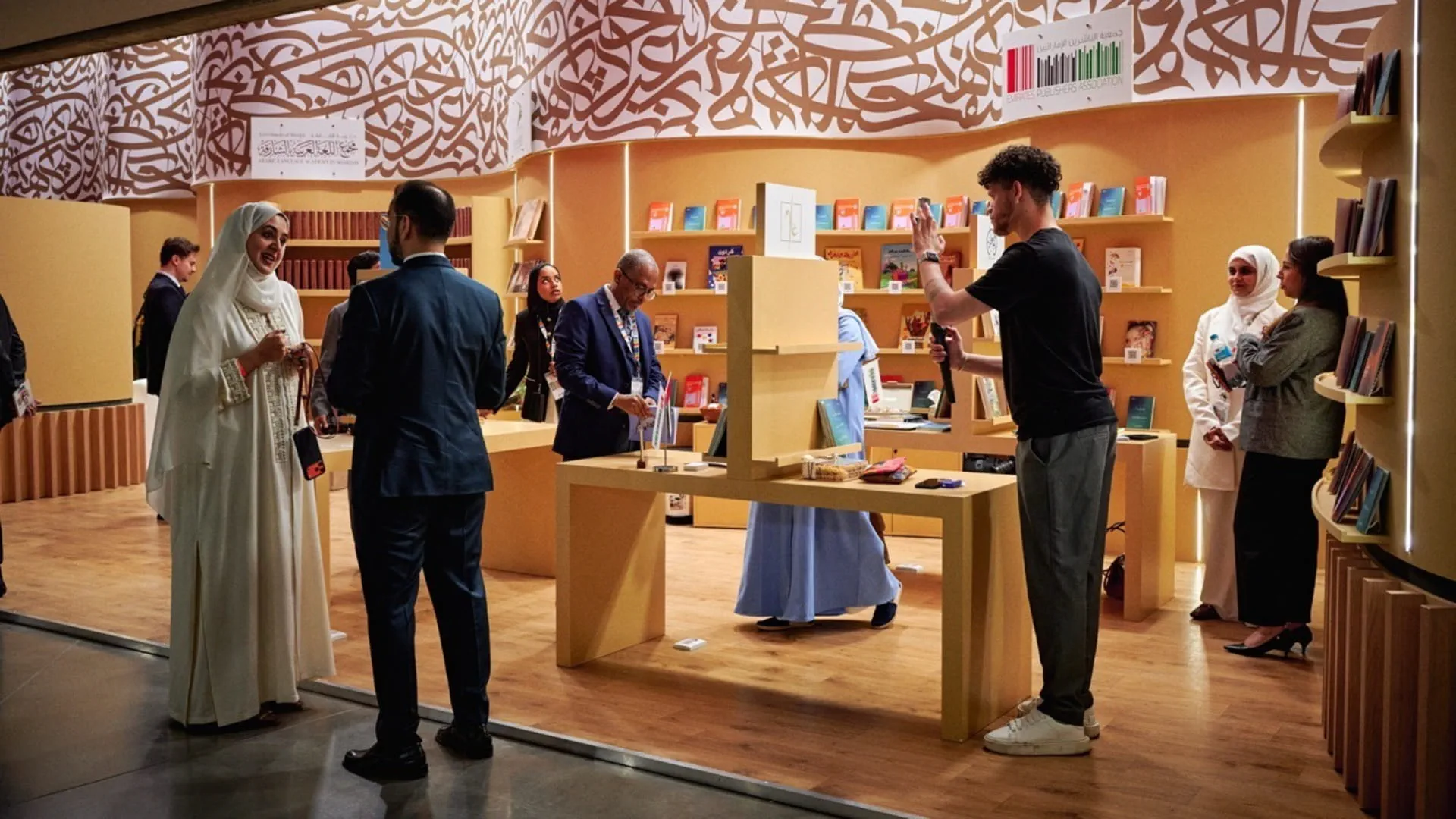
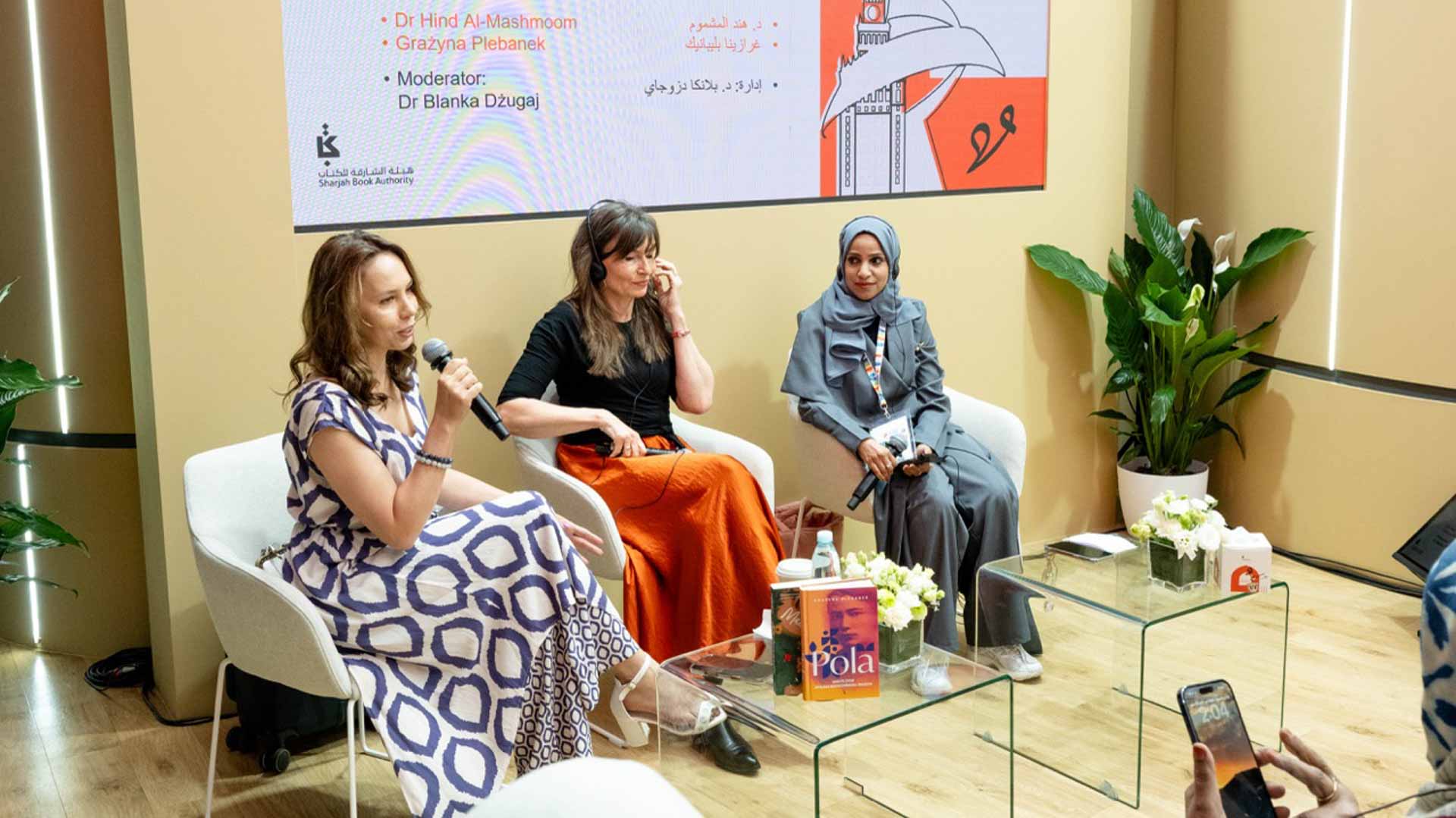
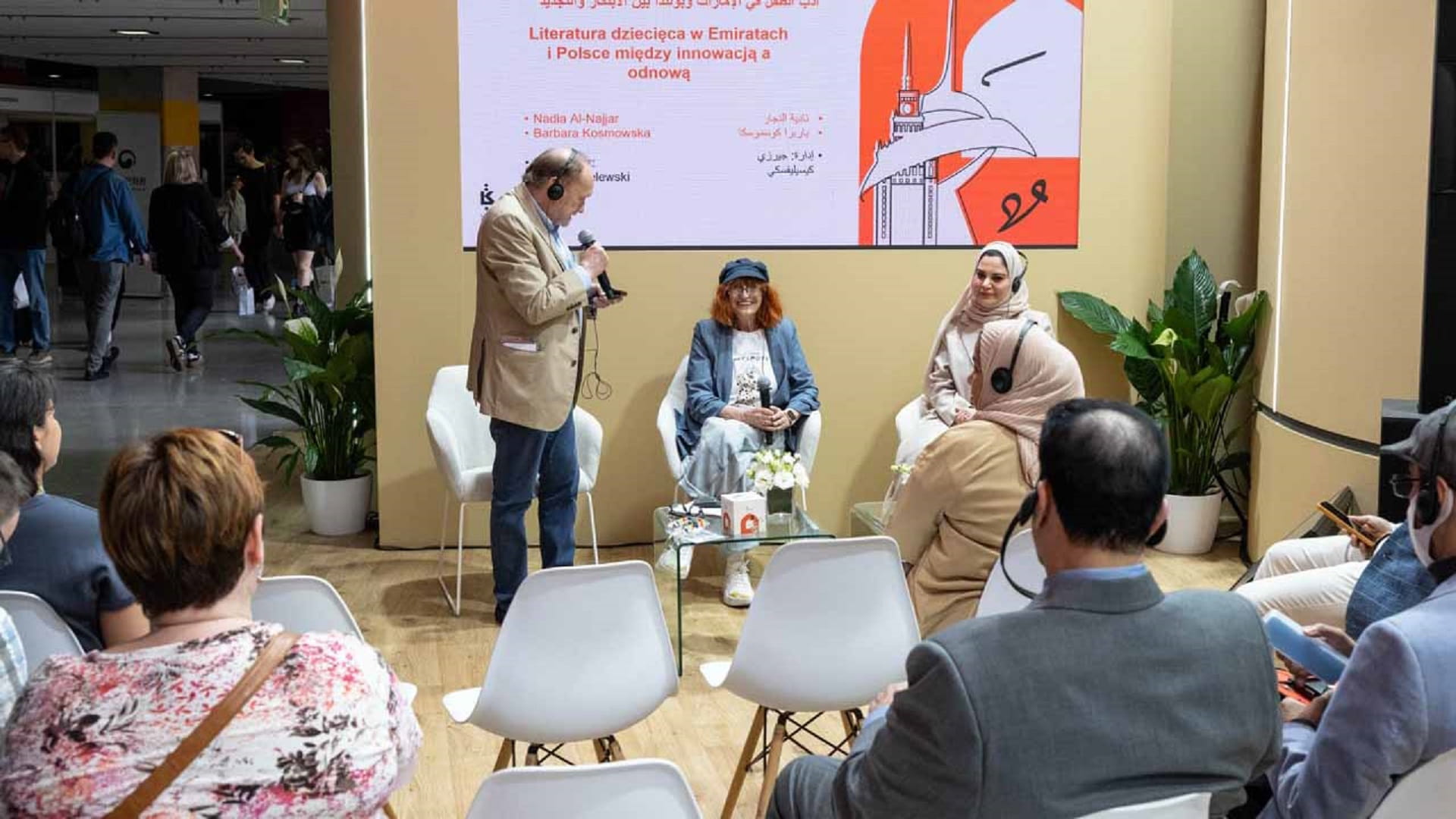
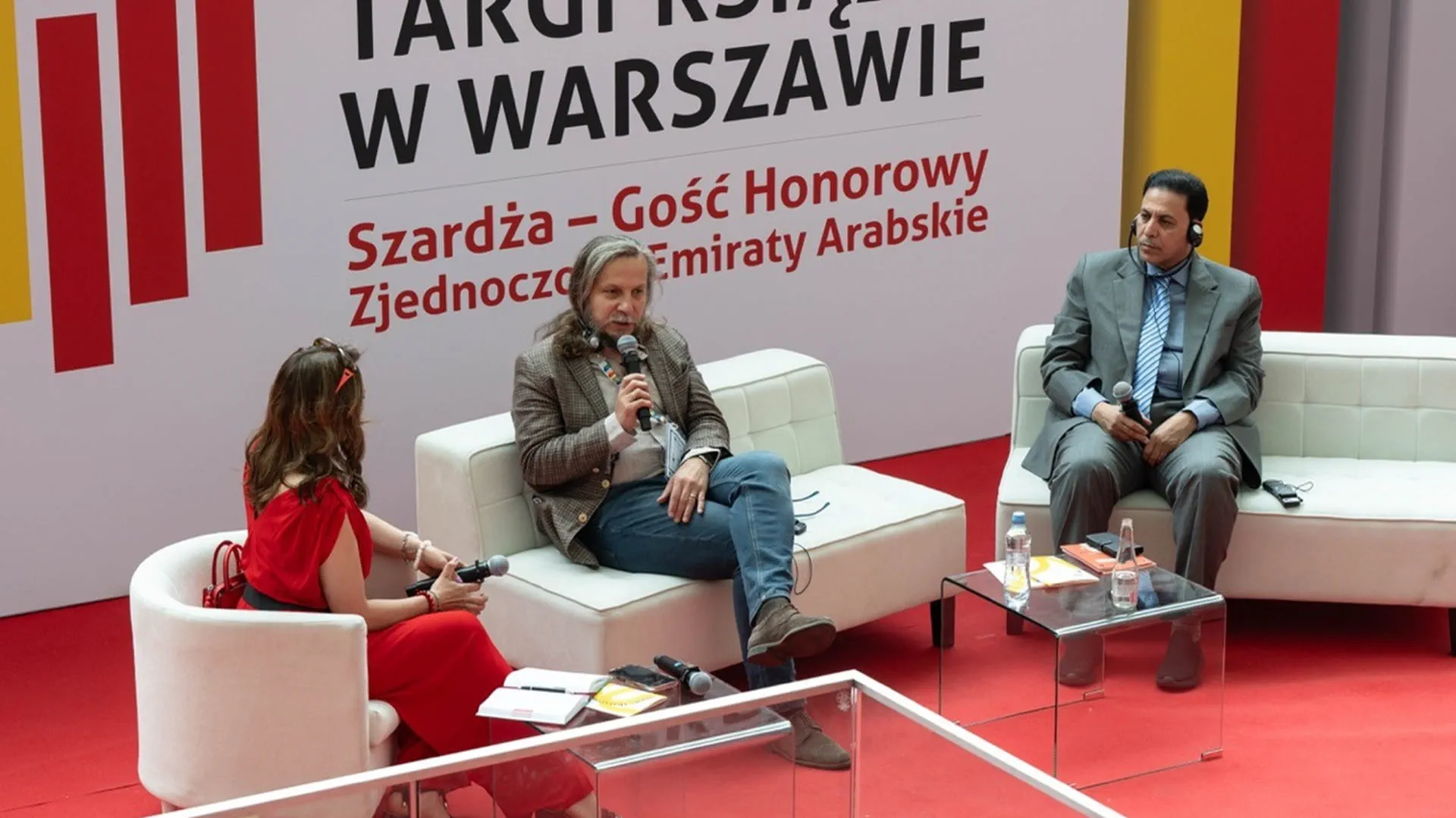
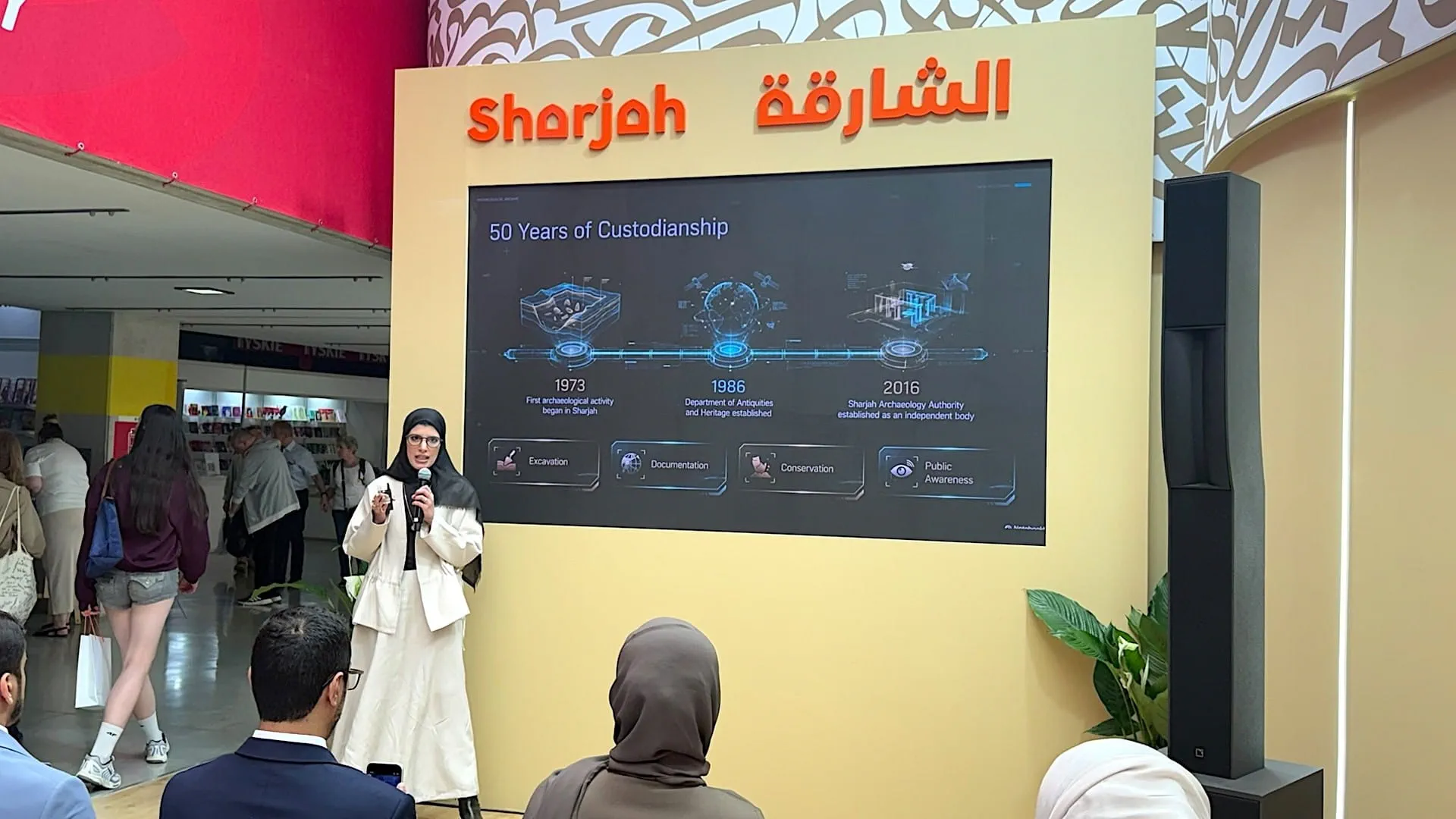
The session is part of Sharjah's cultural programme at the fair, which runs over four days until 31 May and features 35 cultural events, with the participation of 21 cultural, academic and media institutions, 36 Emirati creatives and 15 Polish participants, in a series of encounters bringing together writers and creatives from the UAE and Poland.

 For an optimal experience, please
rotate your device to portrait mode.