Loading...
Loading...


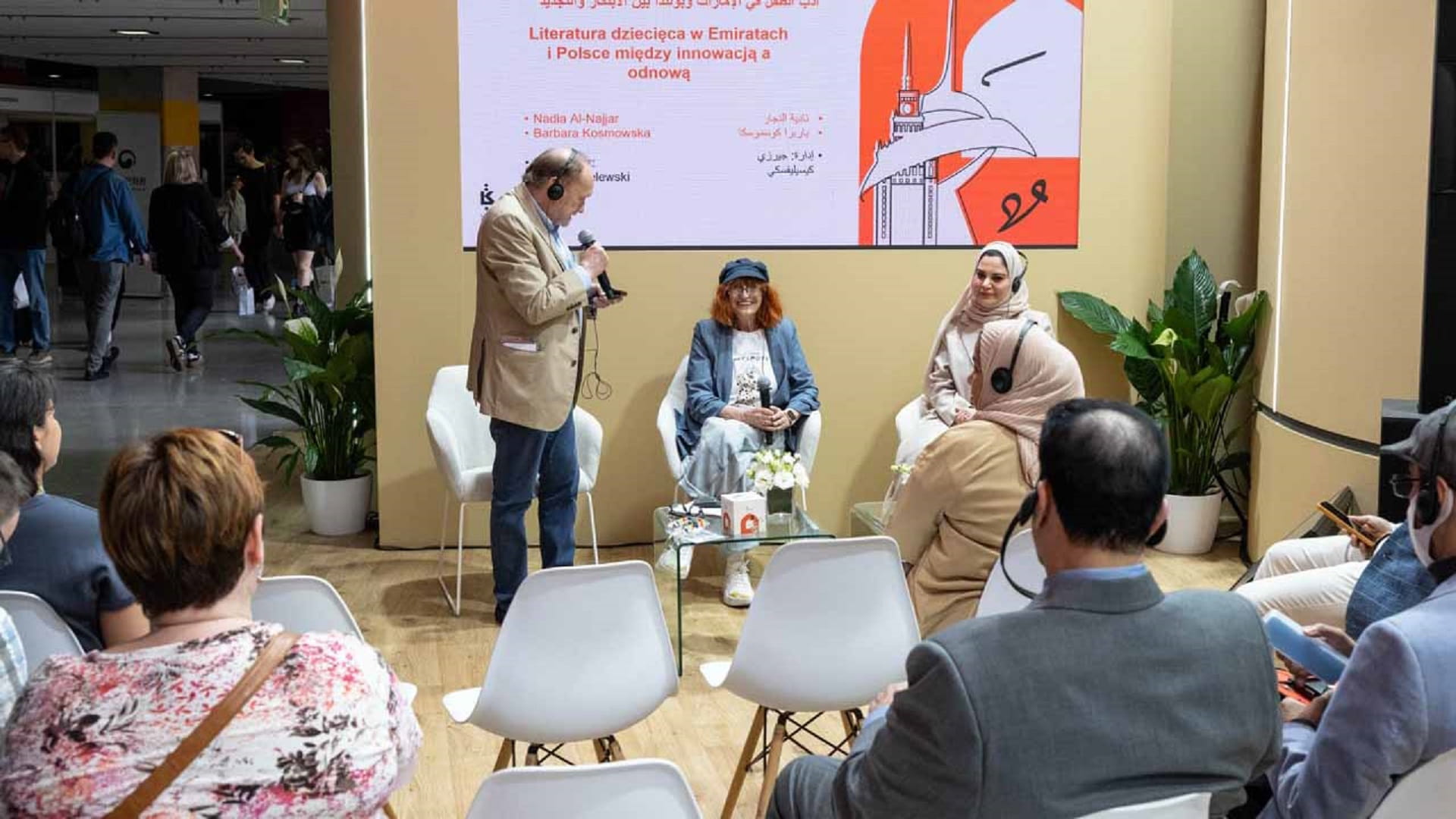
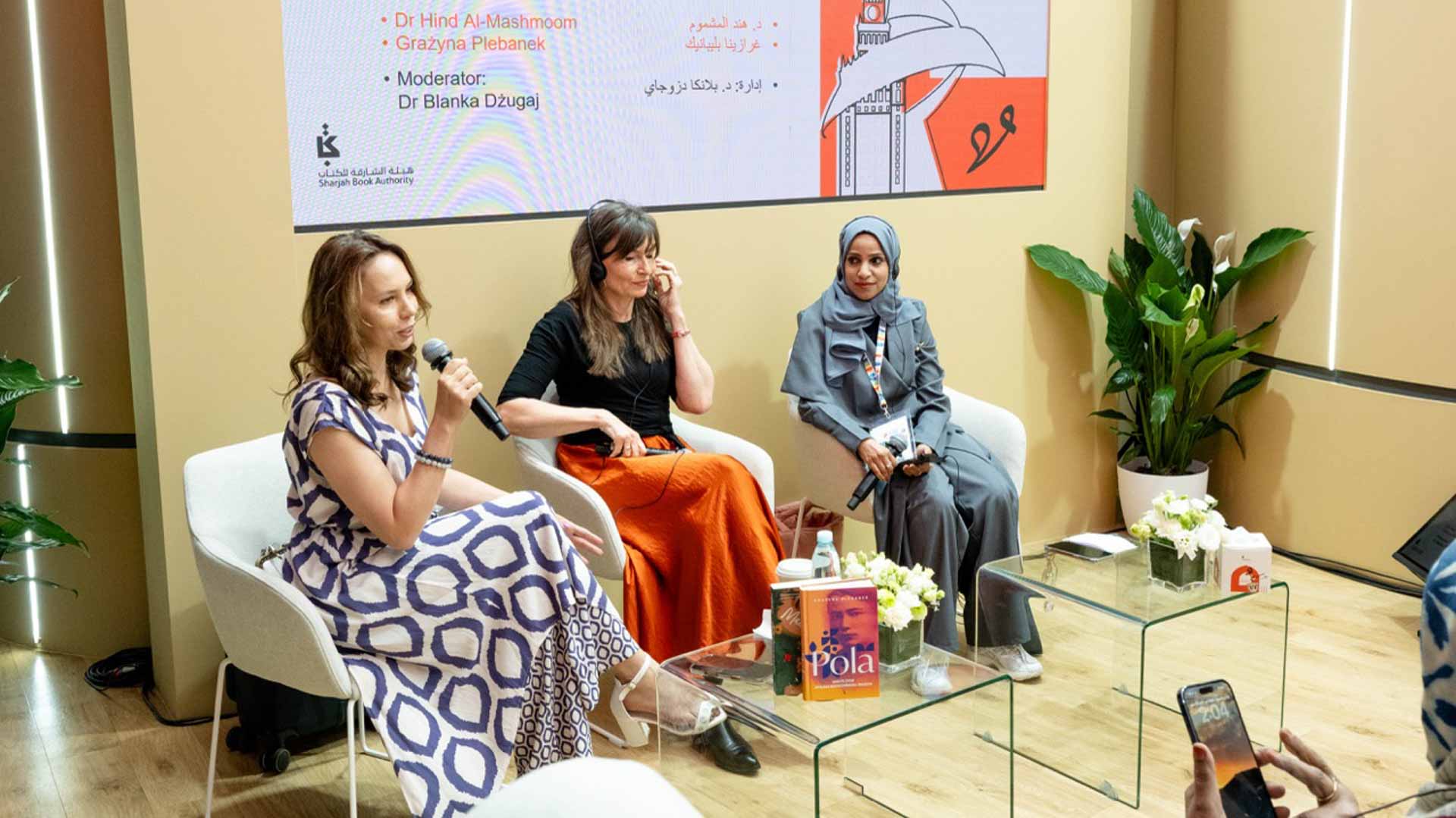
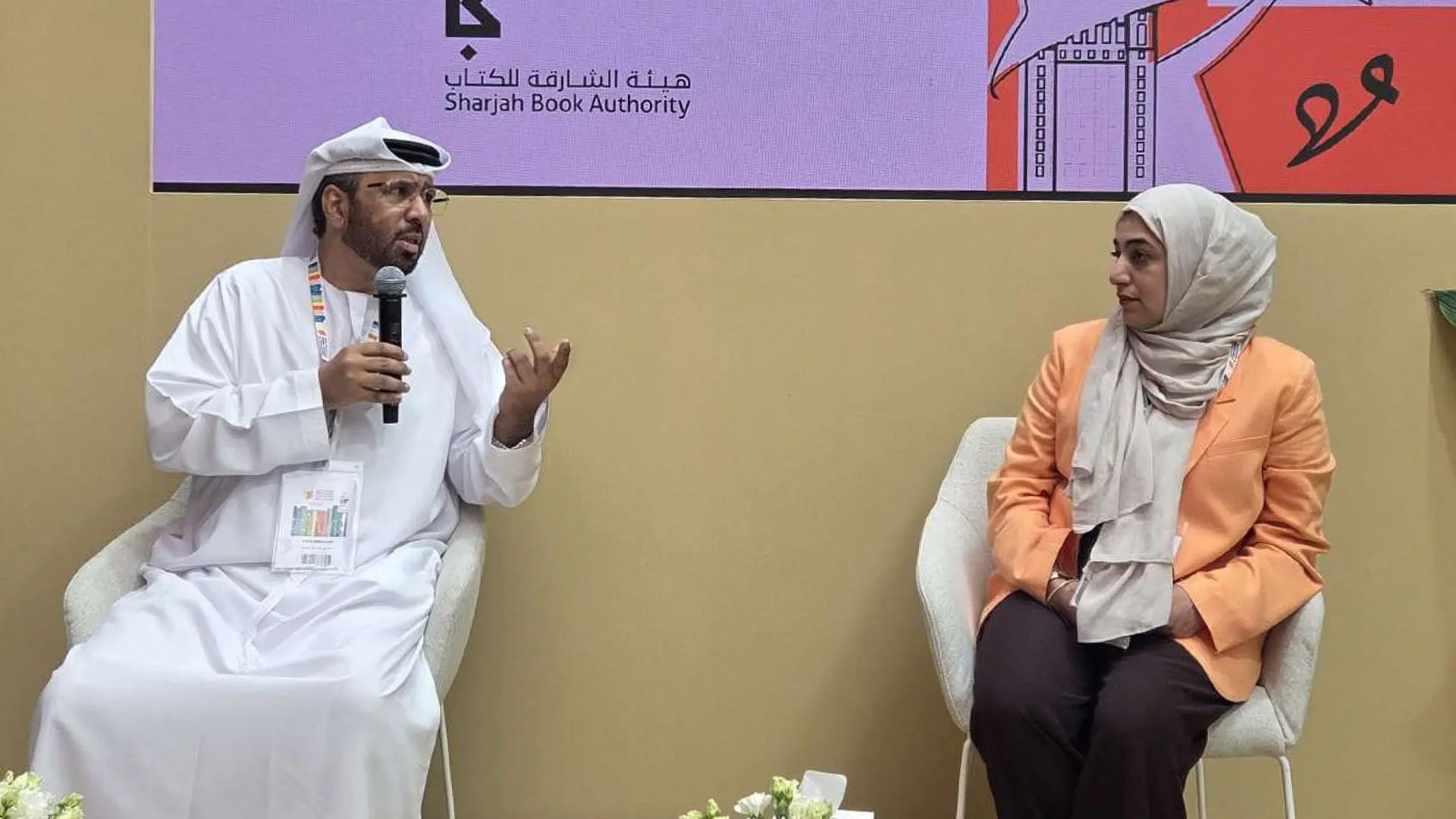
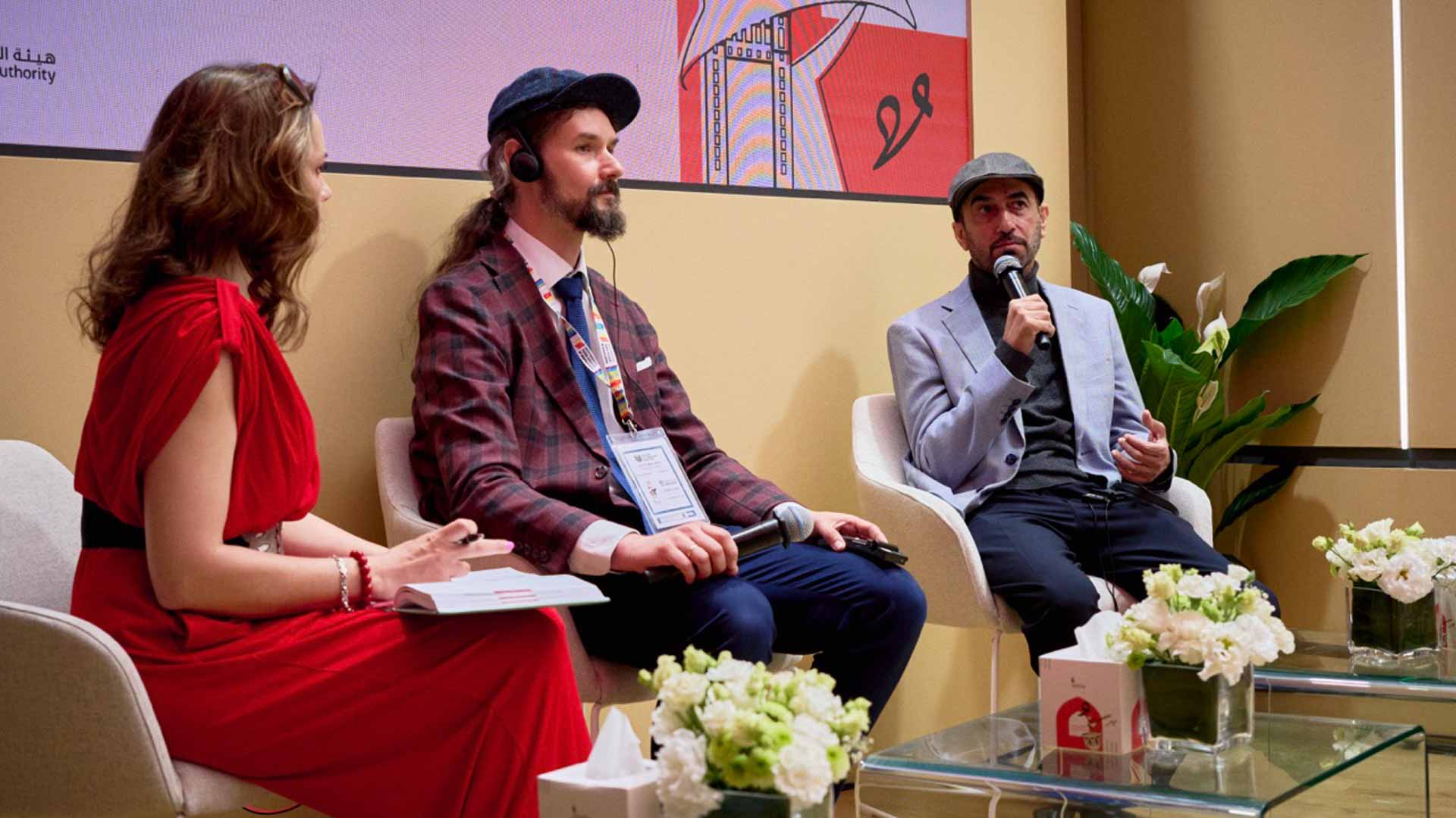
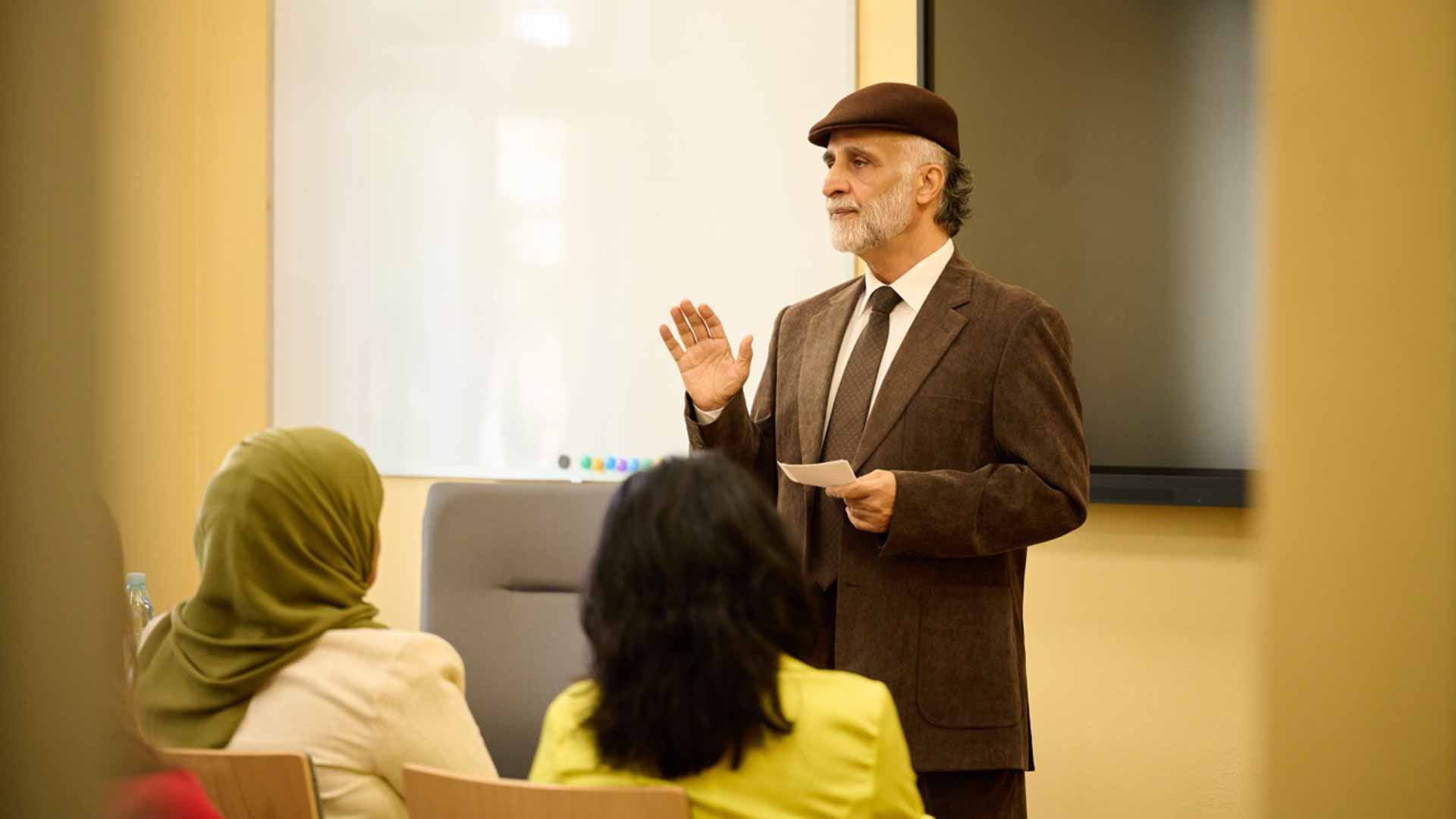
Speaking during a session titled “Children's Literature in the United Arab Emirates and Poland: Between Innovation and Renewal”, the two authors explored changing reading habits, the growing influence of technology, and the evolving relationship between young readers and books.
Al Najjar said successful writing for children begins with understanding the interests, language, and concerns of each age group, from early childhood through to young adulthood. She argued that one of the greatest challenges facing children’s authors today is finding original stories capable of competing with the constant distractions presented by digital devices and online content.
She added that exposure to different writers, cultures, and literary traditions helps authors strengthen their craft and develop richer narratives, stressing the importance of reading beyond the field of children’s literature itself.
Reflecting on her own work, Al Najjar noted that her book The Speckled Tiger is taught to Year 4 students across schools in the UAE, describing its inclusion in educational curricula as one of her proudest achievements.
Using one of her stories about the ghaf tree as an example, she explained how storytelling enables children to absorb information more naturally than direct instruction while simultaneously introducing human, cultural, and scientific values.
Al Najjar also highlighted the importance of collaboration in children’s publishing, describing illustrators as creative partners who often expand a story’s meaning beyond the written text. Children's books, she said, are the result of a collective effort involving writers, illustrators, designers, editors, and publishers.
Addressing the role of translation, Al Najjar expressed hope that her books would continue reaching readers in different languages. She highlighted the Polish translation of her book The Magic Ribbons, supported by the Sharjah Book Authority, as an example of how literature can introduce new audiences to Emirati culture while strengthening connections between societies.
She also pointed to the Sharjah Children’s Reading Festival as an important platform for encouraging reading and connecting young audiences with authors, illustrators, and books from diverse cultural backgrounds.
Discussing young adult literature, Al Najjar called for greater attention to the genre across the Arab world. She highlighted her recently published novel, The Story Thief, which explores memory, loss, and intergenerational relationships through the story of a young girl whose grandmother develops Alzheimer’s disease. Writing for young adults, she said, requires a deep understanding of the issues and experiences that matter most to younger generations.
For her part, Kosmowska said many of the challenges facing children’s literature in Poland closely mirror those in the UAE. Books, she noted, no longer occupy the central place they once held in children’s lives due to the growing influence of technology and screens.
She added that authors today must engage not only children, but also parents, who often play a decisive role in shaping reading habits and encouraging engagement with books.
Despite writing for children for nearly three decades, Kosmowska said she continues to learn from young readers. She described children’s and young adult literature as among the most demanding forms of writing and highlighted the strength of Poland’s picture-book sector, which she attributed to close collaboration between writers and illustrators.
Kosmowska also reflected on the challenges of reaching international audiences, noting that Polish children’s and young adult literature has yet to be widely translated, despite growing interest in her work in countries including Slovakia, Italy, and Spain.
She concluded by observing that the growth of digital Young Adult culture has transformed relationships between writers and readers, creating new forms of engagement and interactive storytelling through online platforms.

 For an optimal experience, please
rotate your device to portrait mode.