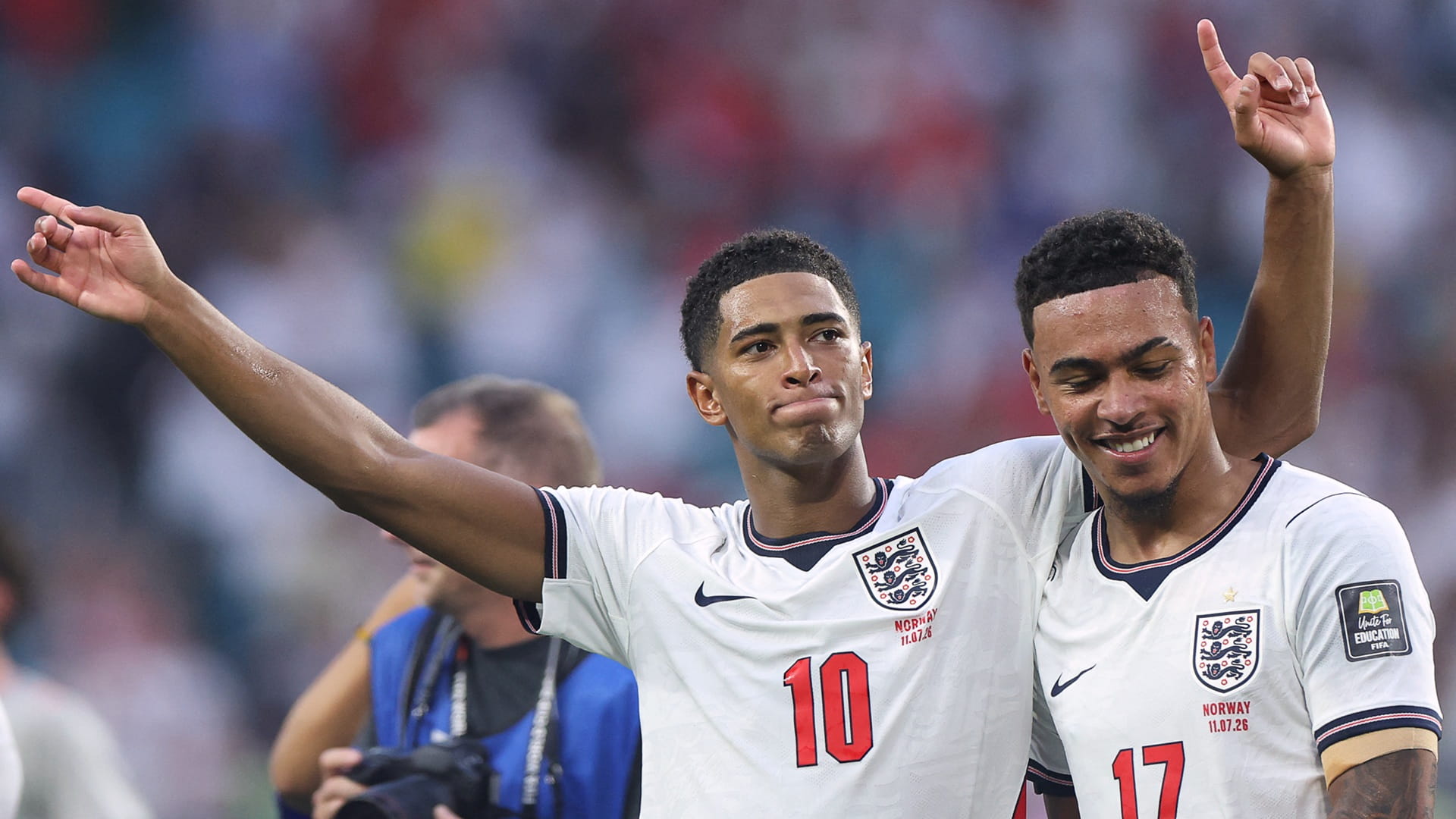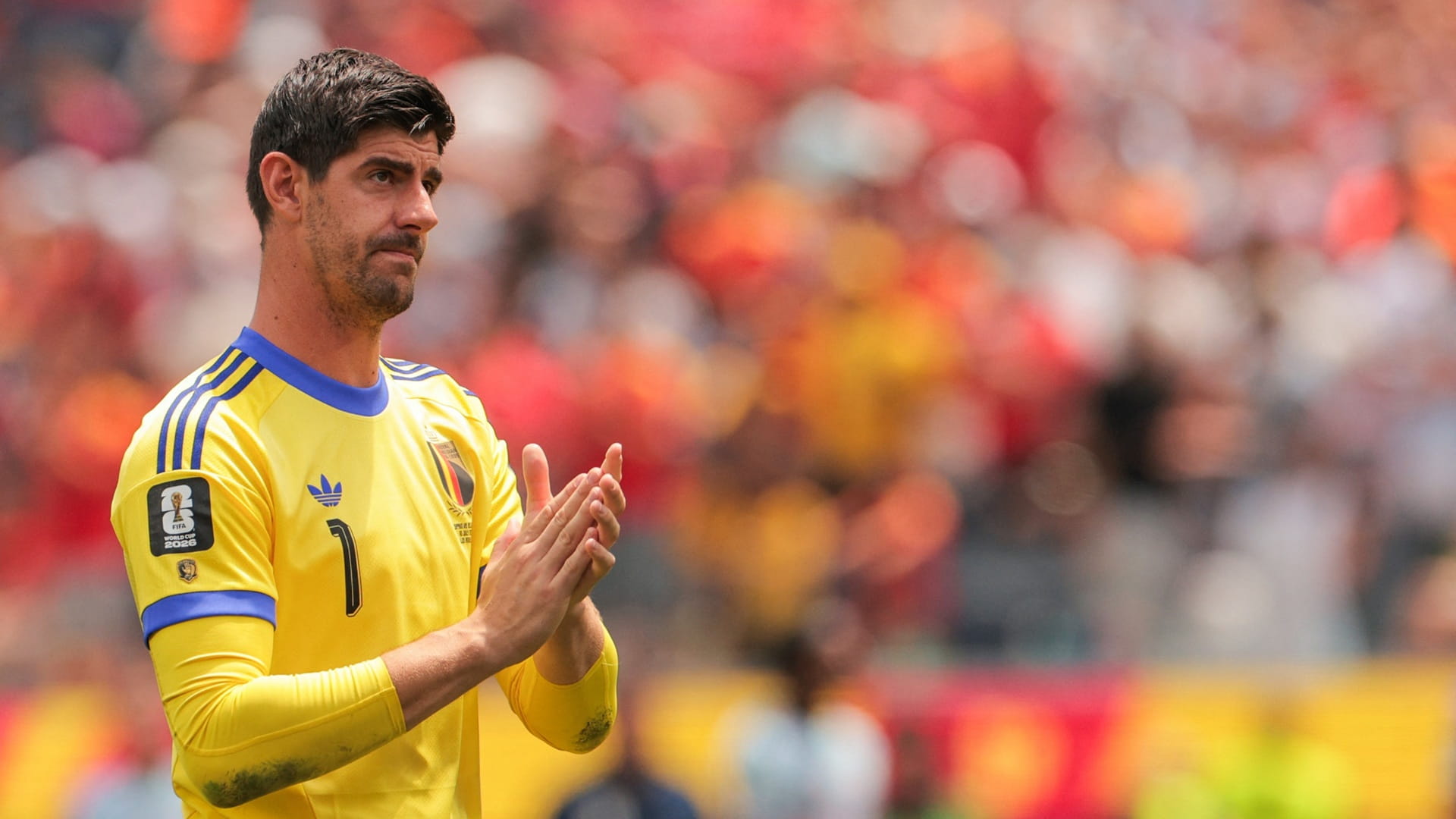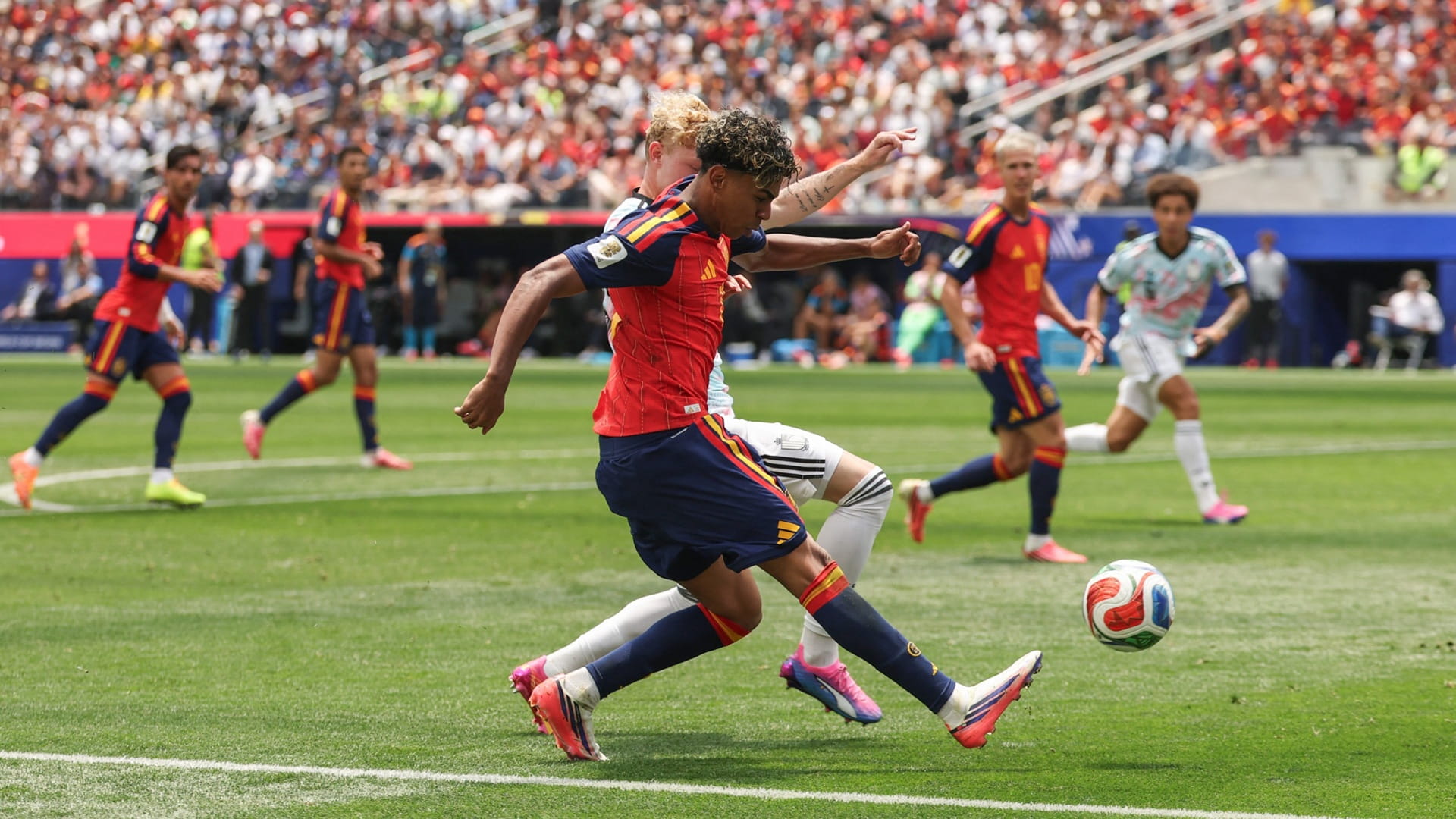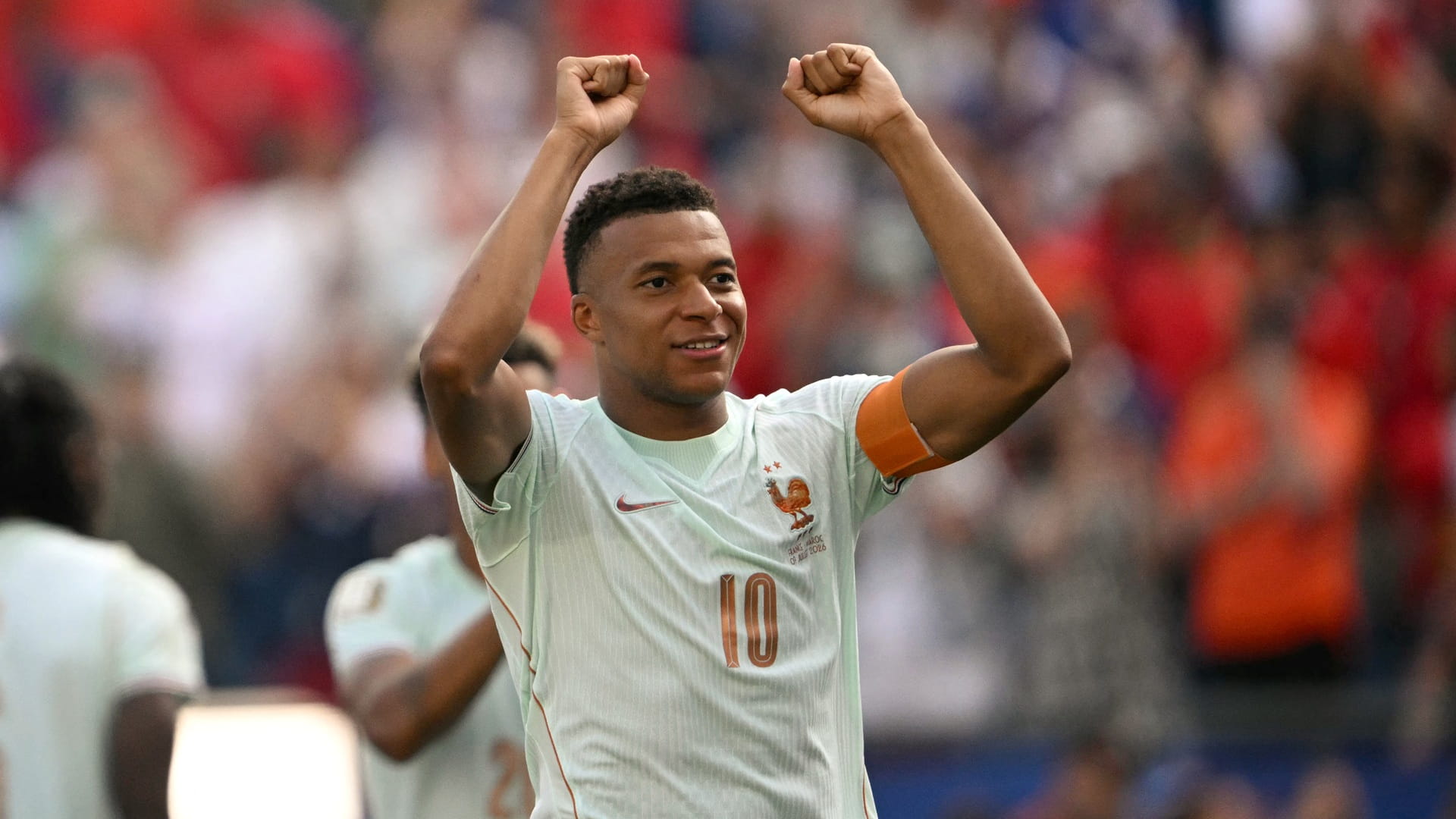
Loading...
Loading...


On the official World Cup account on X, FIFA announced that tickets will be available on a first-come, first-served basis while supplies last. Sales are scheduled to begin at 21:00 GMT through the official FIFA website.
In April, FIFA announced that tickets for the tournament would continue to be released regularly through its official website until the final match, which is scheduled for July 19.
According to FIFA President Gianni Infantino, more than five million tickets have already been sold out of approximately seven million available for the tournament.
FIFA expects to surpass the record of 3.5 million tickets sold during the 1994 World Cup.
The United States, Mexico, and Canada will host the 23rd edition of the FIFA World Cup, which will be the first to feature 48 teams instead of 32. The expansion increases the number of matches to 104, with 78 of them taking place in the United States.
Ticket sales have sparked widespread controversy, with FIFA facing criticism over what many consider excessively high ticket prices, despite assurances made when the three countries were awarded hosting rights.
In New York and New Jersey, a judicial investigation was launched on Wednesday into FIFA’s ticket sales practices, particularly concerning the eight matches scheduled to be played at MetLife Stadium in New Jersey, including the final.
In late March, the Football Supporters Europe (FSE) organisation and Euroconsumers, which represents European consumers, filed a complaint against FIFA with the European Commission, accusing the governing body of abusing a dominant market position and calling on it to abandon what they described as “opaque and unfair” procedures.
FIFA has defended World Cup ticket prices, arguing that they are determined by enormous demand and a dynamic pricing system that varies according to the importance of each match, as explained by Infantino.
A FIFA spokesperson told Agence France-Presse (AFP) in early May: “FIFA’s pricing strategy covers a wide range of price levels and categories, reflecting market demand for each match.”

 For an optimal experience, please
rotate your device to portrait mode.