Loading...
Loading...


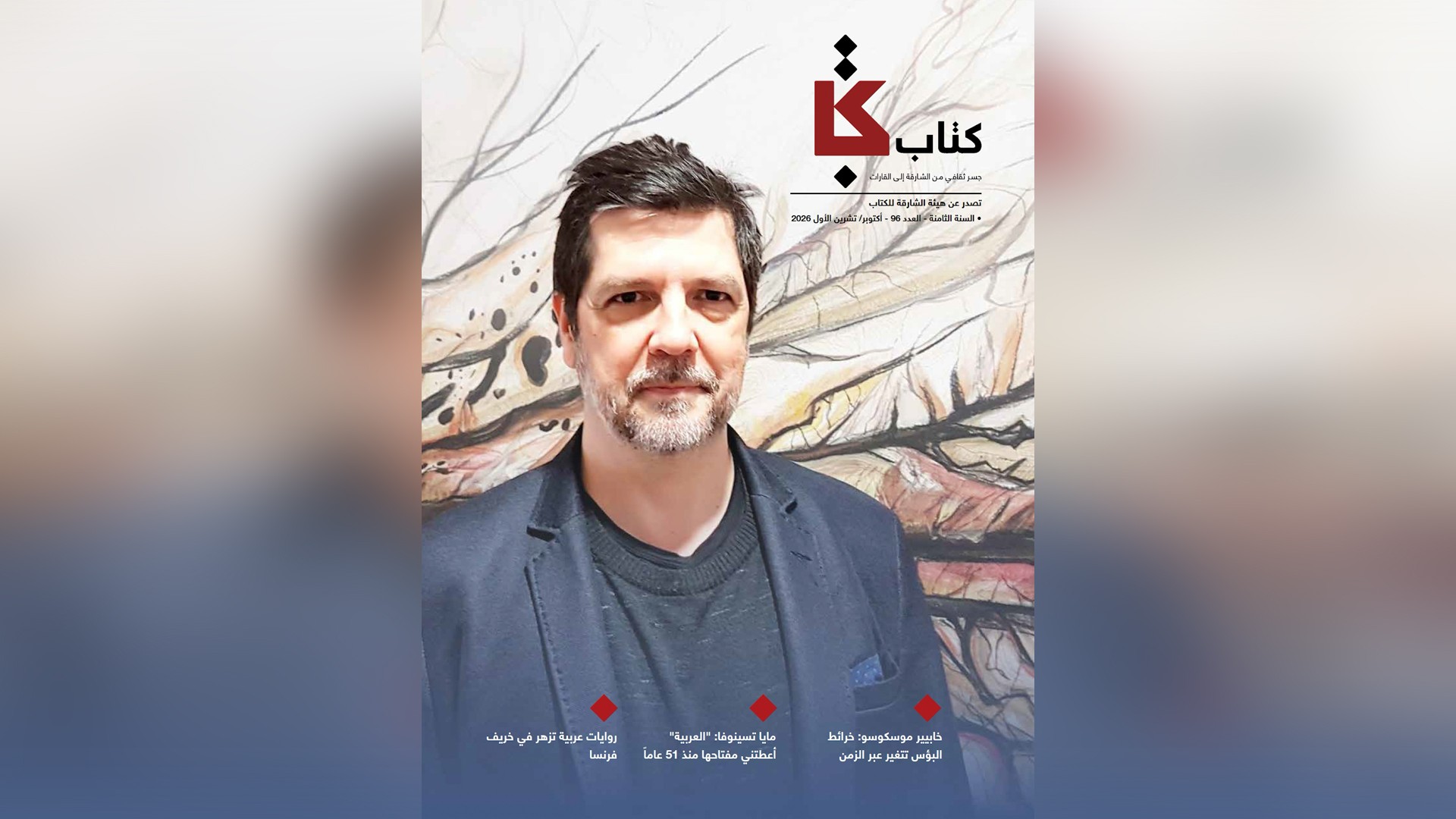
In the interview, Moscoso said: “History teaches us that the unequal distribution of pain across the geography of the world, or what I call in the book ‘maps of misery’, changes over time.”
The magazine’s 96th issue, published this October, features articles on books, authors and changing reading habits. It includes interviews with Congolese philosopher Emmanuel Moukambileua, Tunisian writer Faraj Al-Hawar, Bulgarian Arabist Maya Tsenova, Emirati writer Fatima Al Mazrouei, Tunisian poet Youssef Rzouqa, Chinese poet Jing Cao and Jordanian writer Mufleh Al Adwan.
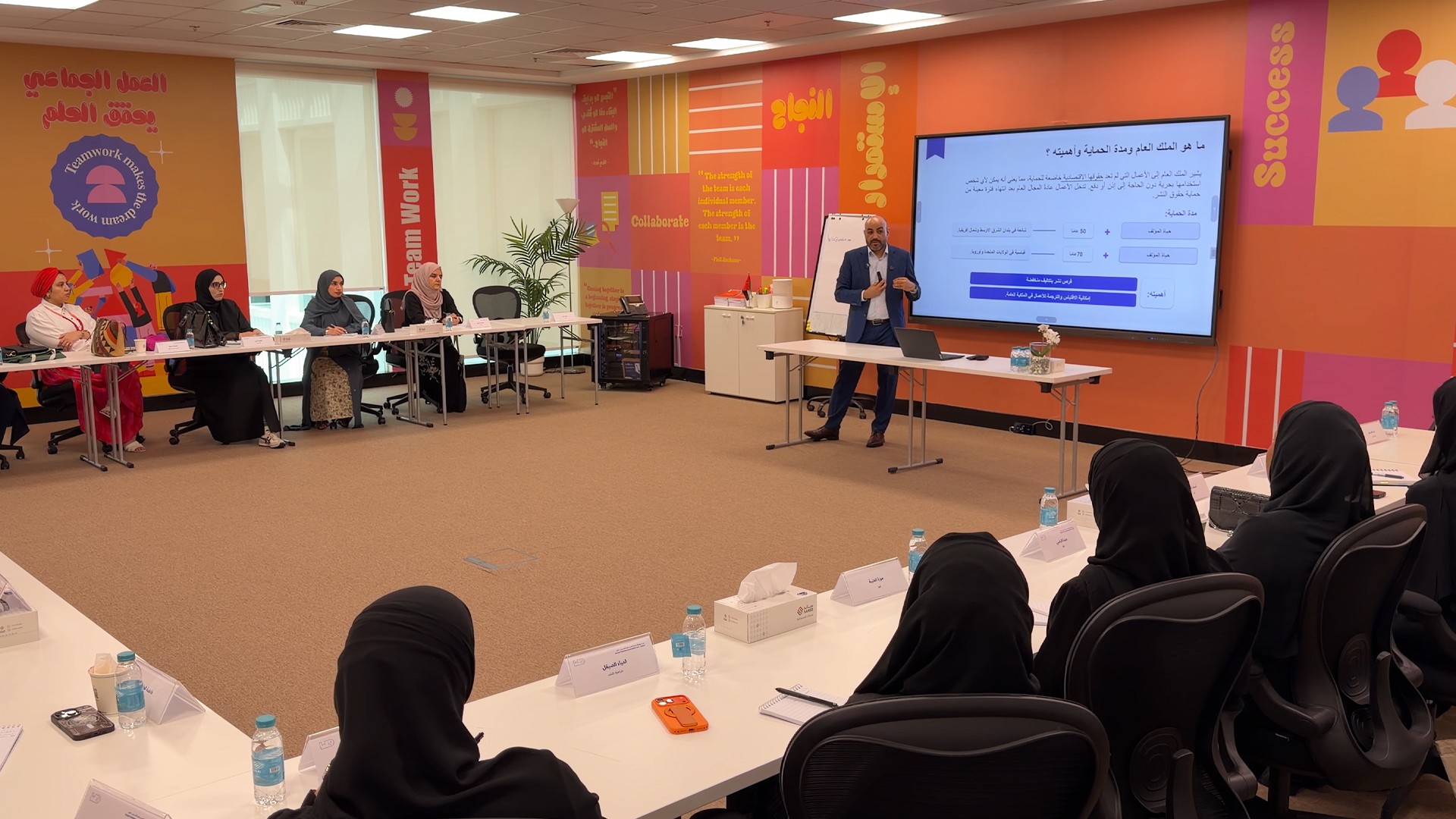
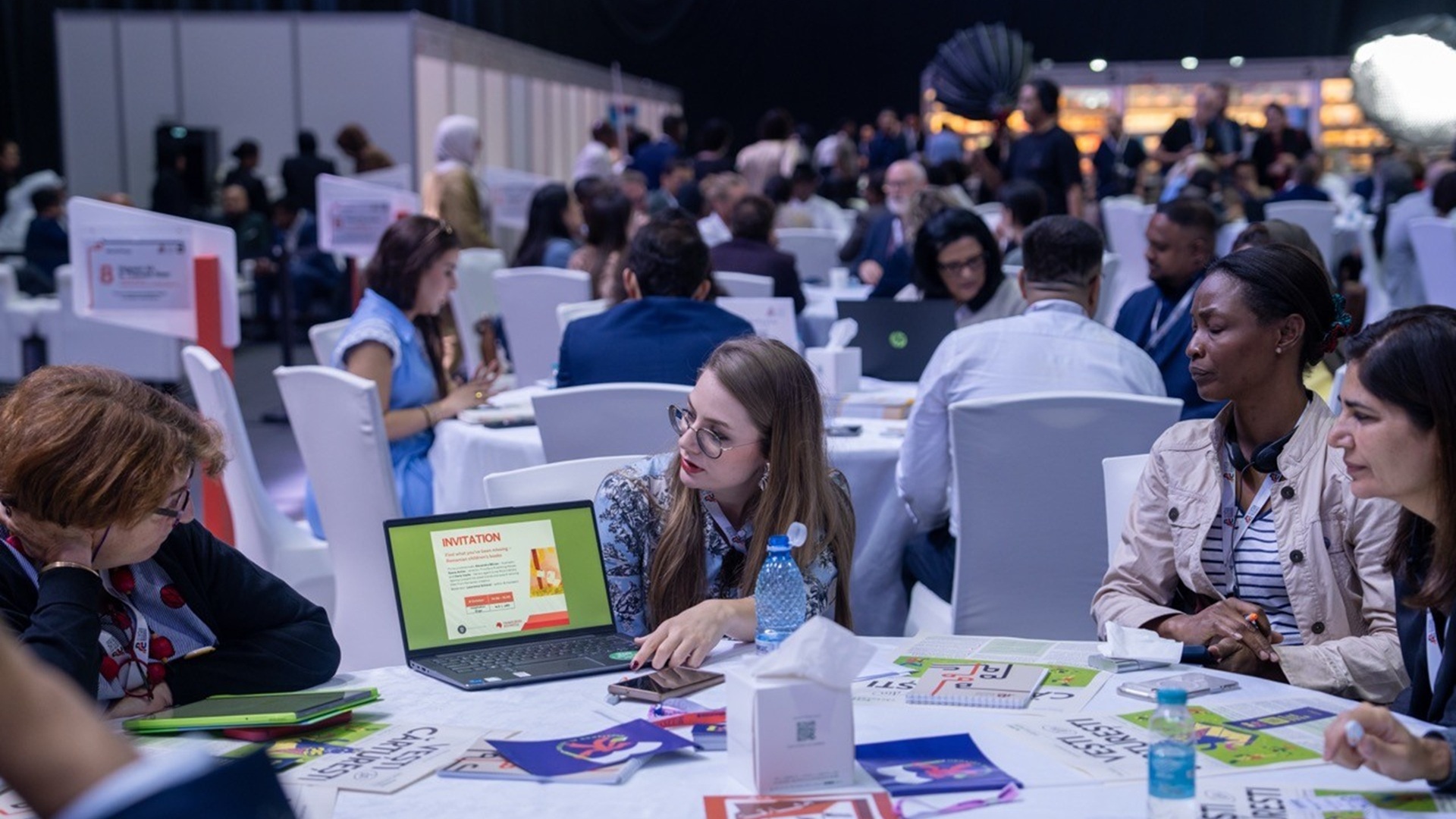
In the issue’s opening editorial, “First words”, Ahmed bin Rakkad Al Ameri, CEO of the Sharjah Book Authority and editor-in-chief of the magazine, writes about the Sharjah Booksellers Conference, organised by the Sharjah Book Authority on 19 and 20 September. His article, titled “Booksellers conference... unprecedented achievements”, states: “After two days packed with a professional programme, the conference marked a new qualitative leap in its fifth edition, bringing together 912 participants from publishers, distributors, booksellers and representatives of online book-selling platforms from 99 countries. It has therefore become the world’s largest conference in its field, achieving unprecedented accomplishments.”
He said: “The conference is one of the pillars of the cultural project, in line with the vision of the wise ruler, His Highness Sheikh Dr Sultan bin Mohammed Al Qasimi, Supreme Council Member and Ruler of Sharjah, to support the knowledge industry.”
He added: “Under the guidance of Her Highness Sheikha Bodour bint Sultan Al Qasimi, Chairperson of the Sharjah Book Authority, the Sharjah Booksellers Conference has achieved outstanding success over its five editions in building an extensive international network of relationships between publishers and distributors and improving the efficiency of supply chains in the publishing sector.”
Al Ameri stressed that the booksellers conference contributes to strengthening the presence of women publishers in the book industry, promotes the right to knowledge for all, strengthens ties between publishing professionals, develops libraries and digital book-selling platforms, and supports physical book distributors.
The magazine also features articles and studies on Polish poet Miron Białoszewski, Native American Muscogee poet Joy Harjo, Palestinian intellectual Edward Said and Dutch poet Ester Jansma.
The issue includes critical reviews of books by authors from the UAE, Palestine, Jordan, Syria and Yemen.
In his “Raqeem” column, Ketab managing editor Ali Al Ameri writes about the magazine’s fifth international symposium, “Translating directions... Arabic literature’s journey into the world’s languages”.
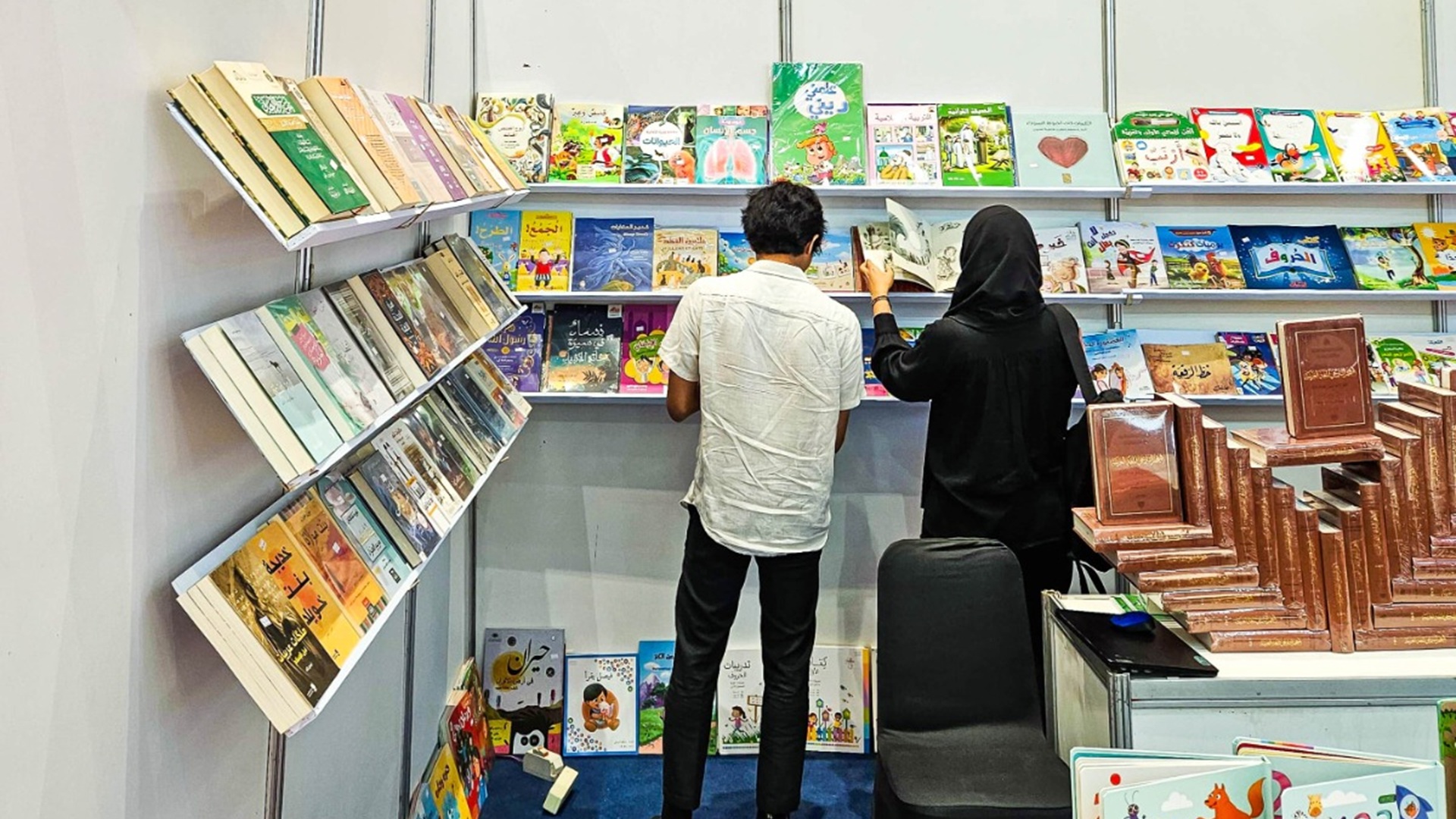
The symposium, organised by the Sharjah Book Authority on 10 and 11 November as part of the 45th Sharjah International Book Fair, will explore the translation of Arabic literature into various languages through a series of research papers.
In his article, Al Ameri writes: “I believe Arabic literature falls within the category of literature that is translated on a limited scale, as the movement to translate it does not match its entitlement to reach the world’s languages. Therefore, we cannot wait for translation justice to happen on its own, without establishing an integrated Arab project to translate our literature into the world’s languages and translate the literature of other peoples into our language.”

 For an optimal experience, please
rotate your device to portrait mode.