Loading...
Loading...


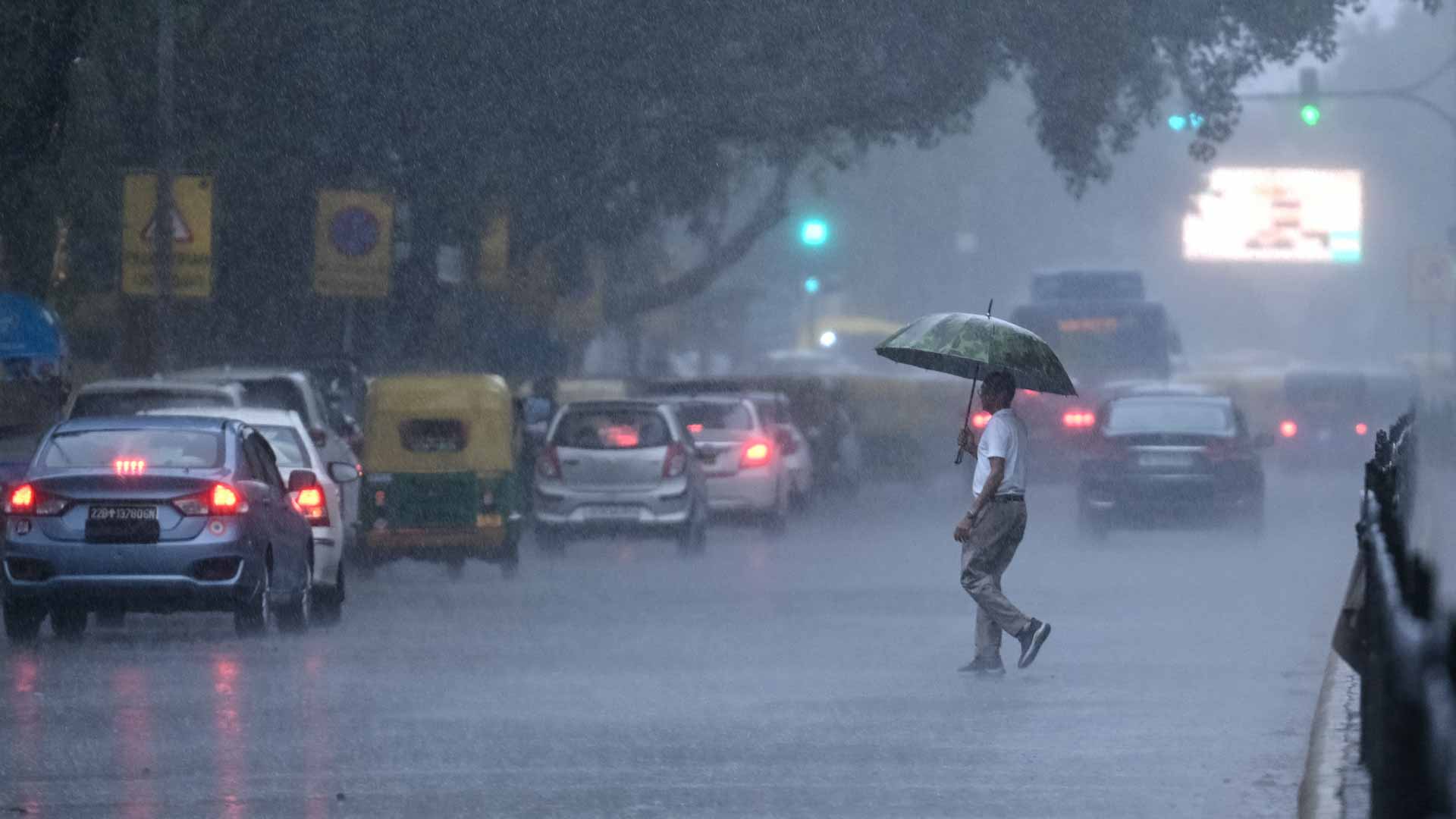
Rainfall during the June-to-September monsoon season is currently 15% below the long-term average, according to the India Meteorological Department. If the shortfall continues, it would mark the weakest monsoon since 2009, when rainfall was 18% below normal.
A tropical cyclone could develop in the Bay of Bengal in late September, potentially bringing much-needed rain to eastern and northeastern India. However, the additional rainfall is not expected to significantly alter the nationwide deficit, which is forecast to remain between 13% and 16%.
Forecasters and academics are also placing bets on India’s monsoon through a specialty prediction platform at Lancaster University in the UK, known by its acronym CRUCIAL. With less than two weeks of monsoon remaining, the platform is assigning a 68% chance that the season will end with a rainfall deficit of 10% to 20%, according to founder and planetary scientist Mark Roulston.
Adequate monsoon rains are crucial for the hundreds of millions of Indian farmers who depend on the seasonal precipitation to irrigate fields in the country, which is among the world’s biggest producers of rice, sugar and cotton. The season accounts for most of India’s annual rainfall.
The prolonged shortfall could hurt both the current harvest and the next crop cycle, adding to the pressure on food prices that are already accelerating, with costs rising for a seventh straight month to 5.95% in August, the highest level this year. Rice, sugar cane and corn plantings are running behind last season.
When the monsoon is deficient, every 1 percentage-point shortfall in precipitation from normal levels typically raises food inflation by about 25 basis points, according to Yuvika Singhal, an economist at QuantEco.
Weaker rains and rising prices have already pushed the government to allow duty-free sugar imports to bolster supplies. The government is also selling onions at subsidized prices in some states, as part of efforts to cool rising food costs.

 For an optimal experience, please
rotate your device to portrait mode.