Loading...
Loading...


The event was organised as part of the academy’s ongoing efforts to strengthen scientific literacy and make astronomy and space science accessible to the wider community. Participants observed the phenomenon using modern astronomical equipment, explored it through digital simulations, and received live scientific explanations of the event.
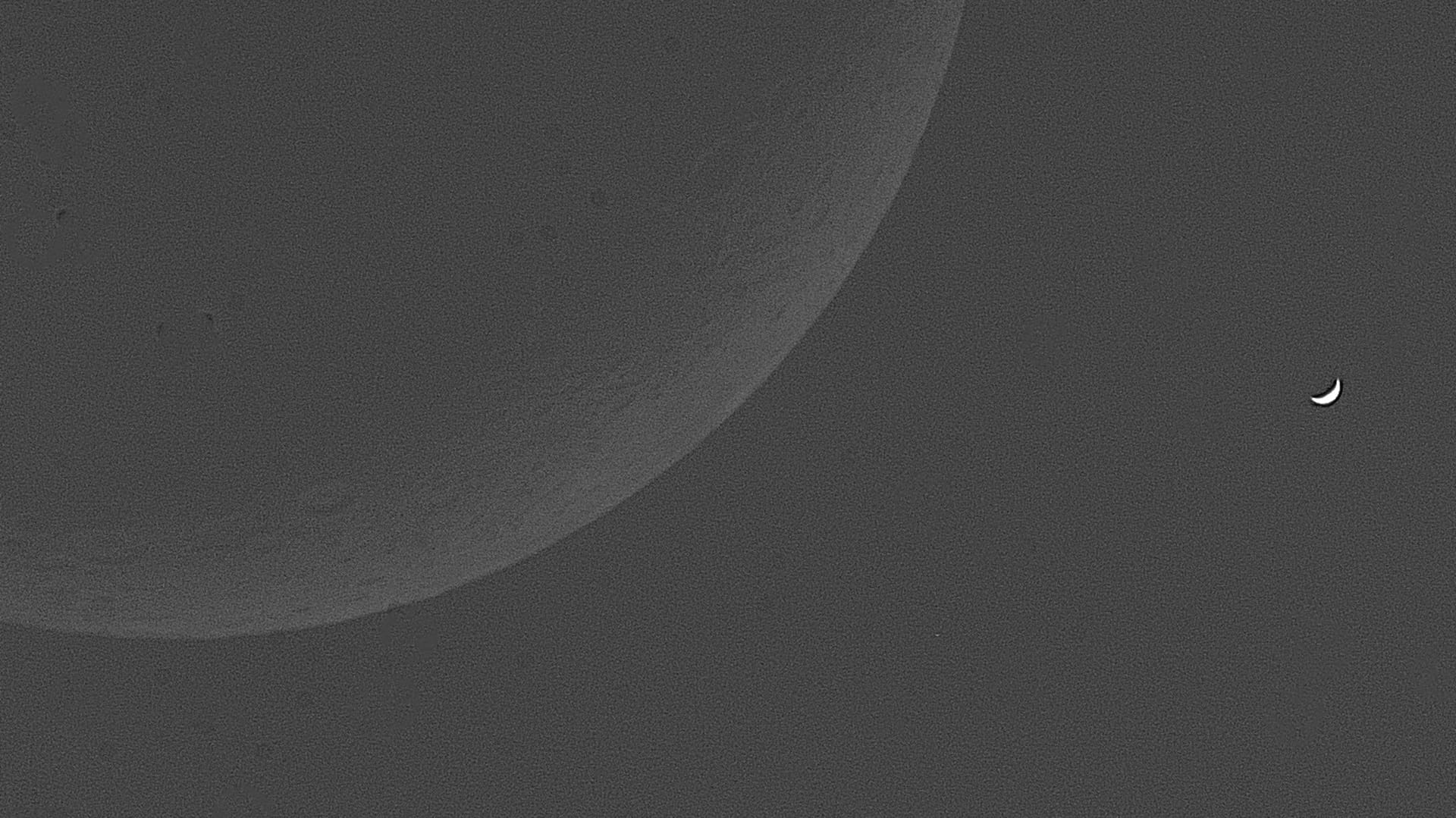
A lunar occultation occurs when the Moon passes in front of Venus as seen from Earth, temporarily concealing it before the planet re-emerges from behind the Moon’s disk. The Venus occultation was particularly noteworthy because it occurred during daylight hours. The Moon appeared as a waxing crescent, while Venus, one of the brightest objects in the sky, remained visible under suitable observing conditions.
Using advanced telescopes and astronomical observation systems, participants followed the event from Venus’s disappearance behind the Moon at 2:37 p.m. to its reappearance at 3:57 p.m. The occultation lasted approximately one hour and 20 minutes, allowing attendees to observe and document each stage through telescopes while gaining a firsthand understanding of how such alignments occur and how astronomers observe them.
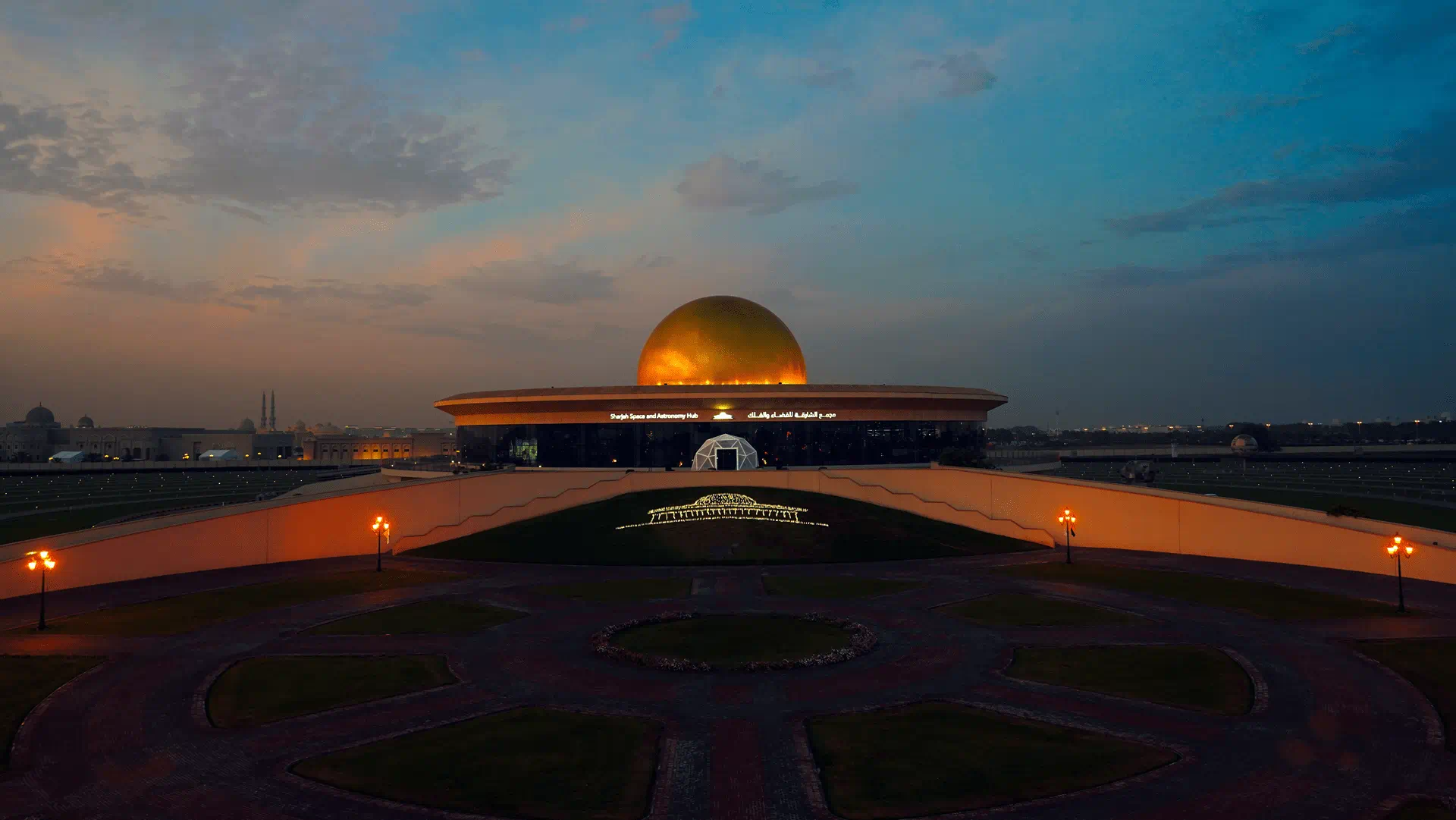
The event also featured an immersive scientific presentation within the Sharjah Planetarium Dome. Through illustrated explanations and astronomical simulations, the programme traced Venus’s passage behind the Moon, from its disappearance to its return, while introducing visitors to the planet’s defining characteristics and the movements that govern the apparent paths of celestial bodies.
By combining direct observation with accessible scientific interpretation, the academy transformed a brief alignment in the afternoon sky into a vivid lesson on the mechanics and wonder of the solar system.

 For an optimal experience, please
rotate your device to portrait mode.