Loading...
Loading...


The calculations indicate that the crescent will not be visible after sunset, either with the naked eye or through a telescope. However, it may be possible to detect it before sunset using advanced astronomical imaging techniques, though only under limited observing conditions.
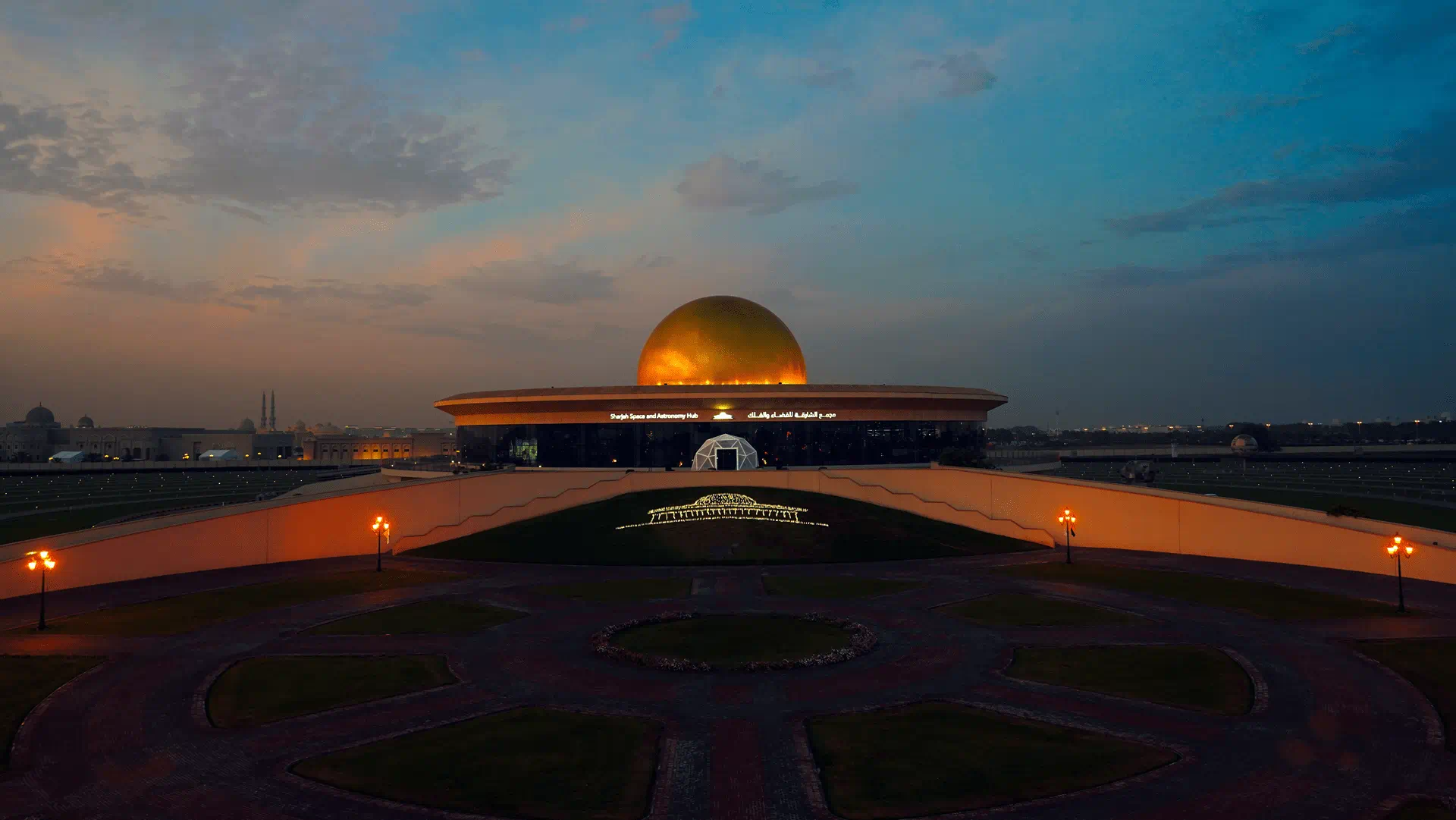
The findings form part of SSAH’s ongoing efforts to study lunar crescents, develop methods for analysing their visibility, and use modern observational technologies and artificial intelligence to provide accurate astronomical data.
As part of the study, SSAH conducted a test using a machine-learning system developed at the hub to assess the likelihood of sighting the crescent based on astronomical data and observing conditions. The system classified the Rabi’ al-Thani crescent as “not visible” to the naked eye or through a telescope, consistent with the day’s astronomical calculations.
According to the calculations, the Moon will reach central conjunction, or new moon, at 7:27am on Friday, September 11, 2026. Surface conjunction for Sharjah will occur at 5:38am UAE local time, corresponding to 29 Rabi’ al-Awwal 1448 AH.
At sunset, the surface age of the crescent will be approximately 12 hours and 50 minutes. It will remain above the horizon for no more than six minutes after sunset, at an altitude of 1 degree and 13 minutes. Its angular separation from the Sun will be 5 degrees and 57 minutes, making observation difficult under those conditions.
SSAH said that conditions for observing the crescent will improve significantly on the evening of Saturday, September 12, making it easier to see with the naked eye.
Based on astronomical calculations, countries that use them to determine the beginning of the month are expected to begin Rabi’ al-Thani on Saturday, September 12.
Countries that rely on visual observation, or on visual observation supported by astronomical calculations, are expected to begin the month on Sunday, 13 September.

 For an optimal experience, please
rotate your device to portrait mode.