Loading...
Loading...


The new edition will feature three categories. The Research Category will cover “Smart Leadership, Strategic Planning and Human Resource Management”; “Community, Innovative Information Services and Sustainable Partnership”; and “Institutional Readiness, Cybersecurity and Crisis Management”. The other categories are Best Arab Library or Information Institution and Best Project or Practice in the Field.
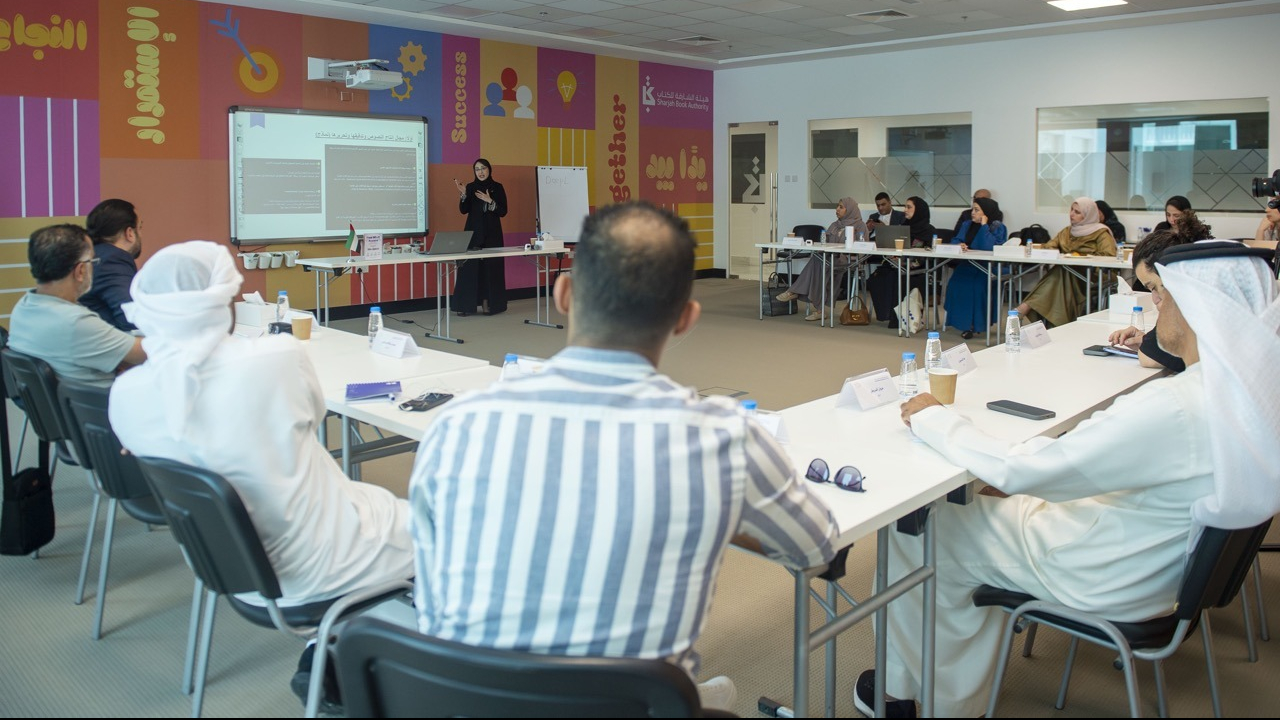
The theme was announced on the closing day of the fifth Sharjah Prize for Library Literature Forum, titled “Smart Libraries: From Community Partnership to Institutional Readiness”. The programme featured two panel discussions on building community trust and partnerships and preparing libraries for crises, as well as presentations.
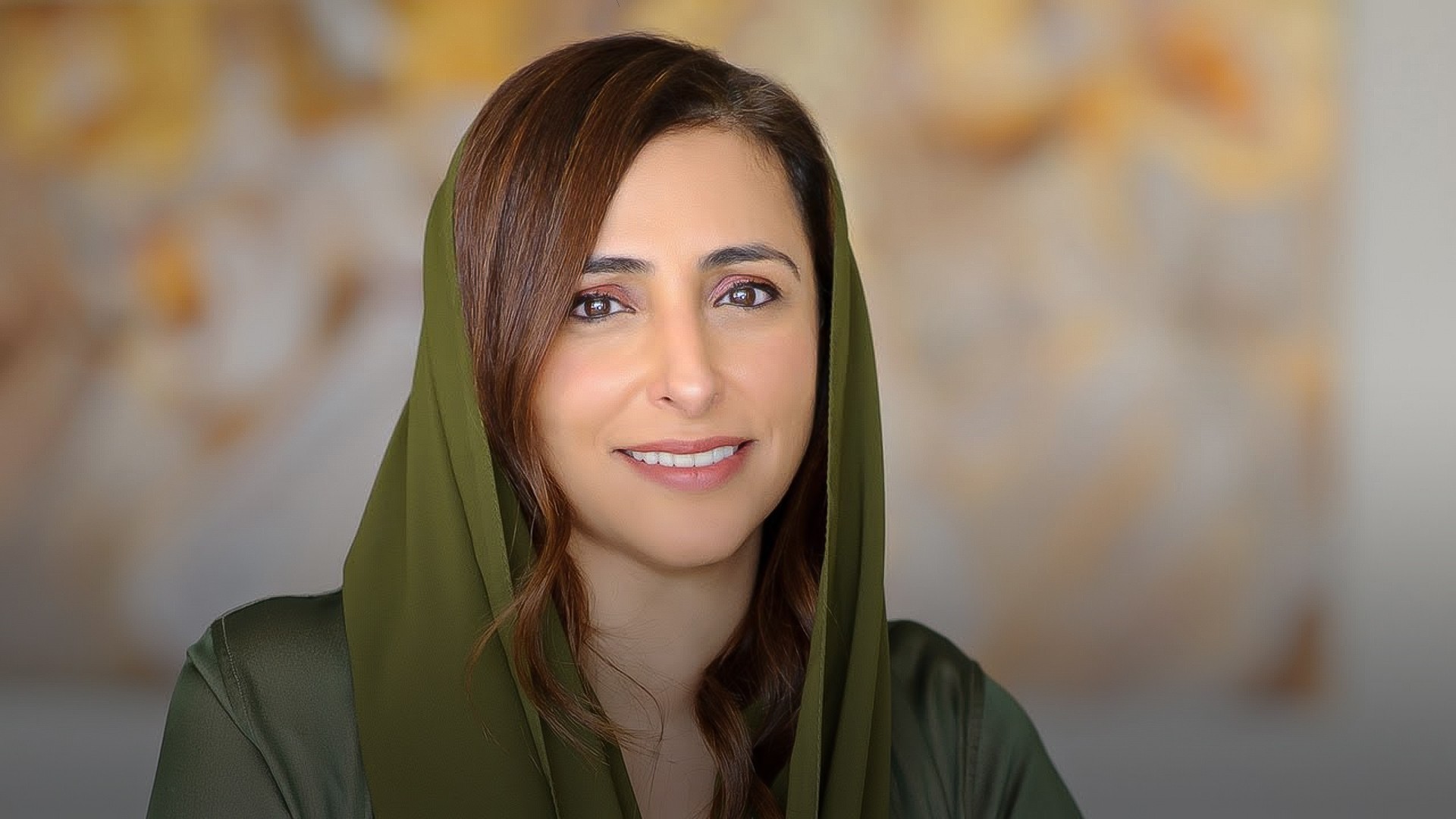
During her closing remarks, Eman Bushlaibi, Director of SPL, said the new theme reflects the rapid transformation of libraries as they respond to digital and societal change, anticipate future needs and serve their communities more effectively. She highlighted smart leadership as central to the transition to Library 4.0, combining agility, innovation and the effective use of emerging technologies.
She said: “Smart leadership means using data to make informed decisions, fostering innovation and collaboration, and building resilient institutions capable of maintaining services through crises. It also means strengthening community trust, adapting to change and preserving the library’s role as a trusted source of knowledge.”
“The Sharjah Prize for Library Literature focuses on these priorities because the future of libraries must be shaped by rigorous research and a deep understanding of a sector undergoing profound change,” the director concluded.
The forum concluded with recommendations for libraries to adopt flexible, integrated strategies that respond to technological and societal change and evolving user needs. Participants also called for investment in human capabilities, greater staff involvement in decision-making and the use of strategic communication to better understand public needs and improve services.
Recommendations also included stronger partnerships with government, educational, cultural, community and technology organisations, and expanding libraries beyond their traditional role to become integrated knowledge, cultural and community hubs. Participants also stressed crisis readiness through clear business continuity plans, protection of assets and data, and ensuring systems and staff are equipped to maintain services.
The closing day featured a panel discussion, “Community, Trust and Sustainable Partnerships”, hosting speakers Sultan Bin Telaiah, Head of Digital Services Planning and Management at the Sharjah Digital Department, and Ibrahim Al Jaber, Al Barqawi Library Officer at the House of Philosophy.
Bin Telaiah said quality digital services are integral to building trust between libraries and their communities, and that successful digital transformation begins with understanding users and their needs before selecting the right technology.
He added that technology does not replace the human role or the library’s identity, but can improve access to knowledge and service delivery. The true measure of digital initiatives and partnerships, he said, is their impact on the user experience.
For his part, Al Jaber said contemporary libraries must evolve beyond reading and access to books by diversifying their activities and public engagement. Visitor feedback, including criticism, can help improve services, while relevant, high-quality activities can turn users into advocates for libraries.
A second panel discussion, “Institutional Readiness and Crisis Management”, featured Sheikha Al Azeezi, Director of Business Continuity and Alternative Service Management at the Abu Dhabi Emergency, Crisis and Disaster Management Centre, and Abdulaziz Al Maamari, Director of Libraries at Mohamed Bin Zayed University for Humanities.
During the session, Al Azeezi said institutional readiness begins before a crisis and requires an integrated business continuity system that covers its different stages. This includes preparing infrastructure, systems, and staff; defining roles and priority services; and protecting knowledge assets through clear plans and response mechanisms.
For his part, Al Maamari said: “As the world evolves, so do its challenges, making readiness essential. Libraries face new risks, including cyber threats and database risks, requiring stronger digital and operational capabilities. Addressing these challenges requires research, planning and continuous preparation to maintain access to library services, alongside advanced staff training for crises of all kinds.”
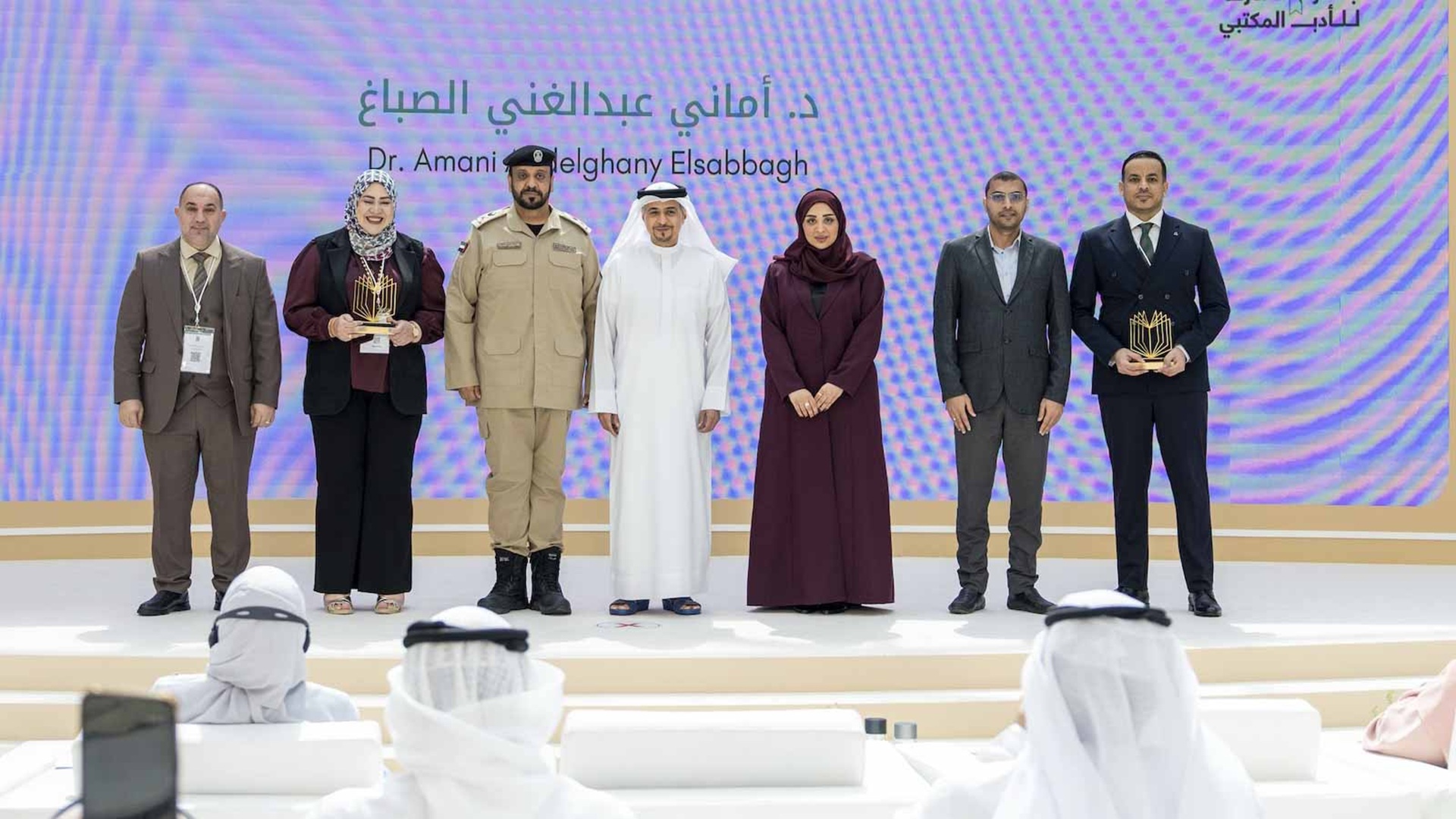
The forum also featured presentations by Hamad Al Humairi, Executive Director of the National Archives and Library and winner of Best Arab Library or Information Institution, and Mariam Al Ahbabi, Head of the Education and Scientific Communication Unit at the UAE University Medical Library and winner of Best Project or Practice in the Field.
Marking the latest stage in their evolution, the fourth age of libraries traces the shift from traditional libraries centred on books and in-person services to digital libraries offering online access, and now to smart libraries that use data, artificial intelligence and emerging technologies to develop services and anticipate community needs.

 For an optimal experience, please
rotate your device to portrait mode.


.jpg?h=1080&w=1920&hash=2458636CD48353AA0BF795A4C85B471E)