Loading...
Loading...


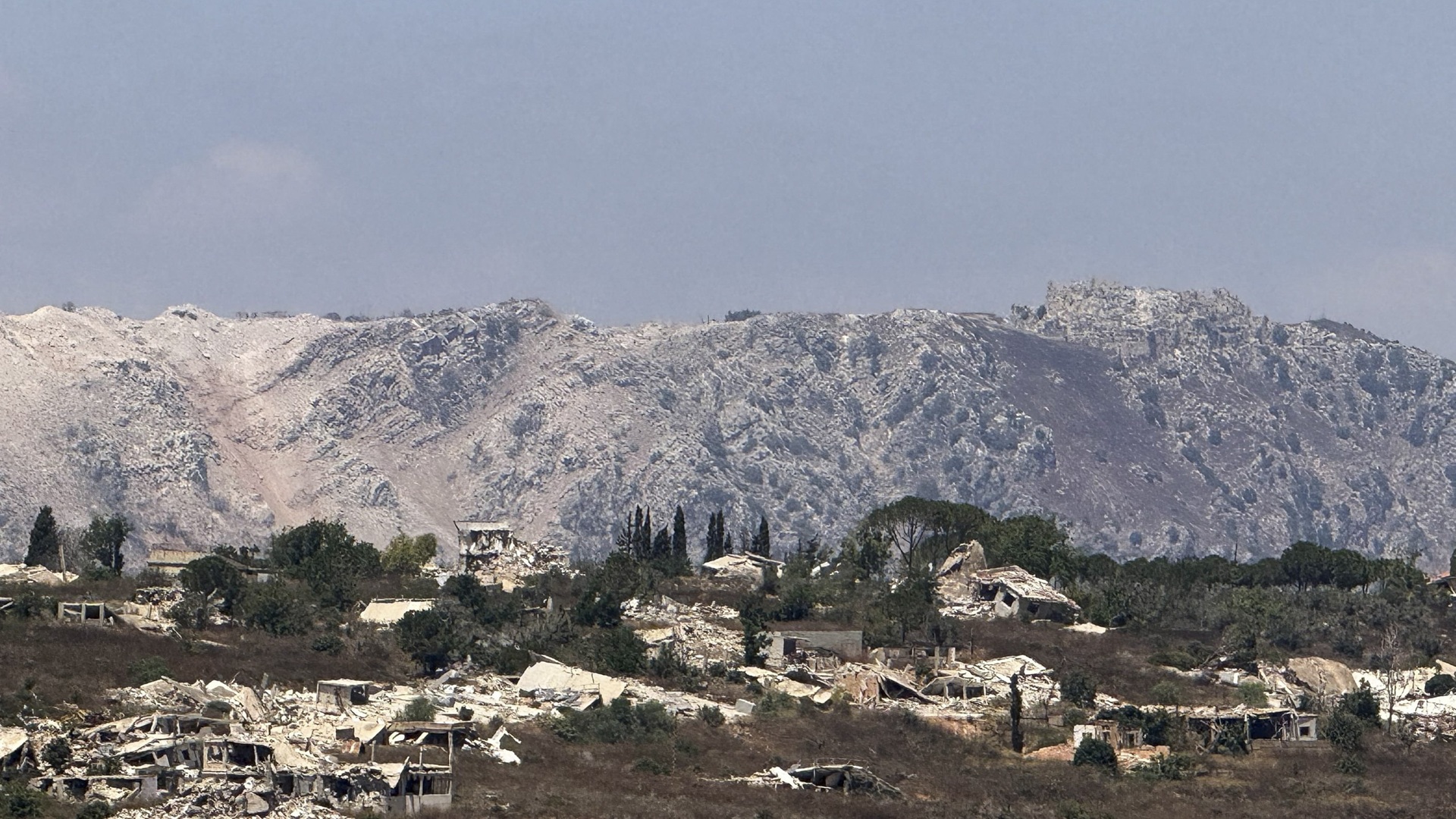
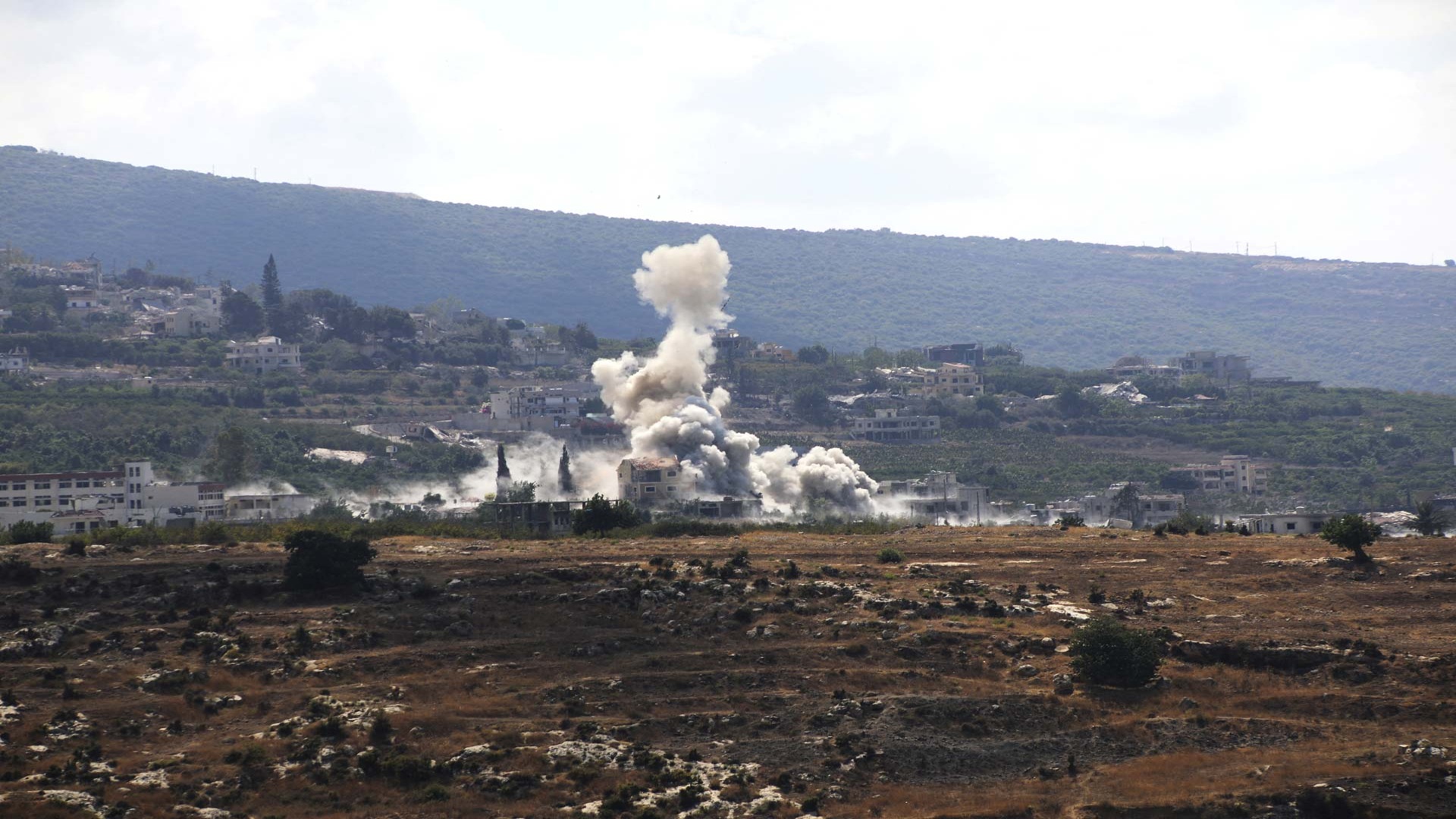
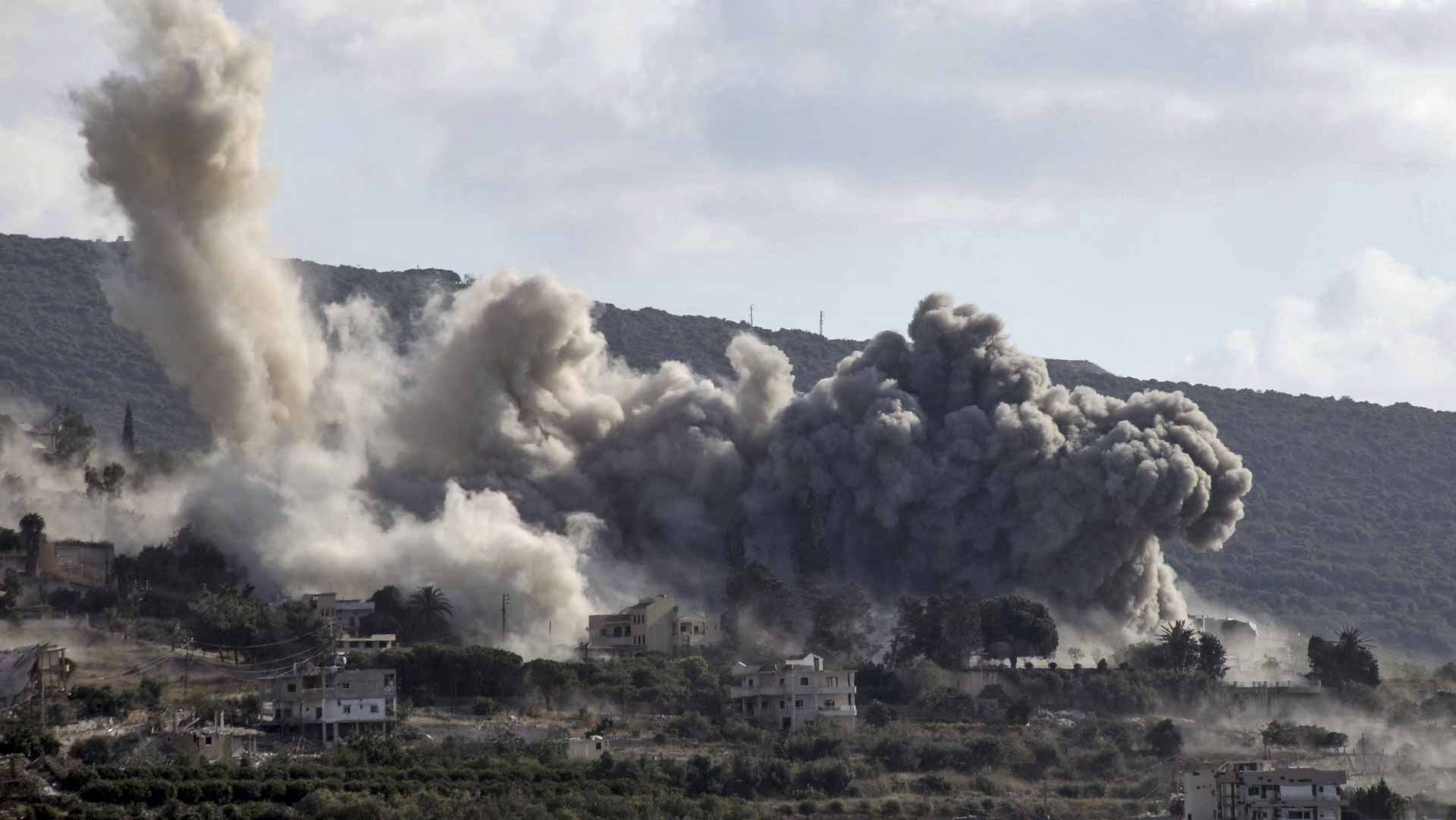
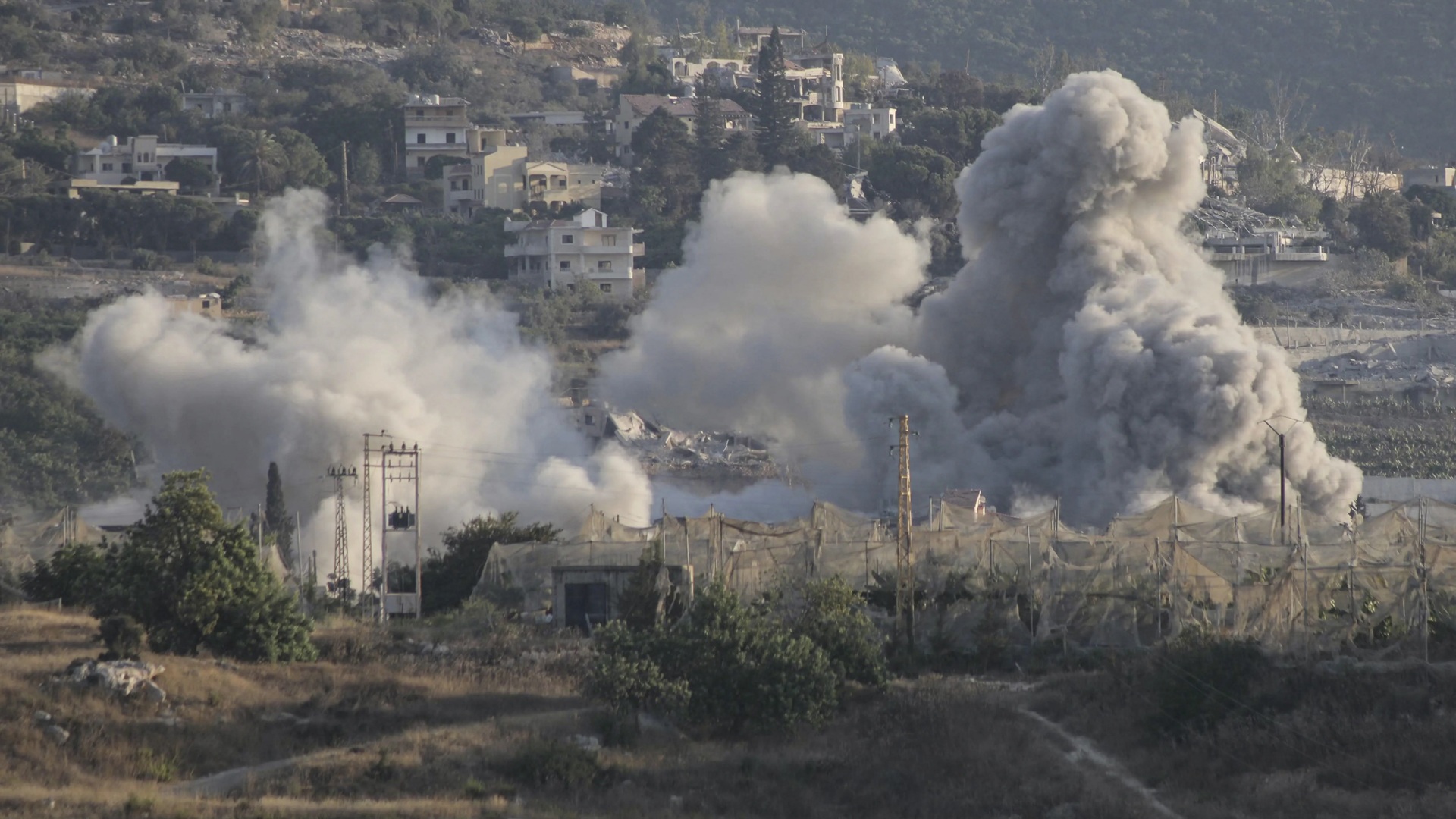
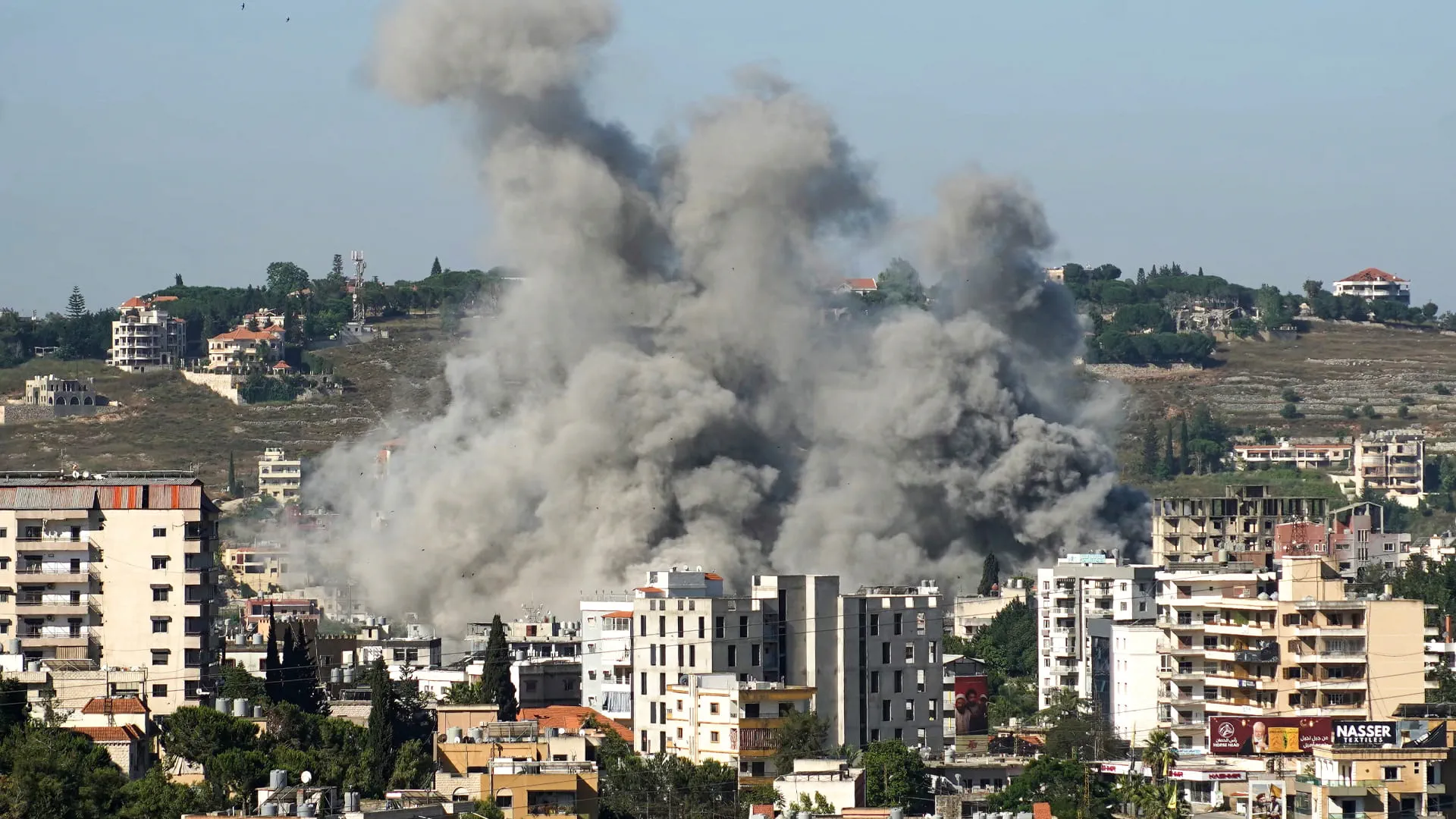
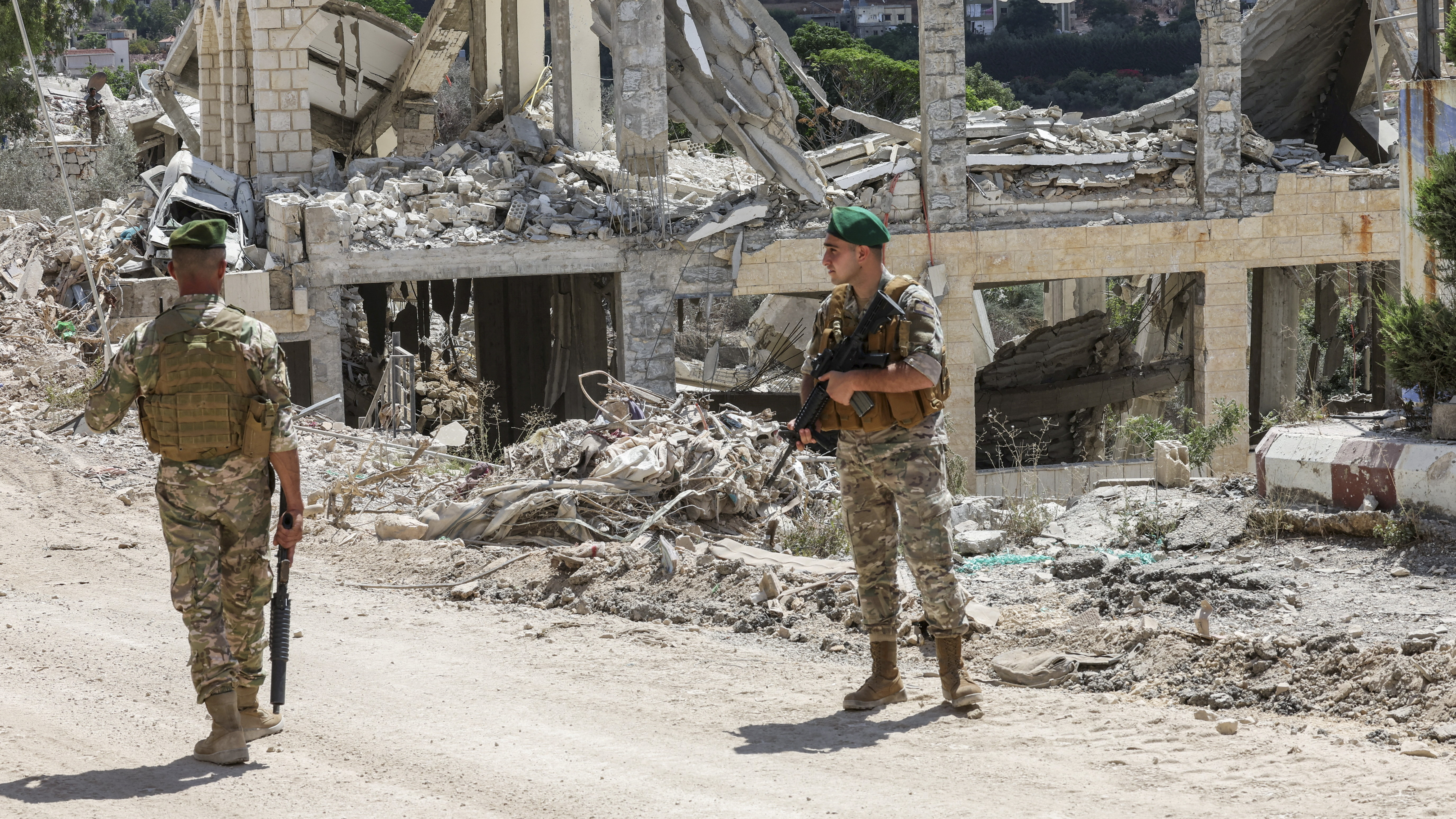
While active excavations in the south and the Bekaa Valley have ground to a halt or slowed to minimal activity, work and preservation efforts persist in safer regions. UNESCO has also placed several landmarks, including the Tyre complex and the Beaufort fortress, on its World Heritage in Danger list.
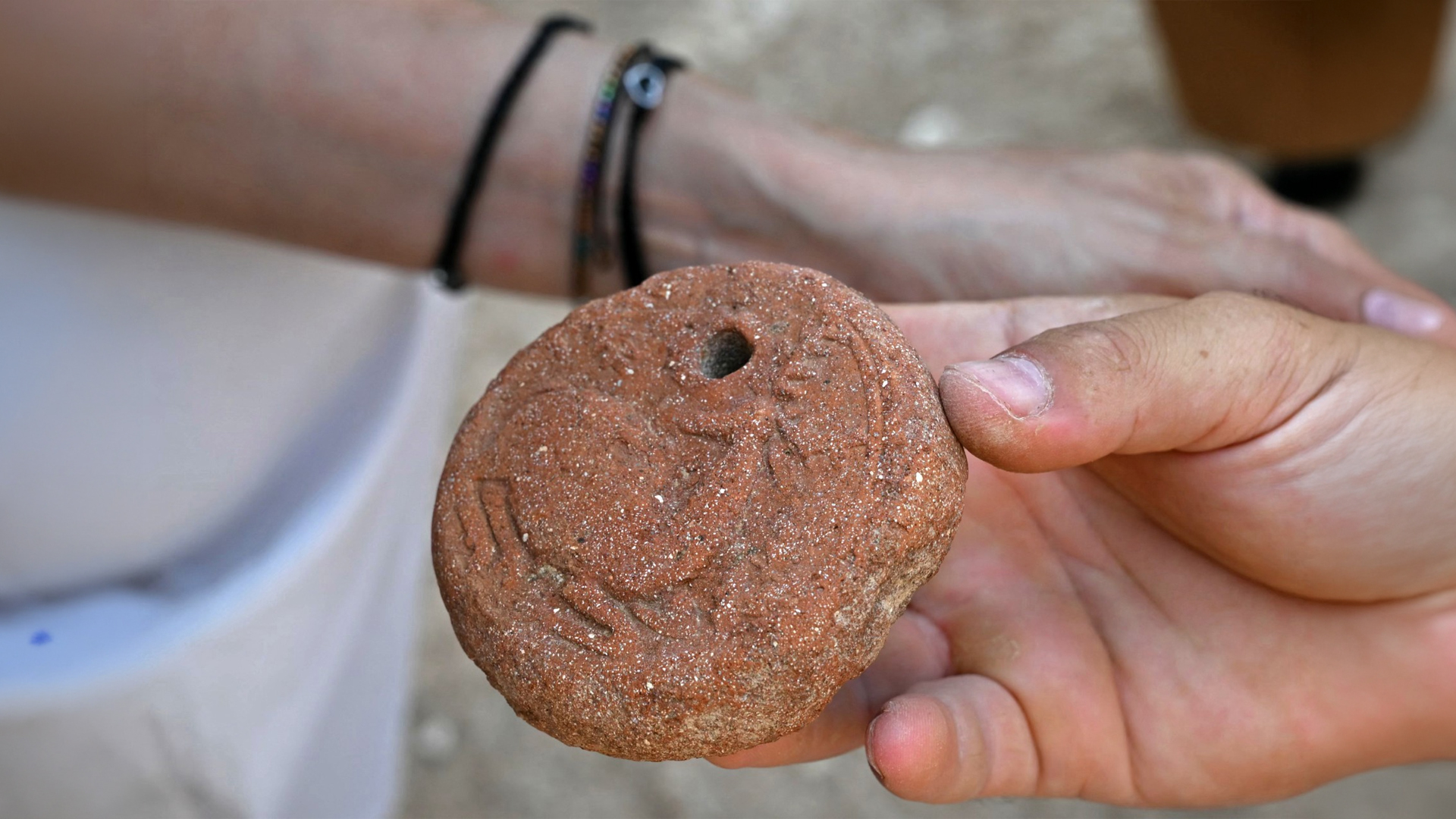
Significant recent discoveries highlight this rich historical tapestry.
In the mountains southeast of Beirut, near a millennia-old cedar forest in Maasser al-Shouf, archaeologists have uncovered the ruins of a major Roman temple dating from the first century BC to the second century AD. The site was later transformed into a Crusader fortress.
Meanwhile, in the northern coastal city of Batroun, ongoing work led by Samar Karam has revealed a Roman-era olive press, pottery weights, textile production items, ancient stone quarries from both Roman and Phoenician eras, and Greek pottery fragments. These discoveries underscore the city's vibrant historical and commercial activity.
In Beirut, where history spans over five millennia, archaeologist Laure Salloum oversees urban digs where construction projects frequently lead to accidental historical finds.
Among the recent discoveries is a Roman-era olive press, while ongoing efforts are focused on locating the remaining sections of a downtown Roman hippodrome.
Sarkis Khoury, head of antiquities at the culture ministry, noted that the focus has shifted heavily toward protecting endangered heritage in the south and Baalbek.
He acknowledged that while foreign teams have paused their visits, Lebanon's deep-rooted position at the historic crossroads of regional crises ensures that new archaeological discoveries continue to emerge.

 For an optimal experience, please
rotate your device to portrait mode.