Loading...
Loading...


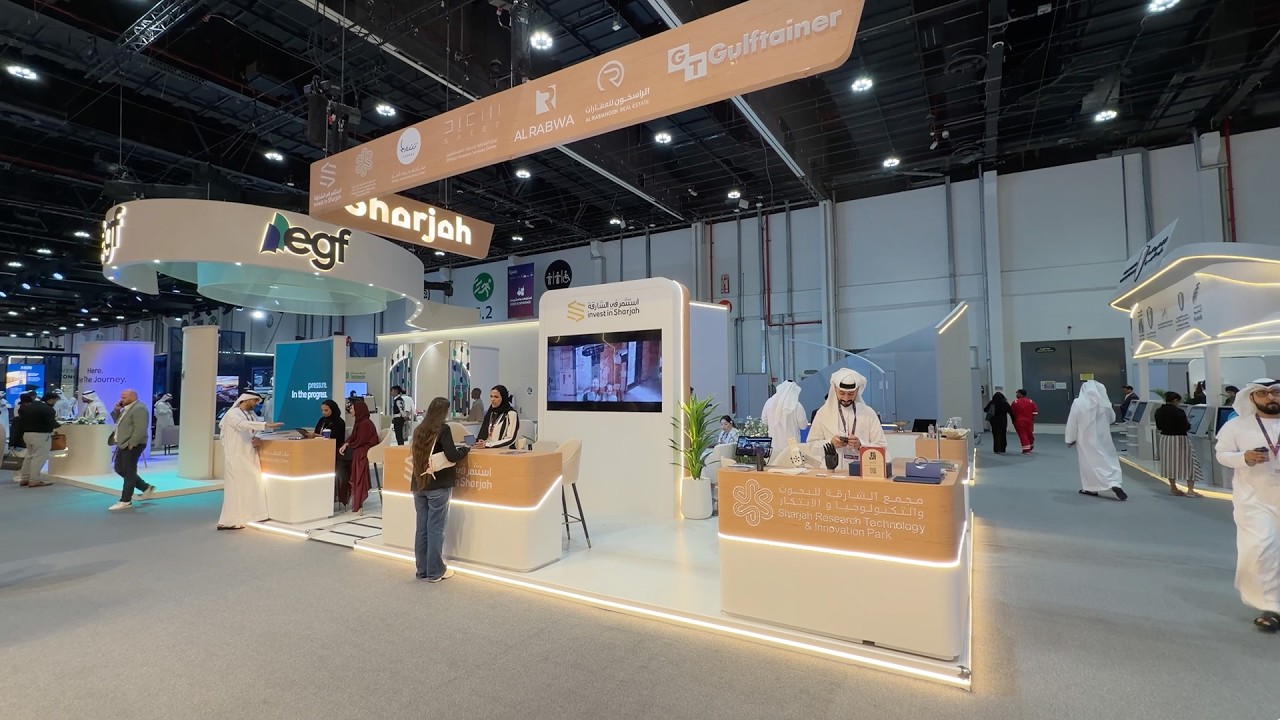
Led by the Sharjah Research, Technology and Innovation Park (SRTI Park), the ecosystem provides pathways for technologies to be developed, tested and transformed into commercially viable projects that address challenges in water, food, energy and resource management.
The approach positions sustainability as both an environmental priority and an opportunity for innovation, business development and investment.
Sharjah's innovation ecosystem hosts technologies spanning mobility, infrastructure, advanced manufacturing, construction and digital transformation.
Projects include uSky Transport's suspended transport system, as well as developments in conductive concrete and green hydrogen.
Technology company Maxbyte is also deploying artificial intelligence, robotics and digital solutions to support industrial transformation, improve productivity and promote more sustainable manufacturing.
Other projects cover digital infrastructure and data centres, alongside advanced construction technologies, including a 3D-printed house, demonstrating the potential of additive manufacturing in the built environment.
Innovation is also expanding across food security and agriculture, water management, clean energy, environmental technologies, and the circular economy.
These areas include precision agriculture, AI-enabled farming, smart water management and reuse, renewable energy, hydrogen, energy storage, and technologies for recovering resources from waste.
Moving emerging technologies from research laboratories into commercial markets remains a major challenge, requiring testing environments, industry partners and investment.
SRTI Park's model brings together researchers, innovators, startups, companies, investors and government entities, creating opportunities for technology transfer, pilot projects and commercialisation.
Startups can validate their technologies and connect with potential customers, while companies gain access to solutions that address real operational challenges. Investors can also identify emerging technologies and businesses with growth potential.
Water, food and energy are among the sectors where sustainability and economic opportunities increasingly converge.
Artificial intelligence, automation, sensors and data-driven technologies are helping agriculture improve productivity and resource efficiency, while advanced water treatment, desalination, reuse and resource-recovery solutions are enabling more sustainable water management.
In the energy sector, opportunities are expanding across renewables, hydrogen, energy storage, energy management and smart infrastructure.
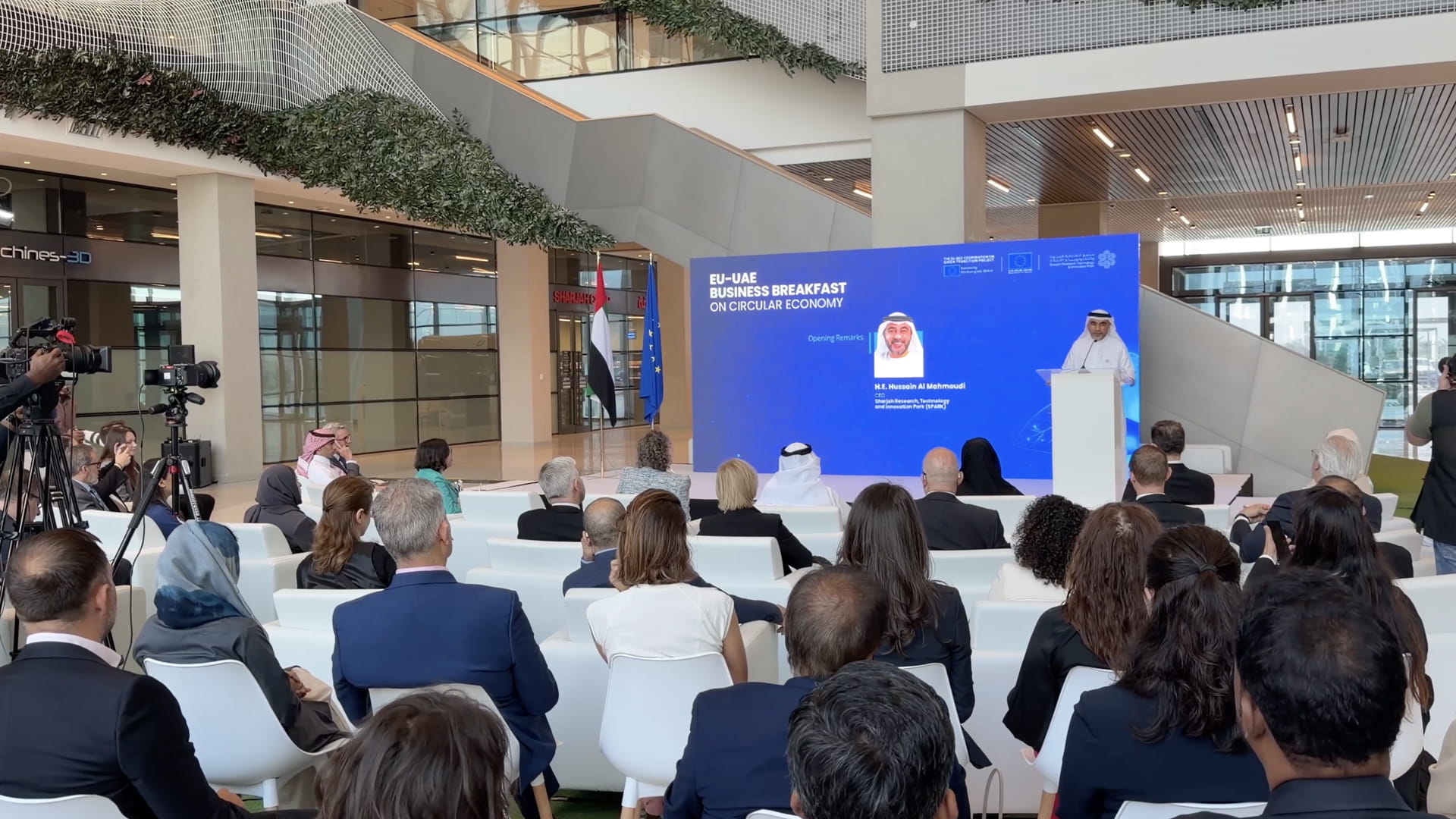
Circular economy technologies are also creating new commercial opportunities by reducing waste, extending the use of resources and recovering value from waste streams.
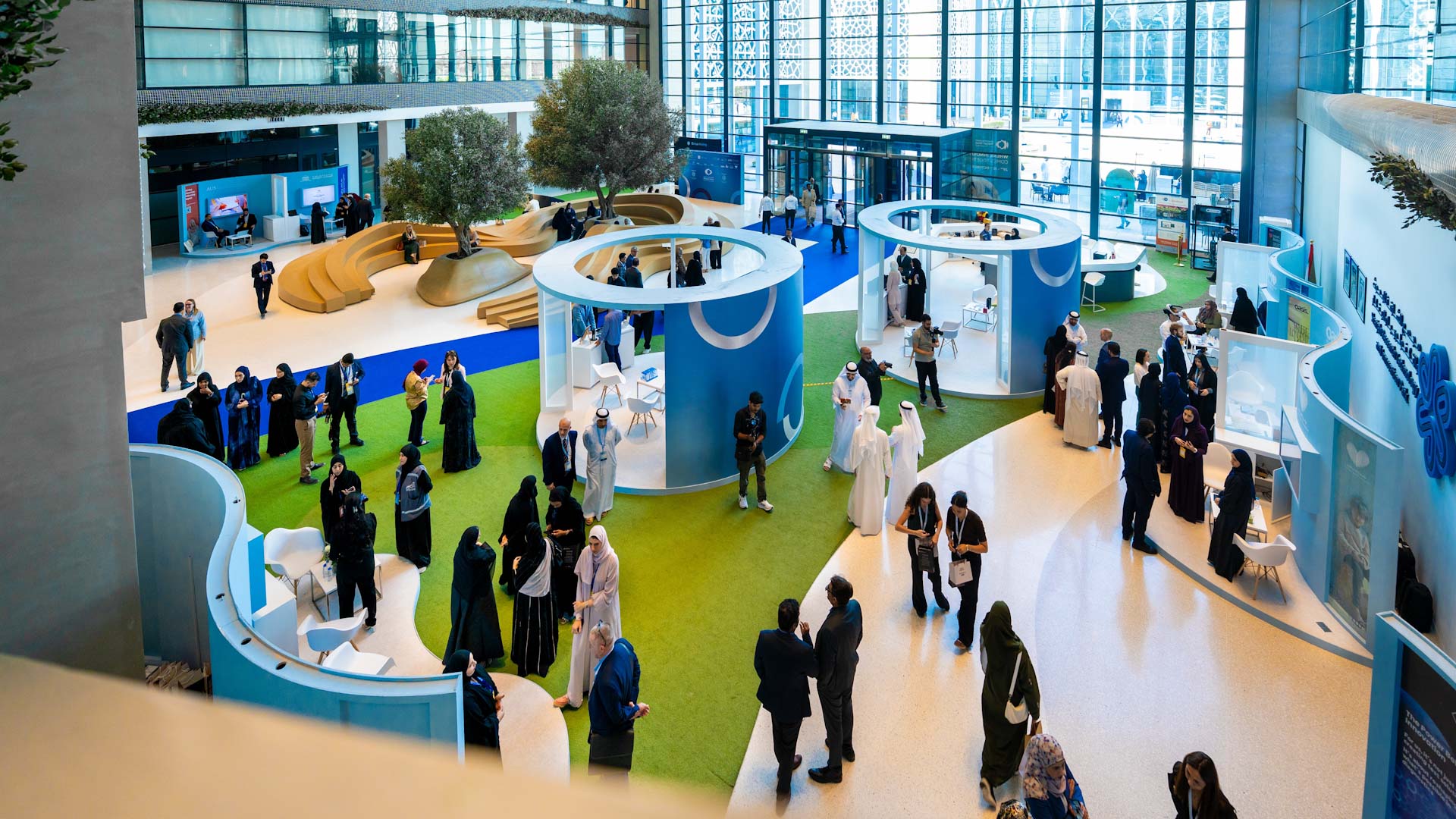
The emirate will further advance these efforts through Sharjah Next – Sustainability, scheduled for 28–29 October 2026 at SPARK.
The two-day forum will bring together researchers, businesses, government entities, investors and technology providers to accelerate the localisation, commercialisation, piloting and deployment of scalable sustainability solutions.
Its programme will focus on food security and agriculture, water, environmental solutions, the circular economy, clean energy and energy efficiency, sustainability financing, and emerging technologies.
The platform will also seek to facilitate technology transfer, pilot projects, investment and collaboration, thereby strengthening Sharjah's position as an environment in which emerging technologies can progress from research and development to real-world implementation and commercial scale.

 For an optimal experience, please
rotate your device to portrait mode.