Loading...
Loading...


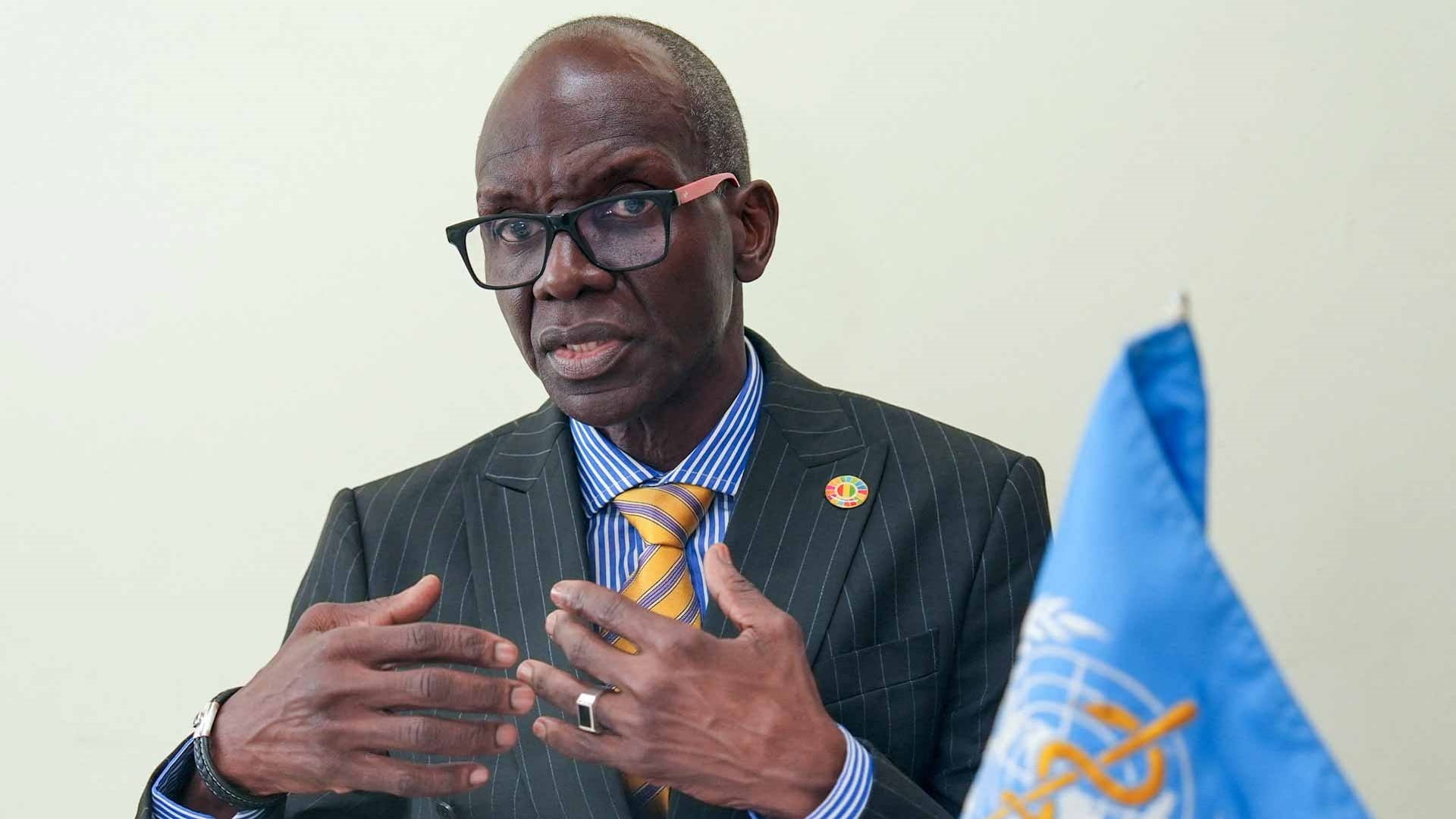
Speaking at an emergency meeting on Tuesday, Tedros issued a candid assessment: "We must be frank: the epidemic is far from being under control. It had a big head start, and we are still playing catch-up."
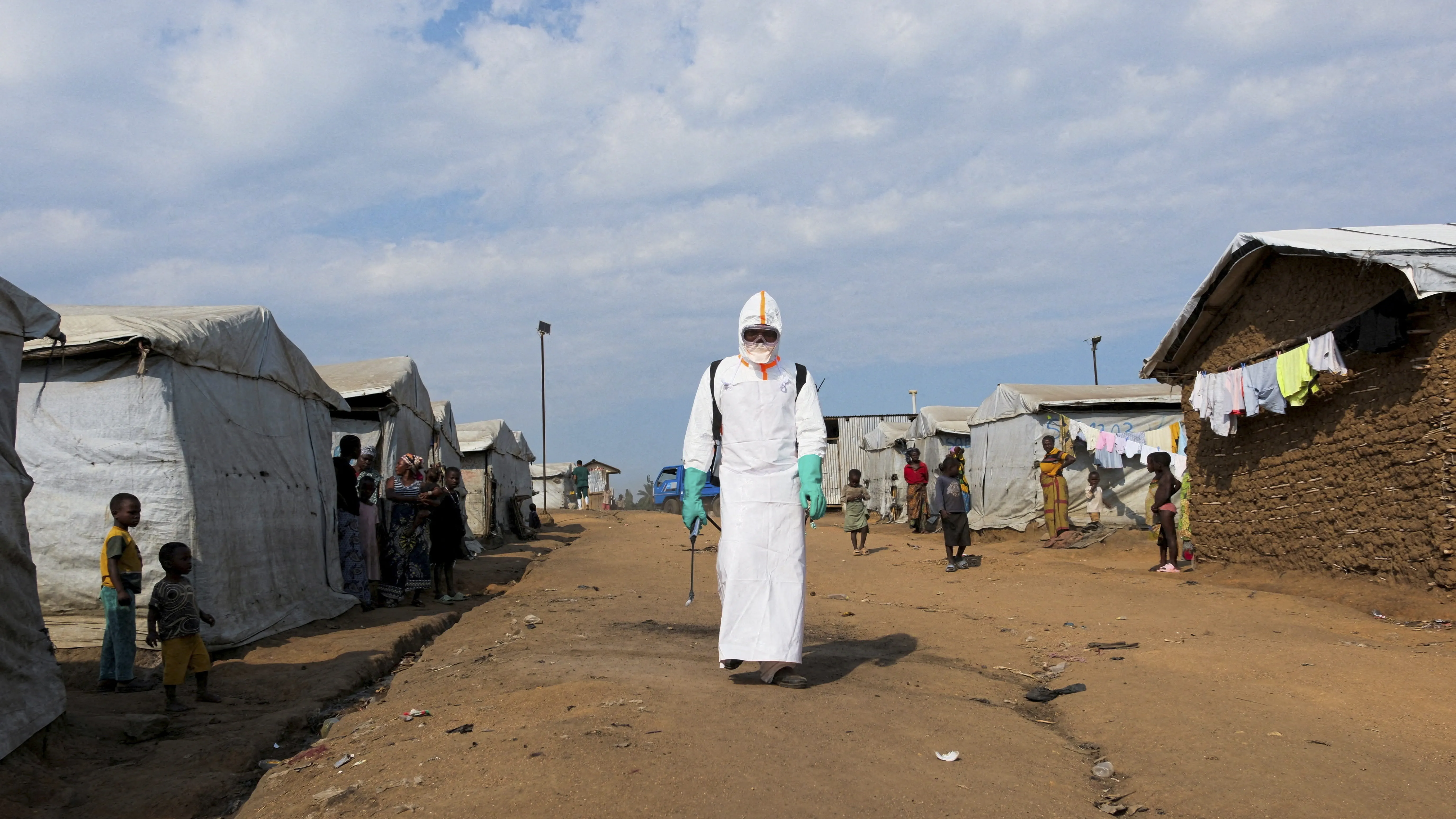
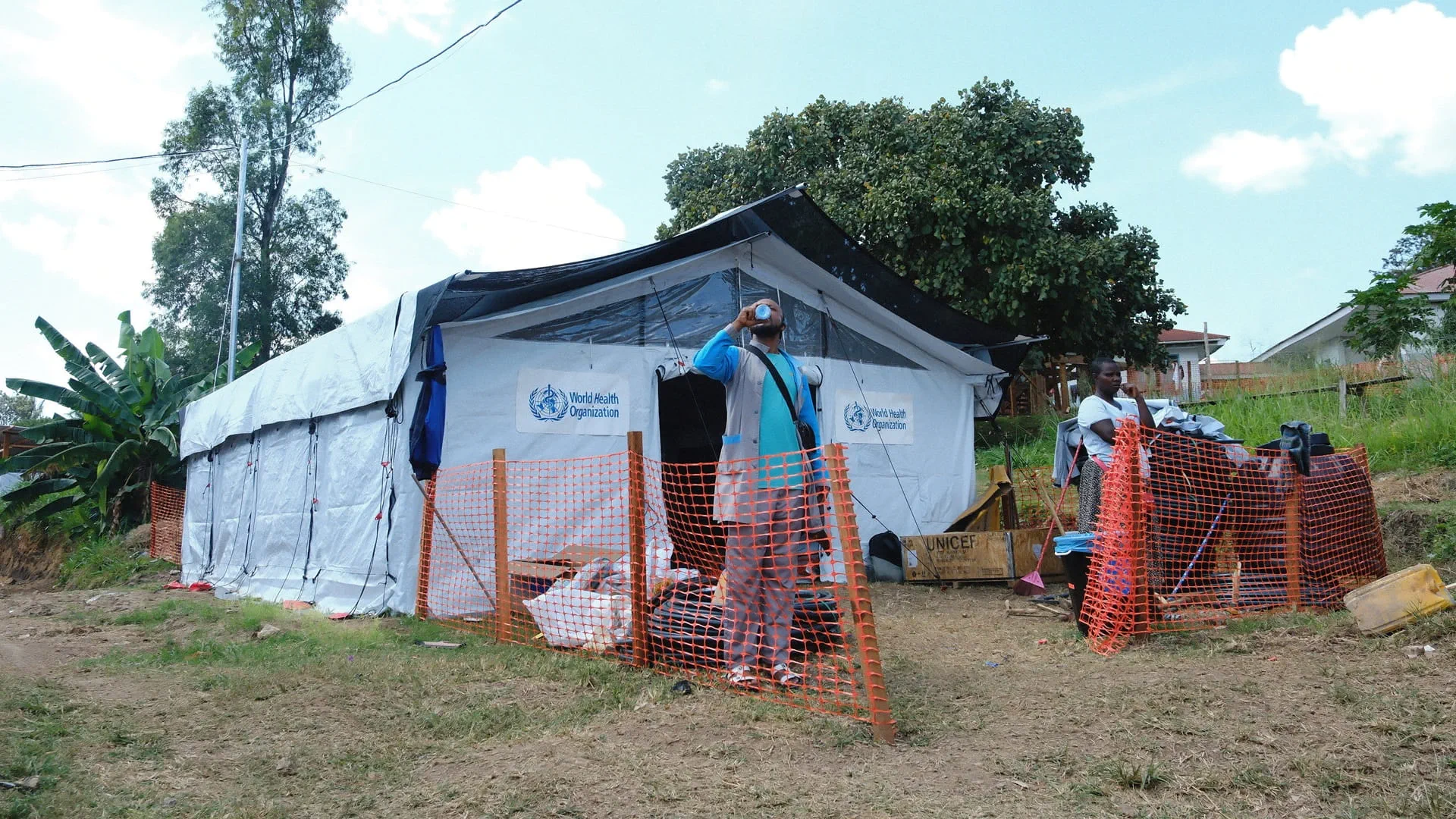
The DRC recently reported that the outbreak has claimed over 2,300 lives out of nearly 5,000 cases, cementing its status as the deadliest in the nation's history. Declared on May 15, the virus is believed to have been circulating for several weeks prior, fueled by intense population movement across roads, rivers, and mining routes in regions characterized by weak state presence, poor infrastructure, and long-standing instability due to roaming armed groups.
Unprecedented speed and international risk
According to the Africa Centres for Disease Control and Prevention (CDC), the current surge is significantly more aggressive than the historic 2013–2016 West African outbreak; in its first three months, the DRC surge recorded seven times more cases and five times more deaths. While the WHO has designated the public health risk as "very high" within the DRC and "high" for neighboring countries like Uganda, the risk of further cross-border spread remains a top concern.
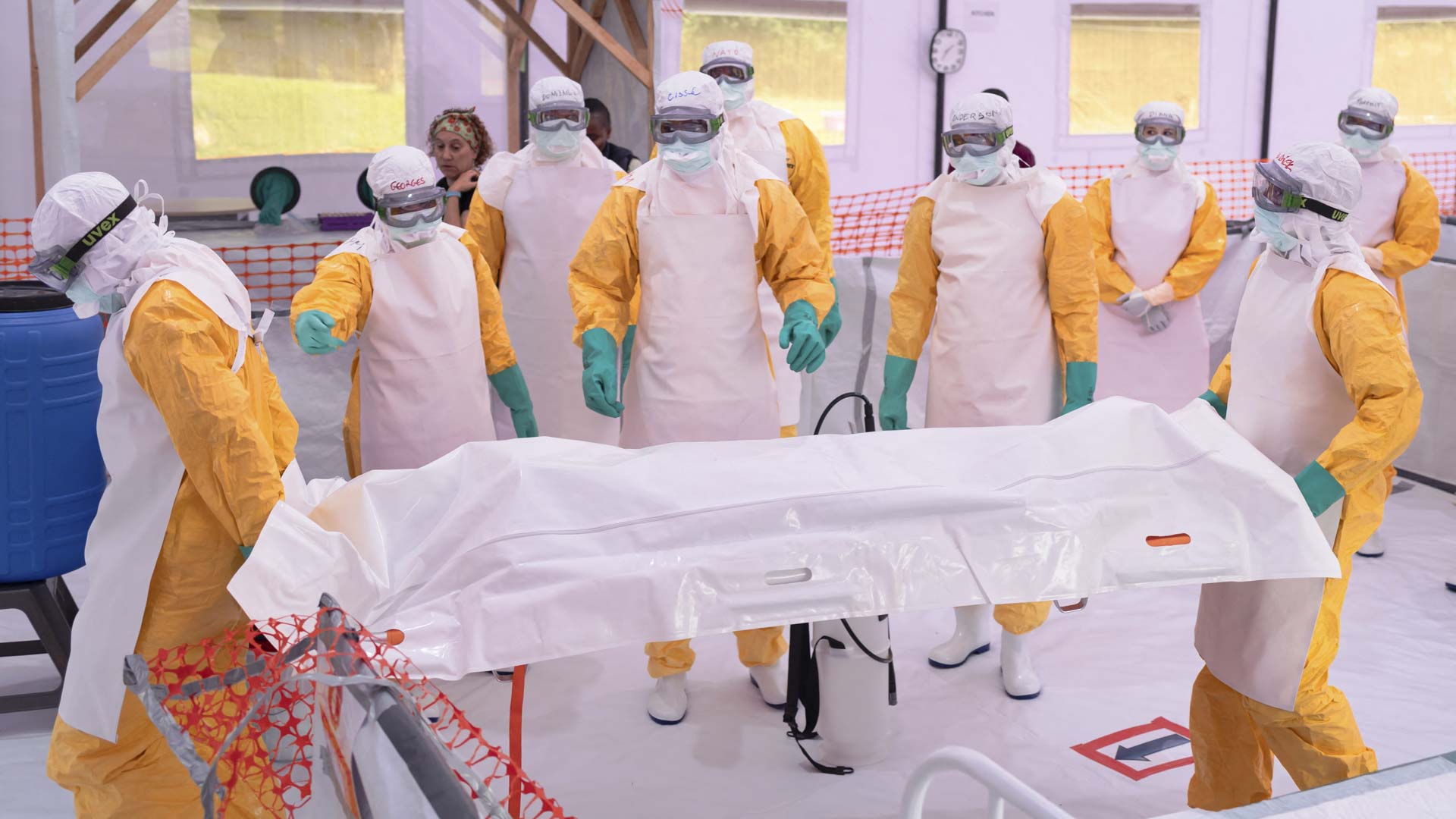
A major point of alarm for the WHO chief is the pattern of transmission: "What concerns me most is where people are dying: at home, in their communities, outside treatment centres, and outside known contact lists," Tedros explained. He emphasized that every death outside of medical supervision represents an unidentified chain of transmission, noting, "Until every chain is found and broken, the epidemic will continue."
Ongoing challenges and response strategies
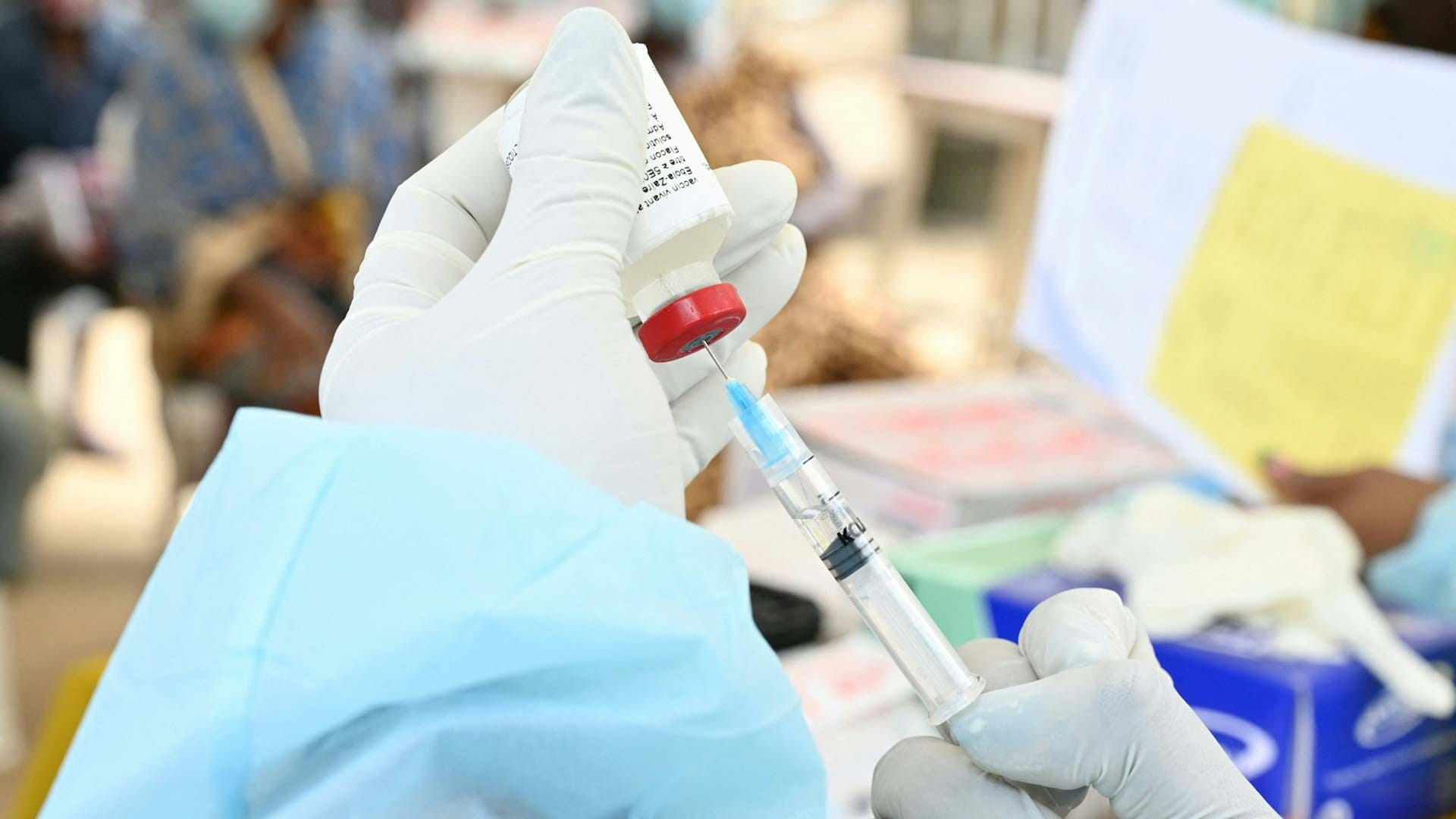
The current surge is driven by the Bundibugyo strain, for which no specific vaccine or treatment currently exists, though clinical trials are ongoing. Addressing community mistrust remains a primary obstacle; health officials note that residents often avoid treatment centers, which explains the sharp rise in fatalities over the last month.
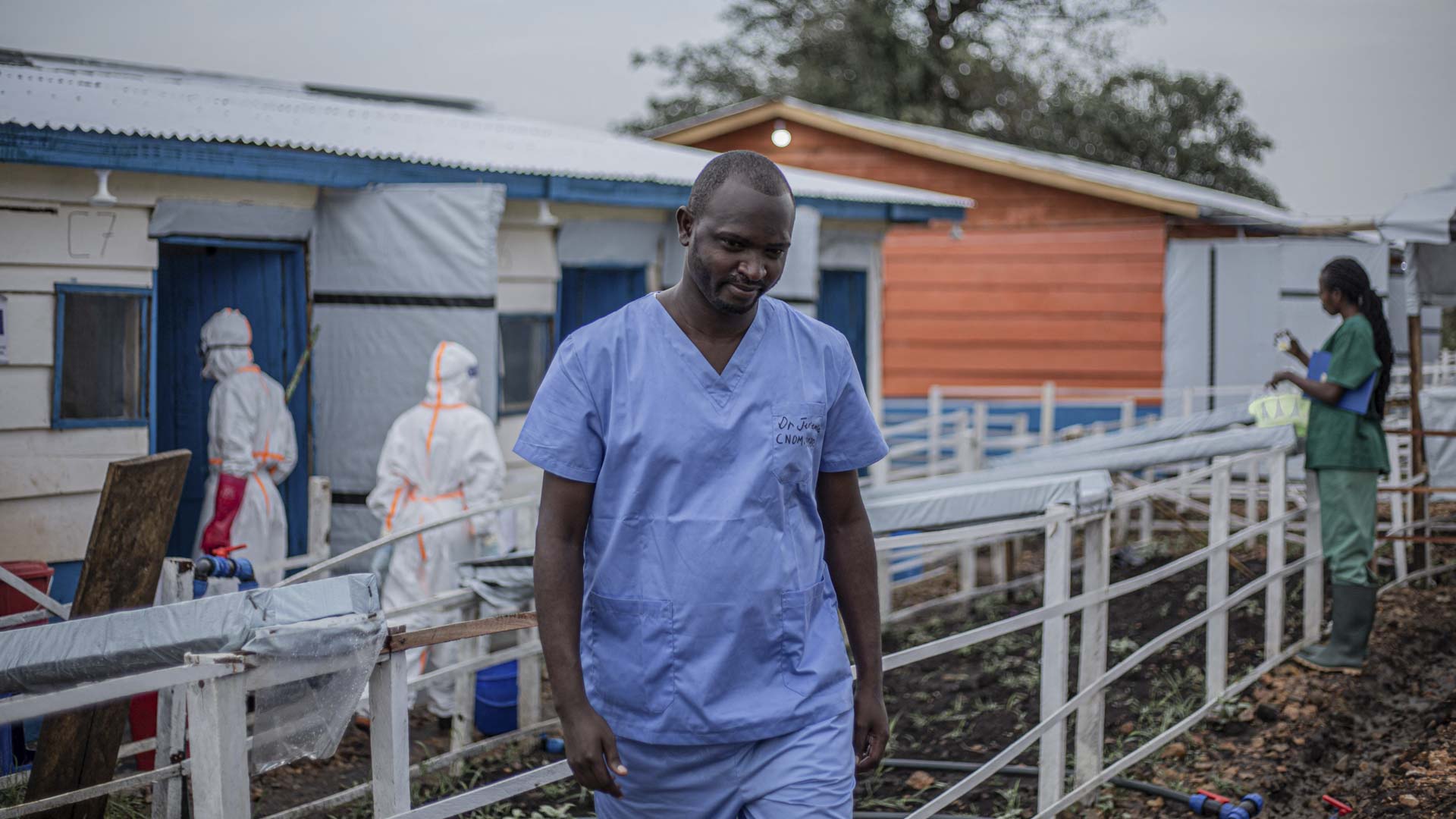
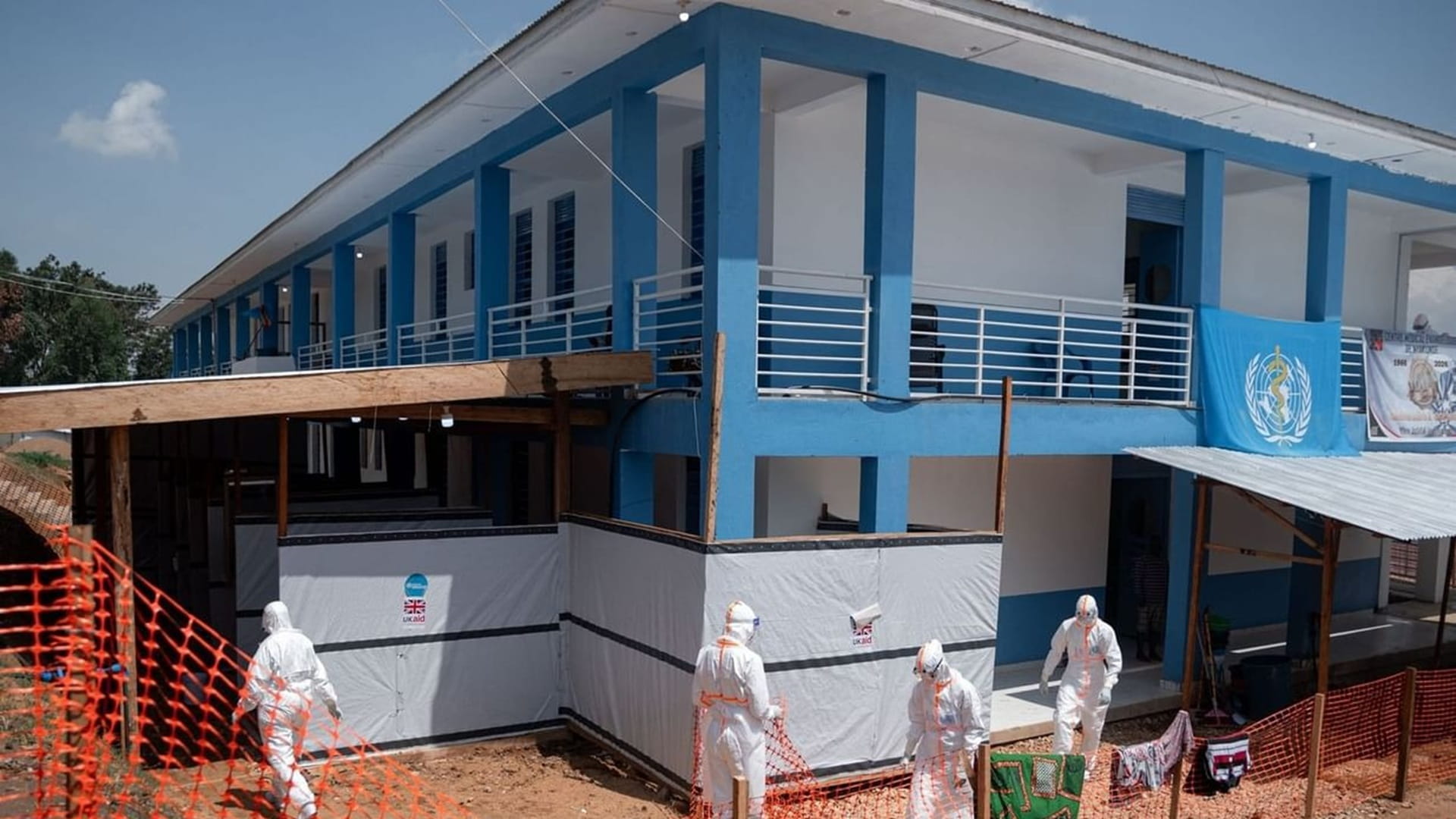
In response, WHO experts are working to decentralize operations, moving response efforts closer to affected communities. Initiatives include integrating motorcycle taxi drivers—who frequently transport patients—into the official surveillance system to better track potential infections. While the WHO and its partners aim to see an impact from these scaled-up efforts in the coming months, officials have declined to provide a definitive timeline for bringing the epidemic to an end.

 For an optimal experience, please
rotate your device to portrait mode.