Loading...
Loading...


Cleanup efforts reach record levels
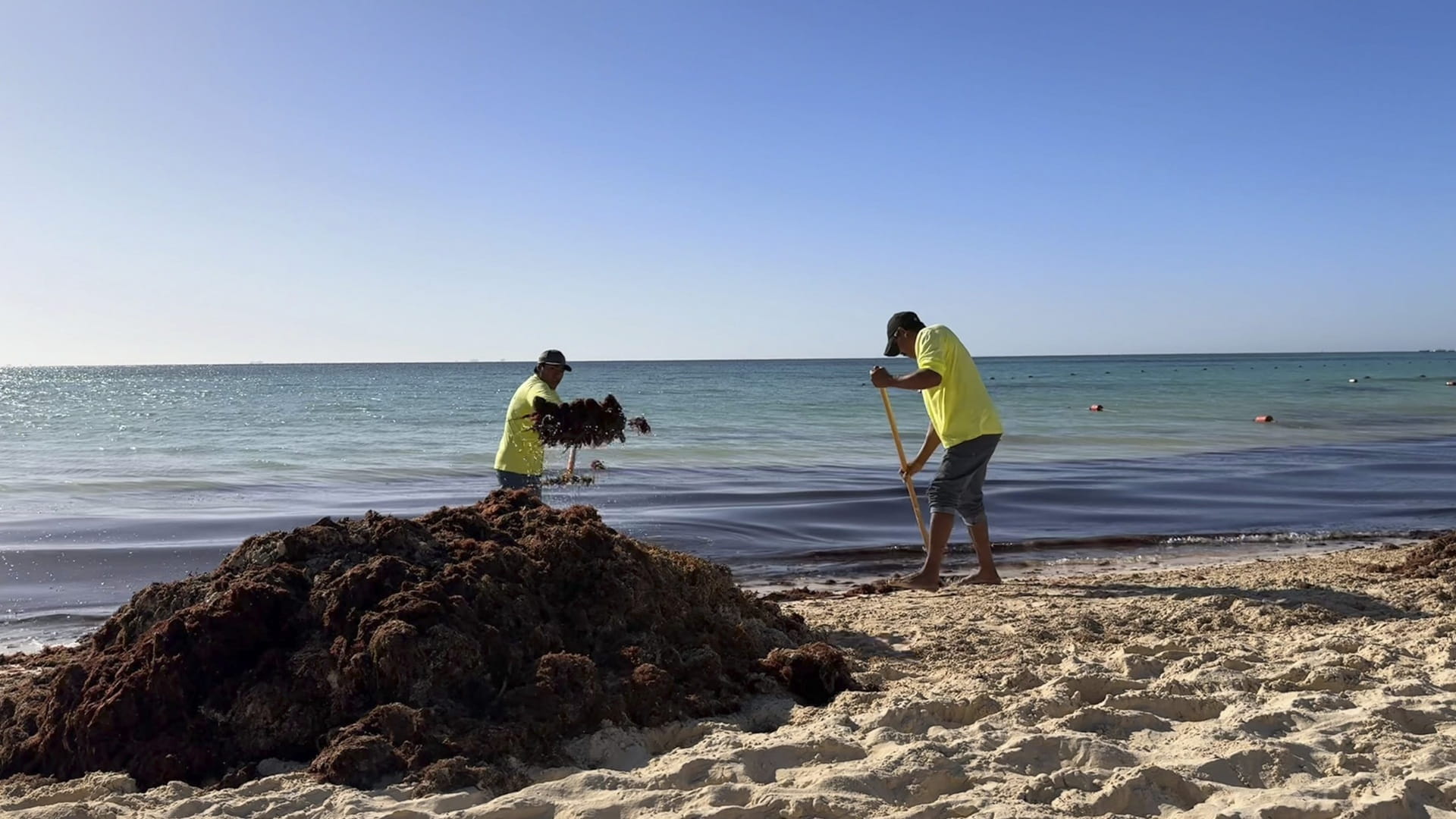
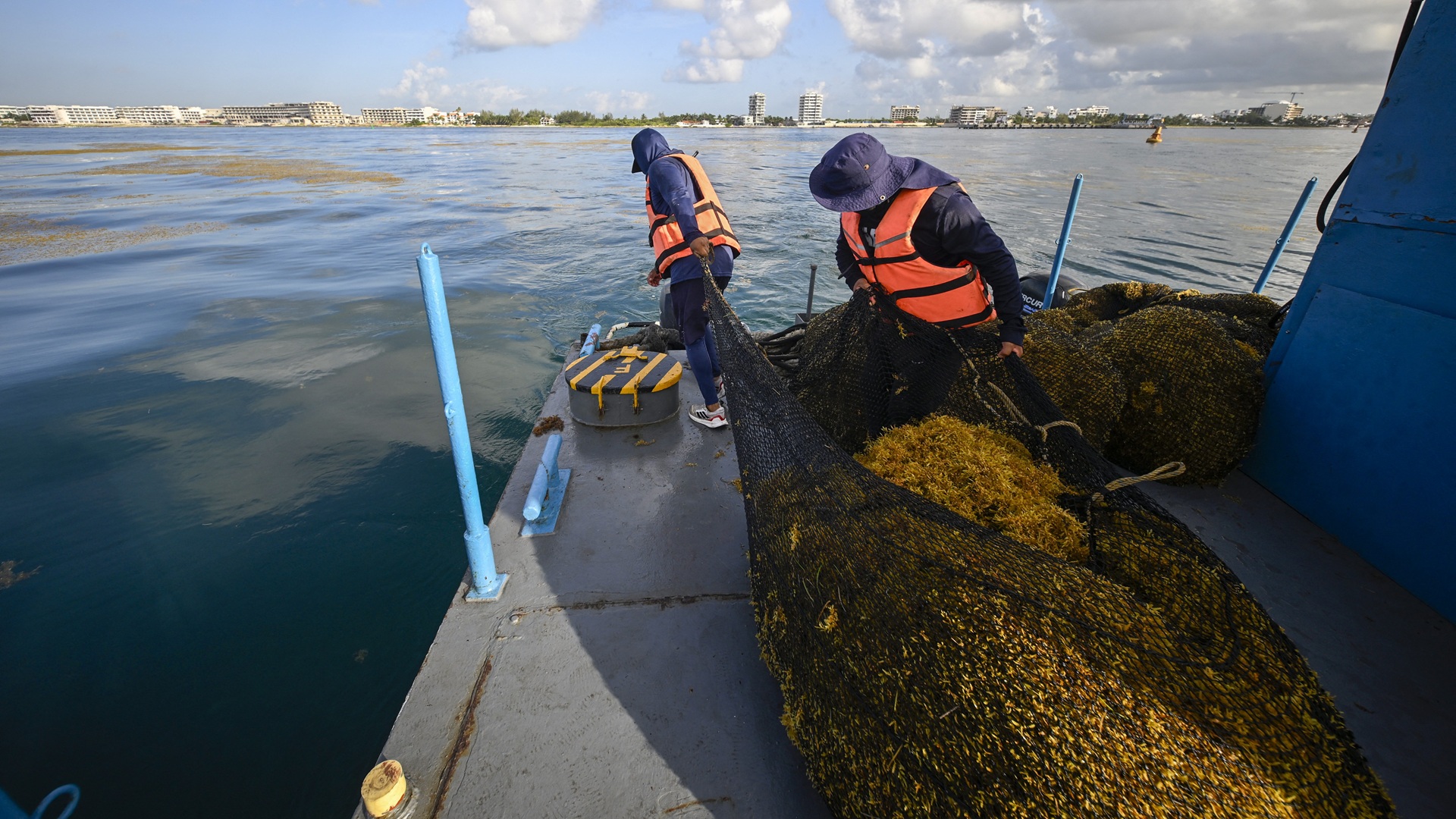
According to state data, cleanup crews have already cleared more than 105,000 metric tons of the brown seaweed this year, easily surpassing last year's total record of 92,783 tons. The massive influx puts the region well on track to exceed earlier 2026 projections of 119,000 tons, marking one of the worst sargassum seasons in history.
Scientists point to ocean and agricultural factors
Scientists attribute the massive blooms to a combination of shifting ocean currents and nutrient-rich agricultural runoff—specifically nitrogen and phosphorus from fertilizers originating in regions like Brazil.
Sargassum threatens tourism
As the seaweed rots on the shore, it releases hydrogen sulfide gas that irritates nasal airways and threatens the tourism industry that forms the backbone of Quintana Roo's economy. State environment minister Oscar Rebora noted that Playa del Carmen has recorded the highest collection volume so far, with the punishing season potentially lasting until October depending on winds, currents, and tides.
Cleanup workers like Vitinia Villamontes in Puerto Morelos report that the onslaught has been relentless, making it nearly impossible to keep under control.
Turning seaweed into economic opportunities
While public funds remain primarily channeled toward manual cleanup efforts, some innovators are pushing to transform the crisis into an economic opportunity. Companies like Carbonwave are processing the algae into liquid biostimulants and fertilizers, aligning with Mexico's environment ministry initiatives that have previously explored turning sargassum into biofuels, bioplastics, and other commercial products to help offset mounting removal costs.

 For an optimal experience, please
rotate your device to portrait mode.