Loading...
Loading...


Scientists confirm the impact
The European Southern Observatory confirmed the impact using its Very Large Telescope in Chile, which detected spectral lines—or "chemical fingerprints"—of sodium and lithium gas in the debris plume for up to 10 minutes.
Scientists noted that the sodium likely came from lunar soil, while the lithium originated from the rocket itself.
Astrophotographer and space analyst Jonathan McDowell remarked to AFP, "I have Sir Isaac Newton's personal assurance that it did indeed hit the moon, there's no way for it to have escaped," as the debris barreled into the surface at 5,400 miles per hour (8,690 kilometers per hour).
Benjamin Fernando of Los Alamos National Laboratory, lead author of a recent paper on the collision, also confirmed the impact.
Orbiters to study the new crater
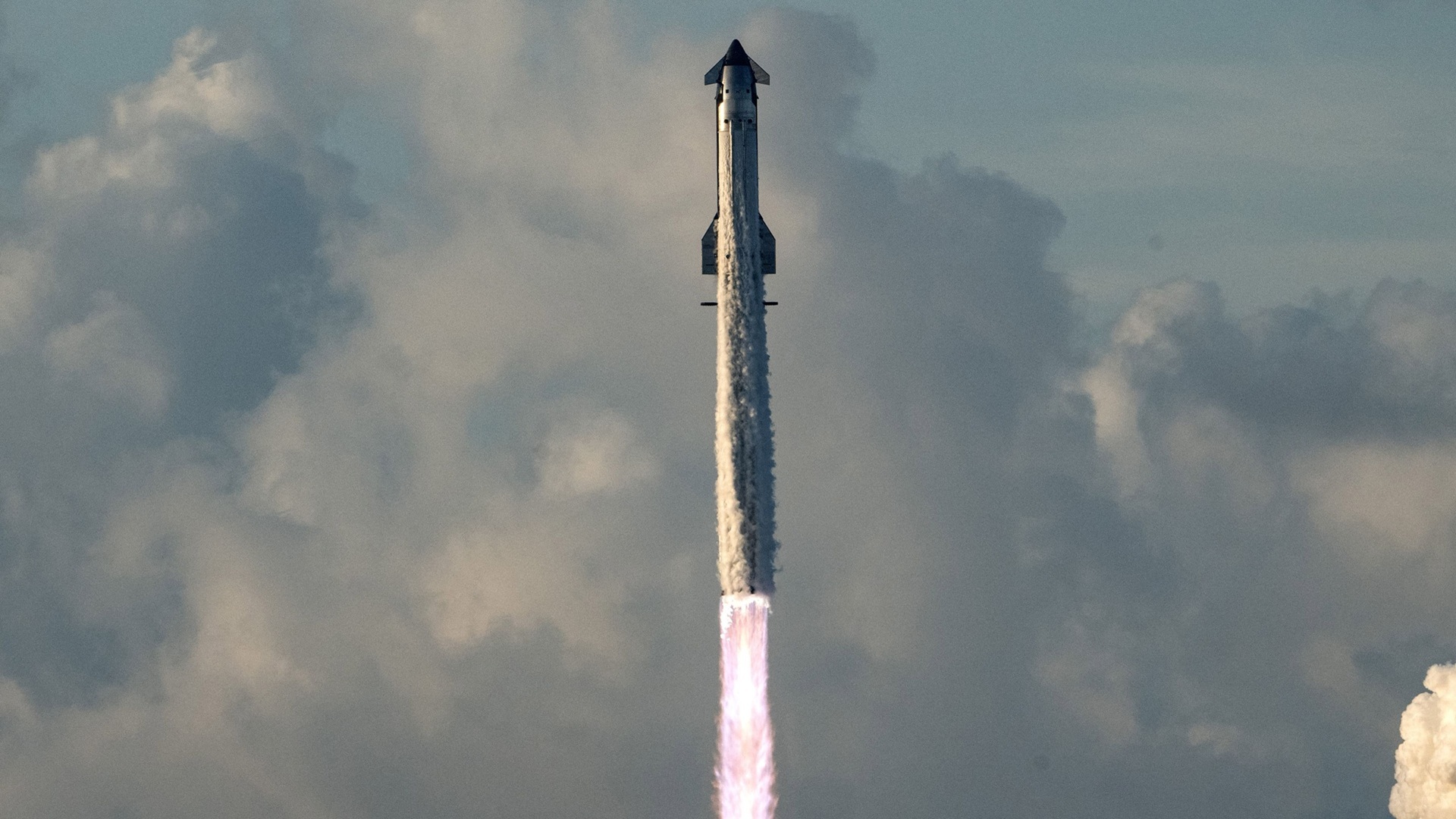
Researchers estimate the spent upper stage weighed approximately 8,800 pounds (4,000 kilograms).
NASA's Lunar Reconnaissance Orbiter and South Korea's Pathfinder Lunar Orbiter plan to photograph the impact site, though gathering the data could take days.
NASA emphasised that analysing the event will help refine space-tracking techniques as agencies look to better understand lunar orbit debris amid plans for a sustained human presence on the Moon.
Rocket stage drifted toward the Moon
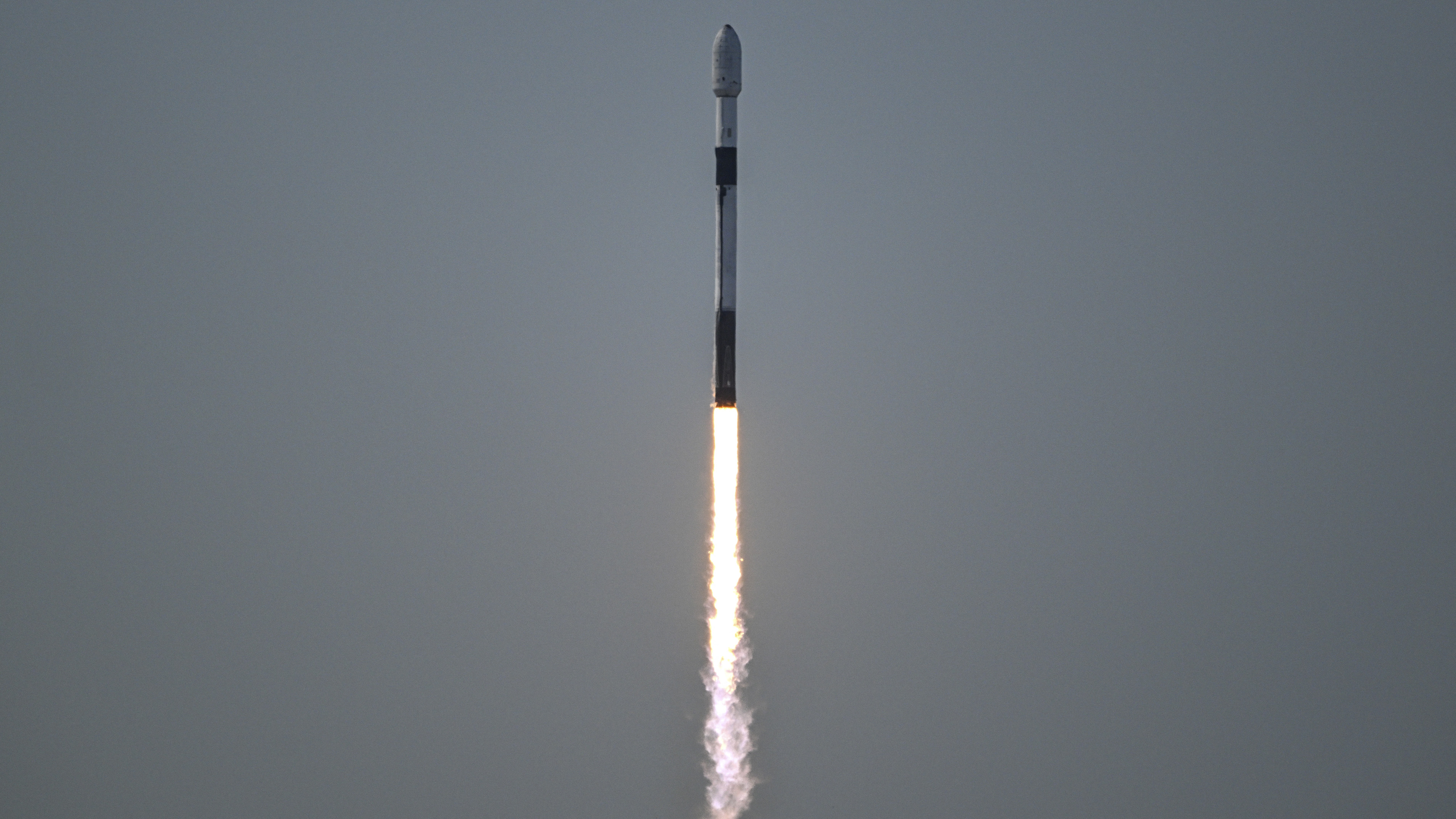
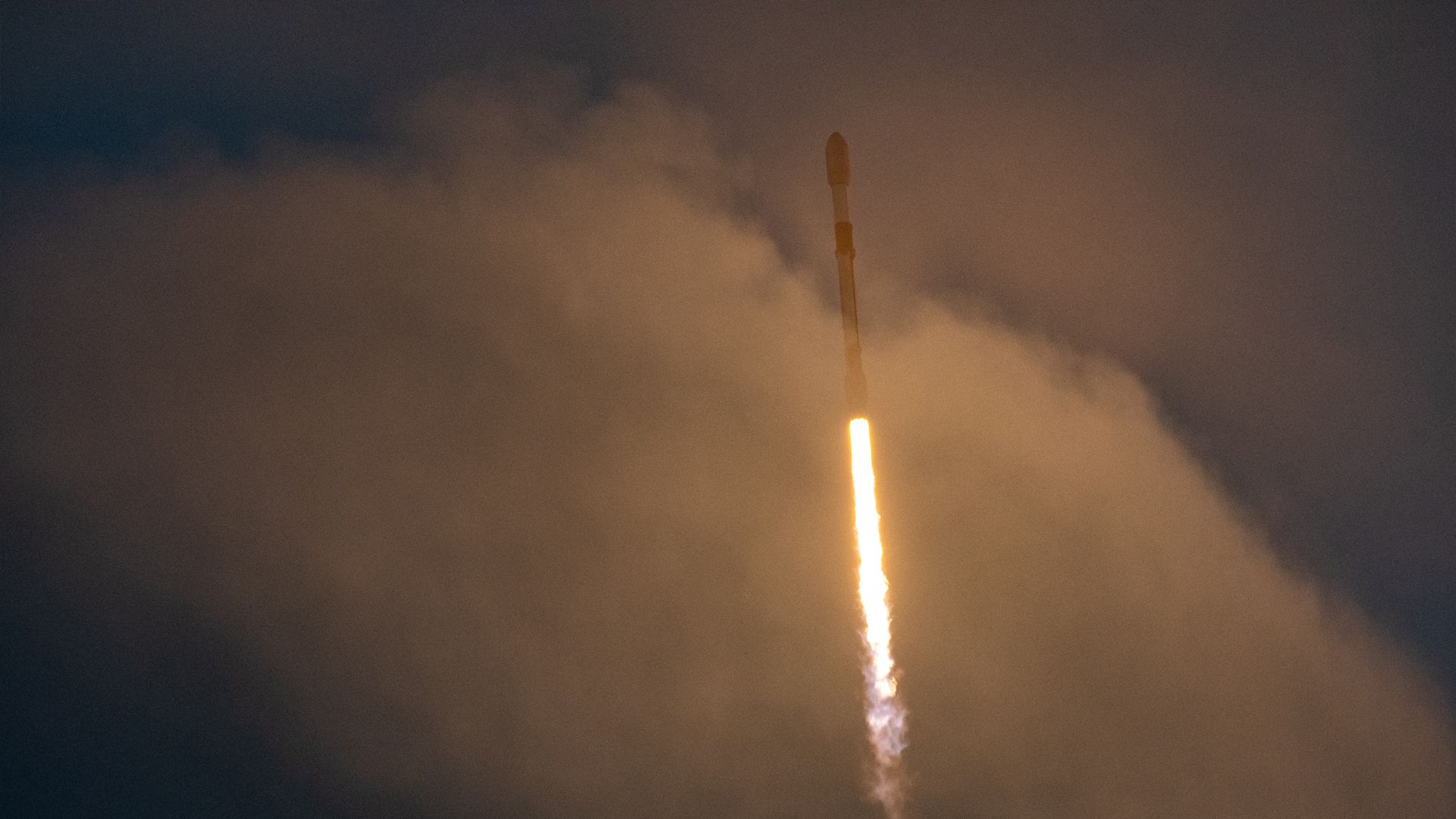
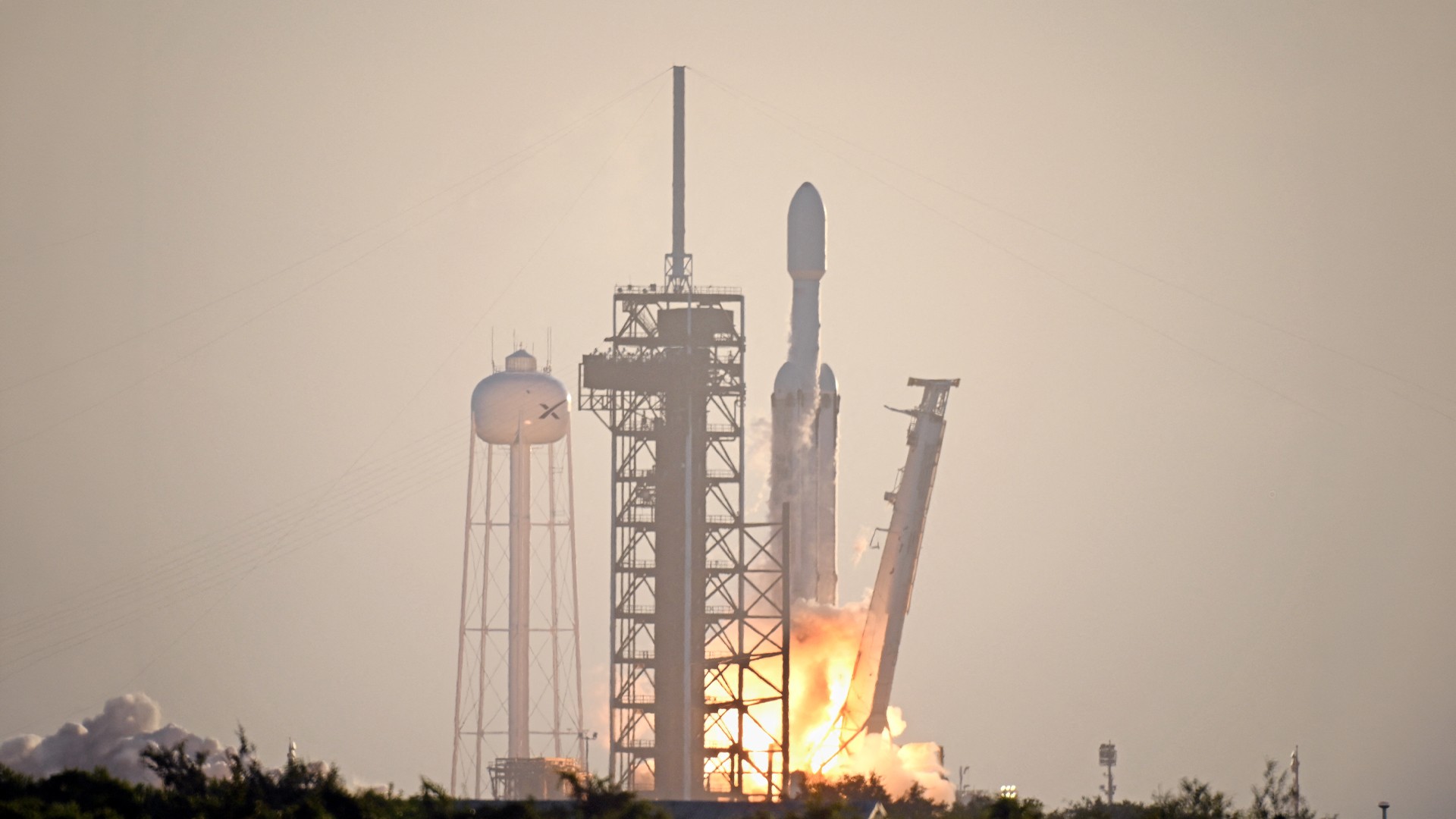
The rocket stage originated from a SpaceX mission launched in January 2025 that carried two lunar landers. While the booster returned to Earth, the upper stage remained in space.
Julianna Scheiman, director of NASA Science and Dragon Programs at SpaceX, explained that while standard safety maneuvers were performed, a combination of solar activity and gravitational forces ultimately altered the stage's trajectory toward the Moon.
Artificial lunar collisions remain rare
While the Moon routinely encounters natural debris like meteoroids, artificial collisions remain relatively rare, though NASA historically carried out deliberate crashes during the Apollo program to gather seismic data.
Experts continue to warn that the accumulation of space junk around Earth risks triggering the "Kessler syndrome"—a dangerous cascading chain reaction of orbital collisions.

 For an optimal experience, please
rotate your device to portrait mode.