Loading...
Loading...


The earthquake occurred at 7:42 pm (1142 GMT) at a depth of 52.4 kilometres (33 miles), approximately 35 kilometres southwest of the town of Jose Abad Santos on Mindanao Island. The USGS later revised the earthquake's magnitude from an initial estimate of 6.7 to 6.5.
No tsunami alert was issued.
Santa Maria town rescue official Jerson Talahig said that there were no immediate reports of casualties or damage.
"It was kind of strong, but it was quick. We saw the table and some of the lights shaking," he said.
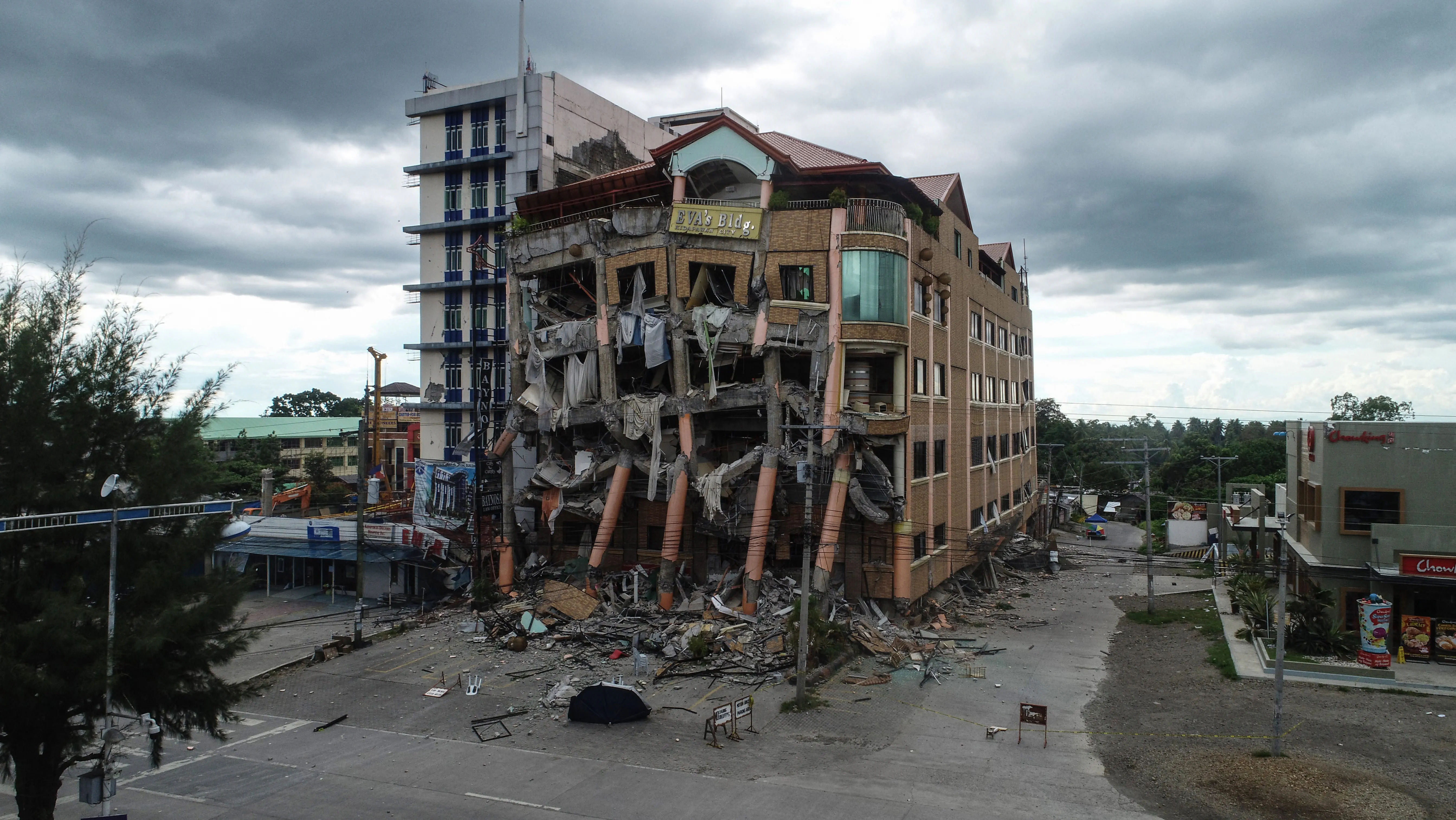
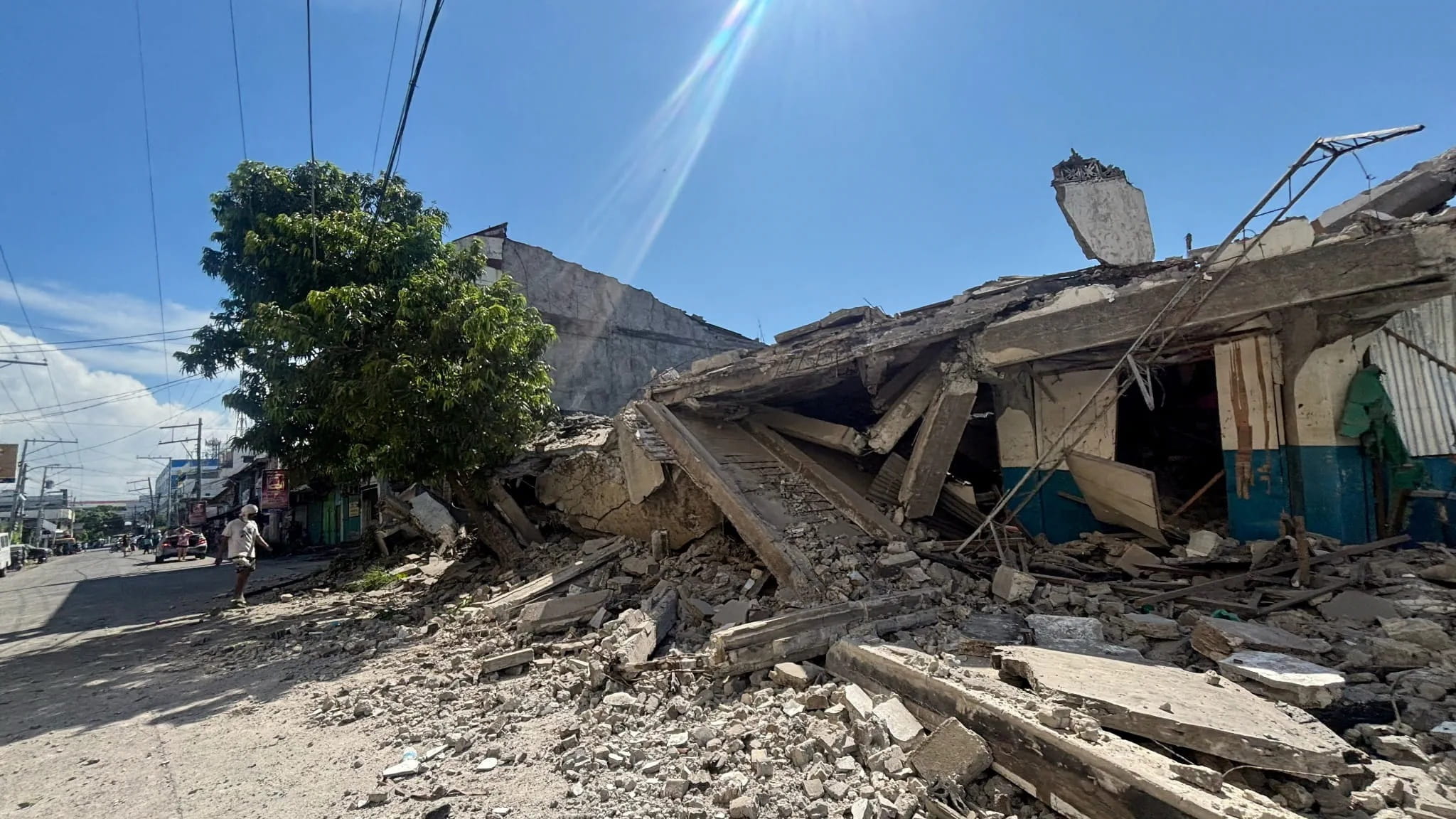
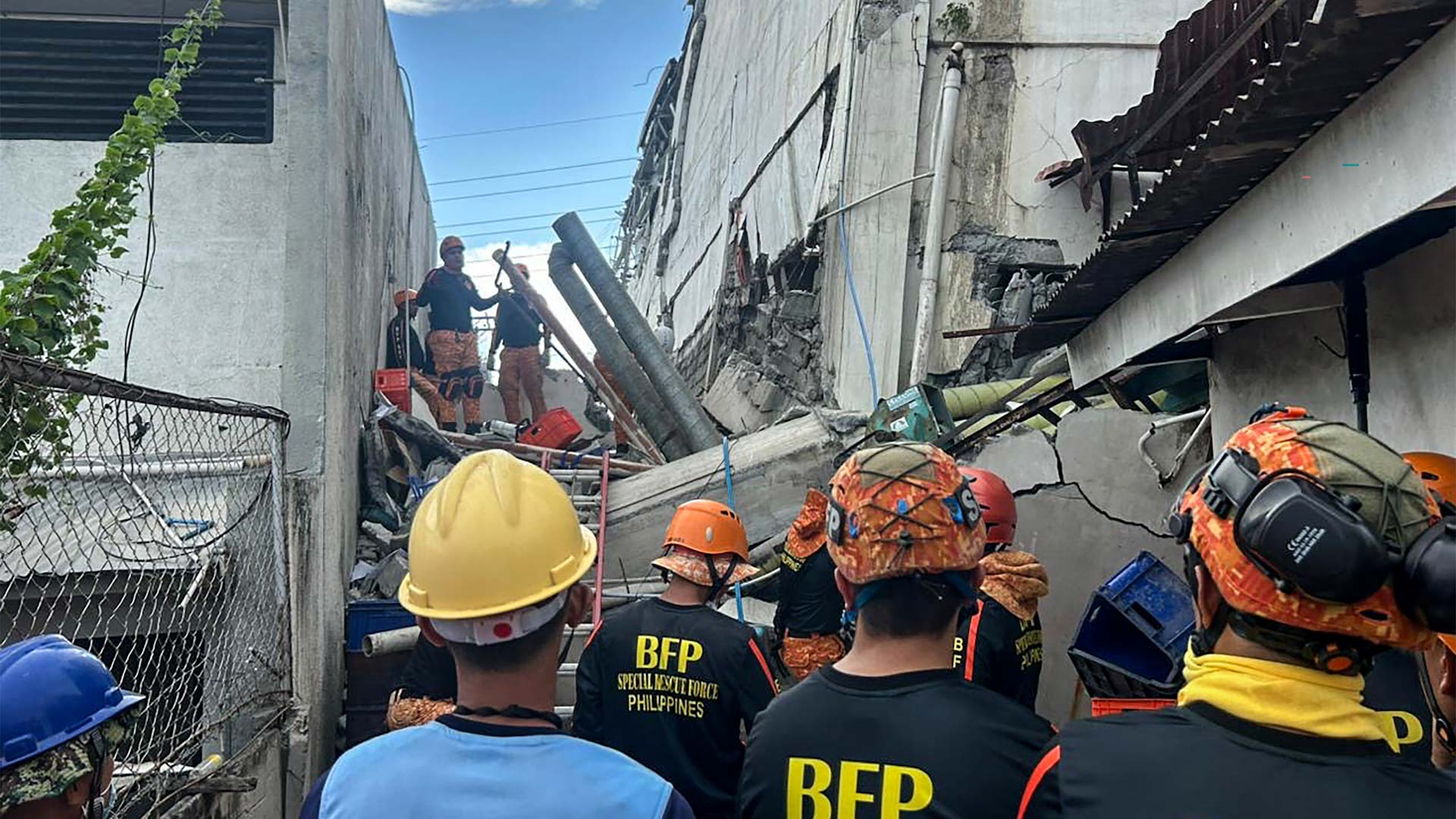
The 7.8-magnitude tremor that hit Mindanao on June 8 brought down buildings, triggered landslides and displaced thousands on the southern island, while also setting off tsunami warnings across the region.
The powerful quake forced the seabed upwards by two metres (6.6 feet) on a long stretch of the coast, pushing previously submerged coral above the water and extending the shoreline by as much as 200 metres in a geological phenomenon known as "coastal uplift".
A series of strong aftershocks rocked the area from about two hours after the first quake, including a 6.5 magnitude tremor.
As of Friday, the June 8 quake had killed 81 people and injured more than 1,300.
Earthquakes are a near-daily occurrence in the Philippines, which is situated on the Pacific "Ring of Fire", an arc of intense seismic activity stretching from Japan through Southeast Asia and across the Pacific basin.
The Cotabato Trench, which lies as close as 50 kilometres (31 miles) off the coast of southern Mindanao, is the site of frequent seismic activity, including a "swarm" of thousands of mostly small earthquakes recorded in January.

 For an optimal experience, please
rotate your device to portrait mode.