Loading...
Loading...


In an awareness message on the dangers of falls and unintentional injuries, the organisation called on families and caregivers to carry out regular safety checks of the spaces where children live, move and play, stressing that child safety should be treated as an essential part of everyday care, not as a response after an incident occurs.
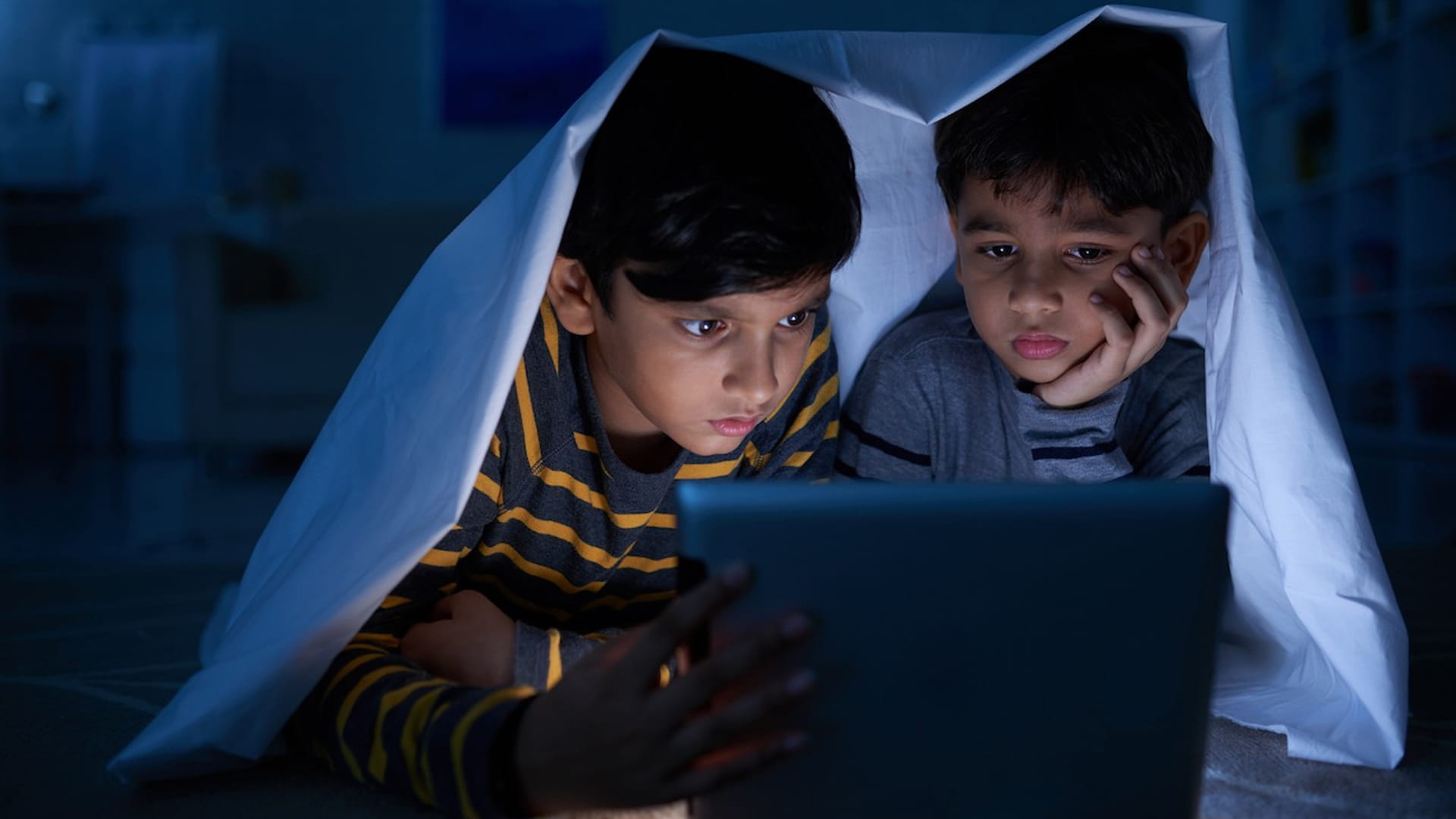
The organisation said many childhood accidents do not begin with unusual hazards or exceptional circumstances, but with ordinary details that families have grown used to seeing. A window, balcony, staircase, chair or piece of furniture may appear normal to an adult, but to a child it can become an invitation to climb, reach, explore or follow others, before they are able to understand danger or anticipate consequences.
It added that the early years of a child’s life are marked by rapid physical development and a growing desire to move and discover, while their ability to assess risk remains limited. Children learn through experience, move with curiosity and trust, and naturally test the environment around them. This makes some homes and shared residential spaces far more dangerous than they may appear to adults.
The organisation noted that fall risks are not limited to windows and balconies. They can also include furniture placed near edges or windows, unsecured stairs, elevated surfaces, shared areas in residential buildings, sharp corners and protruding edges, and any object that may help a child reach an unsafe area or cause injury if they trip and fall.
The Child Safety Organisation also highlighted that unintentional injuries, including falls, drowning, burns, poisoning and road traffic accidents, remain among the leading causes of child deaths and injuries worldwide. International estimates indicate that more than 1,600 children and adolescents under the age of 19 lose their lives every day due to injuries, many of which are preventable. The World Health Organisation also classifies falls among the major causes of serious injury and injury-related deaths among children.
Safety begins when we see the space through a child’s eyes
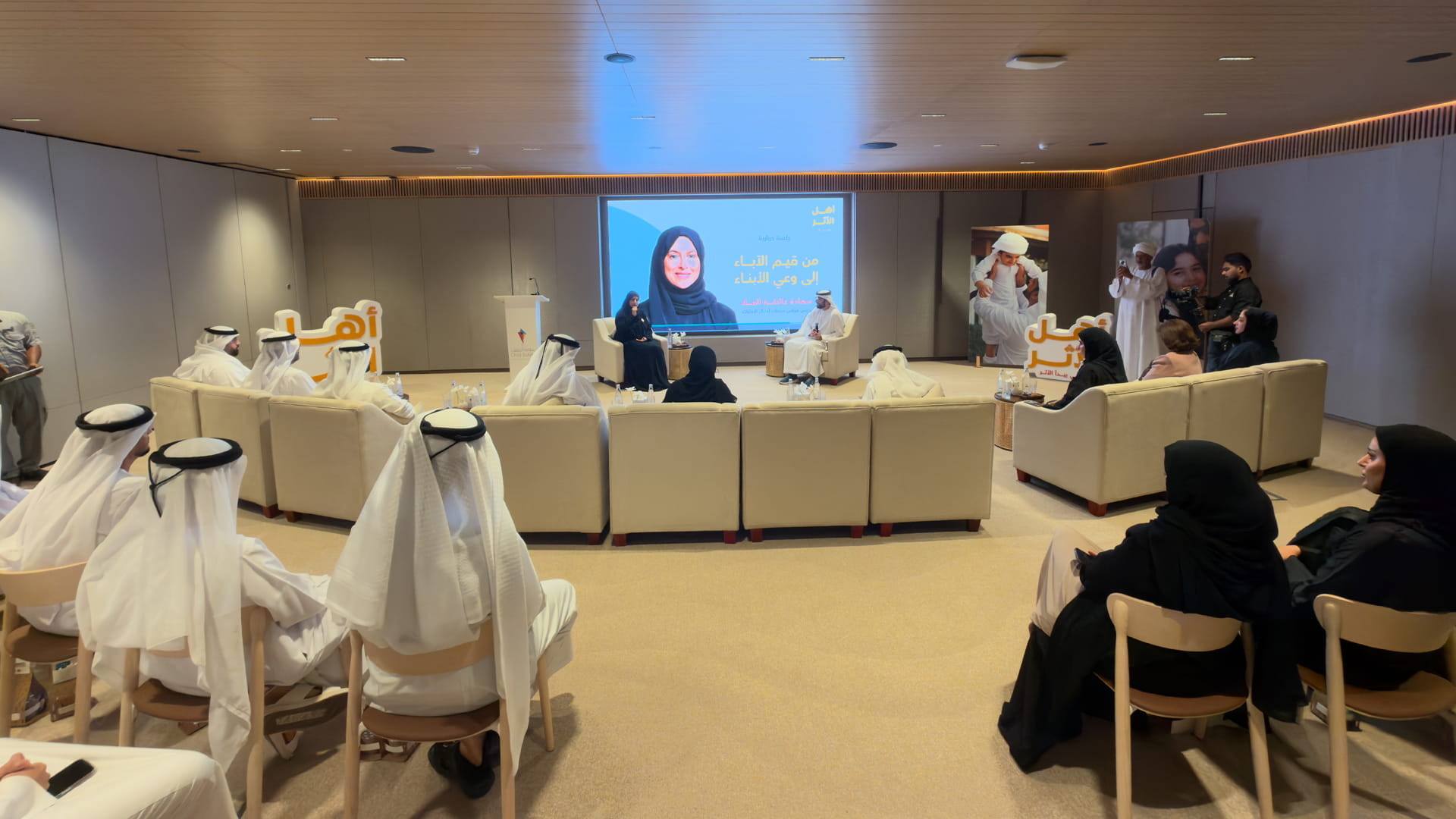
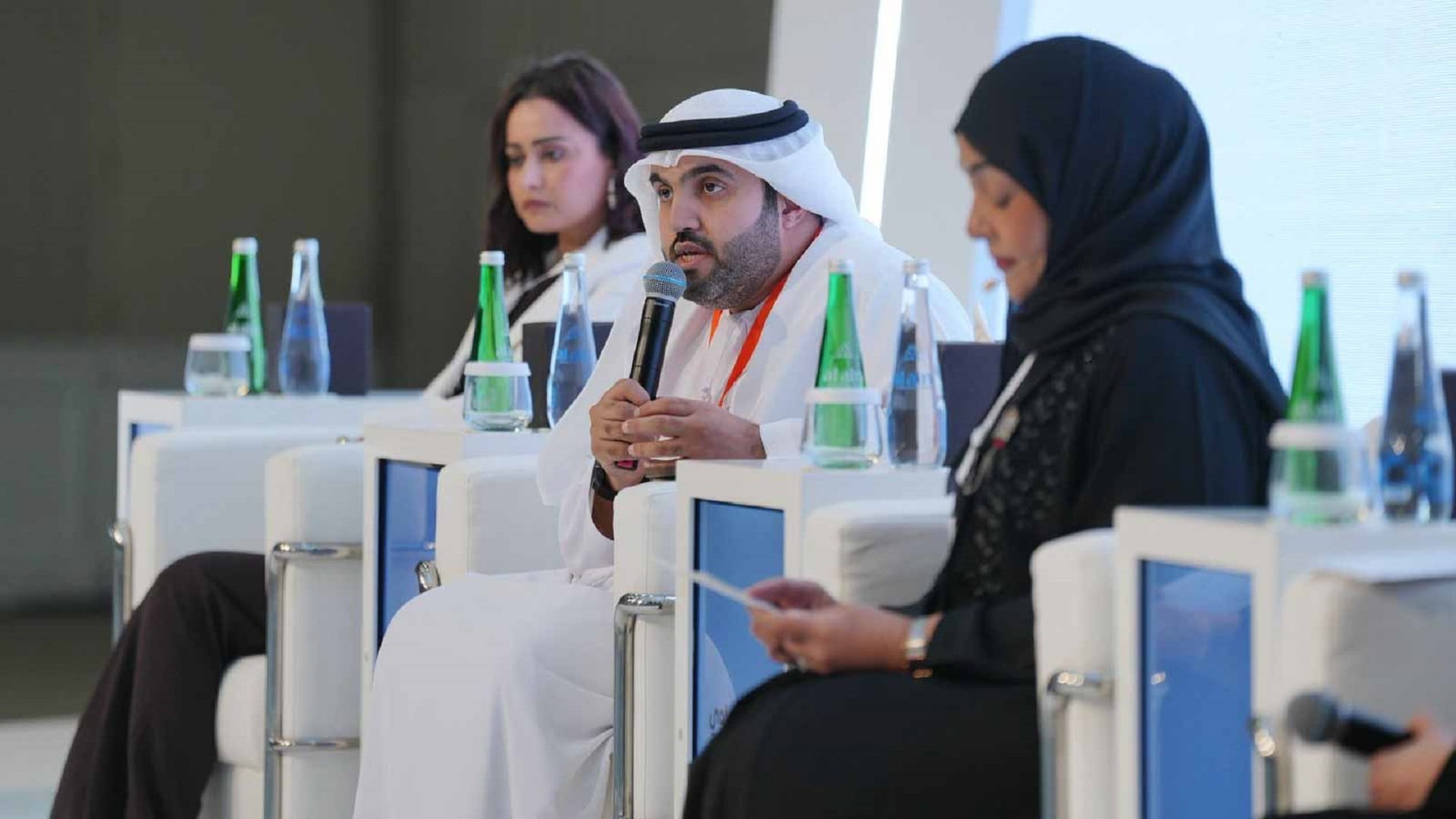
Her Excellency Hanadi Saleh Al Yafei, Director General of the Child Safety Organisation, said: “Real safety begins when we look at a space through a child’s eyes. A place that seems ordinary to adults may feel like an invitation to explore for a child whose awareness of danger is still developing. What we see as a window, corridor or chair may be seen by a child as a chance to move closer, climb higher or follow someone nearby.”
She added: “In their early years, children do not move out of recklessness, but out of trust. They trust the place around them, the people close to them and their new ability to move. This trust is a beautiful part of childhood, but it requires conscious care and continuous responsibility. Our role is not to make children afraid of the world, but to make the world around them more suitable for their age, needs and level of awareness.”
Al Yafei stressed: “We are not speaking about safety as a judgement made after accidents happen, nor are we placing responsibility on one party alone. We are calling for stronger awareness within families and the wider community that children do not see danger the way adults do. When we understand this, prevention becomes more humane and more effective, because we cannot expect a child to protect themselves from a world they do not yet fully understand.”
Regular safety checks are essential
The organisation urged families to set aside time regularly to review the environments in which children live and move, and to look at the home and residential building from the child’s level. Parents and caregivers should consider what a child can reach, climb, open or use in an unexpected way.
It also recommended keeping furniture away from windows and balconies, checking the safety of barriers and protective measures, supervising young children in shared spaces and transitional areas inside residential buildings, and never leaving them unattended in places that may give them access to elevated or unsafe areas.
The organisation also emphasised the importance of educating older children about safety when playing with younger siblings or relatives, and of building a culture of shared responsibility within the family to create a safer environment for everyone.
The Child Safety Organisation concluded that successful prevention does not mean being overprotective, frightening children, or restricting their movement. Rather, it means creating safe environments where children can learn, explore and grow with confidence, while reducing risks that may threaten their safety.

 For an optimal experience, please
rotate your device to portrait mode.


.jpg?h=1080&w=1920&hash=7ACD41094B18361186558BFCA790DE1C)