Loading...
Loading...


The party captured 12 of 16 top local government posts, while the conservative People Power Party won four, strengthening the ruling bloc’s control across the country just one year into Lee’s presidency. However, incumbent conservative Oh Se-hoon retained the Seoul mayoralty, delivering a symbolic win for the opposition.
Seoul mayoral race delivers symbolic setback
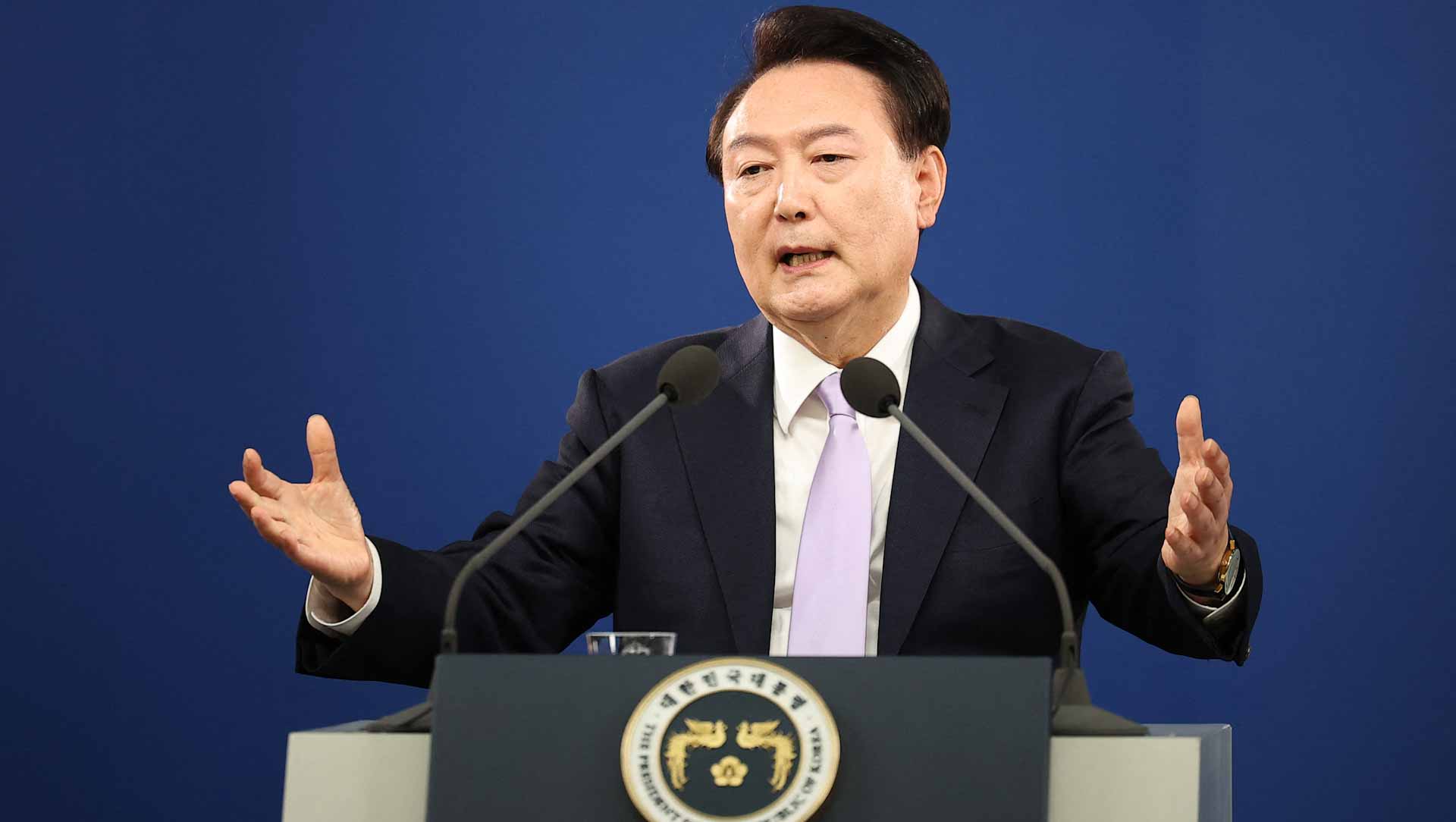
The defeat in Seoul, South Korea’s largest and most politically significant city, was seen as a setback for the ruling party and a boost for conservatives seeking to recover after the political turmoil surrounding former President Yoon Suk Yeol’s failed martial law attempt and impeachment.
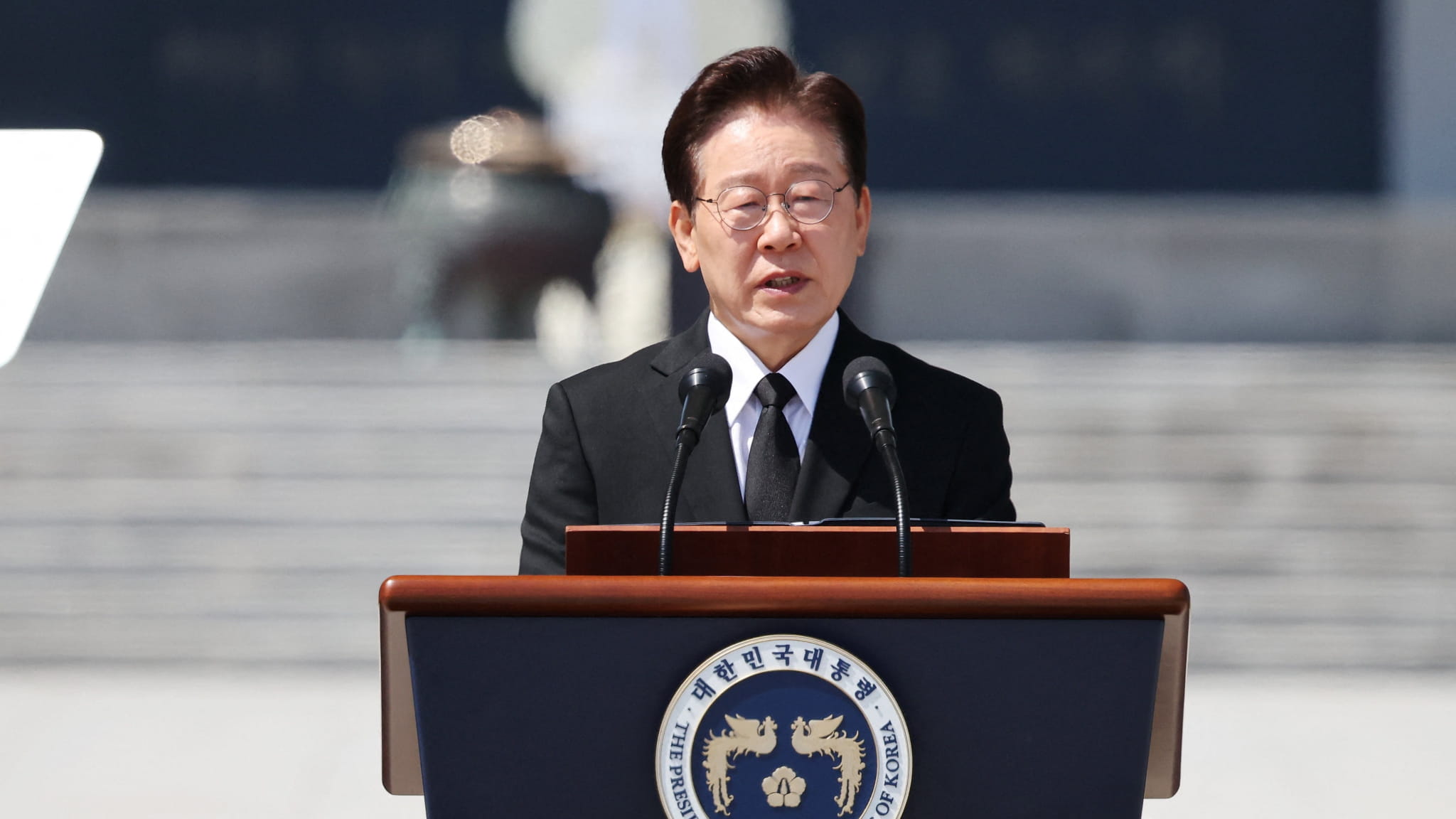
President Lee said the government would “humbly accept the will of the people” and pledged cooperation with all local governments regardless of political affiliation. Democratic Party leader Jung Chung-rae called the outcome a “great victory” but admitted disappointment over losing the capital.
Oh Se-hoon said Seoul voters had upheld “checks and balances” in democracy by preventing political dominance by a single party. Analysts said voter sentiment in Seoul was influenced partly by dissatisfaction with housing policies aimed at cooling the capital’s property market.
Broader gains for ruling party across regions
Despite the Seoul loss, the Democratic Party also secured Busan, a traditionally conservative stronghold, suggesting continued nationwide support for Lee, supported by strong export growth driven by an AI chip boom and rising markets.
Election controversy over ballot shortages
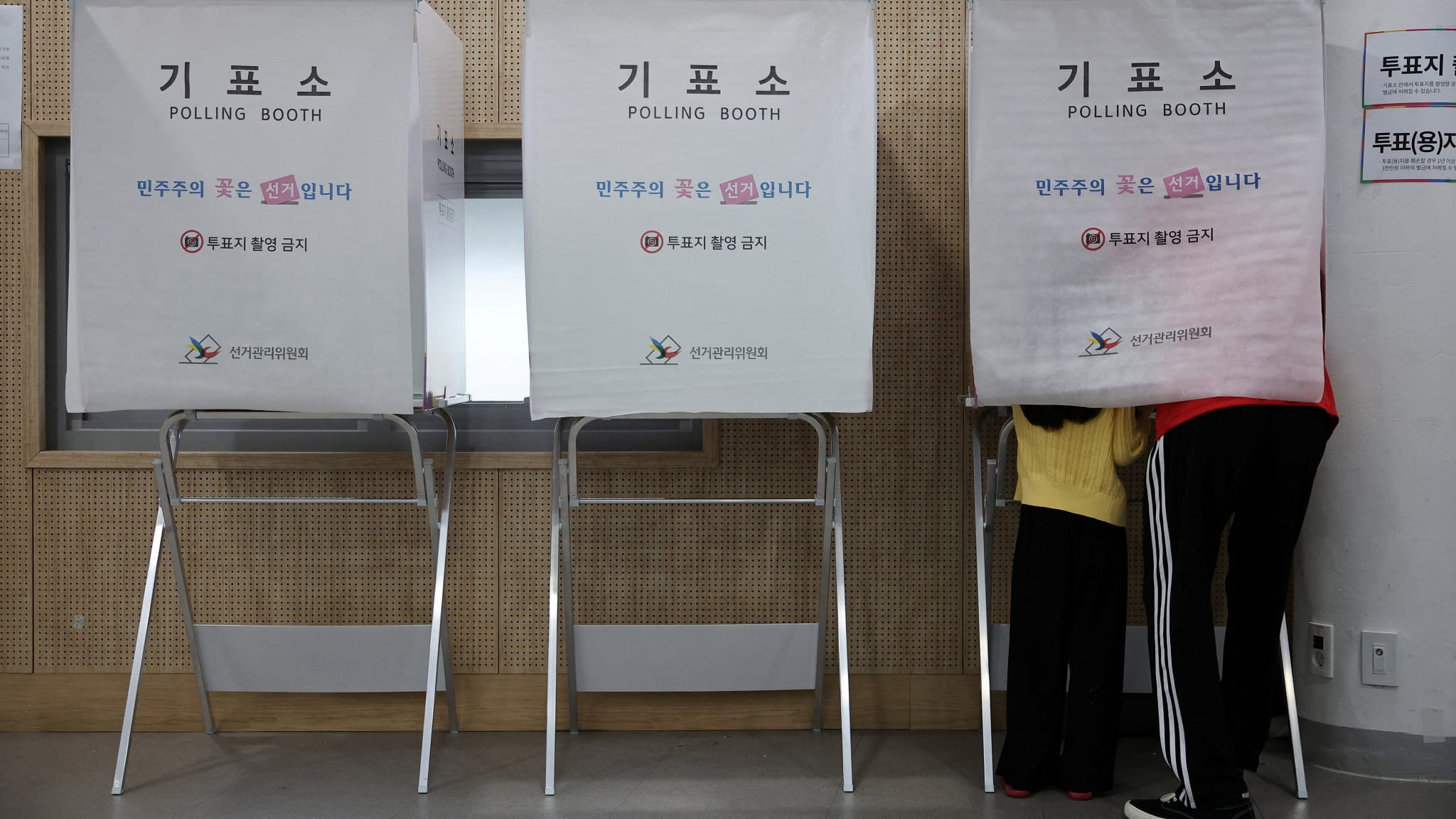
The election was also overshadowed by controversy over ballot paper shortages at several Seoul polling stations, which caused delays and prompted criticism from both major parties. The National Election Commission apologized and launched an investigation, while President Lee ordered accountability measures and safeguards to prevent a recurrence.

 For an optimal experience, please
rotate your device to portrait mode.