Loading...
Loading...


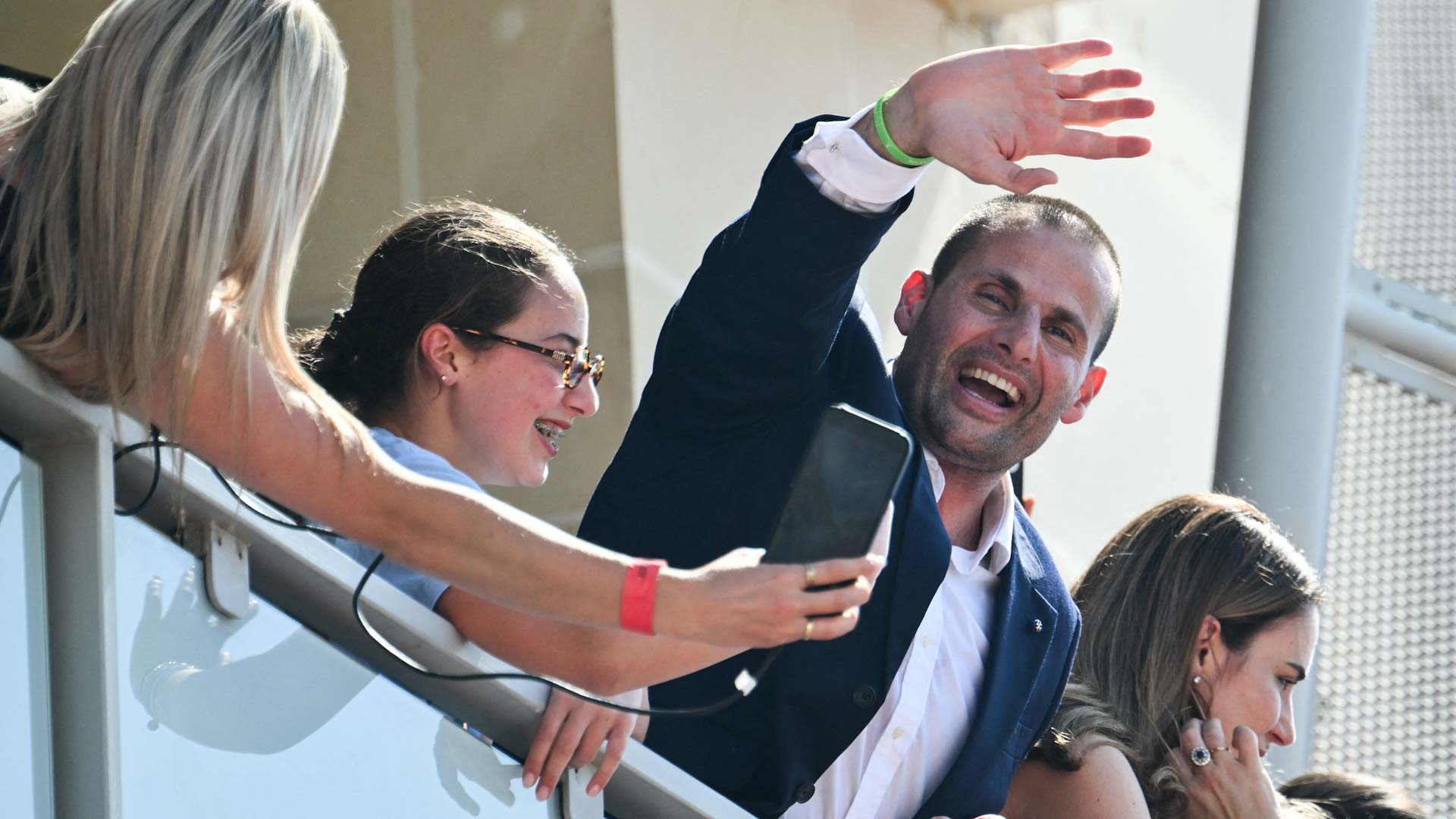
Fireworks lit up the Mediterranean island as jubilant Labour supporters dressed in red celebrated the result, chanting “four times!” after preliminary counts confirmed the governing party’s win.
Speaking from the party headquarters, Abela said, “Today we have written a page in history, together,” as supporters gathered in celebration and music played across the streets. He had called the early election seeking a fresh mandate to steer Malta through external economic pressures linked to the Middle East crisis.
Labour campaigned heavily on its economic record since 2013, emphasizing stability during uncertain times, while promising continued protection of the island’s economy.
Nationalist Party leader Alex Borg, a 30-year-old lawyer and former “Mr World Malta” contestant, conceded defeat and congratulated Abela after personally calling him following the vote.
Abela has led Malta since 2020, following a political crisis linked to the 2017 assassination of investigative journalist Daphne Caruana Galizia.
While Malta recorded 4.0 percent economic growth last year, concerns remain over the impact of global instability on tourism, inflation, and rising aviation fuel costs.
The island nation—EU’s smallest and most densely populated—has seen rapid population growth driven by immigration, fuelling a construction boom, infrastructure strain, and environmental concerns.
Despite strong economic performance, Malta continues to face challenges including dependence on imported energy, rising population pressures, and climate vulnerability, including risks of drought and desertification.

 For an optimal experience, please
rotate your device to portrait mode.