Loading...
Loading...


Speaking to “Sharjah 24”, Dr Ghawanmeh explained that the process begins with receiving, sorting and storing fertilised eggs in specially prepared facilities with controlled temperatures. The eggs are then transferred to automated incubators for an 18-day incubation period, during which temperature, humidity and egg turning are precisely regulated to simulate natural incubation under a hen.
He noted that many people assume poultry production begins at the farms, but the actual process starts inside the hatchery, where every fertilised egg undergoes a series of carefully monitored procedures aimed at ensuring optimal development before hatching.
After the incubation period, the eggs undergo detailed inspection to identify viable fertilised eggs. Only suitable eggs are transferred to the hatching stage, which lasts three days inside the hatchery and concludes with the emergence of chicks in a specially prepared environment designed for this sensitive phase.
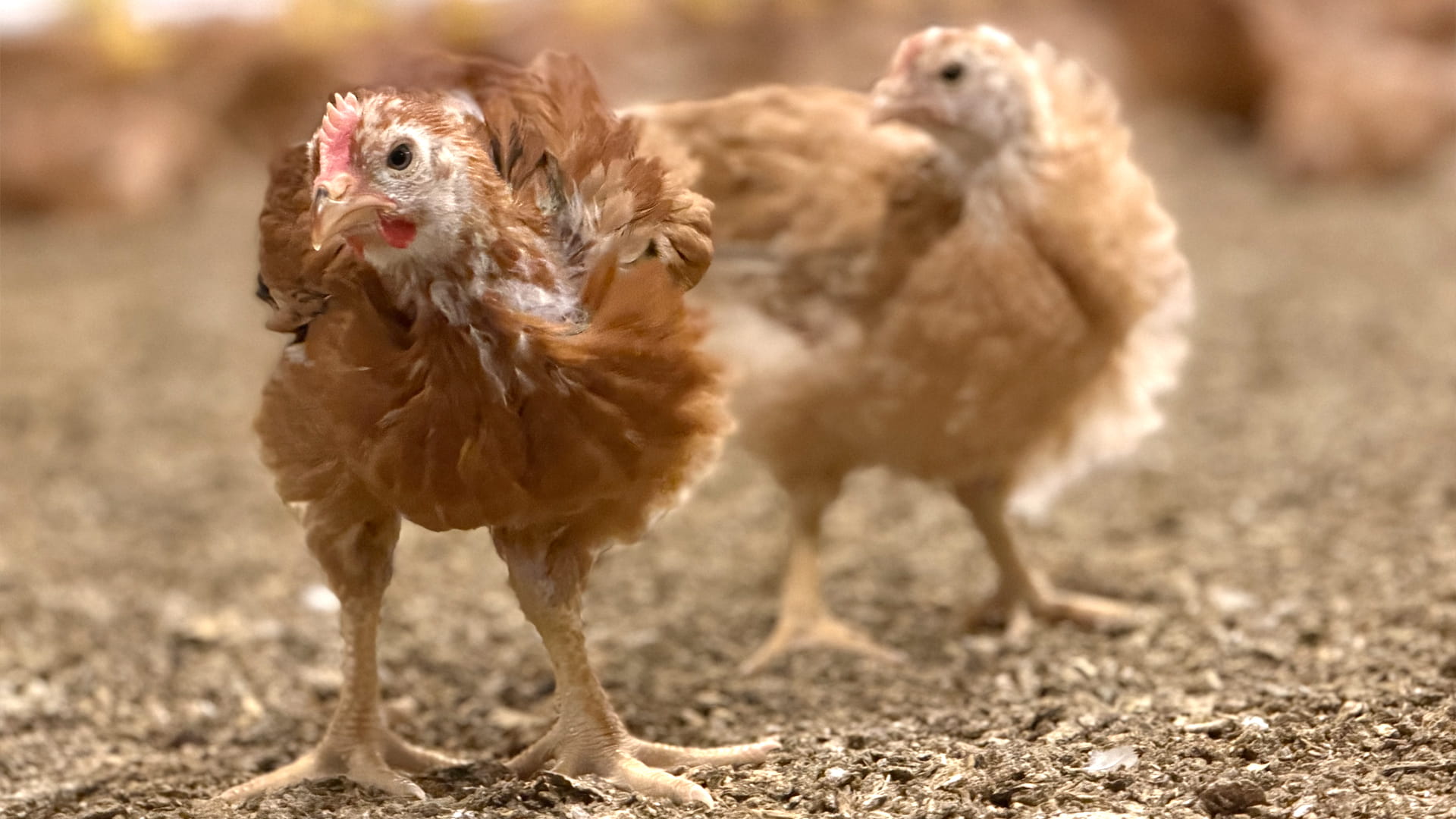
Dr Ghawanmeh added that the newly hatched chicks are prepared and vaccinated according to approved procedures before being transported in refrigerated and air-conditioned vehicles to FILI’s free-range poultry farms. There, the next stage of free-range rearing begins as part of an integrated production system focused on maintaining product quality and ensuring safety throughout every stage of production.
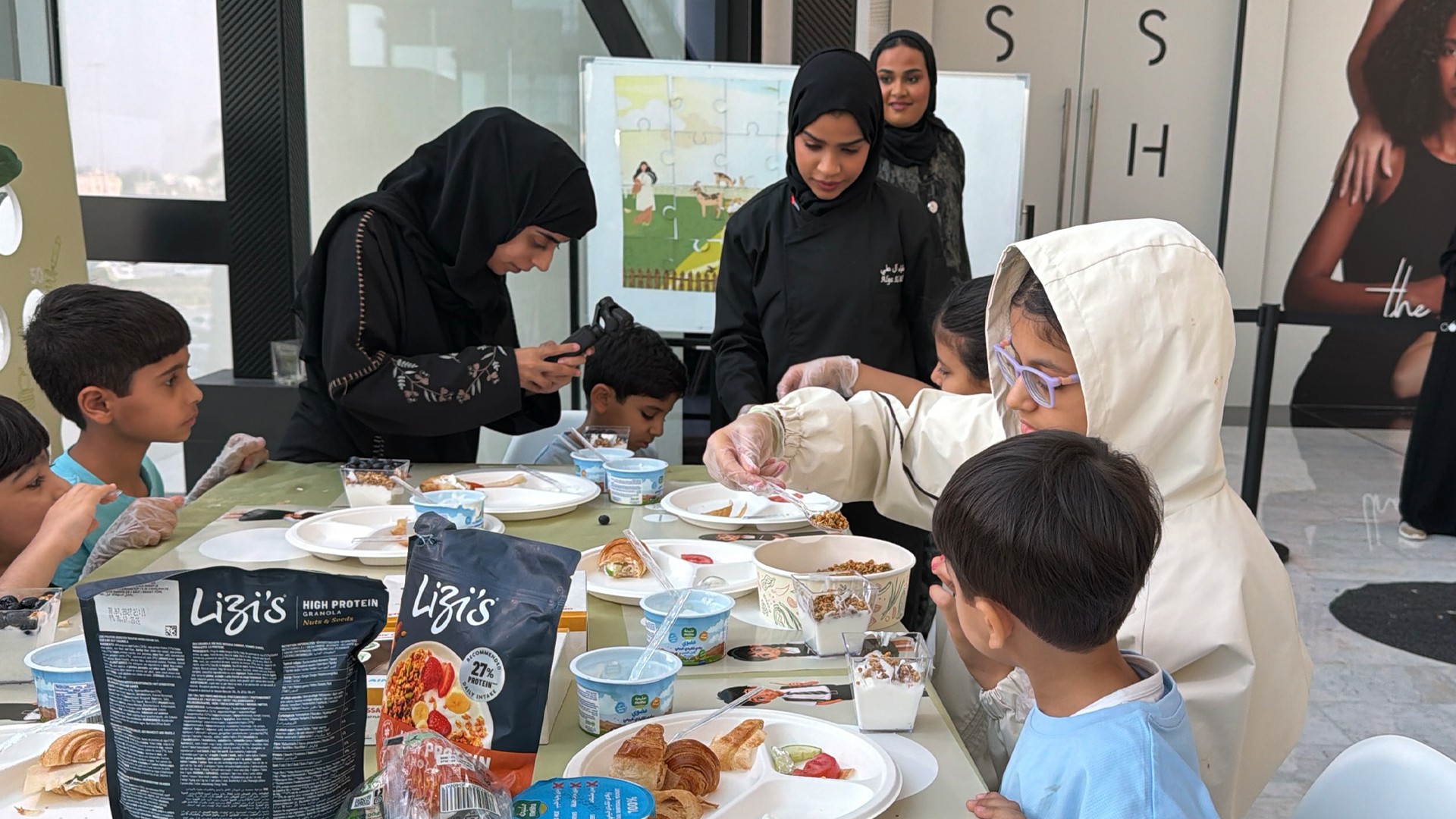
SDAL holds "Back to School" event
01 monthSDAL: UAE in food security “golden age”
05 months
 For an optimal experience, please
rotate your device to portrait mode.