Loading...
Loading...


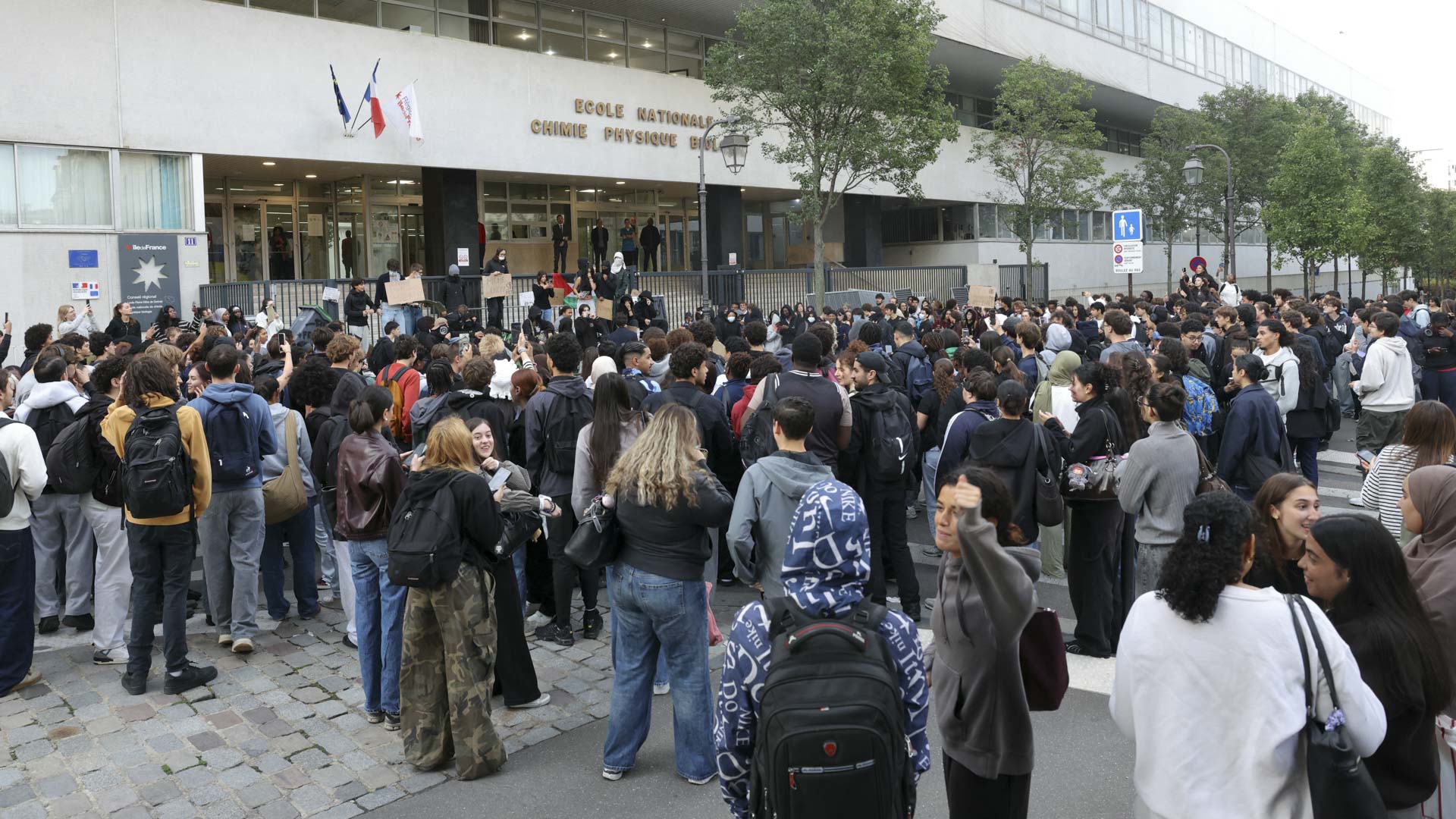
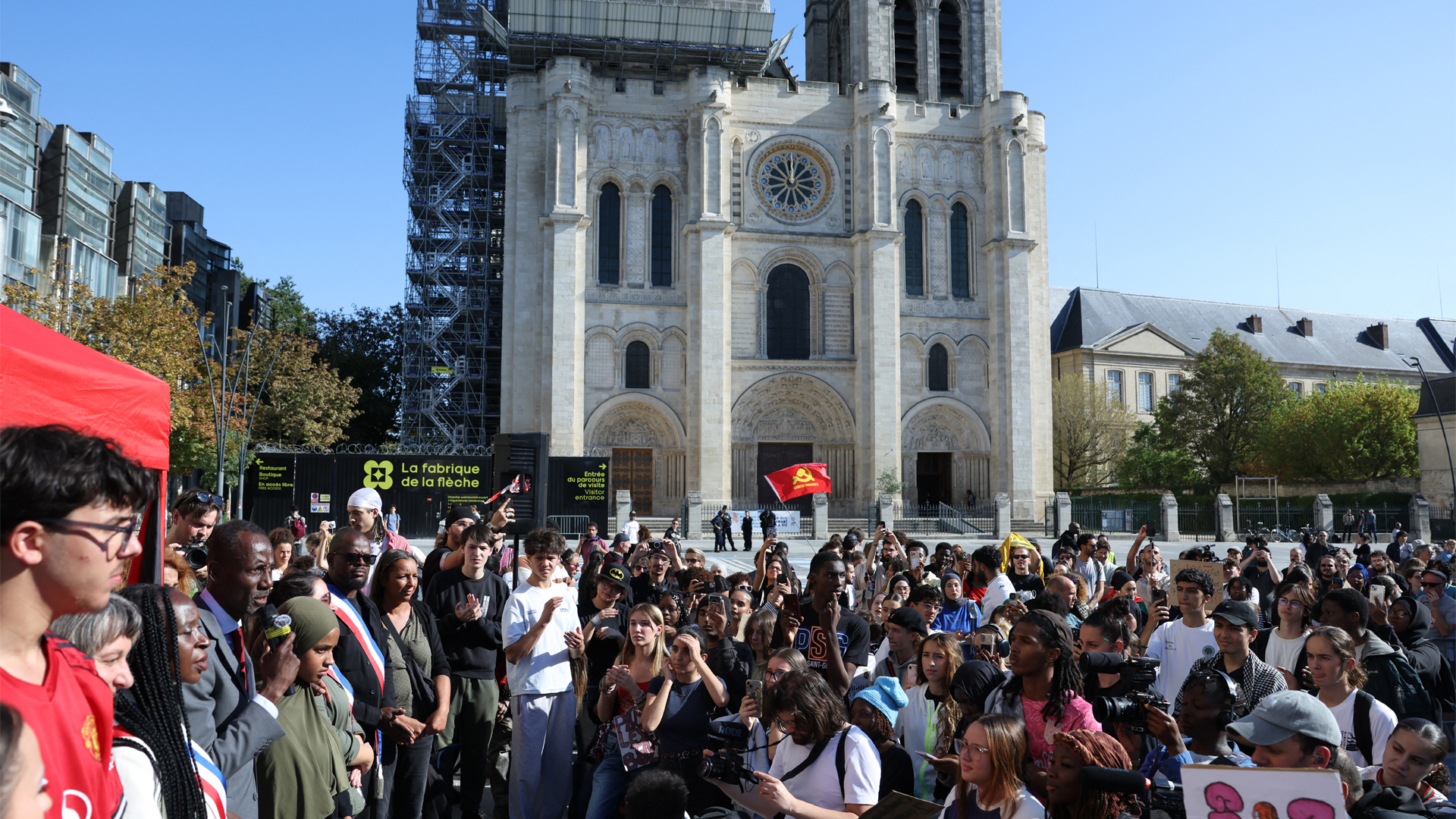
What began last week as localized demonstrations in the Paris region has rapidly escalated into a national movement, with senior students blockading entrances and confronting law enforcement over long school hours, inadequate facilities, and chronic staff absences.
While the government acknowledges these core grievances are legitimate, it has strongly condemned the accompanying "urban violence," noting that nearly 400 of the country's 3,700 high schools faced closures while others switched to remote learning, particularly in Marseille.
The unrest has taken a heavy toll, with at least 65 school staff members injured—including 40 principals—alongside roughly 170 students. More than 100 schools have suffered severe damage, including burned entrances at two Paris schools on Friday.
Police have taken approximately 2,000 people into custody since the movement began, 90 percent of whom are minors.
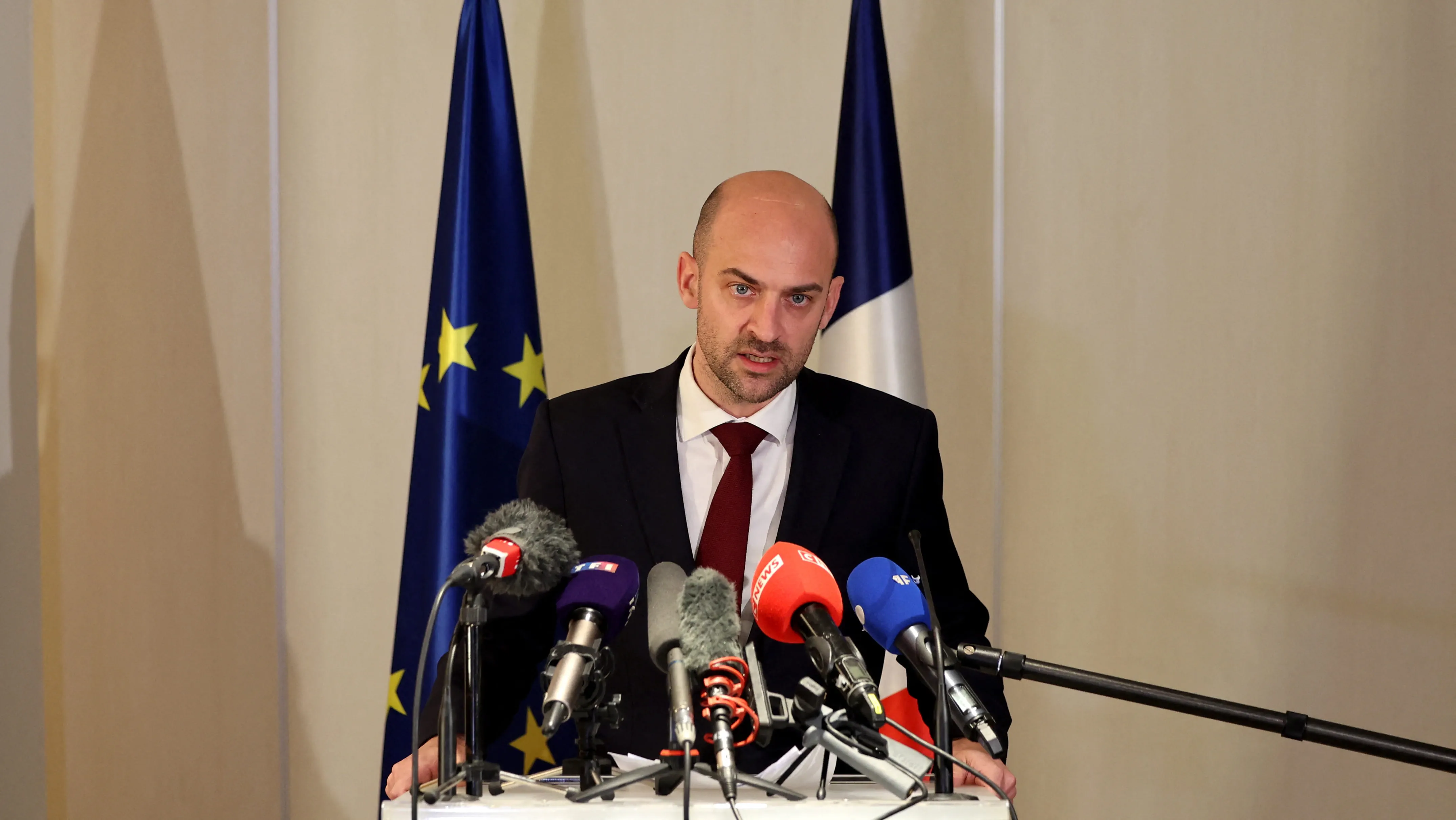
In response, Education Minister Edouard Geffray urged parents to keep their children away from the danger, while Justice Minister Gerald Darmanin announced that he has asked prosecutors to hold parents financially liable for any damages caused by their children.
The demonstrations have also sparked a political war of words just over six months ahead of France's presidential elections.
The government has accused the hard-left party France Unbowed (LFI) of instigating the movement. LFI official Manuel Bompard firmly rejected the accusation, dismissing the claims as conspiracy theories.
Meanwhile, students continued to protest alleged police brutality involving tear gas.
In an effort to de-escalate the crisis, Education Minister Geffray held emergency meetings with education unions and student associations on Friday to open a path for dialogue.

 For an optimal experience, please
rotate your device to portrait mode.