Loading...
Loading...


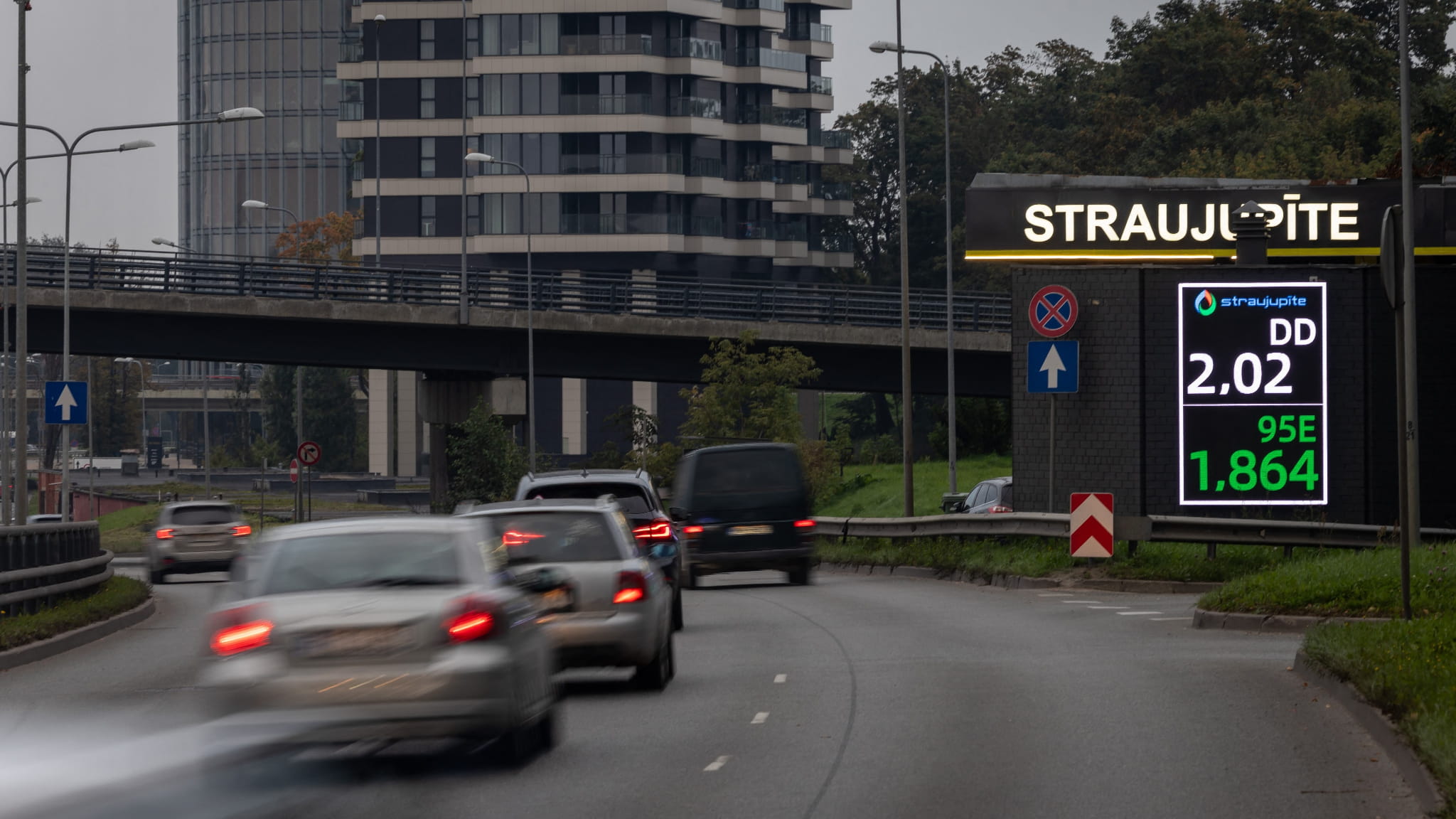
The increase in imports exceeded the market’s median forecast of 26.3%, marking the third consecutive month of sharp growth. Higher crude oil prices pushed up energy import costs, despite a sharp rise in the yen following a rare joint intervention with the United States to buy the Japanese currency.
The trade figures highlight how rising energy prices are increasing Japan’s import bill and adding to inflationary pressures, strengthening expectations that the Bank of Japan could raise interest rates at the conclusion of its two-day policy meeting on Friday.
Exports rose 19.3% in August from a year earlier, beating economists’ forecast of 18.2%, after a 23.2% increase in July. The rise was supported by strong shipments of semiconductor-related products and higher prices for non-ferrous metals.
Exports to the United States rose 24.9% year on year in August, while shipments to China rose 20.6%.
Higher energy import costs kept Japan’s trade balance in deficit, with the shortfall reaching 1.106 trillion yen ($7.12 billion) in August, compared with economists’ forecast of 1.053 trillion yen.
Oil prices have risen further in recent weeks, as attacks on maritime transport and energy infrastructure in the Middle East have heightened concerns about supply disruptions. The trend suggests that Japan’s import costs could remain elevated in the coming months.
Analysts said that higher import costs, together with strong exports and rising wages, could strengthen the case for another interest-rate increase in the coming months, following Friday's widely expected 25-basis-point hike.
People familiar with the matter said the Bank of Japan could signal a faster pace of future rate increases if price pressures increase the risk of inflation exceeding its forecasts.
Japan’s economy has remained resilient despite supply-chain disruptions. Revised data released last week showed that economic growth from April to June was stronger than initially estimated, supported by corporate spending that was higher than previously reported.

 For an optimal experience, please
rotate your device to portrait mode.