Loading...
Loading...


The session highlighted Sharjah's approach to building an integrated digital knowledge system, beginning with collaboration with international institutions to preserve rare resources and extending to making knowledge accessible to researchers, students and the wider community.
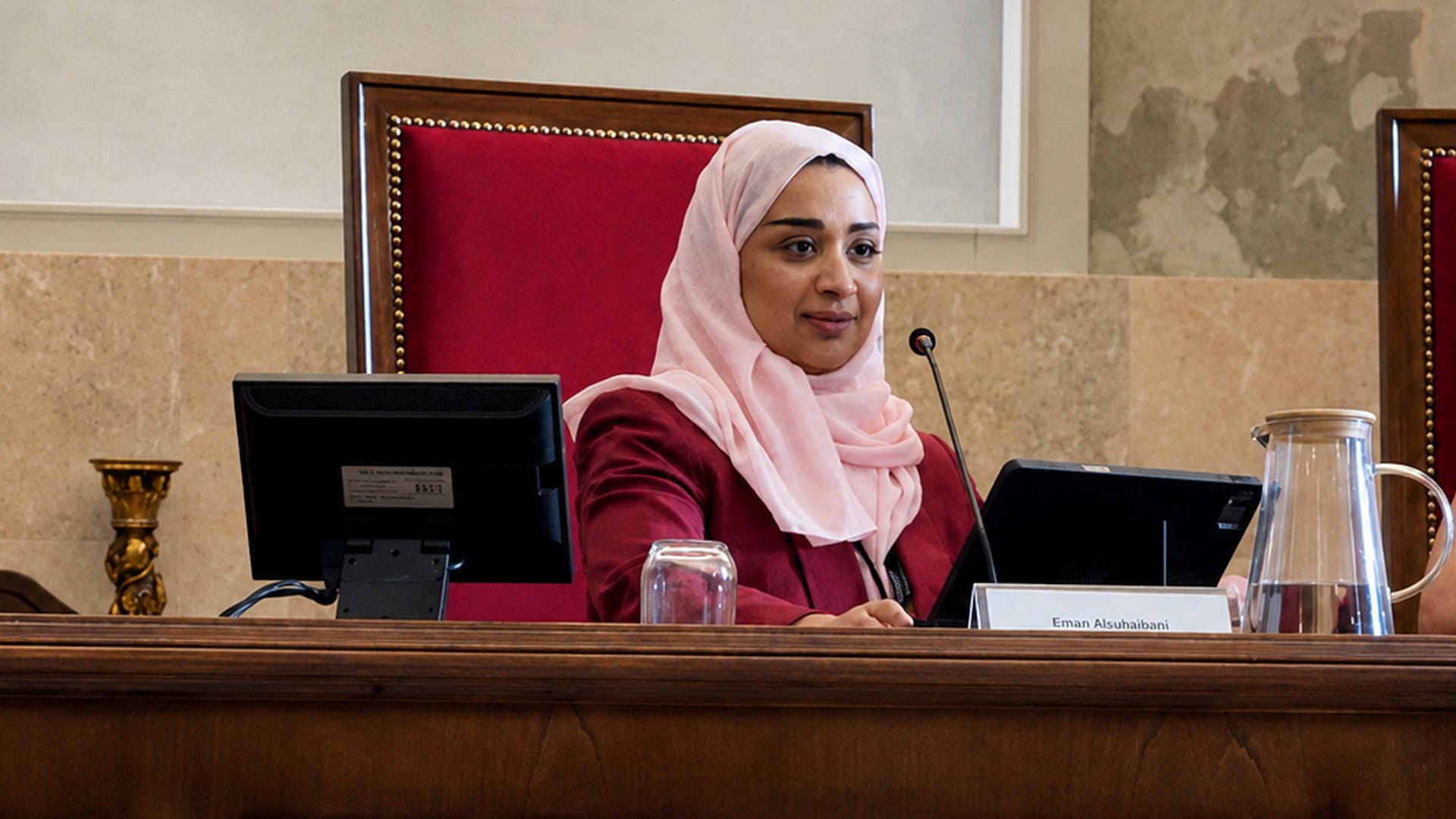
During a session titled 'Digitising Historical Libraries in the Age of Artificial Intelligence: The Sharjah Experience', Eman Bushlaibi, Director of Sharjah Public Libraries, outlined the emirate's experience in digitising historical libraries and using modern technologies to preserve and document more than 18 million knowledge resources. She joined experts and specialists from several countries in discussions on the future of preserving heritage collections amid ongoing digital transformation.
Bushlaibi stressed that preserving documentary heritage in the age of artificial intelligence requires more than converting manuscripts into digital copies. She stressed that successful digitisation depends on an integrated ecosystem that combines high-quality imaging, scholarly cataloguing, sustainable digital infrastructure, and the expertise of librarians and specialists to safeguard cultural memory while improving access to knowledge.
Addressing the challenges of preserving heritage, Bushlaibi noted that much of the world's recorded memory remains fragile and is held in collections that are difficult to access. She said digitisation helps reduce the handling of rare originals while expanding access for researchers, academics and the wider public.
She explained that SBA’s work is inspired and guided by the vision of His Highness Sheikh Dr Sultan bin Mohammed Al Qasimi, Supreme Council Member and Ruler of Sharjah, whose commitment to culture has enabled Sharjah to move beyond conventional agendas and build a strong international presence. This vision is reflected in Sharjah’s designation as UNESCO World Book Capital 2019, as well as initiatives such as the Sharjah International Library Conference and the Sharjah Library Literature Award.
Bushlaibi said: "Sharjah regards heritage as a shared responsibility that extends beyond any single institution. Successful digitisation requires a clear vision, sustainable funding and agreements that protect the rights of collection owners while ensuring equitable access for researchers and readers. Artificial intelligence can accelerate access to knowledge, but it cannot replace the expertise of librarians and specialists in cataloguing, verification, scholarly description and preserving the historical context of manuscripts."
During the session, she outlined four key challenges facing large-scale digitisation projects. These include the technical complexity of digitising historical Arabic manuscripts, the need for sustainable funding and long-term governance, the risk of transferring existing biases into digital collections, and the challenge of ensuring digital resources remain accessible as technologies evolve. She stressed that successful preservation depends as much on institutional planning and collaboration as on technological innovation.
To illustrate Sharjah's approach, Bushlaibi presented a series of projects that reflect the breadth of the emirate's digitisation efforts. These included the Biblioteca Ambrosiana project in Milan, which aims to digitise more than 2,500 rare Arabic manuscripts, some more than 450 years old, and to expand public access to the collection through the Sharjah Public Libraries network under a memorandum of understanding signed in 2021.
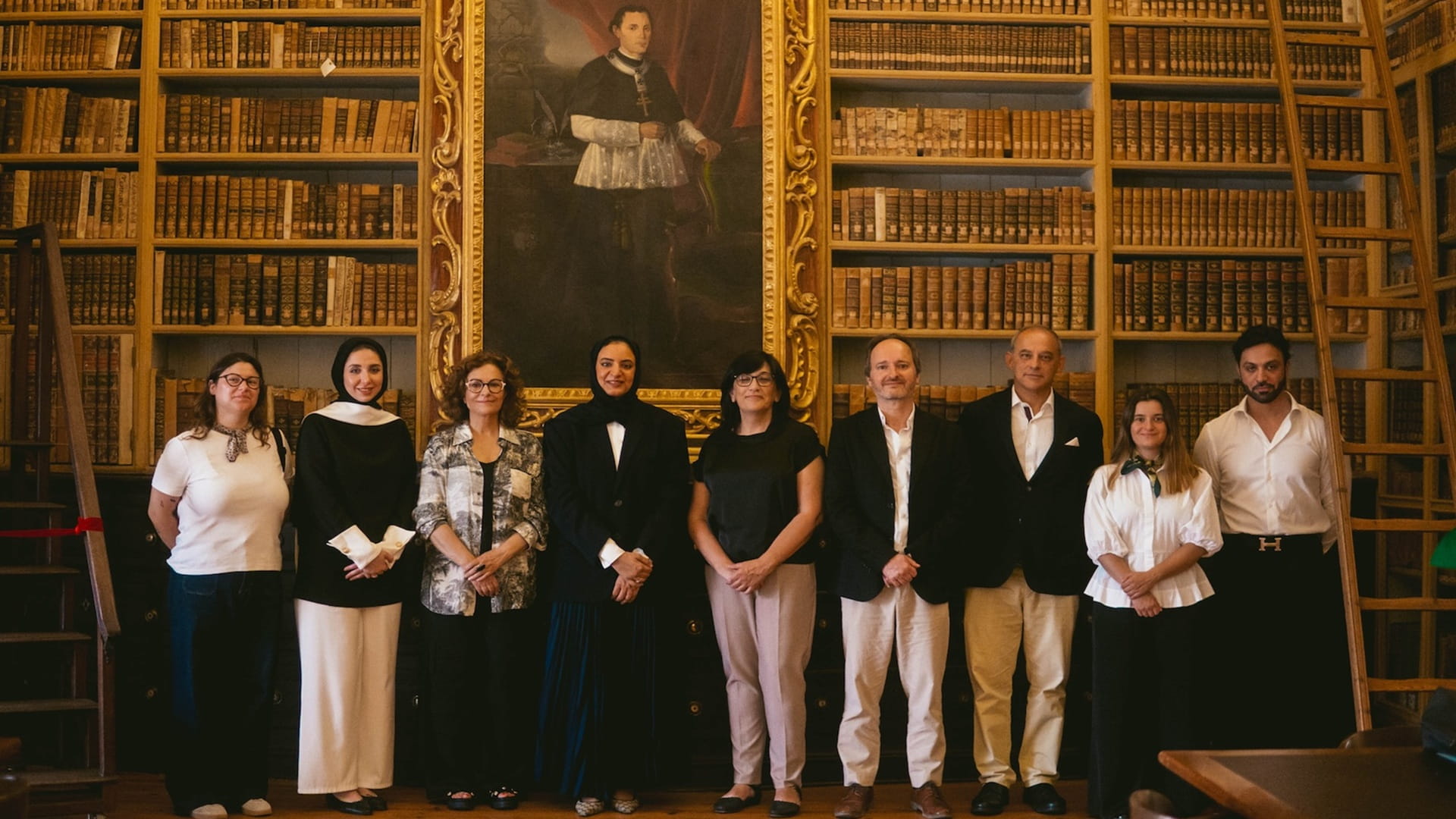
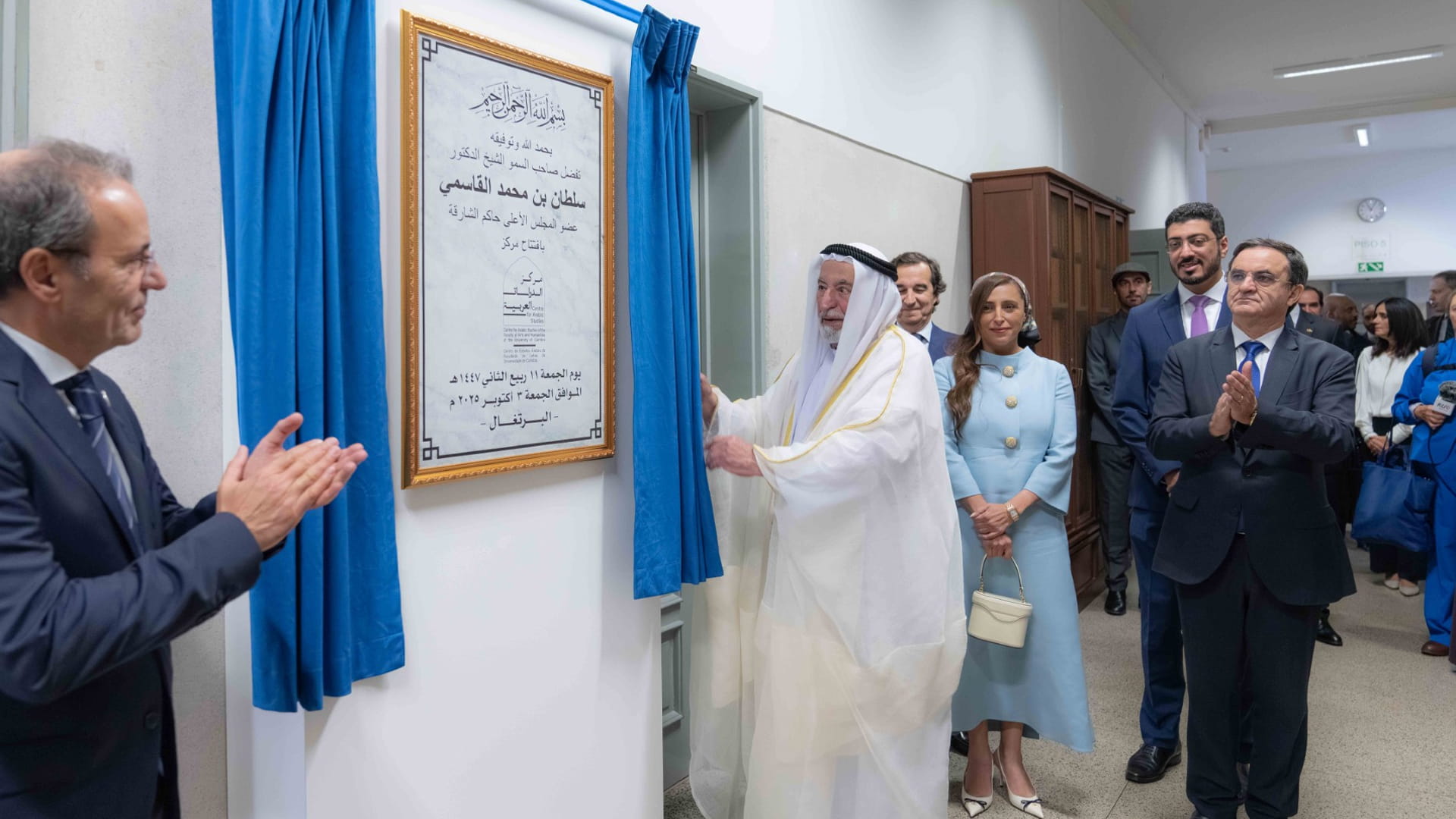
She also presented the Joanina Library project at the University of Coimbra as a large-scale model for digitising historical libraries. The project covers around 18 million images and approximately 30,000 historic volumes under a programme running until 2031.
At the local level, Bushlaibi highlighted the University of Khorfakkan project, which began with 30 manuscripts in its first phase and is now progressing through a second phase in collaboration with the Sharjah House of Manuscripts. The collection includes manuscripts covering a range of subjects that have undergone cleaning, conservation and cataloguing in line with international standards. They have also been integrated into a digital platform that enables text and image searches and incorporates augmented reality technologies.
Bushlaibi also stressed that partnerships under Sharjah's model preserve the scholarly custodianship and expertise of the institutions responsible for heritage collections, while providing the strategic support, funding and governance needed to deliver long-term digitisation projects.

 For an optimal experience, please
rotate your device to portrait mode.