Loading...
Loading...


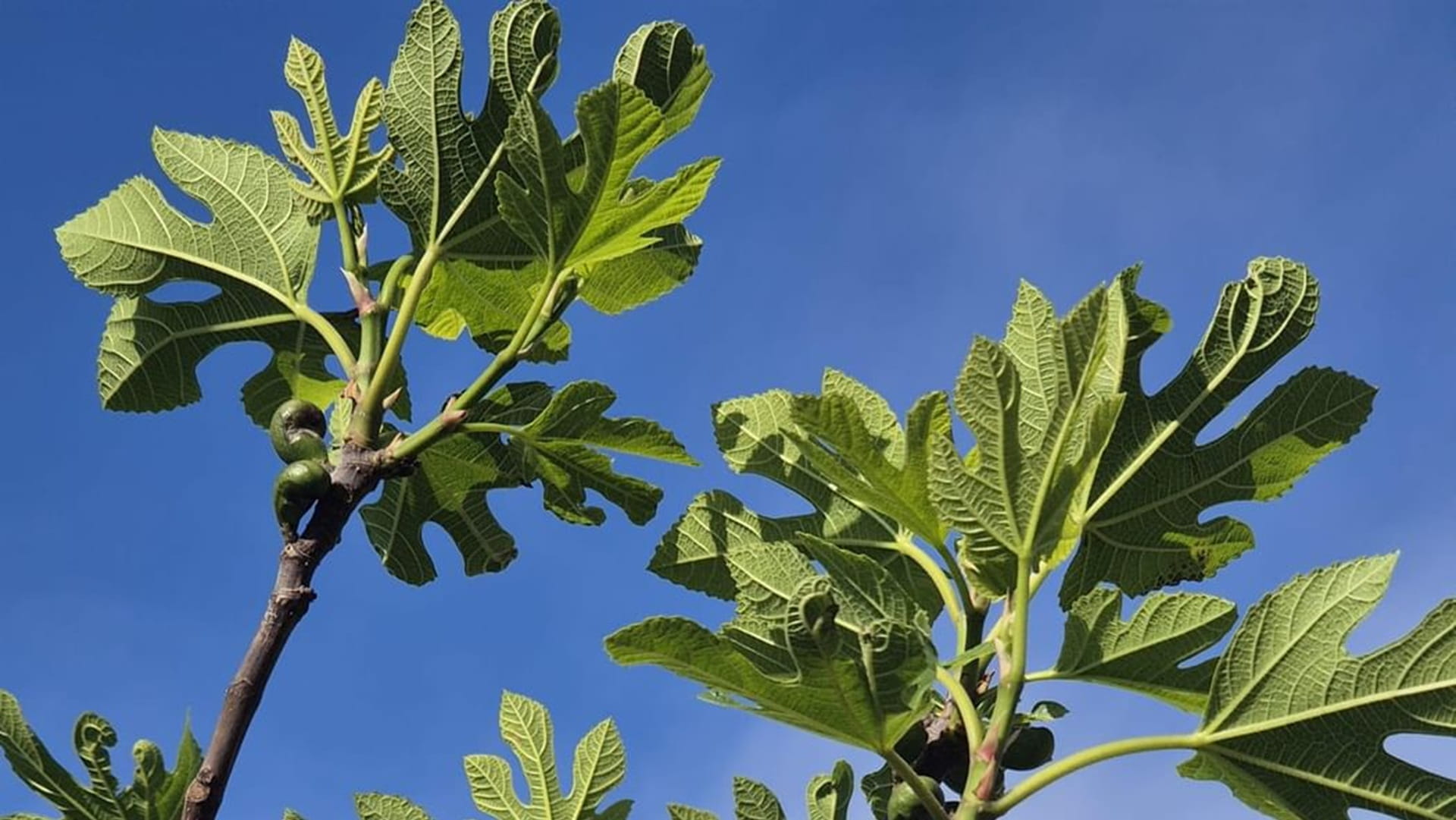
Published in Horticulture Research, the study analyzed the DNA of nearly 1,000 fig trees across 14 countries. The findings reveal that the modern fig did not emerge from a single geographic center of domestication. Instead, it was shaped over centuries by continuous interactions between humans and wild trees throughout the Mediterranean.
This research challenges traditional theories on crop domestication by proving that wild and cultivated fig trees have maintained a strong genetic connection over time.
Lead author Amandine Cornille noted that the study provides a fresh perspective on the history of one of humanity's oldest crops. Furthermore, the authors emphasize that protecting wild plant populations is critical for global agriculture, as their genetic diversity can help develop resilient crops capable of withstanding the intensifying pressures of climate change.

 For an optimal experience, please
rotate your device to portrait mode.