Loading...
Loading...


The poet, one of the most prominent voices in her country, spoke about her relationship with Arab culture, saying, "Perhaps I was Arab in a past life? I don't know; but my curiosity, interest, and willingness to explore further and further, as well as to strengthen ties, drive me." She added in the interview that "the performative, oral, and imaginative presence of Arabic poetry constitutes, for me, not only a source of inspiration but also a model I always aspire to in my own poetry."
In the opening article of the issue, titled "First Words," His Excellency Ahmed bin Rakkad Al Ameri, CEO of the Sharjah Book Authority and Editor-in-Chief of the magazine, wrote, "Sharjah continues to carry its cultural message far and wide, believing in building bridges of culture, love, and cooperation in a world desperately in need of the voice of the heart and mind, the voice of culture, the voice of justice, and the voice of brotherhood."
Al Ameri emphasised that His Highness Sheikh Dr Sultan bin Mohammed Al Qasimi, Supreme Council Member and Ruler of Sharjah, "always teaches us that culture unites peoples despite their diverse backgrounds, and that human conscience is fundamentally one, even across vast geographical distances."
Al Ameri added, "At the Sharjah Book Authority, we continue to work on numerous initiatives, projects, and programmes, embodying the vision of Her Highness Sheikha Bodour bint Sultan Al Qasimi, Chairperson of the Board of Directors of the Sharjah Book Authority, who always emphasises strengthening partnerships between cultures and amplifying the voices of peoples through literature, thought, and various creative forms."
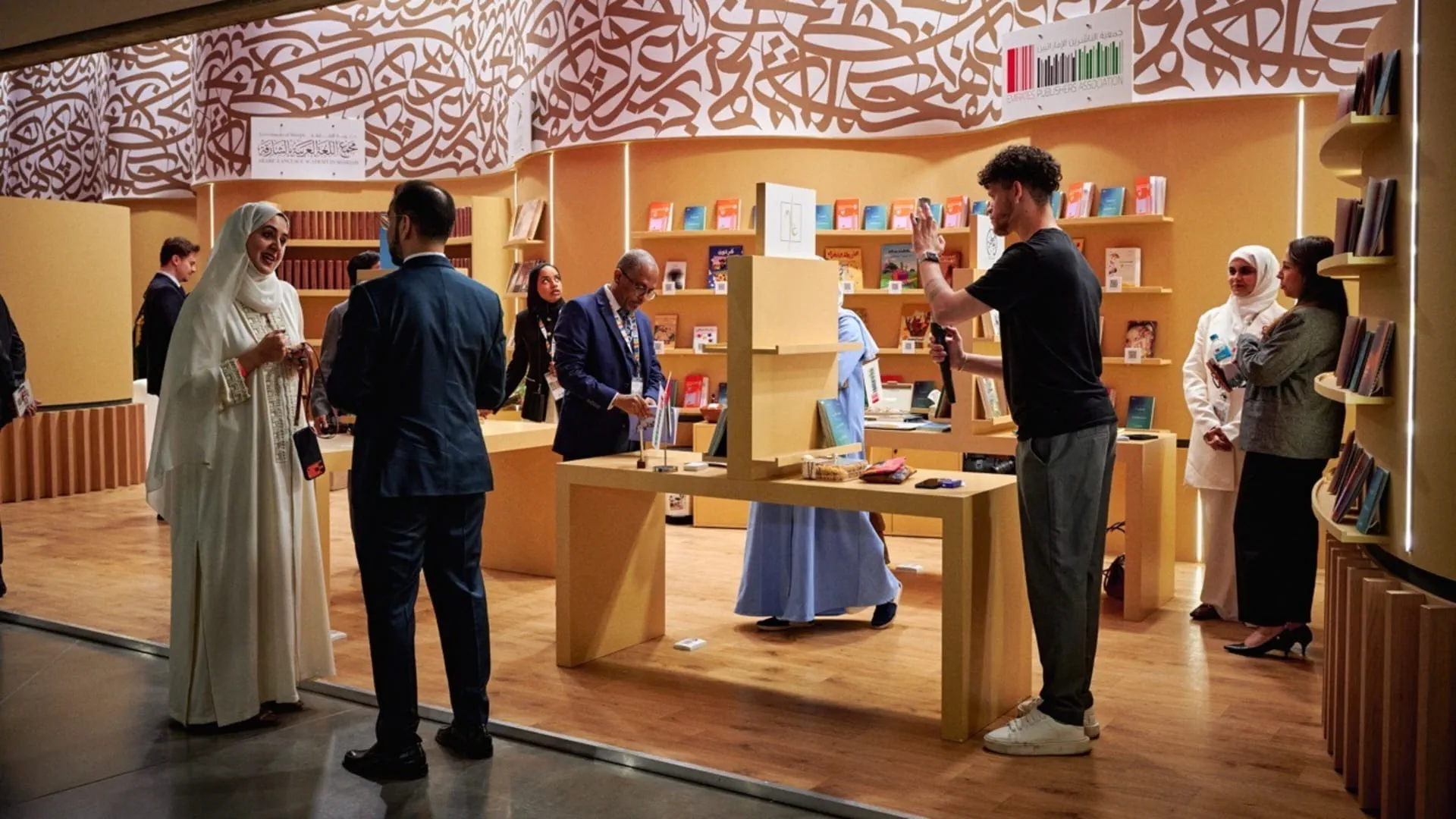
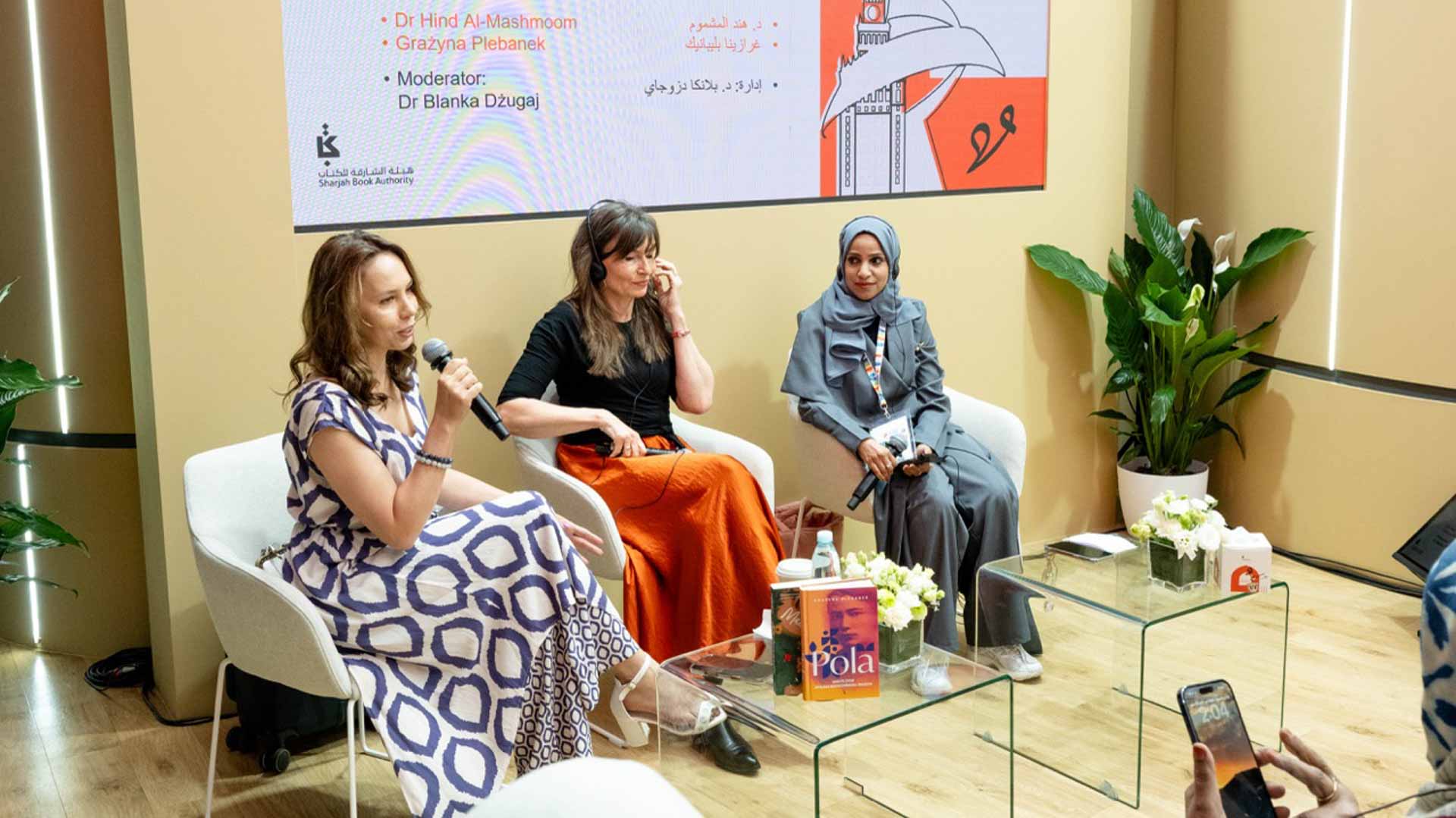
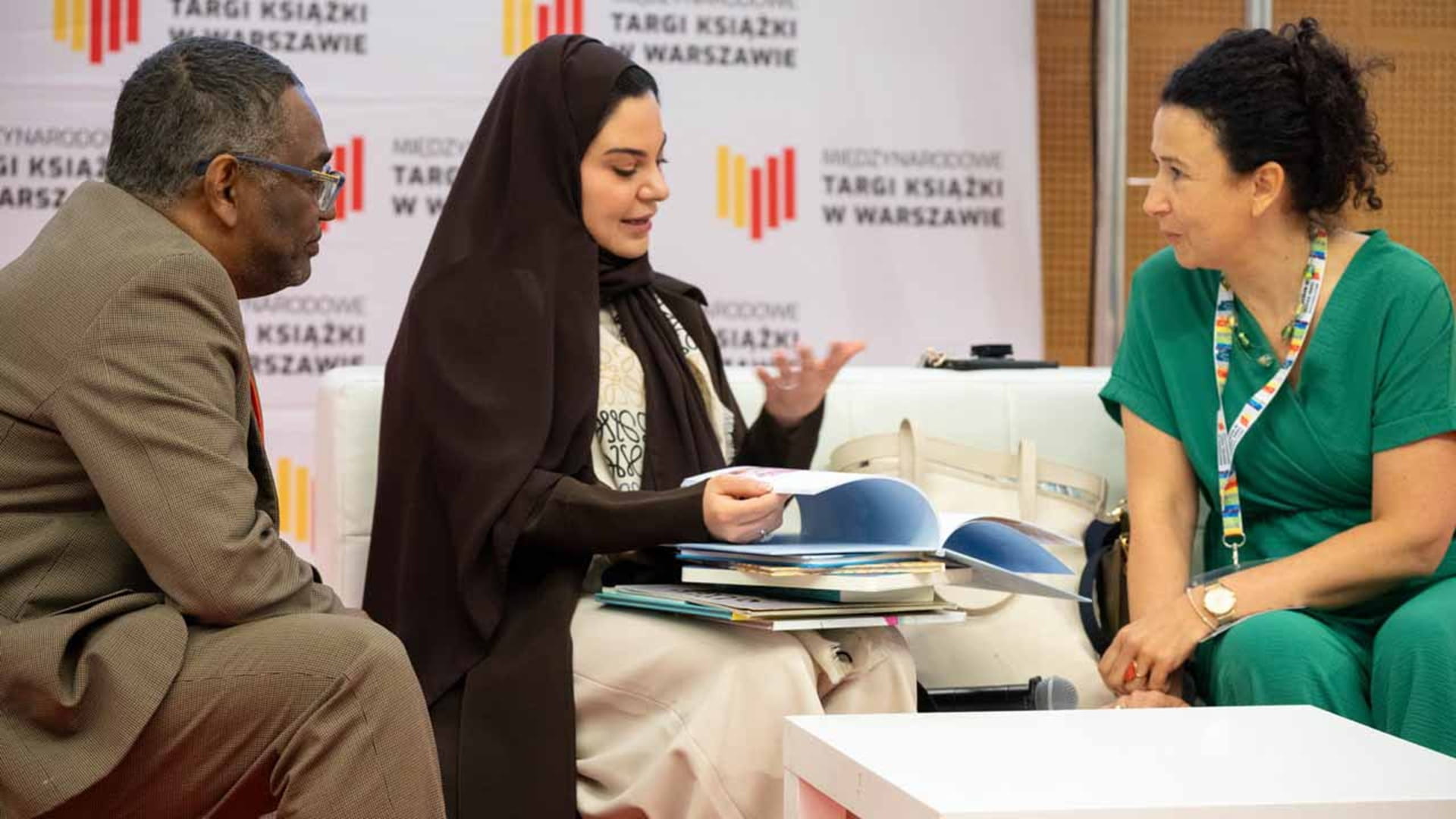
In his opening remarks, His Excellency Ahmed Al Ameri stated, "In Warsaw, the Polish celebration of Sharjah as the Guest of Honour at the Warsaw International Book Fair, held from May 28 to 31, was a high testament to Sharjah's esteemed position."
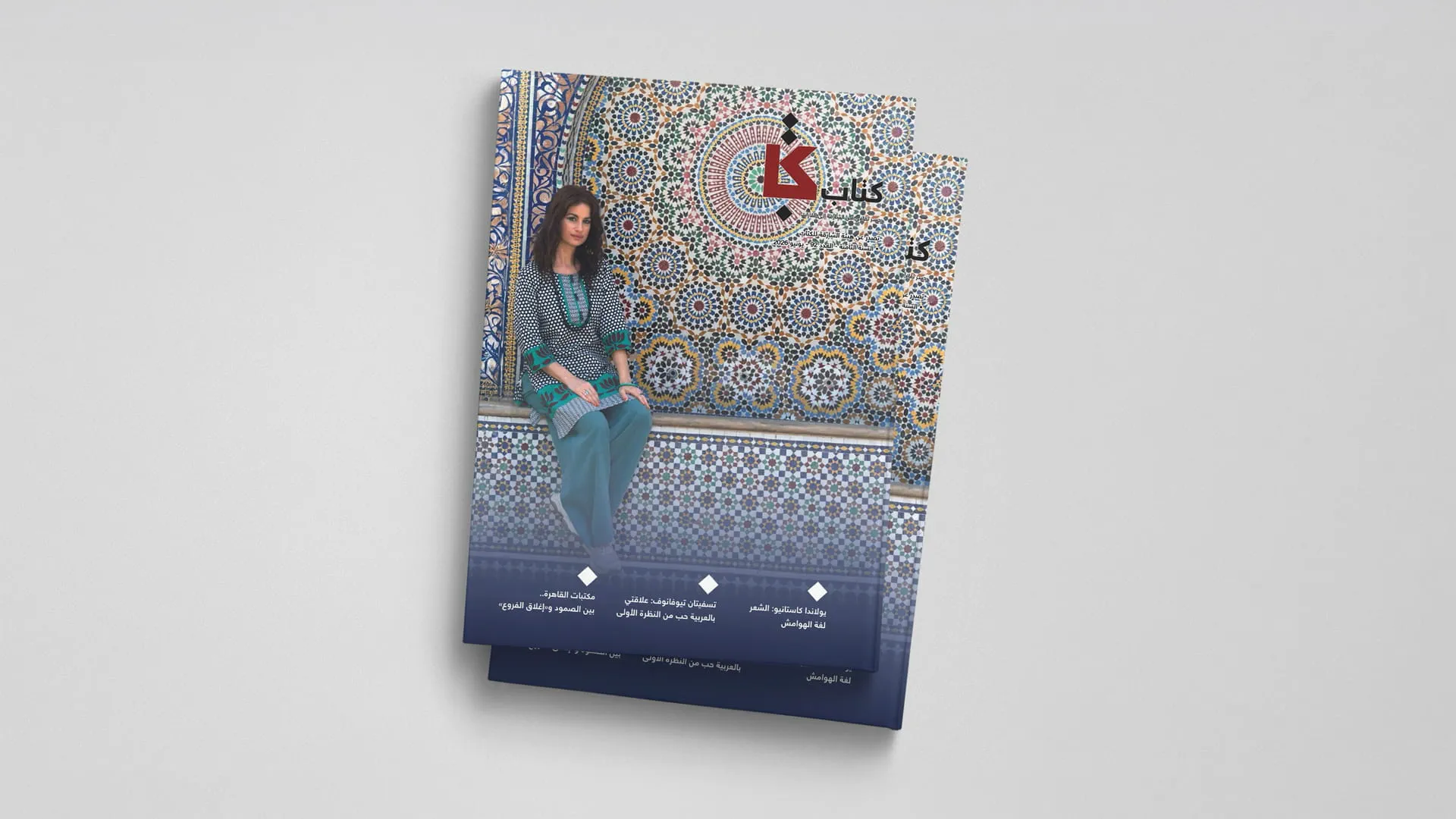
The latest issue of the magazine, published monthly by the Sharjah Book Authority, includes articles on literature, publishing, and reading, among them interviews with Sierra Leonean poet and novelist Omar Farouk Sissay, Bulgarian translator of the meanings of the Holy Quran and Arabist Tsvetan Teofanov, Tunisian writer Sassi Hammam, and Emirati poet Sheikha Al Mutairi.
The magazine also features a survey on the crisis facing libraries and bookstores in Cairo, as well as articles and studies on writers from France, Serbia, Morocco, Palestine, and the Netherlands. Additionally, it includes book reviews by authors from Syria, Iraq, Kuwait, Palestine, the United States, and Egypt.
In his column "Raqim," the magazine's editor-in-chief, Ali Al Amiri, wrote an article titled "Western Neglect of Arabic Sources," in which he stated, "While acknowledging the efforts of fair-minded Western scholars and Arabists in acknowledging, studying, and translating parts of the Arab heritage, and emphasising its profound impact on human civilisation, the prevailing view in the West is characterized by the marginalisation, disregard, or neglect of many Arabic sources that influenced literature, thought, science, and Western culture in general, primarily European culture."
Al Ameri cited the Cuban-American scholar, Maria Rosa Mencal, in her book "The Arab Role in Medieval Literary History: A Forgotten Heritage," who argued that "the exclusion of the Andalusian and Sicilian Arab literary world from the general European medieval frame of reference has affected more than just the issue of origins. It has also prevented the advancement of a potentially valuable comparative study."

 For an optimal experience, please
rotate your device to portrait mode.