Loading...
Loading...


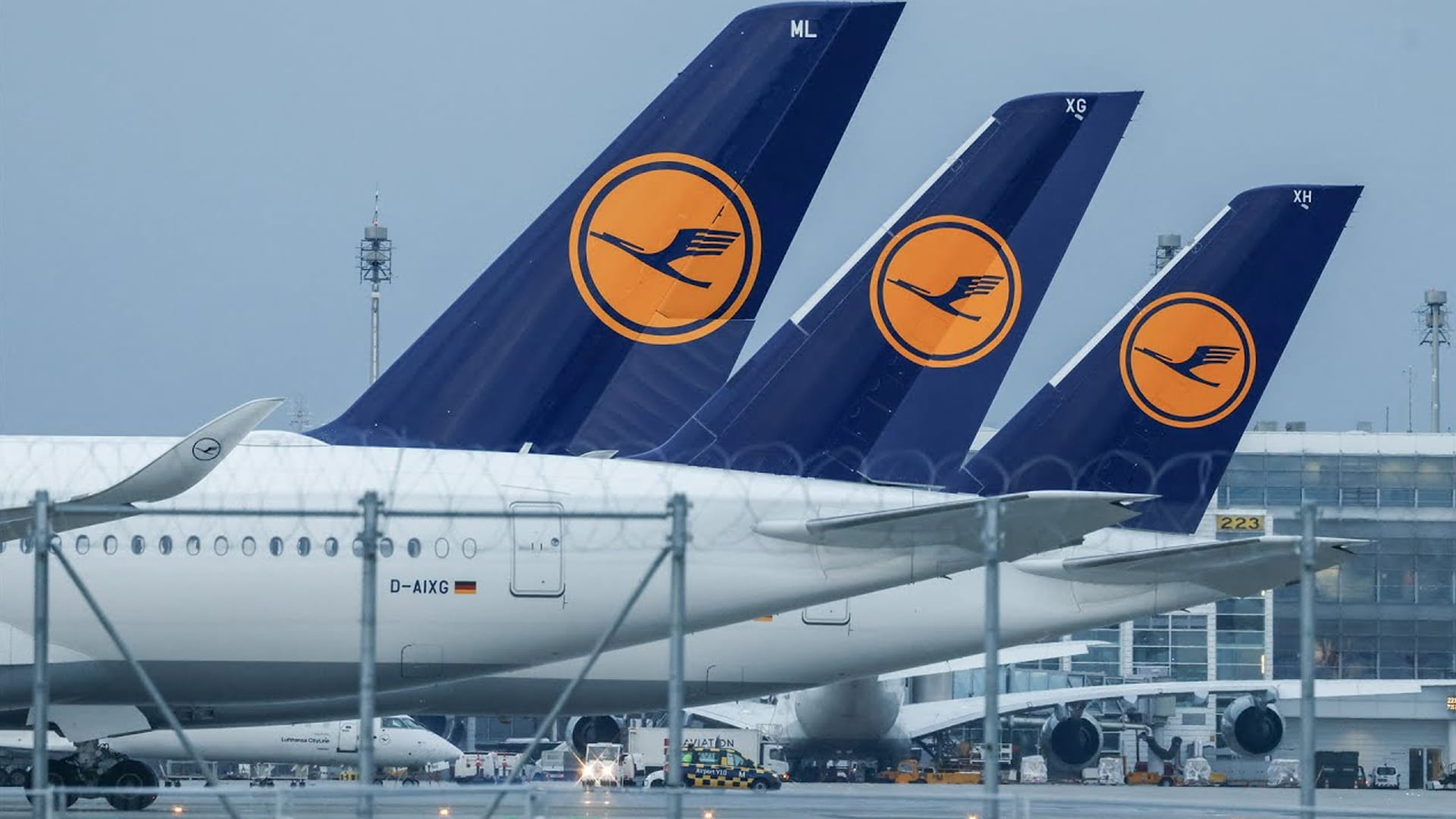
The job cuts—amounting to around 4% of Lufthansa’s global workforce of 103,000—will mostly affect management positions rather than operational roles. The airline emphasized that the reductions would be achieved through digitisation, automation, and streamlining operations.
This is the largest downsizing since the COVID-19 pandemic, reflecting the persistent impact of declining profits and ongoing economic pressure in Germany.
Germany’s economy continues to face significant headwinds, including a two-year recession, high unemployment, rising energy costs, competition from China, and delayed adoption of emerging technologies.
Lufthansa’s announcement follows a similar move by Bosch, which said last week it plans to cut 13,000 jobs in Germany by 2030.
Lufthansa has seen profits decline since 2024, a year disrupted by widespread strikes and the normalisation of airfares after the post-COVID surge. Labour tensions persist, with the pilots’ union recently voting in favour of a potential strike.
Despite these challenges, Lufthansa outlined ambitious financial targets for 2028–2030, including EBIT margin of 8–10%, return on capital employed before taxes of 15–20%, and liquidity of over €2.5 billion annually.
The airline also plans to modernize its fleet by purchasing over 230 new aircraft by 2030, including 100 long-haul planes. Lufthansa calls it the largest fleet renewal in its history, aimed at improving efficiency and sustainability.

 For an optimal experience, please
rotate your device to portrait mode.